

Exploring Saigon Cinnamon Powder Origin parameters provides agricultural importers, spice processors, commercial bakery procurement directors, and flavor chemists with deep insights into how regional harvest geography, climate, soil composition, and species selection govern finished ground spice performance. Derived from Cinnamomum loureiroi trees grown predominantly in the Yen Bai and Quang Nam provinces of Vietnam, Saigon cinnamon represents one of the most prized ground spices in international commerce.
Evaluating origin parameters allows procurement directors at VHB Group to secure origin-traceable supply chains, optimize volatile oil potency, and satisfy strict European Union Deforestation Regulation (EUDR) mandates.
Table of Contents
-
Yen Bai and Quang Nam Mountain Terroir
-
Agronomic Cultivation and Harvesting Windows
-
Cryogenic Milling and Steam Sterilization at Origin Processing Hubs
-
Comparative Matrix: Vietnamese Saigon vs. Indonesian Korintje
-
European Union Deforestation Regulation (EUDR) Traceability
-
Frequently Asked Questions (FAQ)

1. Yen Bai and Quang Nam Mountain Terroir
Vietnam is globally recognized for producing Saigon Cinnamon (Cinnamomum loureiroi), widely considered the most potent and aromatic Cassia variety in world trade.
Yen Bai Mountain Slopes
The mountainous Yen Bai province in Northern Vietnam features rich, moist acidic soils and high annual rainfall. Cinnamon trees cultivated on high-altitude mountain slopes mature slowly over 10 to 15 years, developing thick bark packed with concentrated essential oils.
High Volatile Oil Profile (3.0% to 6.0%)
Vietnamese Saigon Cassia exhibits the highest natural volatile oil content in the global trade, testing between 3.0% and 6.0% v/w. It delivers an intense, pungent, sweet-spicy flavor profile prized by commercial bakeries and premium retail brands.
2. Agronomic Cultivation and Harvesting Windows
Saigon cinnamon trees are coppiced after several years of growth, producing straight vertical shoots.
Seasonal Rain Peeling
Harvesting takes place during the spring and autumn rainy seasons. High sap flow during rainy periods allows harvesters to peel the thick inner bark from the hardwood core cleanly.
Bark Curing and Drying
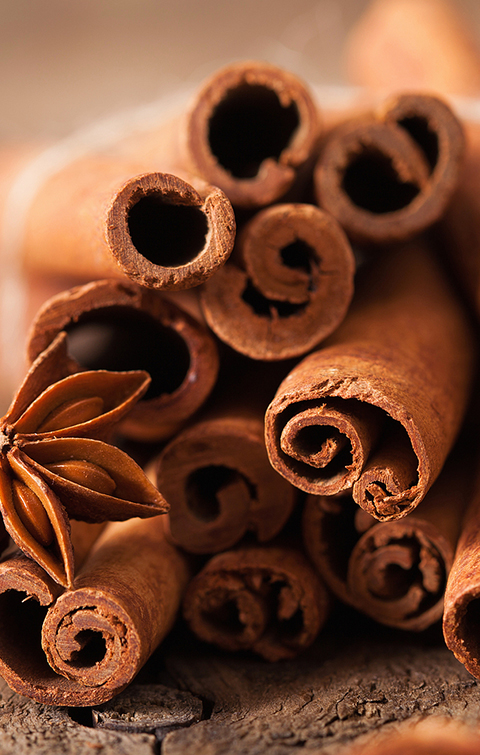
The peeled inner bark is dried naturally under controlled shade and sunlight, curing into rich reddish-brown rolls before being transported to central processing plants for milling.
3. Cryogenic Milling and Steam Sterilization at Origin Processing Hubs
VHB Group operates modern processing partnerships in Vietnam equipped with advanced spice milling and decontamination technology:
-
Cryogenic Liquid Nitrogen Grinding: Cooling raw bark to -100°C freezes volatile oils during milling, preserving cinnamaldehyde content and rich color.
-
Short-Time Vacuum Steam Sterilization: Decontaminates ground powder, reducing microbial plate counts to meet strict US FDA and European Commission food safety standards without chemical irradiation.
4. Comparative Matrix: Vietnamese Saigon vs. Indonesian Korintje
The following matrix compares primary regional Cassia cinnamon origins supplied by VHB Group:
| Sourcing Origin | Botanical Species | Typical Volatile Oil (VHO) | Coumarin Content Range | Primary Sensory Profile & Best-Fit Application |
| Vietnam (Yen Bai) | C. Loureiroi (Saigon) | 3.0% to 6.0% v/w | High (2,000 – 6,000 ppm) | Intense, spicy-sweet, highly aromatic; ideal for premium baking & flavor extraction. |
| Indonesia (Kerinci) | C. Burmannii (Korintje) | 1.5% to 3.0% v/w | Moderate (1,000 – 3,500 ppm) | Smooth, mild, balanced sweetness; ideal for mass commercial bakery mixes & cereals. |
| China (Guangdong) | C. Cassia (Chinese) | 1.5% to 2.5% v/w | High (2,000 – 7,000 ppm) | Pungent, slightly bitter, warm; ideal for pharmaceutical extraction & savory blends. |
5. European Union Deforestation Regulation (EUDR) Traceability
Navigating international spice trade requires verifying origin compliance:
Under the European Union Deforestation Regulation (EUDR), importers bringing Saigon cinnamon into Europe must provide precise GPS geolocation coordinates for farm plots where the bark was harvested, proving production did not cause deforestation after December 31, 2020. VHB Group maintains full GPS farm mapping across partner cooperatives in Yen Bai, Vietnam.
Saigon Cinnamon Powder Origin FAQ
Disclaimer: Unless otherwise stated, the images used in this article are the property of their respective owners. We do not claim ownership of any third-party images featured, and they are used here strictly for informational and educational purposes. If you are the copyright holder and wish to have an image removed, please contact us.