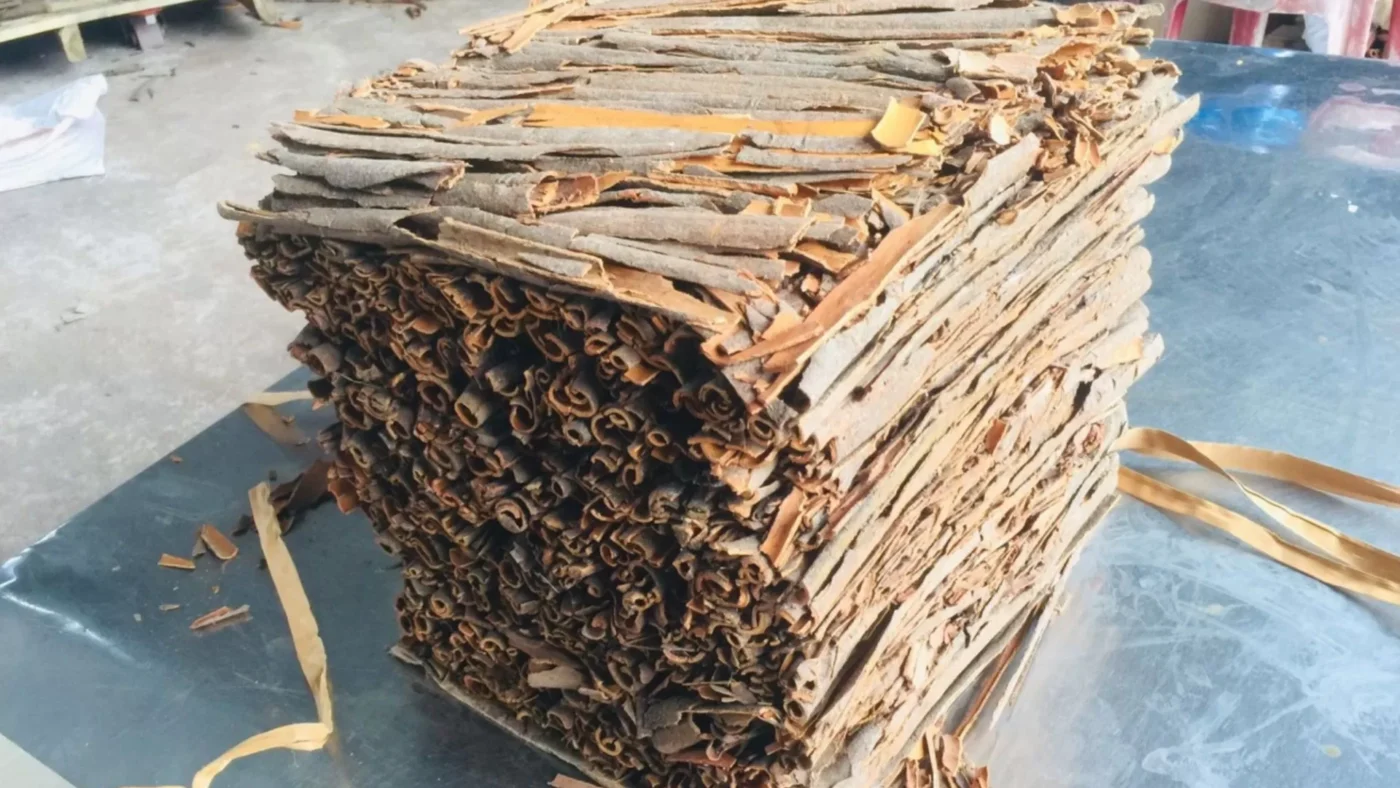
Understanding the exact Pressed Cassia Cinnamon Grade & Moisture Specs Facts is absolutely essential for agricultural importers, international spice buyers, and FMCG distributors who want to comprehend why this specific spice commands such a massive presence in the commercial grinding sector. Unlike rolled cigarette cassia, which is valued for its aesthetics, pressed cassia is an industrial workhorse. However, the very nature of stacking and pressing wet bark creates significant risks for mold if moisture is not expertly controlled. Understanding this delicate balance of chemical preservation and flavor density is paramount for securing premium supply.
For international procurement teams and supply chain managers looking to capitalize on this immense global demand, reviewing the operational logistics of the wholesale supply chain is the mandatory next strategic step. However, before investing in bulk container loads, buyers must fully understand the chemical, physical, and sensory components that make this pressed botanical a high-margin industrial juggernaut.
Table of Contents
-
The Botanical Base: Cinnamomum Cassia
-
The Pressing and Moisture Evaporation Process
-
Sensory Profile: Essential Pressed Cassia Cinnamon Grade & Moisture Specs Facts
-
Chemical Safety and Mold Prevention Synergy
-
Wholesale Extraction Integration

The Botanical Base: Cinnamomum Cassia
When analyzing the massive commercial success of this globally recognized spice, the primary differentiator lies in the species and age of the harvested botanical.
Harvested from mature Cinnamomum cassia trees (often 10 to 20 years old), the bark is naturally thick and densely packed with essential oils. While thinner bark from younger branches will naturally curl into hollow quills when dried, the thick bark from the main trunk is perfect for pressing. This mature bark acts as a robust storage vessel for extraordinary levels of volatile essential oils (VO), ensuring that when the pressed bale is eventually ground into powder, it delivers a massive yield of intense flavor that does not cook off at high temperatures.
The Pressing and Moisture Evaporation Process
A critical element within the manufacturing cycle is the heavy reliance on manual flattening and highly controlled moisture evaporation to prevent trapped fungal growth.
View Cassia Bark Reference on Wikimedia Commons
To transform the freshly harvested, highly pliable tree bark into pressed cassia, agricultural processors must act immediately. Instead of allowing the bark to curl in the sun, the wet strips are layered flat on top of one another and placed under heavy weights or mechanical presses. This forces the bark to dry in a perfectly flat, board-like state.
This process requires extreme expertise. Because the bark is stacked, the inner layers lack airflow. If the moisture does not evaporate quickly enough, the center of the pressed blocks will develop dangerous white or green mold. Consequently, drying is meticulously managed, dropping the overall moisture content down to safe export levels (strictly below 13.5%).

Sensory Profile: Essential Pressed Cassia Cinnamon Grade & Moisture Specs Facts
The most distinctive physical characteristic of properly processed pressed cassia is its flat, dense, board-like structure, its dark reddish-brown color, and the immediate, aggressive aromatic burst of sweet spice released upon breaking or grinding.
Balancing Cinnamaldehyde, Sweetness, and Heat
The Pressed Cassia Cinnamon Grade & Moisture Specs Facts matrix is heavily characterized by its unique chemical composition. The dominant compound is Cinnamaldehyde, which is responsible for the aggressive, spicy “red hot” flavor. Because pressed cassia typically utilizes the thickest trunk bark, it often contains the highest absolute concentration of Cinnamaldehyde of any cassia grade (frequently 3% to 6% VO). This provides a massive flavor impact, making it the most cost-effective variant per unit of flavor for commercial bakeries and spice blenders.
Chemical Safety and Mold Prevention Synergy
To fully grasp the commercial appeal and risks, FMCG food distributors must analyze the macro-chemical and safety profile. A standard pressed bale is carefully calibrated for maximum shelf stability, requiring strict adherence to moisture limits.
| Culinary Component | Function in the Matrix | Safety & Quality Profile |
| Cinnamaldehyde | Provides the sharp, intense heat and sweet cinnamon aroma. | High levels indicate superior agricultural quality and tree maturity. |
| Moisture Content | Dictates exact shelf stability and prevents mold. | Must be strictly maintained below 13.5%; higher levels in pressed blocks guarantee mold. |
| Sulfur Dioxide (SO2) | Sometimes used to fumigate/bleach the bark to prevent mold. | Heavily monitored; strict MRL (Maximum Residue Limits) exist in the EU/US. |
| Ash Content | Dictates the purity of the grind. | Unpeeled pressed cassia yields higher ash content; peeled yields a cleaner powder. |

Wholesale Extraction Integration
Mastering the core culinary facts and moisture-control matrices is the definitive key to understanding this product’s unstoppable global industrial velocity. From the careful flattening of the mature bark to the precision engineering of the drying process, every single element of this processing cycle is designed to deliver a premium, highly pungent, and logistically efficient culinary ingredient. For international distributors and commercial extractors, stocking authentic Southeast Asian pressed cassia guarantees access to a highly loyal, flavor-driven commercial consumer base.
Pressed Cassia Cinnamon Facts FAQ
Disclaimer: Unless otherwise stated, the images used in this article are the property of their respective owners. We do not claim ownership of any third-party images featured, and they are used here strictly for informational and educational purposes. If you are the copyright holder and wish to have an image removed, please contact us.