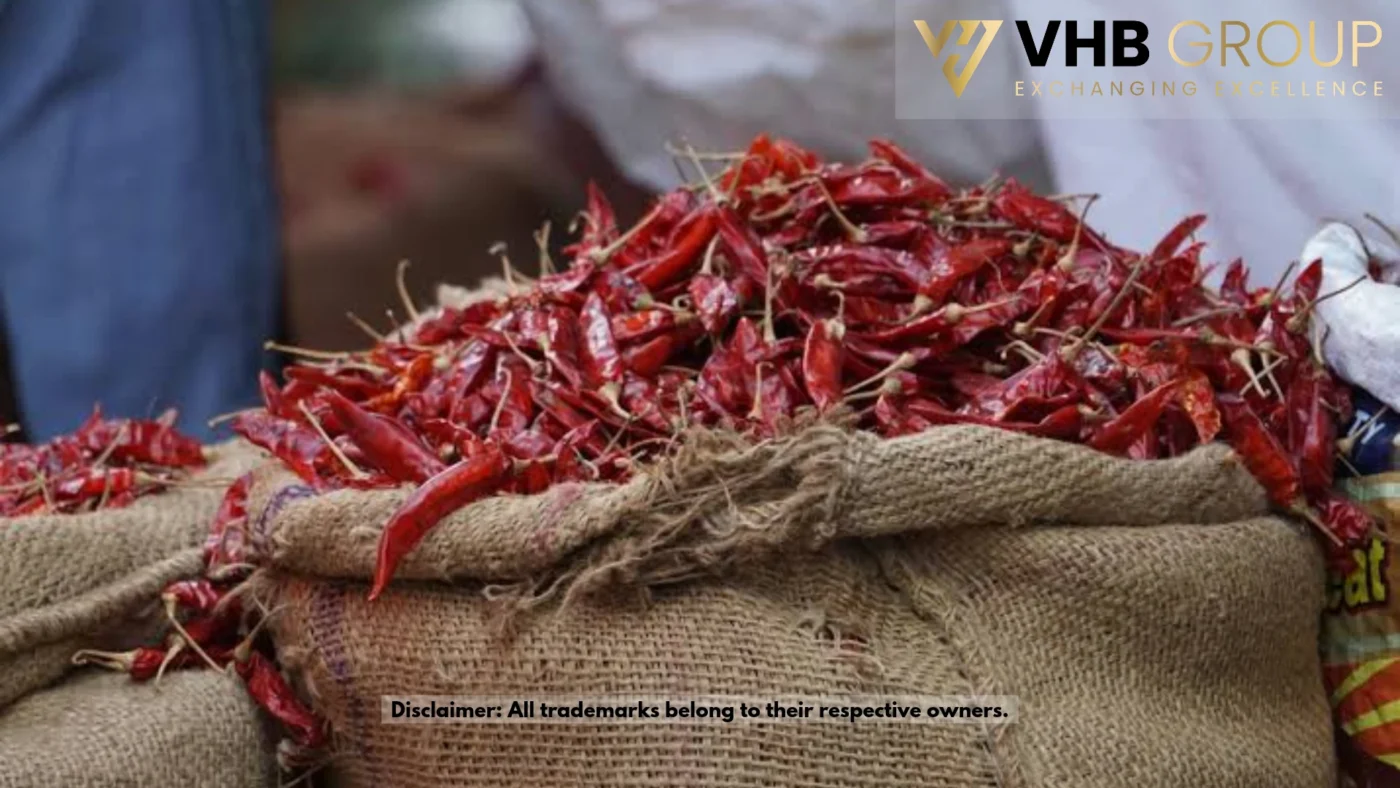
Understanding the exact Dried Red Chili Heat Level & Color Grade Facts is absolutely essential for spice importers, R&D food scientists, and oleoresin extractors who need to specify the exact chemical grade for their production lines. A critical misconception among new buyers is assuming that a darker red chili is automatically hotter. In reality, extractable red color (ASTA) and pungency (Scoville Heat Units / SHU) are completely independent chemical axes—dictated by distinct botanical compounds that must be specified separately on every wholesale purchase contract.
For international procurement teams and supply chain managers looking to capitalize on this global commodity, reviewing the operational logistics of the wholesale supply chain is the mandatory next strategic step. However, before executing bulk contracts, buyers must fully understand the capsaicinoid chemistry, carotenoid pigments, and drying physics that separate premium export-grade pods from dull, faded stock.
Table of Contents
-
The Two Independent Axes: Capsaicinoids (SHU) vs. Carotenoids (ASTA)
-
Post-Harvest Drying and Color Retention Science
-
Sensory Profile: Essential Dried Red Chili Heat Level & Color Grade Facts
-
Quality Benchmarks and Laboratory Specifications
-
Wholesale Spice Integration

The Two Independent Axes: Capsaicinoids (SHU) vs. Carotenoids (ASTA)
When analyzing the commercial value of export-grade dried red chilies, buyers evaluate two distinct laboratory measurements:
-
Scoville Heat Units (SHU): Measures pungency driven by capsaicinoids (primarily capsaicin and dihydrocapsaicin), which are concentrated in the inner white placental tissue holding the seeds. Modern export labs quantify capsaicinoids via HPLC and convert the percentage into SHU. Commercial varieties range from mild (~1,000–2,000 SHU for Kashmiri types) to medium-hot (35,000–45,000 SHU for Guntur Sannam S4) and fiery hot (70,000–100,000+ SHU for Teja S17).
-
ASTA Color Value: Standardized by the American Spice Trade Association, ASTA measures the total extractable red carotenoid pigments (capsanthin and capsorubin) present in the chili pericarp (skin) via spectrophotometry. High-color, low-heat varieties like Byadgi achieve 120–160 ASTA with only 5,000–15,000 SHU—making them the gold standard for vibrant natural red food coloring without overwhelming heat.

Post-Harvest Drying and Color Retention Science
A critical element within the manufacturing cycle is controlling how fresh red pods are dehydrated and stored after harvest.
View Drying Guntur Red Chilies Reference on Wikimedia Commons
Freshly harvested ripe red chilies contain roughly 70–80% moisture. Traditional sun drying or controlled hot-air mechanical drying reduces moisture to 10–12% max. If pods are dried too slowly in humid conditions, surface molds rapidly produce toxic aflatoxins. Conversely, excessive drying heat scorches the natural sugars and degrades red carotenoids into a dull brownish-black hue. To lock in high ASTA color values after drying, premier exporters immediately transfer bagged chilies into cold storage (typically 4°C–10°C) until container stuffing, preventing natural pigment oxidation.
Sensory Profile: Essential Dried Red Chili Heat Level & Color Grade Facts
The most distinctive physical characteristic of high-grade dried red chilies upon opening a freshly sealed export sack is their vibrant, glossy crimson-to-deep-ruby skin, crisp leathery snap, and an immediate, sharp, fruity-pungent aroma free of musty or smoky off-odors.
Balancing Pungency, Aroma, and Visual Integrity
The Dried Red Chili Heat Level & Color Grade Facts matrix is defined by cultivar precision. Industrial sauce and snack formulators frequently blend two distinct whole-chili origins—combining a high-SHU cultivar (like Teja S17) with a high-ASTA cultivar (like Byadgi)—to hit exact flavor, heat, and visual red color targets simultaneously.

Quality Benchmarks and Laboratory Specifications
To fully grasp the commercial appeal and pass strict international border inspections, B2B buyers must specify exact laboratory parameters on their Certificate of Analysis (COA).
| Quality Parameter | Standard Export Specification | Functional Significance |
| Moisture Content | 10.0% – 12.0% max | Prevents fungal growth, aflatoxin formation, and soft/leathery pods. |
| Total Ash / Acid-Insoluble | ≤ 8.0% / ≤ 1.0–1.5% | Verifies clean harvesting and absence of soil or sand contamination. |
| Broken / Damaged Pods | ≤ 2.0% – 5.0% max | Ensures high visual grade and minimizes loose seed separation. |
| Aflatoxin B1 / Total | ≤ 5 ppb / ≤ 10 ppb | Mandatory EU and US FDA safety threshold for border clearance. |
Wholesale Spice Integration
Mastering the independent axes of SHU heat and ASTA color is the definitive key to sourcing high-performing dried red chilies for industrial applications. By specifying verified HPLC capsaicinoid levels, ASTA pigment ratings, and cold-storage origin lots, international distributors and food manufacturers guarantee consistent culinary performance across every production batch.
Dried Red Chili Heat & Color FAQ
Disclaimer: Unless otherwise stated, the images used in this article are the property of their respective owners. We do not claim ownership of any third-party images featured, and they are used here strictly for informational and educational purposes. If you are the copyright holder and wish to have an image removed, please contact us.