
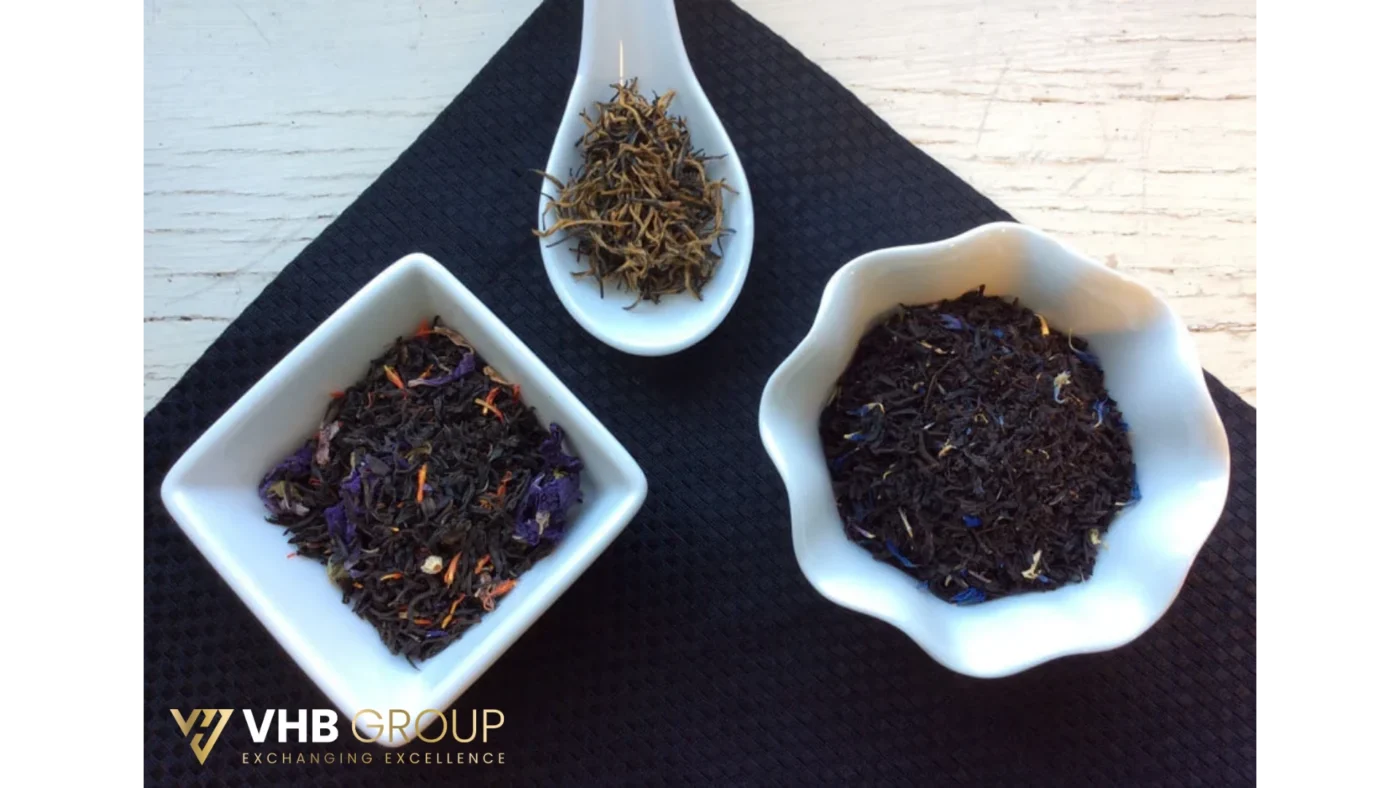
In the global B2B beverage sector, establishing a resilient and transparent agricultural black tea distribute channel is vital for securing consistent product quality, stable pricing, and sustainable supply chains. As global consumer demand shifts toward functional beverages, clean labels, and ethical sourcing, international buyers require more than just a supplier; they require a fully integrated logistical partner. Vietnam has emerged as a premier powerhouse in this landscape, offering premium black tea varieties processed under strict quality controls. This guide explores the intricate mechanisms of the global tea trade, Vietnam’s unique agricultural advantages, and how partnering with VIHABA ensures a seamless, high-yield supply chain for your brand.
Table of Contents
- 1. Global Market Overview: The Role of a Structured Supply Chain
- 2. Vietnam’s Premier Black Tea Cultivation Regions
- 3. Orthodox vs. CTC Processing Methodologies
- 4. International Quality Standards and Chemical Compliance
- 5. Technical Specifications & Tea Grading Matrix
- 6. Bulk Packaging, Transport, and Traceability Protocols
- 7. Optimizing Your Agricultural Black Tea Distribute Channel with VIHABA
- 8. Frequently Asked Questions (FAQs)
- 9. Conclusion: Securing Your Global Tea Supply Chain

Evaluating the Global Agricultural Black Tea Distribute Channel
The global black tea market is undergoing rapid evolution. Driven by growing consumer awareness of the health benefits of tea polyphenols, theaflavins, and antioxidant properties, the demand for bulk black tea continues to climb across Europe, North America, and the Middle East. However, accessing high-quality bulk tea requires a deep understanding of the agricultural black tea distribute channel. A poorly managed channel leads to flavor degradation, moisture contamination, delays at customs, and unexpected price volatility.
An efficient B2B distribution channel connects agricultural cooperatives directly with state-of-the-art processing plants, followed by strict phytosanitary testing, custom packaging, and optimized maritime logistics. By eliminating unnecessary intermediaries, major importers can secure competitive FOB (Free on Board) or CIF (Cost, Insurance, and Freight) pricing while maintaining absolute visibility over their products’ origin. Managing these links carefully ensures that the exquisite flavor profile of Camellia sinensis is preserved from the high-altitude fields of Southeast Asia to the end-consumer’s cup.
Market Trends Driving B2B Black Tea Demand
Modern B2B buyers prioritize sustainability and supply chain transparency over raw cost. Organic certifications, fair trade practices, and carbon-neutral logistics are no longer optional additions; they are core requirements for entering premium retail markets. Furthermore, the rising demand for ready-to-drink (RTD) tea extractions, kombucha brewing bases, and custom botanical blends has diversified the specifications required by international blenders. Working within a specialized agricultural black tea distribute channel allows importers to specify precise leaf grades, moisture percentages, and liquor colors to match their unique processing configurations.
Vietnam’s Premier Black Tea Cultivation Regions
Vietnam’s geography provides the ultimate environment for cultivating high-yield, premium-grade Camellia sinensis. The combination of rich volcanic soils, microclimatic mountain mists, and precise seasonal rainfall yields tea leaves with rich chemical compositions, high extractability, and balanced astringency. Several key provinces form the backbone of our agricultural black tea distribute channel.
Yen Bai Province: The Ancient Tea Heritage
Located in the mountainous northwestern region of Vietnam, Yen Bai is home to ancient Shan Tuyet tea trees growing at altitudes above 1,200 meters. These trees benefit from wild, organic growth conditions and a naturally cool climate. The black tea produced from Shan Tuyet leaves boasts a unique, honey-like sweetness and rich golden liquor, highly sought after by premium European tea houses.
Moc Chau (Son La): High-Altitude Precision
The Moc Chau plateau, situated at an average elevation of 1,050 meters, features rich, fertile soils and temperate weather conditions. Black tea from Moc Chau is characterized by its bold body, bright red infusion, and deep malt notes. The regional farms here utilize modernized agricultural techniques, ensuring high yield consistency and strict adherence to maximum residue limits (MRLs) for pesticides.
Phu Tho Province: The Industrial Cradle
Phu Tho serves as a major hub for large-scale agricultural tea production. Combining historical cultivation expertise with modern industrial processing facilities, Phu Tho excels in delivering high volumes of CTC and Orthodox black tea. This region forms the operational core of our high-volume export activities, feeding directly into the global agricultural black tea distribute channel.
Orthodox vs. CTC Processing Methodologies
The flavor profile, leaf size, and final application of black tea depend heavily on the processing method utilized post-harvest. Our production facilities implement two distinct processing pathways to cater to varying global market segments.
Orthodox Processing: Preserving Leaf Integrity
Orthodox processing is an artisanal yet highly mechanized method designed to preserve the physical integrity of the tea leaf. It involves five essential steps:
- Withering: Reducing moisture content in fresh leaves from approximately 75% to 55-60% under controlled airflow.
- Rolling: Placing the withered leaves into rotary rolling machines to break leaf cells, releasing essential oils and initiating chemical oxidation.
- Oxidation (Fermentation): Spreading the rolled leaves in temperature and humidity-controlled rooms to allow polyphenol oxidase to convert catechins into theaflavins and thearubigins, giving the tea its characteristic dark amber color and rich aroma.
- Firing (Drying): Passing the oxidized tea through hot-air dryers to stop chemical reactions and reduce moisture content to a stable 4-6%.
- Grading & Sorting: Using mechanical sifters and electrostatic fiber extractors to sort the tea into clean, uniform leaf grades (e.g., OP, FBOP, PEKOE).
CTC Processing: Maximizing Extraction Efficiency
CTC (Crush, Tear, Curl) processing is a highly efficient, automated method developed to maximize leaf surface area. After withering, the leaves are passed through metal rollers with sharp teeth that crush, tear, and curl the leaf material into small, uniform pellets. The oxidation and drying stages follow rapidly. CTC black tea is ideal for tea bags and instant tea extractions due to its quick brewing properties, intense color, and robust, bold flavor profile.
International Quality Standards and Chemical Compliance
Navigating international trade laws requires flawless compliance with food safety and phytosanitary regulations. Importers must have confidence that their agricultural black tea distribute channel adheres strictly to global quality benchmarks. At VIHABA, we prioritize transparency and safety by implementing rigorous quality control protocols at every stage of cultivation and processing.
Our processing centers operate under internationally recognized certifications including ISO 22000, HACCP, and HALAL. We actively cooperate with local farmers to implement GlobalGAP practices, minimizing the use of synthetic fertilizers and ensuring strict compliance with European Union (EU) and US FDA regulations regarding Maximum Residue Limits (MRLs). Every export batch undergoes thorough laboratory analysis, verifying heavy metal content, pesticide residue levels, and microbiological counts before receiving customs clearance.
Technical Specifications & Tea Grading Matrix
To help you select the ideal product for your market, the table below outlines the primary black tea grades and technical specifications available through our agricultural black tea distribute channel.
| Tea Grade | Process | Leaf Appearance | Liquor Color | Moisture (%) | Primary Use Case |
|---|---|---|---|---|---|
| OP (Orange Pekoe) | Orthodox | Long, thin, wiry leaves | Bright orange-red | Max 6.5% | Premium loose-leaf retail, gift packs |
| FBOP (Flowery Broken Orange Pekoe) | Orthodox | Semi-coarse broken leaves with tips | Deep red-amber | Max 6.5% | Commercial loose blends, food service |
| BPS (Broken Pekoe Souchong) | Orthodox | Round, curly, dark leaves | Dark reddish | Max 6.0% | Strong breakfast blends, milk tea bases |
| CTC PF1 (Pekoe Fannings 1) | CTC | Fine, granular black grains | Strong red, highly intense | Max 5.0% | High-speed tea bag packaging machines |
| CTC PD (Pekoe Dust) | CTC | Very fine, uniform powder | Extremely dark, brisk body | Max 5.0% | RTD beverages, botanical extractions |
Bulk Packaging, Transport, and Traceability Protocols
Maintaining sensory and physical tea quality during transit is a major challenge in international trade. Tea is highly hygroscopic; it easily absorbs surrounding moisture and foreign odors if poorly packaged. Therefore, our agricultural black tea distribute channel enforces multi-layer protective packaging configurations. We utilize food-grade, multi-wall Kraft paper sacks with internal polyethylene (PE) liners, or durable woven PP bags, designed to prevent moisture ingress and mechanical damage during handling.
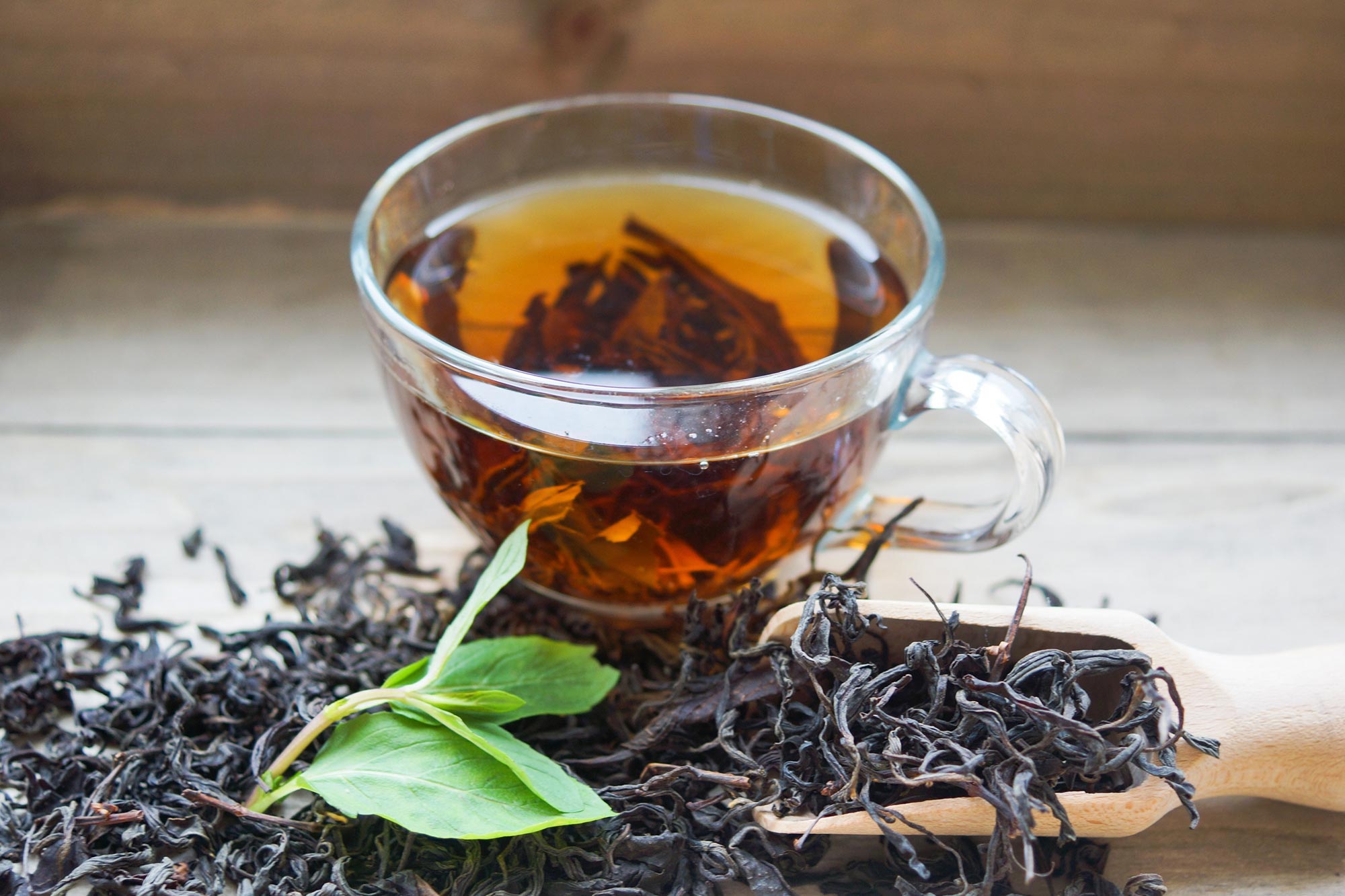
From our manufacturing hubs in Vietnam, containers are sealed and tracked systematically. We manage major shipping pathways through key oceanic ports, such as Hai Phong Port in the north, ensuring fast sea transit times to destinations across Europe, North America, the Middle East, and Asia. Our digital traceability system records farming batches, processing dates, chemical analysis results, and shipping logs. This gives our commercial partners full visibility over their supply chain, satisfying both regulatory inspectors and conscious consumers.
Optimizing Your Agricultural Black Tea Distribute Channel with VIHABA
At VIHABA, we understand that finding a reliable partner is the single most critical factor in securing your supply chain. We have meticulously built our agricultural black tea distribute channel to resolve the common pain points of international B2B buyers: inconsistent quality, volatile pricing, and communication barriers.
By establishing long-term, mutually beneficial relationships with local farming cooperatives across Vietnam’s prime tea regions and integrating modern processing facilities, we manage the entire value chain. We eliminate unnecessary mid-tier brokers, passing direct financial savings onto our global buyers. Our dedicated international trade specialists provide comprehensive, end-to-end support—handling custom blend development, packaging design, quality assurance certification, and export customs clearance. This seamless process allows you to focus on growing your brand equity with absolute peace of mind.
Sustainable Agriculture and Fair Trade Initiatives
Sustainability is a core pillar of our business model. Through our distribution network, we support Vietnamese farming families by introducing sustainable agricultural practices, improving farm safety, and guaranteeing fair purchase prices. By choosing to source through our channel, you are directly investing in the preservation of ancient high-altitude forests, carbon footprint reduction in agricultural transport, and the economic development of rural mountain communities in Vietnam.
Conclusion: Securing Your Global Tea Supply Chain
Building an efficient, highly transparent, and safe supply chain is key to long-term success in the competitive global beverage sector. By understanding the dynamic elements of the agricultural black tea distribute channel, modern B2B buyers can avoid raw material shortages, price spikes, and quality issues. Vietnam stands as a premium origin capable of fulfilling large-scale, high-quality black tea demands under strictly controlled agricultural and industrial processes.
VIHABA is proud to serve as your strategic partner in Vietnam. Our complete control over the cultivation, processing, packaging, and export logistics ensures your brand receives reliable, sustainable, and competitively priced black tea. Contact the VIHABA export team today to request samples, discuss custom specifications, and discover how we can optimize your agricultural black tea distribute channel for sustained market growth.
Black Tea Channel FAQ
Disclaimer: Unless otherwise stated, the images used in this article are the property of their respective owners. We do not claim ownership of any third-party images featured, and they are used here strictly for informational and educational purposes. If you are the copyright holder and wish to have an image removed, please contact us.