

Developing a transparent and highly efficient Coconut Oil Distribute Channel is essential for B2B enterprises aiming to secure a consistent supply of premium agricultural commodities.
To navigate the complexities of global agricultural trade, procurement officers, food manufacturers, and cosmetic formulation companies require a deep understanding of the entire supply chain. This comprehensive pillar article outlines the fundamental components of establishing a world-class sourcing network, managing quality risk, and optimizing logistics.
Table of Contents
- 1. Global Coconut Oil Market Overview and Supply Dynamics
- 2. Vietnam’s Premium Coconut Cultivation Regions
- 3. Processing Methods: From Harvest to High-Quality Oil
- 4. Optimizing Your Coconut Oil Distribute Channel for B2B Success
- 5. International Quality Standards and Export Specifications
- 6. Export Packaging and Logistics in the Supply Chain
- 7. Frequently Asked Questions (FAQs)
- 8. Conclusion: Partnering with VIHABA for Agriculture Export Excellence

Global Coconut Oil Market Overview and Supply Dynamics
The global coconut oil market is undergoing a structural expansion driven by shifts in consumer preferences toward plant-based ingredients, clean-label food products, natural cosmetics, and sustainable industrial oleochemicals. Historically localized to tropical regions, coconut oil has evolved into a high-demand commodity globally. Major importing regions, including North America, Europe, and Northeast Asia, rely heavily on robust supply chains from South and Southeast Asia to meet their annual consumption quotas.
Industrial demand is broadly divided into three sectors: food manufacturing, personal care, and industrial chemical synthesis. In the food industry, coconut oil is highly prized for its thermal stability, high smoke point, and content of medium-chain triglycerides (MCTs), which are highly sought after in health food and sports nutrition formulations. In cosmetics, its moisture-retaining properties make it a staple in skincare and haircare formulations. Meeting these diverse market demands requires a highly structured logistical framework that ensures supply continuity and minimizes price volatility.
Vietnam’s Premium Coconut Cultivation Regions
Within the global export landscape, Vietnam has emerged as a premier agricultural powerhouse. The country’s unique geographical profile, dominated by massive river deltas, provides an ideal environment for high-yield, premium-grade coconut cultivation. Among these, Ben Tre province is globally recognized as the coconut capital of Vietnam, boasting over 70,000 hectares of coconut plantations.
The alluvial soil of the Mekong River Delta, enriched annually by natural flood cycles, deposits rich minerals into the soil. This unique terroir allows coconut trees to thrive without the heavy application of synthetic fertilizers. Consequently, the coconuts harvested from this region exhibit exceptionally high lauric acid profiles—the primary fatty acid responsible for coconut oil’s antimicrobial and health-promoting properties. Other notable cultivation hubs include Tra Vinh and Tien Giang provinces, both of which have adopted sustainable, organic agricultural standards to comply with rigorous international importing protocols.
Processing Methods: From Harvest to High-Quality Oil
Understanding the processing methodologies of coconut oil is vital for B2B procurement officers. The extraction technique directly influences the oil’s chemical composition, nutrient density, flavor profile, and ultimate market application. There are three primary types of commercial coconut oil produced for global distribution:
Virgin Coconut Oil (VCO)
Virgin Coconut Oil is widely considered the gold standard for premium markets. It is processed directly from fresh, mature coconut meat without the application of high heat or chemical refining agents. Typically extracted via wet-milling and centrifugal separation, or dry-milling cold-press systems, VCO retains its natural antioxidants, light coconut aroma, and exceptional nutritional integrity. It is water-clear in liquid form and brilliant white when solidified. This product is highly favored in the organic food, premium cosmetics, and wellness sectors.
Refined, Bleached, and Deodorized (RBD) Coconut Oil
RBD Coconut Oil is manufactured from copra—the dried kernel of the coconut. The raw oil expeller-pressed from copra undergoes a refining process to remove free fatty acids and impurities. It is then bleached through active carbon or natural clay filters to remove pigmentations, and steam-deodorized under vacuum. The resulting oil is neutral in taste, odor-free, and colorless. RBD oil has a higher smoke point (approximately 232 degrees Celsius or 450 degrees Fahrenheit) than VCO, making it the preferred choice for industrial baking, deep frying, and mass-market cosmetics where a coconut fragrance would interfere with the final product’s formulation.
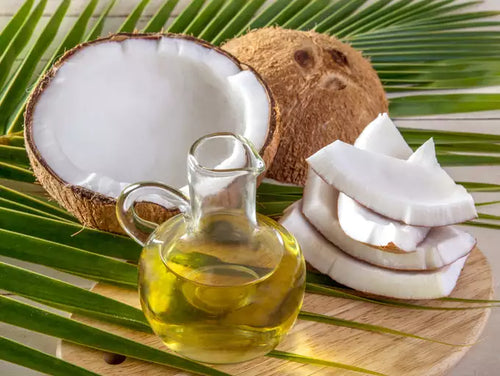
Crude Coconut Oil (CNO)
Crude Coconut Oil is extracted from copra using industrial expeller presses without subsequent refining. CNO is yellowish-brown and contains high levels of free fatty acids and moisture. It is not suitable for direct human consumption. Instead, CNO serves as a vital raw material for the production of bio-lubricants, fatty acids, industrial soaps, bio-fuels, and animal feed formulations. It represents a major segment of bulk marine shipments.
Optimizing Your Coconut Oil Distribute Channel for B2B Success
For international buyers, establishing a direct and transparent Coconut Oil Distribute Channel is the single most effective way to optimize procurement costs, guarantee product traceability, and secure year-round supply stability. Historically, the agricultural export market was fragmented, with multiple layers of brokers and middle-tier trading entities inflating final prices and diluting product traceability.
By bypassing non-value-adding intermediaries, modern supply chain managers can negotiate directly with origin-based processors. Utilizing a reliable Coconut Oil Distribute Channel managed by established export facilitators like VIHABA guarantees that your shipments conform strictly to pre-agreed specifications. Importers can refer to the comprehensive coconut oil wholesale commercial sourcing guide to further understand how to successfully conduct quality audits, negotiate raw material pricing, and navigate international marine shipping terms such as FOB (Free on Board) and CIF (Cost, Insurance, and Freight).
A well-optimized distribution channel focuses on three core pillars: geographical diversification of supply, strict cold-chain and dry-chain logistical monitoring, and digitized documentation. Integrating these systems reduces custom clearance delays at destination ports and prevents quality degradation during transit across different climatic zones.
International Quality Standards and Export Specifications
Global trade in agricultural commodities is governed by strict regulatory frameworks. Importers must ensure that their supplier’s products comply with international food safety and phytosanitary regulations. Standard certifications include ISO 22000, HACCP (Hazard Analysis Critical Control Point), Halal, Kosher, USDA Organic, and EU Organic standards.
To help procurement teams evaluate product quality, the table below outlines the standard chemical and physical specifications for the three major commercial grades of coconut oil traded in global markets:
| Product Quality Parameter | Virgin Coconut Oil (VCO) | Refined, Bleached, Deodorized (RBD) | Crude Coconut Oil (CNO) |
|---|---|---|---|
| Moisture and Volatile Matter | Maximum 0.10% | Maximum 0.10% | 1.00% – 2.00% |
| Free Fatty Acids (as Lauric Acid) | Maximum 0.10% | Maximum 0.08% | 3.00% – 5.00% |
| Peroxide Value (meq/kg oil) | Maximum 3.00 | Maximum 1.00 | Maximum 10.00 |
| Iodine Value (g I2 / 100g) | 5.00 – 11.00 | 7.50 – 10.50 | 7.50 – 11.00 |
| Saponification Value (mg KOH/g) | 250 – 268 | 250 – 264 | 248 – 264 |
| Lauric Acid C12 Content (%) | 48.0% – 53.0% | 45.0% – 52.0% | 45.0% – 51.0% |
| Appearance and Odor | Water clear, mild fresh coconut scent | Colorless, completely odorless | Yellowish-brown, strong characteristic odor |
These specifications act as a baseline for contract negotiations. High-quality exporters provide a Certificate of Analysis (CoA) for every single batch shipped, ensuring that the oil delivered matches the agreed-upon standards.
Export Packaging and Logistics in the Supply Chain
Logistical management is a vital determinant of the final landed cost and quality of imported coconut oil. Because coconut oil has a melting point of approximately 24 degrees Celsius (75 degrees Fahrenheit), it alternates between solid and liquid states depending on ambient climate conditions. This physical characteristic requires distinct logistical strategies depending on the destination port.
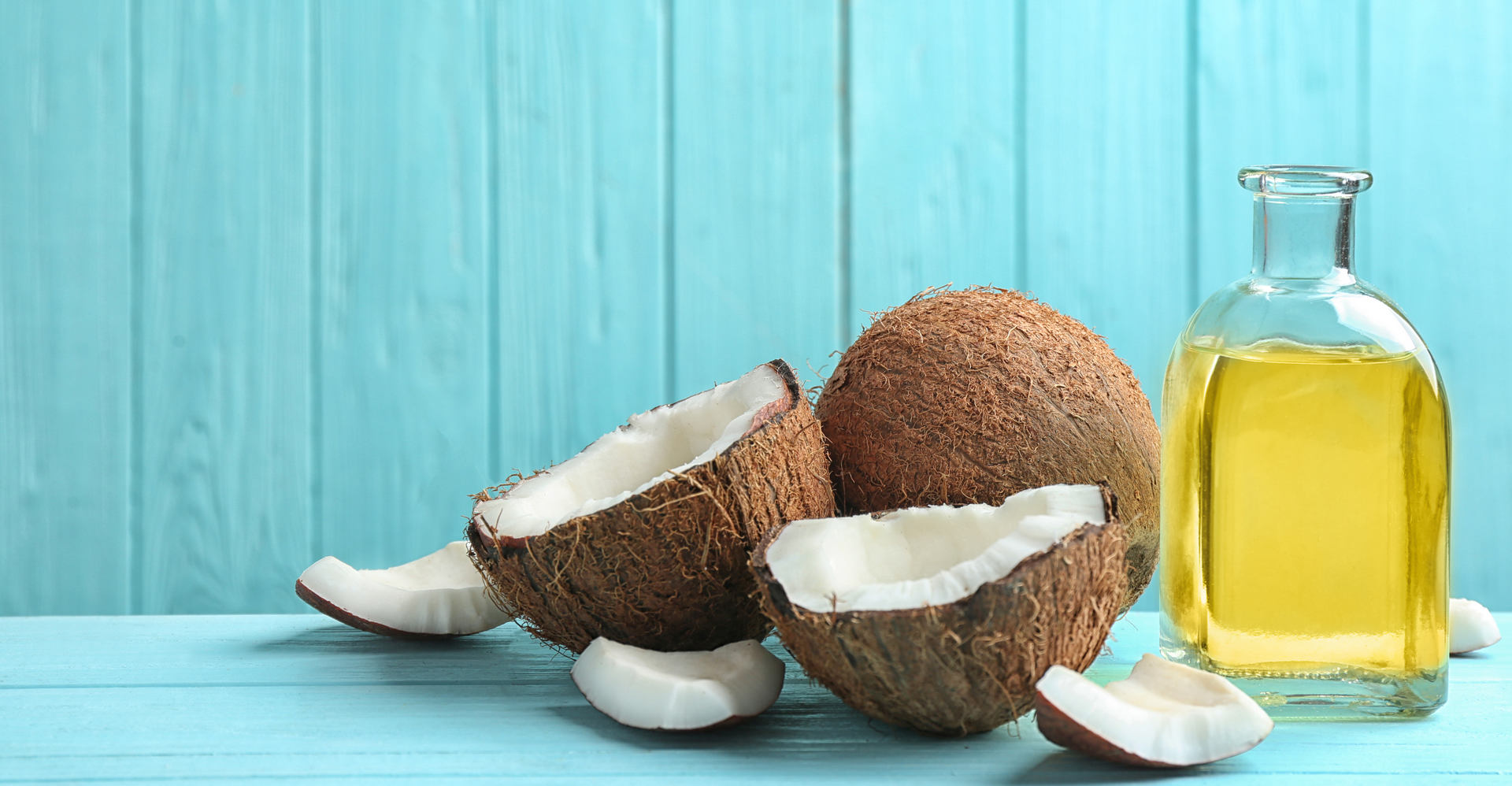
Exporters utilize several standardized packaging configurations to accommodate different B2B buyers:
- Flexitanks: Capable of holding between 20,000 to 24,000 liters of bulk oil within a standard 20-foot container. Flexitanks represent the most cost-effective bulk shipping method for food-grade and industrial buyers. For shipments destined for cold climates, heating pads must be installed beneath the flexitanks to melt the solidified oil at the destination port prior to pumping.
- IBC Totes: Intermediate Bulk Containers holding 1,000 liters. These are ideal for medium-sized manufacturing plants that require ease of handling and localized storage without massive pumping infrastructure.
- Steel or HDPE Drums: Standard 200-liter drums are widely utilized for both food and cosmetics manufacturing. They are highly durable, easy to stack, and protect the oil from oxygen and light exposure.
- Retail-Ready Packaging: For distributors selling directly to retail brands or supermarkets, direct-from-origin packing is highly advantageous. Options include premium glass jars, PET bottles, or plastic tubs, packed and labeled under OEM/Private Label agreements.
Conclusion: Partnering with VIHABA for Agriculture Export Excellence
Establishing a highly competitive and secure Coconut Oil Distribute Channel is a multifaceted process that requires profound agricultural insights, stringent quality control protocols, and expert logistical execution. From harvesting premium coconuts in Vietnam’s rich Ben Tre province to processing and packaging under certified international standard environments, every step of the supply chain impacts your business’s bottom line.
As a leading agricultural exporter, VIHABA is committed to bridging the gap between direct-from-origin Vietnamese farms and global B2B buyers. By optimizing your Coconut Oil Distribute Channel with VIHABA, you gain access to direct manufacturer pricing, customized packaging solutions, transparent traceability, and unparalleled customer service. Contact our global trade specialists today to secure your custom commercial sourcing quotation and elevate your ingredient supply chain to new heights of excellence.