
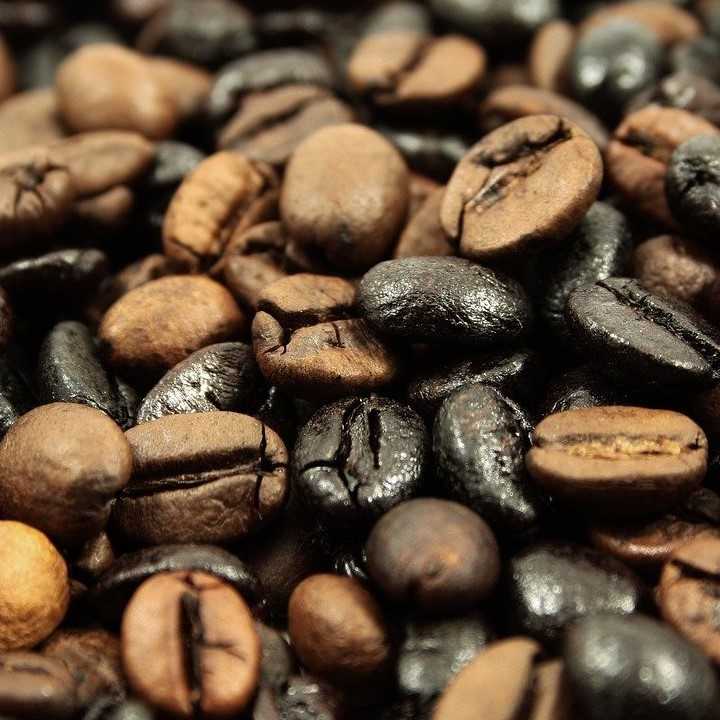
Establishing a resilient and highly efficient Roasted Coffee Beans Distribute Channel is paramount for global B2B buyers, importers, and roasters seeking to secure premium agricultural commodities in today’s competitive beverage industry.
As global demand for high-quality coffee continues to surge, establishing direct-from-origin relationships has transitioned from a competitive advantage to an absolute necessity. Vietnam, as the world’s second-largest coffee producer and undisputed leader in Robusta cultivation, represents the cornerstone of modern coffee sourcing strategies. For international distributors, bulk buyers, and coffee brands, understanding the mechanics of a reliable origin-based supply chain is the key to unlocking consistent quality, price stability, and robust supply lines.
This comprehensive guide explores the complexities of the global coffee supply chain, highlighting the critical cultivation regions of Vietnam, strict international quality standards, state-of-the-art processing techniques, and the steps required to build a highly optimized distribution system with VIHABA.
Table of Contents
- Understanding the Global Roasted Coffee Beans Distribute Channel
- Global Coffee Market Overview and the Role of Vietnam
- Key Cultivation Regions in Vietnam: Origin Matters
- Processing and Roasting Methods: Defining Quality
- Sourcing Dynamics Within the Roasted Coffee Beans Distribute Channel
- Technical Specifications and Quality Standards
- Sustainability, Compliance, and International Certifications
- Packaging, Preservation, and Export Logistics
- How VIHABA Optimizes Your Roasted Coffee Beans Distribute Channel
- Frequently Asked Questions
- Conclusion
Understanding the Global Roasted Coffee Beans Distribute Channel
The traditional global coffee trade has long relied on fragmented supply chains characterized by multiple intermediaries. Green coffee was typically exported from producing nations, only to be roasted and packaged thousands of miles away in consuming nations. However, modern B2B buyers are driving a structural shift toward sourcing finished, roasted-at-origin products. Developing a direct-to-origin link through a structured Roasted Coffee Beans Distribute Channel minimizes intermediary costs and preserves quality.
By shifting the roasting process closer to the cultivation source, international brands can dramatically reduce logistics complexities, lower carbon footprints, and support local farming communities. A well-optimized channel ensures that coffee is roasted, packaged under modified atmosphere packaging (MAP), and exported directly from origin, ensuring maximum freshness upon arrival. This direct-distribution framework eliminates the holding times in regional warehouses that frequently degrade the delicate aromatics of premium roasted beans.
Global Coffee Market Overview and the Role of Vietnam
The global beverage industry is experiencing a massive evolution, characterized by a growing appreciation for specialty coffees and premium single-origin blends. Vietnam stands at the forefront of this transformation. Historically recognized for high-volume green Robusta exports, Vietnam has successfully climbed the value chain. Today, the nation is globally recognized for its state-of-the-art roasting facilities, sustainable farming initiatives, and premium-grade Arabica and Robusta varieties.
For B2B buyers, Vietnam offers unparalleled price competitiveness, large-scale production capacities, and highly favorable trade agreements (such as the EVFTA). Sourcing directly from Vietnamese roasting facilities allows distributors to acquire premium coffee at lower FOB (Free on Board) costs compared to traditional Western roasting hubs, resulting in healthier profit margins and more agile supply responses to fluctuating market demands.
Key Cultivation Regions in Vietnam: Origin Matters
Understanding Vietnam’s diverse microclimates and terroir is essential for choosing the correct flavor profiles for your target market. Vietnamese coffee cultivation is concentrated in highly distinct regions, each contributing unique sensory profiles to the beans:
- Dak Lak (Buon Ma Thuot): Widely acclaimed as the “Coffee Capital of Vietnam,” this region features rich red basaltic soil and consistent dry and rainy seasons. It is the premier origin for premium Robusta, characterized by bold body, low acidity, and deep, chocolatey notes.
- Lam Dong (Da Lat): Situated at elevations exceeding 1,500 meters above sea level, Lam Dong offers a cool, temperate climate ideal for cultivating premium Arabica. The beans harvested here—such as Catimor and Typica—display complex acidity, sweet floral aromas, and a refined clean finish.
- Gia Lai and Dak Nong: These regions produce exceptional high-yield Robusta and Arabica blends, benefitting from abundant natural water sources and modern sustainable farming methods.
For a deeper dive into wholesale procurement strategy, reference our roasted coffee beans bulk wholesale sourcing guide which outlines cost-optimization tactics and contract negotiation structures.

Processing and Roasting Methods: Defining Quality
The transition from a raw coffee cherry to a pristine roasted bean requires meticulous processing and controlled roasting. The quality within any distribution channel relies on three primary processing pathways:
1. Fully Washed (Wet Process)
Commonly applied to premium Arabica and specialty Robusta. The cherry pulp is completely removed before fermentation, resulting in a highly clean cup, bright acidity, and distinct floral or fruit notes. This process requires precise water management and high-grade pulping machinery.
2. Honey Process (Semi-Washed)
A portion of the natural mucilage (honey) is left on the parchment during the drying phase. This allows the sugars to penetrate the bean, creating a balanced cup with natural sweetness, medium acidity, and a creamy mouthfeel.
3. Natural Process (Dry Process)
The entire coffee cherry is dried under the sun on raised beds. This traditional method, when executed under strict QA controls, produces intense, fruit-forward flavors, full body, and rich sweetness, highly favored in modern espresso blends.
Roasting Mastery
Roasting is both an art and a science. Utilizing advanced drum roasters with automated profile logging, roast masters carefully control heat transfer (conduction and convection) to develop optimal flavors. Roast levels are carefully calibrated to client specifications:
- Light Roast: Preserves origin-specific acidity, floral notes, and delicate fruit characteristics.
- Medium Roast: Offers a harmonious balance of acidity, sweetness, and body, showcasing caramelization.
- Dark Roast: Emphasizes rich, smoky, chocolatey notes with heavy body and minimal acidity, perfect for traditional espressos.
Sourcing Dynamics Within the Roasted Coffee Beans Distribute Channel
Establishing an international Roasted Coffee Beans Distribute Channel involves navigating complex supply chain logistics, customs regulations, and quality preservation protocols. Unlike green coffee, roasted coffee is a finished, consumable product that is highly sensitive to environmental factors such as oxygen, light, heat, and moisture.
To mitigate these risks, professional B2B importers must partner with exporters that offer comprehensive supply chain visibility. This includes securing flexible Incoterms (such as FOB, CIF, or CFR), utilizing modern ocean freight carriers with reliable transit times, and ensuring that custom clearances at both departure and arrival ports are handled with meticulous documentation (Bills of Lading, Phytosanitary Certificates, Certificates of Origin, and Customs Declarations).

Technical Specifications and Quality Standards
To guarantee uniformity across large-scale commercial shipments, roasted coffee must conform to strict physical and chemical parameters. The following data table details the export specifications maintained within our distribution networks:
| Parameter | Premium Robusta (Grade 1 – Screen 18) | Premium Arabica (Grade 1 – Screen 16/18) | Standard Verification Method |
|---|---|---|---|
| Moisture Content | Maximum 12.0% | Maximum 12.0% | ISO 6673 / Halogen Moisture Analyzer |
| Defect Rate (by weight) | Maximum 2.0% | Maximum 1.5% | SCAA / TCVN 4193 standards |
| Screen Size (Mesh) | Min 90% on Screen No. 18 (7.1mm) | Min 90% on Screen No. 16/18 | ISO 4150 / Graduated Sieve Shakers |
| Foreign Matter | 0.0% (Absolute zero metal/stones) | 0.0% (Absolute zero metal/stones) | Optical Sorter & Magnetic Separator |
| Roast Uniformity | +/- 2 Agtron Units across batch | +/- 2 Agtron Units across batch | Agtron Near-Infrared Spectrophotometer |
| Packaging Barrier | Multi-layer ALU/PET/PE with valve | Multi-layer ALU/PET/PE with valve | FDA Food-Grade Certification |
Sustainability, Compliance, and International Certifications
In the modern B2B market, transparency and sustainability are not optional—they are strictly enforced. Consumers and governments alike demand absolute clarity regarding environmental impact and ethical labor practices. For European and North American buyers, compliance with the European Union Deforestation Regulation (EUDR) is highly critical, requiring exporters to prove that coffee was not sourced from deforested land.
VIHABA addresses these requirements by enforcing rigorous farm-to-cup traceability. We actively work with farmers who implement GlobalGAP, UTZ/Rainforest Alliance, and Fairtrade practices. Furthermore, our roasting and processing facilities strictly adhere to ISO 22000 and HACCP food safety management systems, ensuring that every shipment is safe, legal, and compliant with local import authorities worldwide.
Packaging, Preservation, and Export Logistics
Roasted coffee begins to degrade the moment it leaves the roasting chamber if it is not protected from oxygen exposure. Oxygen causes the volatile aromatic oils inside the bean to oxidize, leading to stale flavors and aromas. Therefore, cutting-edge packaging technology is a fundamental requirement of any high-performing distribution chain.

We utilize premium, high-barrier laminates—typically combining aluminum foil, polyethylene (PE), and polyester (PET)—to block out UV light and moisture. Each bag is fitted with a one-way degassing valve. This valve is crucial because freshly roasted coffee naturally releases carbon dioxide (CO2) for several days. The valve allows this gas to escape without allowing oxygen to enter the bag.
For large-scale bulk distribution, we offer nitrogen flushing (Modified Atmosphere Packaging), which replaces residual oxygen inside the bag with inert nitrogen gas, extending shelf-life to over 18 months without sacrificing the original roast profile. Shipping containers are packed with industrial desiccant bags to prevent moisture condensation during sea voyages.
How VIHABA Optimizes Your Roasted Coffee Beans Distribute Channel
VIHABA is uniquely positioned to streamline your procurement process, offering an end-to-end B2B supply solution that bridges the gap between Vietnamese coffee farms and your international distribution warehouses. By integrating every stage of the supply chain, we eliminate unnecessary steps, reduce transaction costs, and maintain total quality control.
When you partner with VIHABA, you gain access to:
- Direct Farm-Sourcing: We maintain long-term partnerships with farmers in Dak Lak and Lam Dong, securing the finest green beans at stable, fair-trade prices.
- Customizable Roasting Profiles: Our state-of-the-art roasting plant can replicate or develop proprietary roast profiles tailored to your target market’s preferences.
- Private Label & OEM Packaging: We provide full-service private labeling, allowing you to import retail-ready roasted coffee packaged in your brand’s unique designs.
- Complete Logistics & Compliance Management: From export customs declaration to international sea freight booking, our dedicated export team handles all documentation seamlessly.
Conclusion
Building a resilient, high-yield coffee brand or distribution business requires more than just sourcing raw ingredients; it demands a sophisticated, highly optimized supply chain that guarantees consistent quality, absolute regulatory compliance, and cost efficiency. By partnering with an experienced exporter like VIHABA, you gain access to a fully transparent, trace-certified, and highly efficient Roasted Coffee Beans Distribute Channel that guarantees the finest Vietnamese Arabica and Robusta reaches your destination in pristine condition.
Let VIHABA handle the complexities of origin-based sourcing, processing, and logistics so you can focus on expanding your market share. Contact our agricultural export specialists today to receive a customized quote, request product samples, or discuss your private label roasting requirements.