
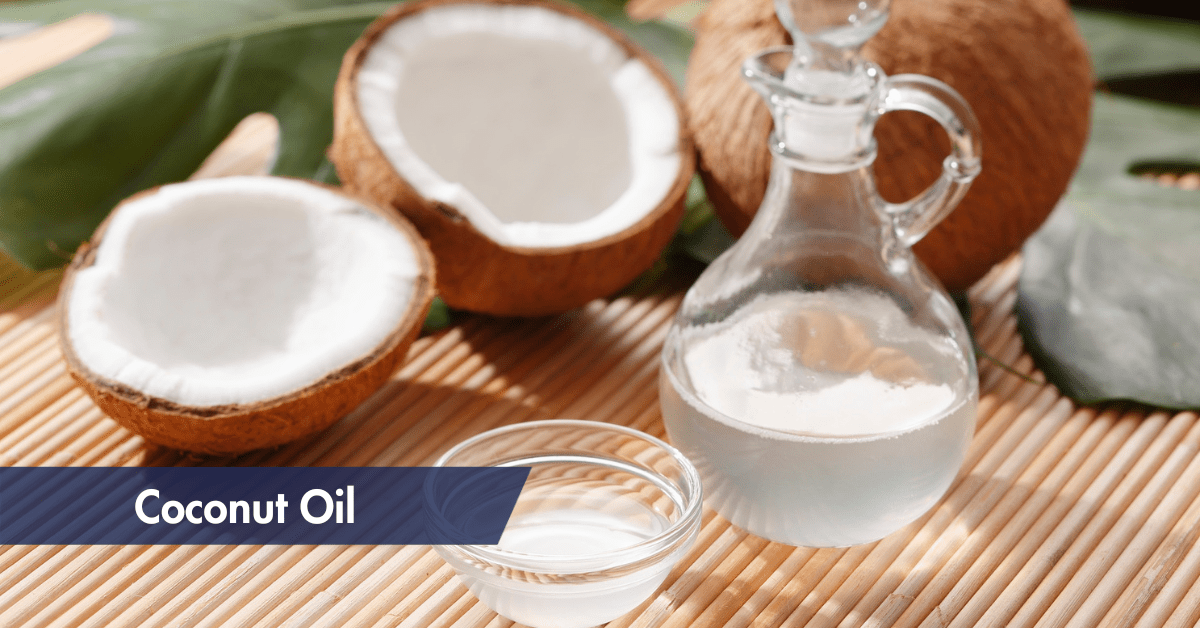
The shift in consumer preferences towards functional fats and whole-food ingredients presents a significant opportunity for distributors and B2B clients in the food service and manufacturing sectors. Virgin coconut oil, particularly the virgin, cold-pressed variety, stands out as a versatile and nutrient-dense alternative to traditional cooking oils. Understanding its high smoke point, rich flavor profile, and nutritional benefits is essential for effectively integrating Virgin coconut oil into diverse culinary applications.
The Undeniable Advantages of Cooking with Virgin Coconut Oil
High-quality Virgin coconut oil is an excellent cooking medium that enhances both the nutritional value and the sensory experience of prepared foods. Its unique composition of Medium-Chain Triglycerides (MCTs) and Vitamin E offers a clear advantage.
1. Superior Heat Stability and Smoke Point
Virgi Coconut oil is predominantly composed of saturated fats, giving it remarkable stability under high heat. This stability makes it suitable for various cooking methods, unlike many polyunsaturated oils that oxidize easily when heated.
- Ideal for High-Heat Applications: The robust nature of Virgin coconut oil means it resists breaking down during frying, searing, or baking, maintaining its structural integrity and preventing the formation of harmful free radicals. This positions it as a safer choice for daily cooking needs.
 2. Nutritional Enhancement and Functional Benefits
The inclusion of coconut oil elevates the nutritional profile of any dish.
- MCTs for Energy and Metabolism: The MCTs in coconut oil are rapidly absorbed and converted into energy, offering a quick metabolic boost that appeals to health-conscious consumers. Incorporating coconut oil into meals or beverages provides sustained vitality.
- Essential Nutrients: Virgin coconut oil retains Vitamin E and other beneficial compounds, adding essential micronutrients to the final product.
3. Rich Flavor and Texture
The naturally creamy, slightly sweet, and aromatic flavor of high-quality coconut oil enhances both sweet and savory dishes, providing a distinct advantage over neutral or bland oils.
- Enhanced Palatability: Its subtle richness and texture contribute a desirable mouthfeel to baked goods, sauces, and beverages, significantly improving customer satisfaction
Versatile Applications: Integrating Coconut Oil in the Kitchen
Virgin coconut oil’s adaptability allows for seamless substitution of conventional oils across numerous culinary categories, expanding product development potential.
Cooking and Baking
- Frying, Sautéing, and Roasting: Use coconut oil as a direct replacement for standard vegetable or seed oils when frying vegetables, sautéing meats, or roasting root vegetables. Its high heat tolerance ensures consistent results.
- Baking Excellence: Substitute solid fats like butter or shortening with coconut oil in recipes for cakes, cookies, and muffins. This adds superior moisture retention and a delightful flavor depth to baked goods.
Sauces, Dressings, and Blended Beverages
- Dressings and Mayonnaise: Its texture and flavor make coconut oil an excellent base for emulsified sauces, dressings, and homemade mayonnaise, providing a unique tropical twist.
- Smoothies, Soups, and Curries: Blend coconut oil into smoothies or yogurt for an added richness and dose of MCTs. In savory cooking, use it as the base for creamy soups or authentic Thai and Indian curries, lending a signature richness.
Creative Uses
- Coffee and Tea: The popular “Bulletproof” style beverage market utilizes coconut oil (specifically the MCTs) stirred into coffee or tea, offering a creamy texture and an enhanced energy boost.
- Perfecting Rice: Adding a teaspoon of coconut oil when cooking rice improves the texture and may increase its resistance to digestion (forming resistant starch), a subtle health benefit.
Quality Assurance: Selecting the Right Coconut Oil
For B2B partners, product quality is paramount. It is crucial to source and distribute the correct type of coconut oil.
- Prioritize Extra Virgin Coconut Oil (EVCO): EVCO is extracted using the cold-pressed method without chemical refining. This process preserves the natural flavor, aroma, and full spectrum of nutrients, making it the safest and most beneficial choice for consumption.
- Distinguish Quality: Ensure products carry organic certifications or explicitly state “cold-pressed” or “virgin.” Avoid refined coconut oils, which often use chemical processes and may lack the beneficial components and pure flavor profile of the virgin product.
In summary, sourcing certified, cold-pressed virgin coconut oil offers a significant competitive advantage by aligning your product offerings with the consumer demand for functional, high-quality, and versatile cooking fats.
Elevate your product formulations and food service menu with premium, high-heat stable coconut oil.
Contact our us today to explore bulk contracts for certified Extra Virgin Coconut Oil and secure this essential ingredient for culinary excellence.