As the world enters 2026, the international spice and fruit-processing industry faces a transformative period as environmental shifts reshape traditional supply chains. For B2B buyers and wholesale distributors, understanding how climate change affects production is no longer optional—it is a strategic necessity.
In Vietnam, a global leader in the export of tropical goods, the desiccated coconut sector is actively adapting to unprecedented ecological pressures. From saltwater intrusion in the Mekong Delta to shifting harvest cycles, the journey of these dried tropical goods from farm to factory now requires more resilience than ever. This report explores the current market dynamics and the proactive measures taken within Vietnamese agriculture to ensure a stable supply for global trade.
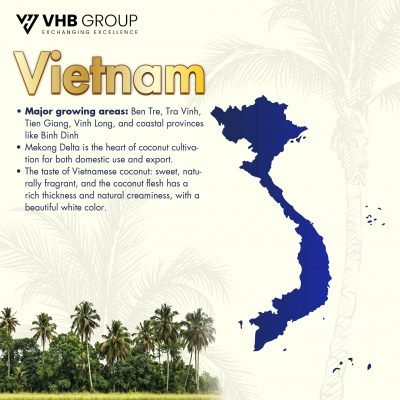
How Climate Change Redefines Desiccated Coconut Production
The primary challenge facing the tropical fruit sector today is the shortage of raw materials driven by extreme weather. In the heart of Vietnam’s major growing regions, saltwater intrusion has become a significant hurdle. Rising sea levels push saline water deep into inland provinces, altering the soil chemistry that palm groves rely on. While these trees possess a natural tolerance to some salinity, excessive salt levels hinder fruit-bearing capabilities. Consequently, the volume of high-quality nuts available for processing has fluctuated, causing ripples throughout the wholesale supply chain.
Furthermore, prolonged droughts and intense heatwaves have extended the natural growing cycle. A typical 10-month harvest now often stretches to 13 months. This delay creates a “supply lag” for manufacturing facilities, leading to temporary capacity reductions. For export partners, this means that product availability requires more advanced planning. Stressed trees also become more vulnerable to pests like the Brontispa longissima beetle, which further threatens the yield of raw materials. Despite these hurdles, the industry is far from stagnant; it is evolving through innovation and government-backed resilience.

Adaptation Strategies in the Desiccated Coconut Supply Chain
To maintain a steady supply flow for global trade, the industry is implementing Climate-Smart Agriculture (CSA). Farmers now prioritize water conservation and the planting of drought-resistant varieties specifically chosen for future production. These botanical advancements ensure that even as environmental shifts intensify, the quality and fat content of the final goods remain consistent with international B2B standards.
Interestingly, some sectors of agriculture are diversifying their output. While fruit yields may face pressure, some farmers are shifting toward nectar harvesting, which continues even when salinity prevents fruit bearing. However, for this specific commodity sector, the most significant support comes from the government. By designating the crop as a “key industrial necessity,” the state has unlocked investment for resilient farming. This policy ensures that these tropical products remain a cornerstone of the nation’s trade economy, providing bulk buyers with long-term security.
Sustainability: The Future of the Desiccated Coconut Market
Sustainability is now a core requirement in global trade, and the tropical fruit sector is leading the way. One hectare of these plantations can sequester 70–75 tons of annually. This environmental benefit makes the product a “green” choice for eco-conscious food manufacturers. The industry is also moving toward organic farming and established value chains to stabilize farmer incomes, ensuring that the supply remains uninterrupted by socio-economic shifts.
For B2B buyers, the inventory of 2026 is a product of deep processing and high added value. Industry associations are even researching taxes on raw nut shipments to prioritize domestic processing. This move protects the local sector from raw material drains, ensuring that processed goods are always available for international partners. When you source from this region, you are supporting an industry that balances profit with planetary health.
Secure Your Desiccated Coconut Inventory with VHB Group
At VHB Group, we understand that environmental shifts create uncertainty in the international ingredient sector. However, our deep integration with local farming communities allows us to mitigate these risks effectively. We provide our business partners with transparent data on crop yields and harvest forecasts. Our products meet the highest purity and moisture standards, ensuring your production lines run smoothly regardless of external ecological pressures.
By choosing us as your sourcing partner, you gain access to a resilient supply chain that prioritizes quality and sustainability. We offer flexible trade contracts that protect your business from price volatility. Let us help you navigate the complexities of the 2026 landscape with confidence and expertise.
Future-Proof Your Desiccated Coconut Sourcing
Are you concerned about how climate change might affect your coconuut supply in the coming quarters? VHB Group is here to provide the stability your business needs.
Contact VHB Group today to discuss our climate-resilient desiccated coconut supply options and secure a customized wholesale quote for your 2026 requirements!