
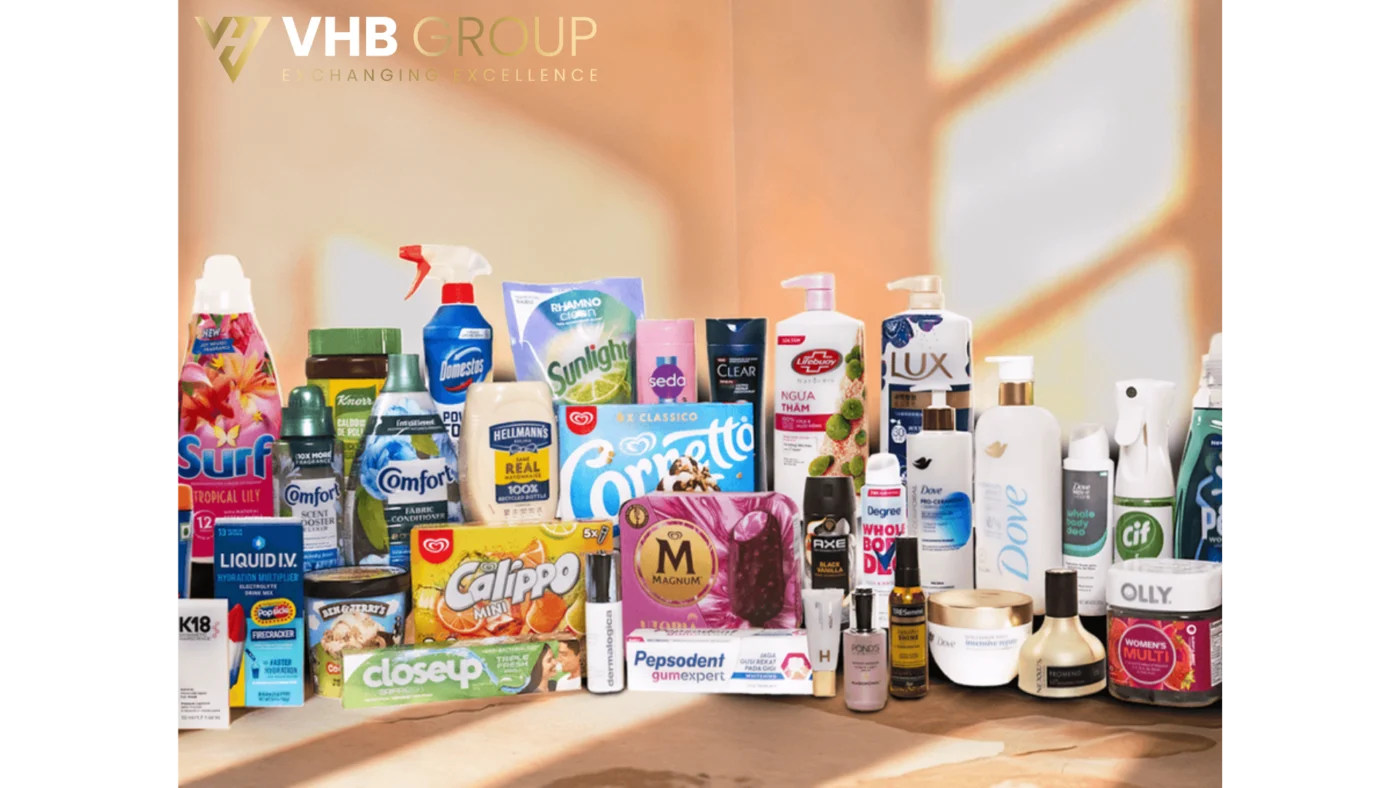
In the fast-paced, highly complex world of Fast-Moving Consumer Goods (FMCG), the landscape has shifted fundamentally. As we navigate the global and local market realities of 2026, corporate success is no longer measured solely by market share, sheer volume of goods moved, or profit margins. Today, industry leadership is intrinsically tied to environmental impact and climate action. When it comes to purpose-driven innovation and earning household trust across the globe, one brand consistently stands out as the ultimate standard-bearer: Unilever.
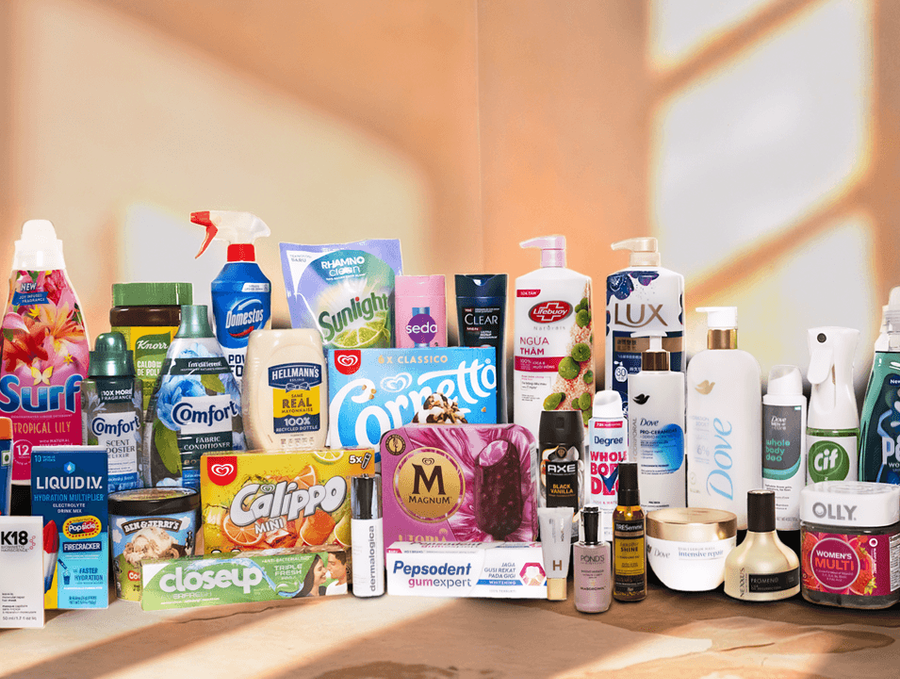
However, even the most innovative green products cannot save the planet if the supply chain delivering them is heavily polluting. At VHB (Vihaba) Group, we firmly believe that a logistics company’s greatest achievement is found in the sustainable legacy of the clients it serves. We are incredibly proud of our role as a primary Unilever sustainable distribution partner.
Through this alliance, we witness firsthand how their unyielding commitment to what we at VHB Group call “Green Partnerism” is redefining exactly what it means to be an eco-conscious brand today. We have moved far beyond the traditional vendor-client relationship, opting instead to build a synergistic, environmentally unified ecosystem that drives mutual growth, decarbonizes the supply chain, and protects the communities we serve.
The Paradigm Shift: Becoming a Unilever Sustainable Distribution Partner
For decades, the standard FMCG distributor model was simple, linear, and heavily carbon-reliant: move mass quantities of products from a central warehouse to a retail shelf as cheaply and quickly as possible. The environmental cost of idle trucks, inefficient routing, and excessive packaging was rarely calculated. However, in today’s climate-conscious landscape, the bridge between a world-class product and the end consumer must be built on trust, eco-agility, and a shared environmental vision. Traditional, carbon-heavy logistics models are now entirely obsolete.
Enter Eco-Partnerism—VHB Group’s core operational philosophy that transforms standard supply chain logistics into deep, sustainable alliances.
For VHB Group, acting as a Unilever sustainable distribution partner means we do not just move boxes; we actively decarbonize supply chains. We operate as a seamless extension of Unilever’s brand, acting as a single, environmentally unified entity. By merging our deep-rooted, localized green logistics expertise with Unilever’s massive global climate strategies, we ensure that essential daily products reach consumers precisely, efficiently, and with the absolute lowest possible ecological footprint.
Unilever: Leading the Global Charge in FMCG Sustainability
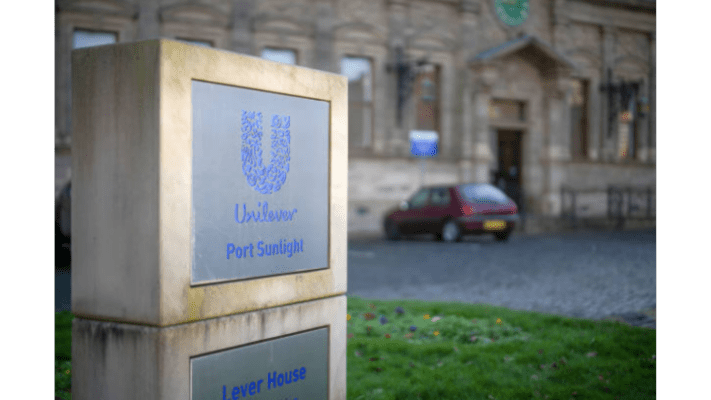
Unilever has proven time and time again that a massive, multinational enterprise can simultaneously be a highly profitable business and a powerful, leading force for planetary good. By balancing high-performance commercial growth with an aggressive, non-negotiable commitment to reaching net-zero emissions across their entire value chain, they have fundamentally changed the face of the global FMCG industry.
Our partnership is built upon supporting, accelerating, and locally executing these core Unilever pillars:
-
Brands with a Strict Eco-Mission: Unilever does not just manufacture products; they engineer environmental solutions. Whether it is Dove’s massive commitment to 100% sustainable and recycled packaging, Lifebuoy’s innovative water-saving hygiene formulas, or Hellmann’s aggressive global push against food waste, Unilever’s expansive portfolio is built from the ground up on environmental and social purpose. As a trusted logistics ally, VHB Group ensures these product innovations retain their eco-integrity from the factory door to the consumer’s hands.
-
The Circular Economy Vision: Unilever’s relentless drive to eliminate virgin plastic waste and transition to a fully circular economy challenges the entire global supply chain to evolve rapidly. VHB Group is deeply honored to align our warehousing and reverse logistics operations with their vision for a zero-waste future. We actively participate in packaging recovery, recycling initiatives, and the safe return of reusable materials within the local market.
-
Radical Transparency and Traceability: In 2026, modern consumers demand to know exactly where their products come from, how they were transported, and how they impact the earth. Unilever’s focus on tracing the environmental footprint of every single product ensures that shoppers are empowered to make green choices without compromising on quality, efficacy, or hygiene. Our transparent data reporting feeds directly into this consumer promise.
The Green Logistics Heartbeat: Choosing VHB Group as a Unilever Sustainable Distribution Partner
While Unilever provides world-class sustainable product innovation, VHB Group provides the localized, green logistics heartbeat required to make those products accessible to millions. Handling the complex, high-volume portfolios of a global titan requires operational maturity and a supply chain infrastructure that operates at the absolute pinnacle of modern environmental standards.
Here is exactly how our commitment to Green Partnerism actively reduces the carbon footprint of Unilever’s operations, solidifying our status as a premier Unilever sustainable distribution partner:
1. Carbon-Optimized Logistics and Route Mapping
We have engineered a specialized, highly efficient technological infrastructure that allows us to manage Unilever’s vast product portfolio while actively minimizing fuel consumption and greenhouse gas emissions. Utilizing advanced AI-driven Distribution Management Systems (DMS) and dynamic route optimization software, we systematically eliminate empty miles, reduce truck idling times, and ensure that our delivery fleets operate at maximum capacity and maximum fuel efficiency. Every route is calculated not just for speed, but for minimal carbon output.
2. Conquering the Eco-Friendly Final Mile
The “final mile” of distribution is notoriously the most carbon-intensive phase of any supply chain. VHB Group takes the global environmental vision of Unilever and translates it into localized reality. We are continuously transitioning our fleets toward greener alternatives, utilizing optimized urban routing, investing in electric vehicles (EVs) and hybrid trucks where local infrastructure permits, and consolidating delivery schedules. This ensures products reach the end consumer with the lowest possible environmental impact, even in highly congested urban centers.
3. Waste-Free Warehousing Solutions
A green supply chain requires exceptionally green storage. Leveraging VHB Group’s advanced, climate-controlled inventory management systems, we drastically reduce product spoilage, expiration, and secondary packaging waste. We employ strict First-In, First-Out (FIFO) and First-Expired, First-Out (FEFO) protocols. By minimizing warehouse energy consumption—incorporating smart lighting, efficient cooling, and optimized spatial footprints—we ensure Unilever’s products maintain their sustainable integrity throughout their entire lifecycle in our facilities.
Sustainability is only effective if it can be accurately measured and reported. By seamlessly integrating our local logistics data directly with Unilever’s global ESG analytics dashboards, we create a powerhouse of green efficiency. This total transparency allows both organizations to accurately track Scope 3 emissions (indirect emissions that occur in the value chain), measure our carbon reduction progress in real-time, and make agile strategic pivots that benefit both the market and the environment.
A vital component of Unilever’s global mission is ensuring that sustainable living is commonplace and accessible to everyone, everywhere—not just those living in major metropolitan areas. This requires a distribution partner with deep, capillary reach across incredibly diverse and complex retail landscapes.
From sprawling, bustling urban hypermarkets and modern convenience stores (Modern Trade) to the highly fragmented network of independent rural neighborhood grocers and traditional tạp hóa stalls (General Trade), VHB Group’s expansive distribution network guarantees that Unilever’s health, hygiene, and nutrition products are never out of reach.
Navigating the General Trade sector is particularly complex, as it involves delivering to thousands of small-scale, family-run shops. We empower these local retailers with just-in-time inventory, ensuring that even the most remote communities have access to sustainable, purpose-driven products. By optimizing our delivery frequencies to these smaller outlets, we prevent the burden of overstocking for the shop owner while simultaneously reducing the carbon footprint of our delivery fleets.
Unshakeable Environmental Integrity & Trust
Managing the globally recognized, highly competitive portfolio of a giant like Unilever necessitates absolute data governance and flawless, brand-specific execution. It requires a partner that operates with unshakeable environmental integrity.
Unilever trusts VHB Group to represent their distinct eco-conscious interests with complete transparency. Whether we are adapting to sudden, rapid shifts in consumer demand for eco-friendly household goods or scaling our logistics operations to support major, purpose-driven marketing campaigns, our sustainable infrastructure is built for maximum flexibility. As a dedicated Unilever sustainable distribution partner, we provide critical, real-time feedback from the retail frontlines. This helps identify localized sustainability trends, empowering the brand to make highly informed, agile decisions that resonate with the modern, eco-conscious shopper.
Looking Ahead: The Future of Eco-Distribution
The future of the Fast-Moving Consumer Goods industry unquestionably belongs to those who embrace deep collaboration to protect our planet. As consumer expectations evolve and the urgency of the climate crisis grows, the supply chain must be a site of constant innovation.
As VHB Group continues to grow, scale, and expand its operational footprint, our core philosophy of sustainable Partnerism will remain our unshakable foundation. We are incredibly proud to stand shoulder-to-shoulder with global titans, acting as a premier Unilever sustainable distribution partner. Together, we are taking ambitious, global green visions and transforming them into tangible, local, eco-friendly realities—one retail shelf, one delivery route, and one community at a time.
Here’s to forging stronger, greener alliances, driving mutual sustainable growth, reducing our collective carbon footprint, and confidently leading the future of eco-conscious distribution.
Frequently Asked Questions (FAQ): VHB Group & Unilever’s Distribution Operations
1. What does it mean to be a Unilever sustainable distribution partner? Being a Unilever sustainable distribution partner means VHB Group acts as a fully integrated logistics extension of Unilever. Rather than operating under a standard, transactional vendor relationship, we utilize the “Eco-Partnerism” model. This means we align our localized supply chain operations, green warehousing protocols, and sophisticated Distribution Management Systems (DMS) directly with Unilever’s global strategic and environmental KPIs, specifically their targets for reducing carbon emissions.
2. How does VHB Group practically support Unilever’s global net-zero targets? We focus on tangible, measurable supply chain efficiencies that directly impact the environment. Practically, this involves utilizing advanced AI route optimization software to drastically reduce our delivery fleet’s mileage and fuel consumption. Furthermore, we implement rigorous, data-driven inventory controls within our distribution centers to prevent overstocking, eliminate product spoilage, and reduce secondary packaging waste, directly supporting Unilever’s global zero-waste initiatives.
3. Why is supply chain sustainability such a core requirement for FMCG brands? Global brands operate under some of the strictest global ESG commitments in the corporate world, which includes a highly aggressive roadmap to achieving net-zero emissions across their entire value chain. Because global distribution and logistics (Scope 3 emissions) make up a massive portion of any FMCG company’s overall carbon footprint, they absolutely require local partners like VHB Group to actively manage, report, and reduce these downstream emissions.
4. Which specific retail channels does VHB Group cover for Unilever products? Our comprehensive distribution network spans the entire retail spectrum to ensure maximum market penetration. This includes the Modern Trade (MT) sector, which covers major national supermarkets, hypermarkets, and convenience store chains. Equally important, we specialize in the highly fragmented General Trade (GT) sector, guaranteeing that essential products successfully reach traditional, independent neighborhood stores, wet markets, and local tạp hóa retailers sustainably.
5. How is data utilized to manage vast inventory sustainably? Data is the lifeblood of green operations. We rely on real-time point-of-sale data, advanced predictive analytics, and automated demand forecasting models. By closely and continuously monitoring sell-through rates at the individual retail level, we effectively eliminate out-of-stock (OOS) scenarios, optimize warehouse capacity, prevent product obsolescence, and ensure that manufacturing cycles align perfectly with actual, localized market demand—preventing the carbon waste of over-production.
6. Why do global FMCG companies rely on localized distributors like VHB Group instead of handling logistics internally? Navigating complex, localized retail landscapes—especially in regions heavily dominated by highly fragmented General Trade markets—requires highly specialized, on-the-ground infrastructure and cultural intelligence. Brands partner with VHB Group to leverage our established, localized green logistics network, our rapid market adaptability, our deep relationships with local retailers, and our strict, unwavering compliance with global corporate sustainability standards.
Unilever Distribution FAQ