I. The Strategic Intersection of Cultural Moments and Retail Velocity
The international consumer landscape is currently undergoing a period of profound commercial transformation, driven by the convergence of hyper-connected digital demographics and the massive, synchronized waves of interest generated by global sporting spectacles. As we navigate the 2026 football tournament cycle, brands are confronted with an unprecedented window of opportunity to engage consumers emotionally through highly targeted, theme-driven product offerings. FMCG event logistics sector, in particular, achieves peak performance only when organizations successfully translate the shared, infectious enthusiasm of a global audience into immediate, high-velocity retail shelf presence before the tournament window expires.
Through the sophisticated, multi-tiered distribution infrastructure of VHB Group and its specialized trade subsidiaries like M-Pacific Import Export JSC, enterprise brands are uniquely positioned to navigate the daunting complexities of cross-border market entry. A prime example of this operational agility is the coordinated market rollout of the new Peelerz Football Celebration Mix, produced by the global confectionery leader, Amos candy. This themed product is not merely a commodity; it is a meticulously engineered experiential offering. By leveraging an interactive, multi-sensory confectionery design, the brand delivers a snacking experience tailored specifically for match-day viewings, social watch parties, and regional celebrations.
Deconstructing the complete logistical blueprint behind this product launch reveals the critical frameworks driving modern, event-driven retail success. It is a process that requires the absolute alignment of manufacturing throughput, maritime logistics, regulatory compliance, and localized retail activation. By evaluating these technical supply chain paradigms through a professional distribution lens, corporate leaders can build robust, resilient retail networks capable of managing high-demand product drops. This analysis outlines the exact structural, operational, and technical mechanisms required to handle short-window inventory pipelines without introducing excessive structural or financial risk. Through this thorough, comprehensive breakdown, we chart the core logistical vectors that ensure successful execution when expanding commercial footprints into highly competitive trade channels.
II. Strategic Agility and the Event-Driven Corporate Mandate
Maximizing the financial returns of major international sporting events requires a structured, inflexible logistical framework capable of handling highly compressed promotional timelines. Successful campaigns are never accidental; they rely heavily on a deeply optimized strategy for FMCG event logistics, ensuring that inbound product volumes align with mathematical precision to peak consumer cultural interest. When corporate leaders prioritize this structured alignment, they effectively protect their revenue streams from sudden market fluctuations while simultaneously capturing the exceptional consumer premiums that exist only before post-event market contractions occur.
1. Cultivating Consumer Engagement via Participatory Formats
The introduction of the Peelerz Football Celebration Mix represents a paradigm shift in the confectionery sector by turning standard consumption into a participatory, interactive event. Featuring unique, peelable gummy skin shapes that mimic the iconic imagery of trophies, soccer jerseys, and footballs, this specialized Amos candy line is designed to capture immediate attention on the most crowded of retail shelves.
This physical novelty acts as a potent, autonomous marketing engine, provoking viral social media sharing, peer-to-peer recommendation loops, and high-frequency repeat customer purchases throughout the tournament weeks. To properly extract maximum value from this consumer intrigue, distributors must establish direct placement networks that span both large-scale modern hypermarkets and traditional merchant counters. The product’s innovative architecture—featuring real fruit juice components packaged within clear, vibrant, football-themed graphics—commands a distinct premium price point. Aligning this packaging innovation with a highly synchronized distribution cadence ensures steady sales velocity from the tournament’s opening whistle to the final match.
2. Structural De-risking of Transient Inventory Cycles
While event-themed product launches generate significant margins during the peak tournament dates, they inherently introduce substantial downstream clearance risks once the final match concludes. If supply chain pipelines remain overstocked post-event, the resulting clearance markdown costs can rapidly dissolve the accumulated profit margins of an entire quarter. Therefore, an effective distribution architecture demands granular volume control and strict, data-driven forward-allocation protocols.
-
Pre-Booked Allocation Quotas: By securing guaranteed, unalterable volume commitments from regional retail partners prior to the product even touching the port, the enterprise eliminates the liability of unallocated port inventory.
-
Dynamic Supply Ceasing: Implementing hard, automated cut-off dates for international production orders is the most effective way to prevent mid-transit supply overflows as the event nears completion.
Managing this delicate balance between absolute market availability and aggressive risk mitigation is what differentiates elite distribution enterprises from conventional logistics firms. M-Pacific handles this challenge smoothly by structuring tight, transparent agreements with international suppliers, ensuring that import cadences adapt in real-time to observed market consumption rates. This calculated risk steering underpins the broader, long-term stability of the entire supply chain footprint supported by the VHB Group.
III. The High-Velocity Distributed Warehouse Network

Transporting sensitive, temperature-dependent confectionery items across international maritime and terrestrial lines requires a highly synchronized physical and digital infrastructure. The enterprise operations team coordinates global sourcing flows with a network of localized, fast-delivery fulfillment centers. This framework ensures that high-demand seasonal candies move from the import docks to retail shelves without experiencing any degree of structural degradation or logistical delay.
-
Climate-Controlled Storage Matrix: Venture-grade, temperature-monitored warehouse facilities are designed to maintain a consistent environment, preventing the melting or deformation of delicate, gelatin-based peelable gummies, even during the most extreme summer months.
-
Cross-Dock Fulfillment Hubs: Strategic processing facilities located at the peripheries of major metropolitan centers that rapidly sort inbound bulk sea freight directly into regional delivery vehicles, bypassing the need for long-term storage hold-ups.
-
B2B Wholesale Portals: Highly accessible, secure virtual commerce platforms, integrated with automated communication tools, allowing retail wholesale buyers to instantly place restocking orders based on their own real-time inventory depletion.
-
Dynamic Inventory Routing Systems: Computational mapping engines that calculate the fastest delivery pathways, mitigating urban traffic delays, construction road closures, and localized congestion to guarantee perfect product shelf presence before the biggest matches of the season.
The infrastructure is not merely a collection of buildings and trucks; it is a unified technological ecosystem. Each node in the warehouse network is programmed to prioritize velocity, ensuring that product dwell time is kept to the absolute minimum. When goods arrive at a cross-dock hub, the goal is to have them back on the road in less than six hours. This level of efficiency is the hallmark of modern FMCG event logistics.
IV. Brand Architecture and Targeted Product Categorization
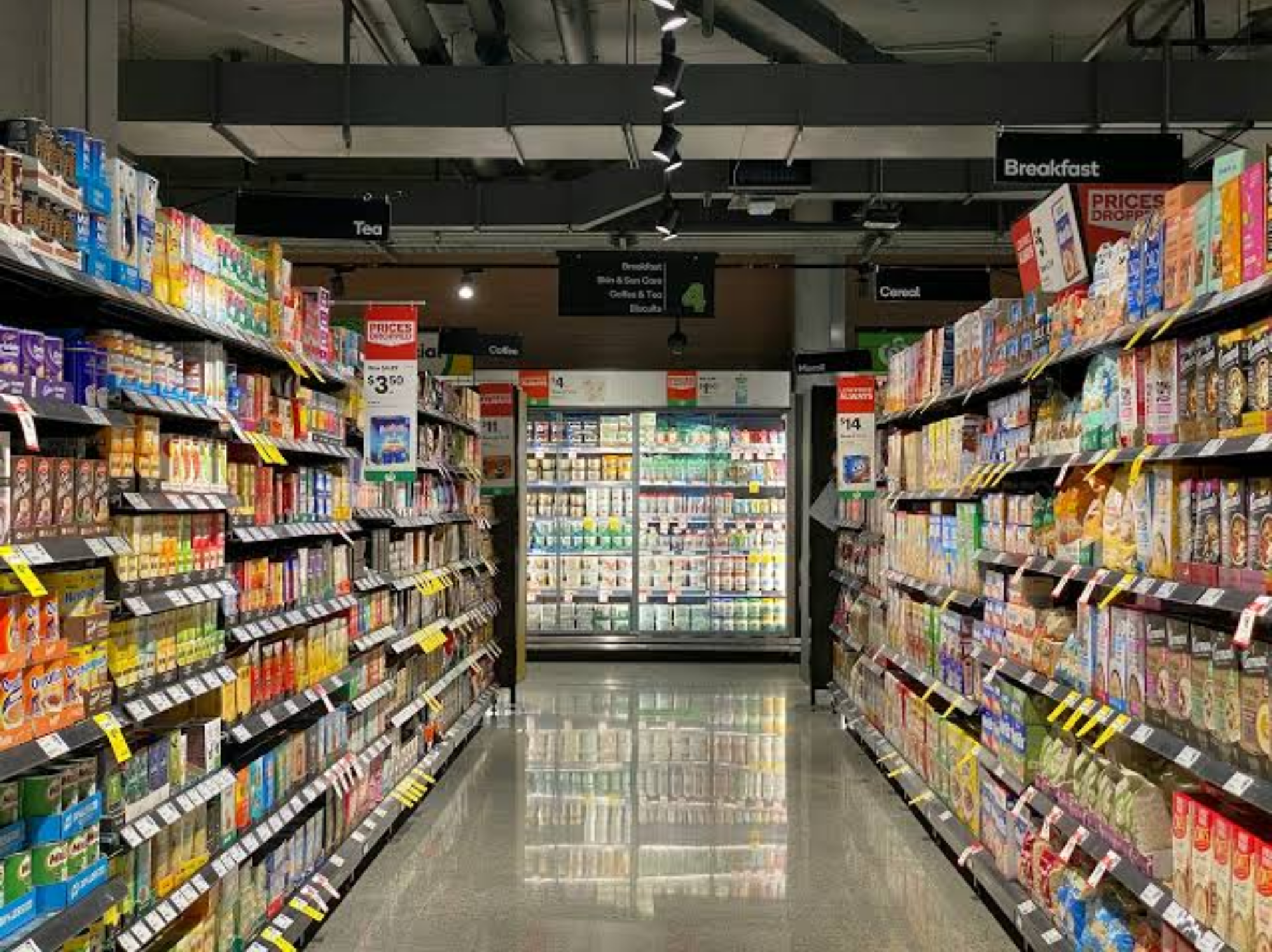
The structural integrity of a modern confectionery portfolio relies on a balanced, multi-tier category architecture which addresses diverse consumption occasions—ranging from daily basic snacks to high-end, premium seasonal items. Within a comprehensive framework engineered for FMCG event logistics, items are classified according to their behavioral appeal, texture profiles, and structural format novelties. This meticulous grouping enables targeted, high-precision merchandising campaigns, ensuring that products land directly in front of their primary buyer demographics.
1. Experiential Confectionery Systems
The cornerstone of the current seasonal arrival is the experiential architecture built into the Amos Peelerz line. Unlike conventional candies, these gummies invite consumers to actively participate in the consumption process by peeling away an outer, fruit-flavored layer to reveal a smooth inner core. This multi-sensory mechanism elevates the product from a simple snack into an entertaining activity, perfectly matching the festive, high-energy psychological state of football fans during the World Cup.
2. Flavor Curation for Massive Fan Demographics
To match the diverse, energetic atmosphere of the tournament, the Football Celebration Mix organizes its product selection into targeted flavor arrays. Each distinct pouch variation features specific, research-backed blends curated to satisfy localized consumer preferences:
-
Strawberry and Orange Mixes: A classic, high-appeal sweet profile engineered to capture the dominant market volumes across standard family and child demographics.
-
Strawberry, Apple, and Blueberry Trios: A complex, tangy combination engineered specifically for impulse, soccer-themed multi-packs to maximize visual shelf presence.
-
Raspberry and Apple Duos: A sharp, refreshing flavor match developed for younger, trend-driven consumer groups looking for modern, intense taste sensations.
3. Sustainable Packaging Formats
Recognizing the global paradigm shift toward ecological accountability, the product lines utilize highly optimized 65g stand-up pouch architectures. This specific size metric is intentionally calibrated to serve as a perfect single-serving shareable option for match viewings, while drastically reducing the total plastic waste overhead per kilogram of candy. The durable tear-notch designs also serve a dual purpose: protecting internal product freshness during transit while simultaneously minimizing commercial spoilage rates.
V. Cross-Functional Human Capital and Market Logistics

Behind the immense physical scale of the enterprise lies an advanced human resource framework designed to cultivate global digital competency and cross-functional operational agility. The organization realizes that advanced technology is only as effective as the specialized, trained workforce operating it; hence, it invests heavily in continuous internal upskilling, dedicated data analytical roles, and collaborative international trade centers. This human intelligence structure, frequently reviewed by expert editorial panels, empowers localized teams to execute rapid, data-informed market adjustments while maintaining absolute alignment with global strategic objectives.
-
International Compliance Auditors: These regulatory specialists, operating from central corporate offices in Hanoi, Vietnam, are responsible for auditing complex ingredient profiles and packaging labels to ensure full, seamless alignment with regional food safety standards.
-
Experiential Retail Specialists: These field activation teams are tasked with the artistic and functional construction of high-impact, football-themed point-of-sale displays that maximize in-store visibility and drive impulse purchases.
-
Agile Supply Coordinators: These highly skilled business development managers orchestrate high-volume procurement agreements with international manufacturers, using their industry knowledge to secure premium regional exclusivity.
By fostering a culture of ownership, M-Pacific ensures that every link in the chain—from the compliance officer in Hanoi to the delivery driver in a distant province—understands the urgency and the objective of the event logistics mission.
VI. Connected Technical Systems and Inventory Informatics
Operational efficiency at scale requires an advanced, unified technical systems architecture that modernizes conventional, fragmented distribution channels into highly optimized, data-driven smart networks. The deployment of the Connected Logistics Program functions as an operational masterpiece completely aligned with the underlying technology requirements of the parent group. This technical framework bridges operational tracking systems with cloud-based enterprise networks, providing real-time, granular visibility across the entire import lifecycle.
1. Automated Warehouse Tracking Matrices
The foundation of the smart warehousing setup is an integrated inventory tracking system that monitors environmental conditions and stock positions continuously. Automated sensor nodes track micro-climate variations across storage bays, preventing the thermal degradation of delicate peelable gummies. This real-time data flow allows logistics managers to automatically adjust HVAC parameters, protecting product quality throughout long-term storage cycles.
2. Predictive Point-of-Sale Replenishment Loops
To prevent costly, brand-damaging out-of-stock scenarios, the company employs automated inventory tracking connected directly to major retail points of sale. When store inventory levels drop past predetermined, AI-set statistical margins, the system automatically triggers warehouse pick-and-pack sequences. This predictive fulfillment mechanism ensures that consumer match-day demand is always met without maintaining excess, high-risk overhead.
3. Cloud-Based Inbound Shipping Visibility
International freight tracking is managed through a synchronized transit dashboard that aggregates data from ocean carriers and customs brokers. This centralized platform provides corporate logistics teams with automated alerts regarding port delays, processing milestones, or weather-induced transit re-routing. Having instant, centralized visibility into inbound shipping arrays allows corporate planners to continuously calibrate downstream retail delivery windows with extreme precision.
VII. Supply Chain Forensics and Multi-Modal Sourcing Reserves
Modern distribution frameworks operate within an environment of constant logistical uncertainty. To insulate seasonal campaigns from external shocks, enterprise logistics teams utilize advanced supply chain forensics to identify structural vulnerabilities before they impact retail shelves. By continuously analyzing past shipping delays, customs clearance windows, and container availability trends, the company builds proactive contingency paths that bypass traditional maritime logjams.
This predictive risk tracking is particularly critical for short-window product arrivals like the Peelerz Football Celebration Mix. By mapping multi-modal transit options—including air-freight corridors and fast-track overland trucking loops—the company guarantees product availability even during sudden maritime disruptions. This deep operational oversight protects retail partners from inventory deficits, confirming the structural depth of an operational platform built for FMCG event logistics under corporate trade guidelines. It is the difference between a reactive supply chain that fails under pressure and a proactive one that thrives in adversity.
VIII. Cognitive Forecasting and Real-Time Demand Optimization
The integration of artificial intelligence across the enterprise footprint has revolutionized how the company forecasts market volume requirements for seasonal consumer goods. By processing real-time social media sentiment, tournament ticket sales data, and regional historical consumption trends, the system builds highly accurate demand models. This cognitive approach reduces reliance on historical guesswork, allowing the enterprise to tailor its procurement volumes to match immediate, volatile cultural enthusiasm.
Beyond simple volume forecasting, cognitive tools optimize localized promotional targeting across digital platforms and retail channels. AI algorithms analyze regional consumer densities and purchasing behaviors to generate hyper-customized promotional campaigns, significantly increasing digital marketing conversion rates. By automating consumer analytics, corporate marketers ensure that promotional spend is dynamically directed toward high-yield channels, maintaining brand engagement and driving consistent volume velocity. This is not just automation; it is the intelligence-led optimization of trade.
IX. Intelligent Freight Allocation and Local Carrier Routing
Moving large quantities of temperature-sensitive confectionery across highly congested urban areas requires a sophisticated transport framework. Distribution planners optimize fleet operations by running algorithmic routing software that continuously calculates delivery sequences based on live traffic data, tournament road closures, and warehouse capacities. This automated routing system dynamically balances delivery loads, lowering transport overhead while maximizing daily container drop-off metrics.
This logistical precision enhances retail partnerships by minimizing delivery window variances, ensuring that stores receive fresh inventory exactly when needed. Integrated warehouse management systems coordinate directly with delivery fleets, staging outbound orders based on vehicle routing layouts to maximize loading efficiency. The resulting logistical synergy maintains a continuous, stable product flow from central hubs to high-traffic retail shelves. It is this final mile—the moment when the goods arrive at the store—that defines the success of the entire, months-long logistics journey.
X. Understanding the Emotional Drivers of Experiential Snacking
The contemporary consumer goods landscape is witnessing a structural shift as modern shoppers increasingly favor experiential, interactive snacks over standard food options. Snacking is no longer viewed merely as a source of basic sustenance; it has become an emotional reward and a form of social engagement. The Peelerz candy line addresses this shifting psychology directly by introducing a playful, tactile component that turns consumption into an immersive, shared match-day event.
Furthermore, the unique atmosphere of international sporting events magnifies this desire for shared consumer experiences. By aligning its product offerings with these deep psychological drivers, the enterprise helps global brands establish deep, lasting consumer connections that extend far beyond the tournament’s final whistle. Understanding that a candy purchase is an emotional transaction is the secret to unlocking brand loyalty that lasts for years, not just tournament seasons.
XI. Chronological Deployment Blueprint: The Tournament Product Rollout Case Study
To understand the practical deployment of an enterprise product launch, it is valuable to examine the structured market introduction plan built for the Amos Peelerz line. This rollout program was designed to transition an innovative confectionery concept from overseas manufacturing facilities into millions of domestic households within a highly compressed timeframe. Management initiated this major distribution investment by scoping specific baseline data performance metrics across selected key metropolitan markets before scaling operations nationally.
The case study of this commercial deployment demonstrates how the organization effectively pairs logistics speed with targeted consumer marketing to achieve immediate retail dominance. Rather than rushing inventory into unstructured channels, executive leadership organized the product rollout across three disciplined operational phases designed to capture early market attention, maximize pipeline velocity, and protect profit margins. This systematic execution blueprint provides a model for any organization executing large-scale, event-driven marketing campaigns.
Phase 1: Pre-Tournament Allocation Strategy
-
Initial Pipeline Setup: Initiating operations four months prior to the opening match to finalize international factory orders and establish climate-controlled storage reserves.
-
Retail Pre-Commitments: Securing strict allocation contracts with major modern trade networks to guarantee immediate channel clearance upon product arrival.
Phase 2: High-Velocity Supply Scaling
-
Rapid Customs Corridors: Leveraging priority customs clearance credentials to fast-track inbound ocean containers through regional ports without handling delays.
-
Merchandising Deployment: Transporting retail-ready football display fixtures directly to high-traffic storefront zones to capture peak impulse consumer spend.
Phase 3: Tactical Winding-Down and Margin Protection
-
Fleet Replenishment Loops: Utilizing real-time point-of-sale informatics to route daily truck dispatches exclusively to high-performance urban store clusters.
-
Pipeline Clearance: Implementing a controlled cessation of factory orders as the tournament reaches its final brackets, ensuring complete inventory clearance and preventing post-event markdown deficits.
In summary, the strategic rollout of the Peelerz Football Celebration Mix underscores the capability of modern distribution architectures to manage complex, non-deterministic workflows without interrupting ongoing corporate operations. By pairing advanced cognitive tech with a rigorous emphasis on human-in-the-loop oversight, the corporation unlocked unprecedented logistical efficiencies, realizing a multi-million dollar reduction in annual operational overhead. This case study confirms that long-term enterprise resilience is achieved when autonomous implementations are treated as structured, human-centric evolutions rather than simple technical replacements.
XII. Securing Long-Term Commercial Advantage via Event Realignment

A successful market deployment of themed product lines demonstrates the immense value of a structured approach to event-based FMCG marketing. By aligning corporate vision with innovative, experiential products and supporting operations with advanced cloud logistics, the enterprise establishes a highly adaptable, margin-durable distribution framework. This complete synchronization ensures that the company remains uniquely positioned to capitalize on fast-moving consumer trends without taking on unsustainable operational overhead.
As the global consumer landscape continues to evolve under the influence of experiential demand, technological integration, and compressed product lifecycles, operational adaptability remains the definitive metric of commercial viability. The implementation of an operational model geared toward FMCG event logistics creates a self-sustaining cycle of optimization. Ultimately, by maintaining an absolute focus on execution excellence and consumer psychology, international partner networks continue to redefine the boundaries of trade success. The future of logistics is not just about moving goods; it is about moving them with the right intelligence, at the right time, to satisfy the exact moment of consumer demand. The companies that master this dynamic will define the next decade of global commerce.