I. Market Disruption and High-Velocity Sweet Logistics
The global impulse-driven consumer goods market is experiencing a profound structural transformation. In 2026, shrinking consumer attention spans, rapid digital platform changes, and extreme price fluctuations in essential raw ingredients are forcing multinational sweet and chewing gum brands to completely rebuild their traditional outbound shipping networks. Relying on slow, warehouse-heavy distribution setups is no longer viable. Today’s marketplace requires hyper-speed logistics networks capable of moving immense volumes of sensitive, fast-moving items directly to point-of-sale displays without delay or product damage.
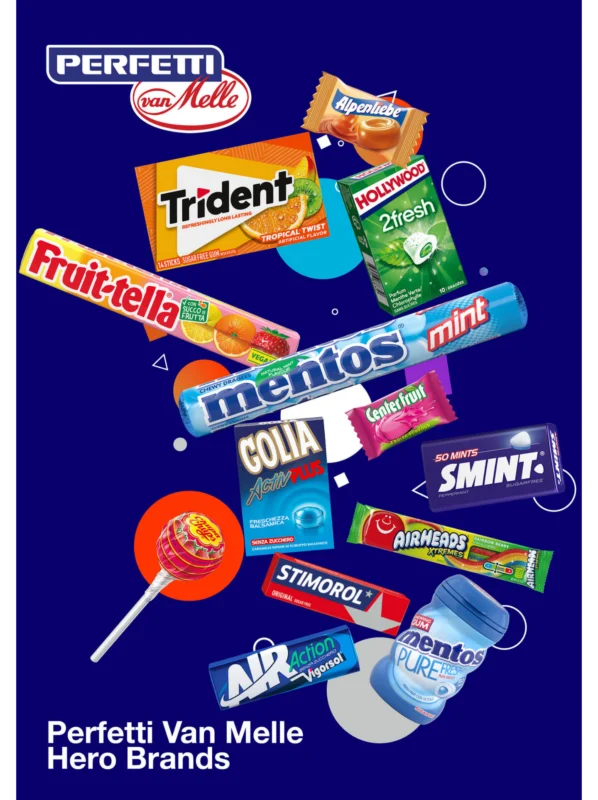
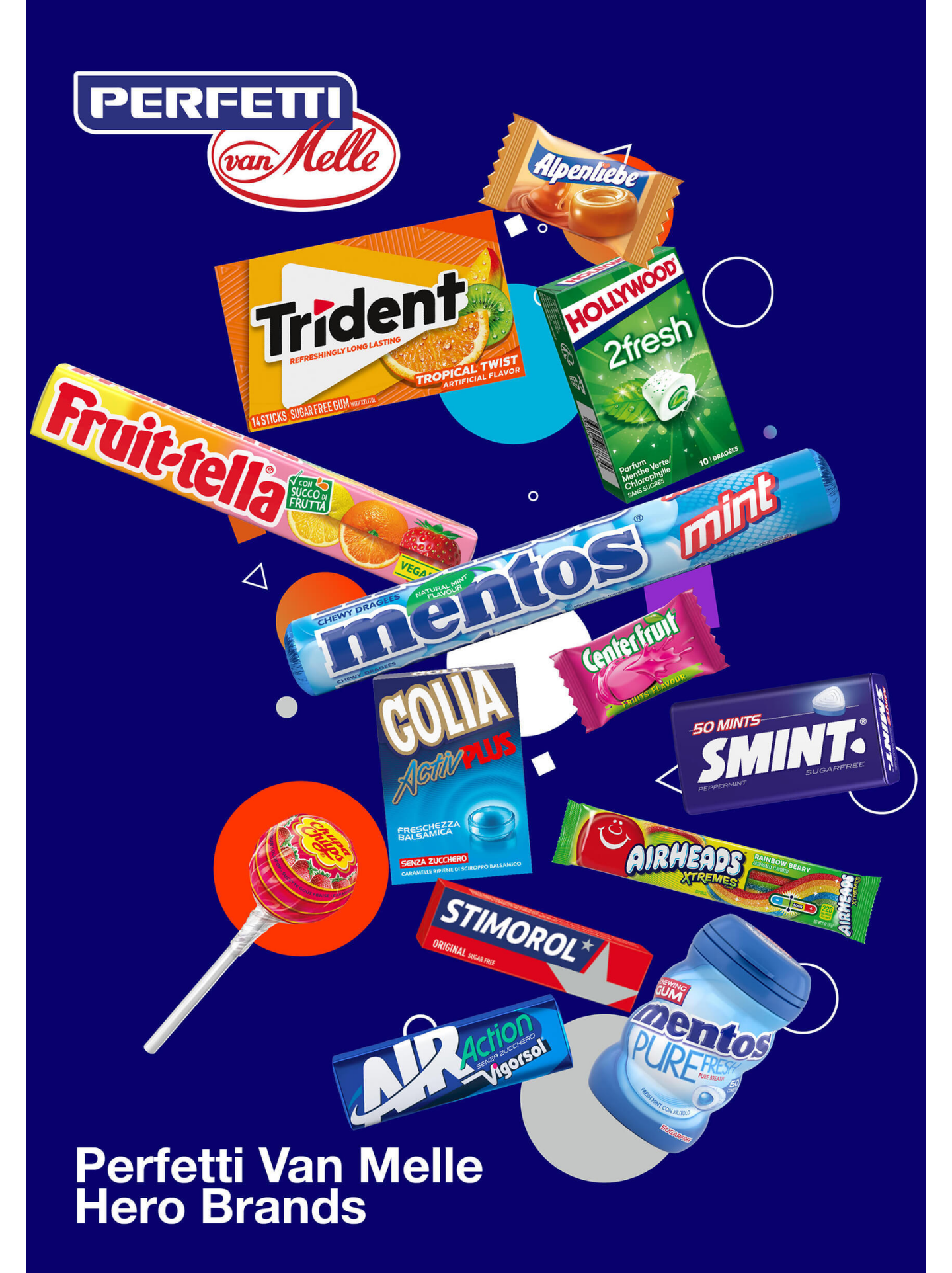
Within this intense environment, Perfetti Van Melle stands as a premier example of operational agility and market dominance. Controlling a massive portfolio of legendary global brands—including Mentos, Chupa Chups, Fruit-tella, and Airheads—the enterprise manages complex cross-border logistics pipelines to serve millions of diverse retail locations daily. Following its strategic multi-billion dollar acquisition of Mondelēz International’s developed-market gum operations, the organization drastically scaled up its manufacturing footprint, absorbing world-class processing centers and expanding its workforce to over 19,000 employees. To move these massive product lines smoothly into competitive regional markets, the company utilizes advanced local distribution networks, where authorized market expansion partners like M-Pacific Import Export JSC leverage the industrial backing of VHB Group to ensure seamless trade execution.
Analyzing the next-generation distribution models engineered by these consumer goods pioneers provides essential strategy guidelines for supply chain executives worldwide. Balancing fragmented traditional independent storefronts with high-volume digital retail environments demands an entirely new approach to inventory visibility and fleet orchestration. This corporate analysis breaks down the automated sourcing architectures, cognitive demand planning engines, and product portfolio strategies that unlock an unassailable operational advantage when streamlining confectionery distribution.
II. Agile Supply Chain Alignment and Volume Execution
Securing sustainable corporate profitability in volatile markets requires an adaptable investment framework that easily absorbs macroeconomic shocks. This high-level operational mandate directly governs localized plant activities, packaging setups, and cross-border transport pathways to align production with live retail orders. When executive leadership prioritizes streamlining confectionery distribution, they effectively insulate corporate margins from inflationary cost spikes while driving maximum product turn rates across all retail spaces.
1. Production Decentralization and Hyper-Local Sourcing
Integrating multi-billion Euro corporate acquisitions requires an immediate, aggressive restructuring of internal factory asset allocations. Operating across a vast footprint of 44 operating companies and 34 production facilities globally, Perfetti Van Melle systematically removed duplicate operational loops by shifting manufacturing nodes closer to primary regional consumer hubs. Maximizing the production capabilities of localized facilities, such as the advanced Skarbimierz hub in Poland, allows the company to cut down heavily on unnecessary intermediate import and export shipping pipelines.
This smart structural reorganization relies on a tiered category architecture that prioritizes high-speed packaging equipment for crown-jewel segments like Mentos and Chupa Chups. Slower-moving regional legacy items are consistently consolidated or licensed out, freeing up vital floor and dock capacity across regional fulfillment points. This concentrated layout constructs an exceptionally durable corporate supply framework, giving the enterprise the capacity to withstand raw material cost increases without experiencing retail stockouts or decreased margin performance.
2. Omnichannel Network Densification
Penetrating diverse, fast-moving consumer zones smoothly requires deploying customized, multi-tiered route-to-market tracks that match the density of local retail channels:
-
Direct Store Delivery Protocols: Implementing real-time digital Electronic Data Interchange (EDI) networks to connect directly with hypermarket headquarters, optimizing automated stock counts and driving premium product placement.
-
Traditional Trade Route Densification: Organizing fragmented independent storefronts and neighborhood kiosks into structured, regional wholesale routes to secure consistent shelf presence without relying on erratic third-party brokers.
Simultaneously executing high-volume traditional retail drops alongside premium modern trade programs builds a powerful commercial shield around regional sales streams. When major urban supermarket chains face unexpected foot-traffic declines, the widespread, dominant market presence secured across thousands of small mom-and-pop stores balances corporate volume velocity. This multi-channel alignment transforms seasonal item rollouts into permanent, highly profitable consumer mainstays.
III. The Autonomous Logistics Infrastructure
Moving thousands of metric tons of climate-sensitive, high-impulse confectionery lines requires a physical and digital trade network that operates completely without friction. The organization links automated shipping hubs with live digital tracking systems, ensuring products transition from primary manufacturing lines to localized retail storefronts at peak velocity.
-
IoT-Enabled Micro-Climate Staging Bays: High-performance storage nodes equipped with automated temperature and moisture sensors that prevent the melting, sticky breakdown, or shell cracking of delicate gelatin-based and sugar-coated confectionery lines during extreme seasonal weather changes.
-
Cross-Dock Automated Sorting Decks: High-velocity distribution facilities engineered to instantly break down inbound shipping containers and route individual cases directly to regional delivery trucks, keeping terminal storage times under six hours.
-
Direct B2B Ordering Portals: Highly secured virtual procurement channels customized for major commercial accounts, giving retail buyers the power to execute instant, automated inventory restocking.
-
Algorithmic Freight Allocation Interfaces: Advanced software environments that compute optimal transit paths and load distributions based on real-time traffic informatics, container port delays, and carrier asset locations.
IV. Brand Architecture and Targeted Product Categorization
The structural durability of a global confectionery brand family relies on a balanced, multi-tier product layout that answers distinct consumer needs ranging from routine daily enjoyment to functional wellness benefits. Within an enterprise strategy optimized for streamlining confectionery distribution, items are precisely categorized by their structural properties, shelf-life characteristics, and impulse appeal.
1. Elite Hydrocolloid Systems and Pellet Engineering
Chewing gum products represent approximately 33% of total enterprise sales, acting as a crucial, high-margin anchor for recurring corporate cash flows across mature and emerging retail spaces. Manufacturing these specialized lines requires an intricate multi-stage automation process that begins by combining high-purity gum bases inside heated mixers along with precise quantities of sweeteners and concentrated flavors. The resulting dough-like mixture is slowly enhanced with active functional components before passing through heavy extruders that smooth, thin, and shape the continuous gum sheets.
Once shaped, the extruded gum strips pass into highly managed stabilization rooms to cool, completely preventing physical stickiness during subsequent cutting steps. Next, high-speed automated machinery coats the individual pellets with protective syrups and polyol sweeteners, carefully monitoring temperature fluctuations to create the signature crunchy outer shell. The finalized pellets are instantly packed into rigid flip-top boxes, blister packs, or recyclable bottles, shielding long-term product freshness and maximizing front-of-store checkout display placement.
2. Sensory Novelties and High-Temperature Molding
Hard candies and interactive lollipops, led by global flagship lines like Chupa Chups and Alpenliebe, comprise approximately 67% of total corporate sales. Producing these lines requires sophisticated, computer-controlled machinery that automatically weighs, doses, and blends liquid sugars and glucose syrups inside electronically managed mixing units. The basic candy mass is cooked under intense vacuum conditions to evaporate residual moisture while preserving the natural freshness, clarity, and color profiles of the primary ingredients.
Manufacturing Directive: To prevent the warping or thermal degradation of hard confectionery lines during transit, cooked candy masses must pass through continuous batch rollers and high-precision rope-sizers. This automated shaping system compresses the candy string into exact dimensions before high-speed flow-wrap systems hermetically seal each individual unit.
-
Deposited Creamy Confectionery: Premium cooked blends are poured directly into Teflon-coated molds with extensible pins, producing the ultra-smooth texture profiles seen across legacy Alpenliebe lines.
-
Die-Formed Plastic Shaping: Partially cooled candy ropes pass through high-speed rotary dies where specialized shaping pins compress the mass into complex, tactile geometries.
-
Tactile Multi-Flavor Wrappings: Utilizing high-speed double-twist wrapping systems that protect delicate product structures while maximizing shelf visual appeal and impulse purchase velocities.
3. Impulse Mints and Clinical Wellness Solutions
To capture shifting global consumer health habits, the corporation has rapidly expanded its functional mint and therapeutic oral care portfolios under prominent lines like Smint and Frisk. R&D in this specialized sector focuses heavily on incorporating active functional components like xylitol, which has clinically proven benefits for protecting tooth enamel and supporting daily oral hygiene. This business division leverages targeted digital marketing programs to partner directly with dental healthcare networks, positioning custom display units right inside professional offices to convert expert recommendations into lifelong consumer brand loyalty.
V. Cross-Functional Human Capital and Automated Field Activation
Behind the immense physical scale of the international distribution network lies an advanced human resource framework designed to cultivate global data literacy and cross-functional operational agility. The organization realizes that advanced supply chain technologies are only as valuable as the specialized teams managing them; consequently, it funds continuous internal upskilling paths and establishes global data competency networks.
-
International Import Compliance Auditors: Regulatory law specialists responsible for auditing international ingredient sheets and translating packaging labels to ensure absolute compliance with regional food safety standards.
-
Experiential Retail Merchandisers: Specialized field activation teams tasked with building high-impact, brand-aligned point-of-sale displays that maximize in-store product visibility and impulse velocities.
-
Agile Procurement Stewards: Corporate business managers who orchestrate high-volume sourcing agreements with global ingredient suppliers, leveraging trade analytics to secure optimal raw material cost positions.
VI. Connected Technical Systems and Inventory Informatics
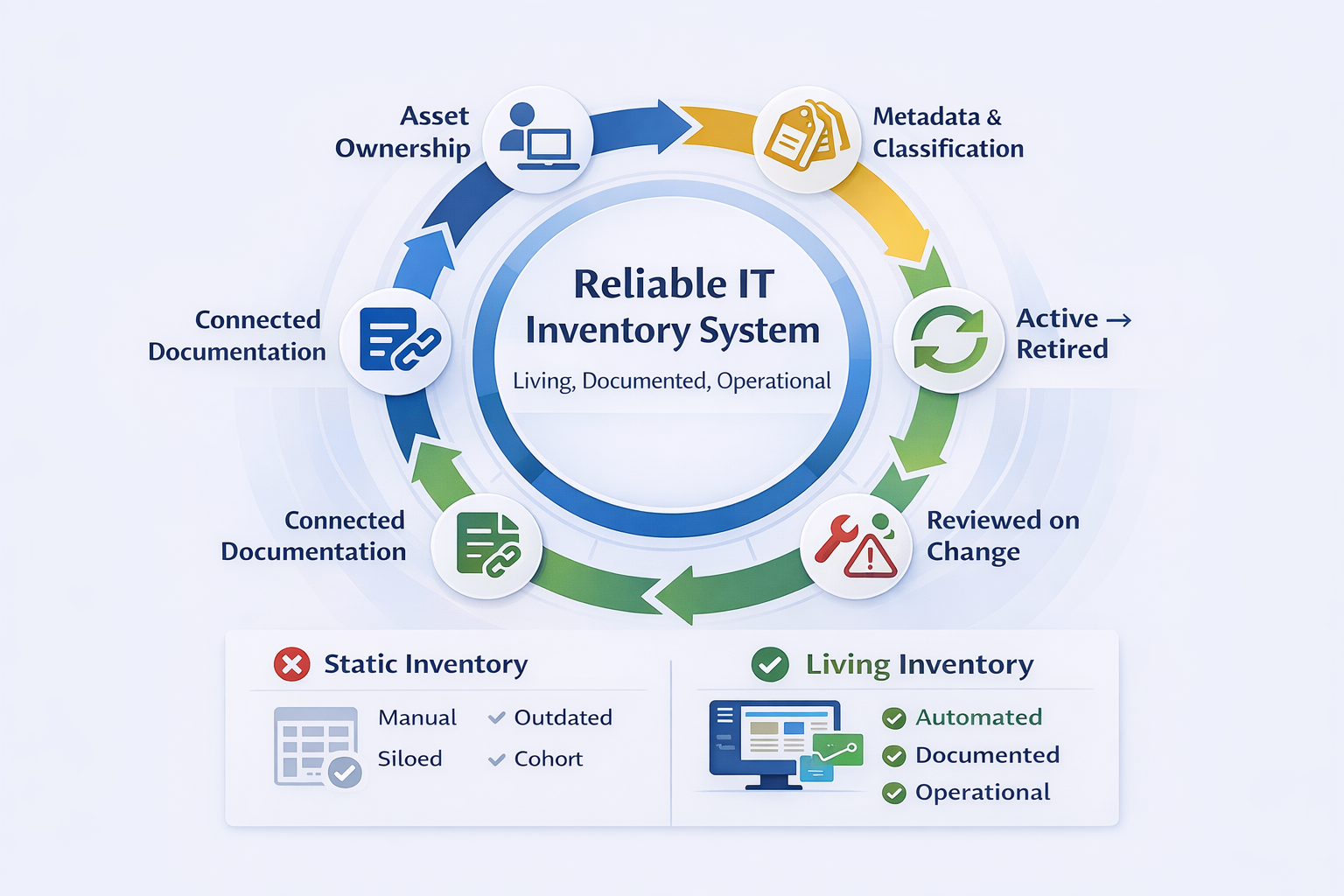
Maximizing asset utilization across a complex global manufacturing footprint requires a unified technical architecture that transforms traditional production plants into data-driven smart facilities. This digital framework bridges plant-floor operational technology directly with cloud-based enterprise networks, generating total transparency across the manufacturing lifecycle.
1. Unified Real-Time Data Ecosystems
The foundation of the modern administrative framework is the deployment of unified planning environments, such as the Anaplan platform. This shared technical environment integrates fragmented financial, operational, and sales data into a single, reliable source of corporate truth. By synchronizing simulations and decision-making scenarios across multiple operating companies, executive teams can overcome isolated information silos and coordinate international trade loops with unprecedented precision.
2. Plant-Floor IoT and Automated Defect Extraction
On the factory floor, automated edge computing nodes connect directly with mixing equipment, cookers, and high-speed wrapping machinery. These localized technical systems log raw telemetry data continuously, tracking critical metrics like steam pressure, vacuum thresholds, and cooling room temperatures. Standardizing these automated data streams allows plant engineers to execute real-time modifications, ensuring strict compliance with corporate quality standards and preventing batch errors.
3. End-to-End Cryptographic Inventory Telemetry
To maintain complete clarity across the outbound logistics pipeline, the enterprise utilizes advanced warehouse management software integrated with automated product identification matrices. Every product batch receives a unique cryptographic tracking code upon leaving the packaging line, providing complete visibility throughout the distribution journey. This tracking data allows corporate planners to trace individual product lots from central factories down to specific retail storefront positions.
VII. Forensic Supply Chain Diagnostics and Markdown Mitigation
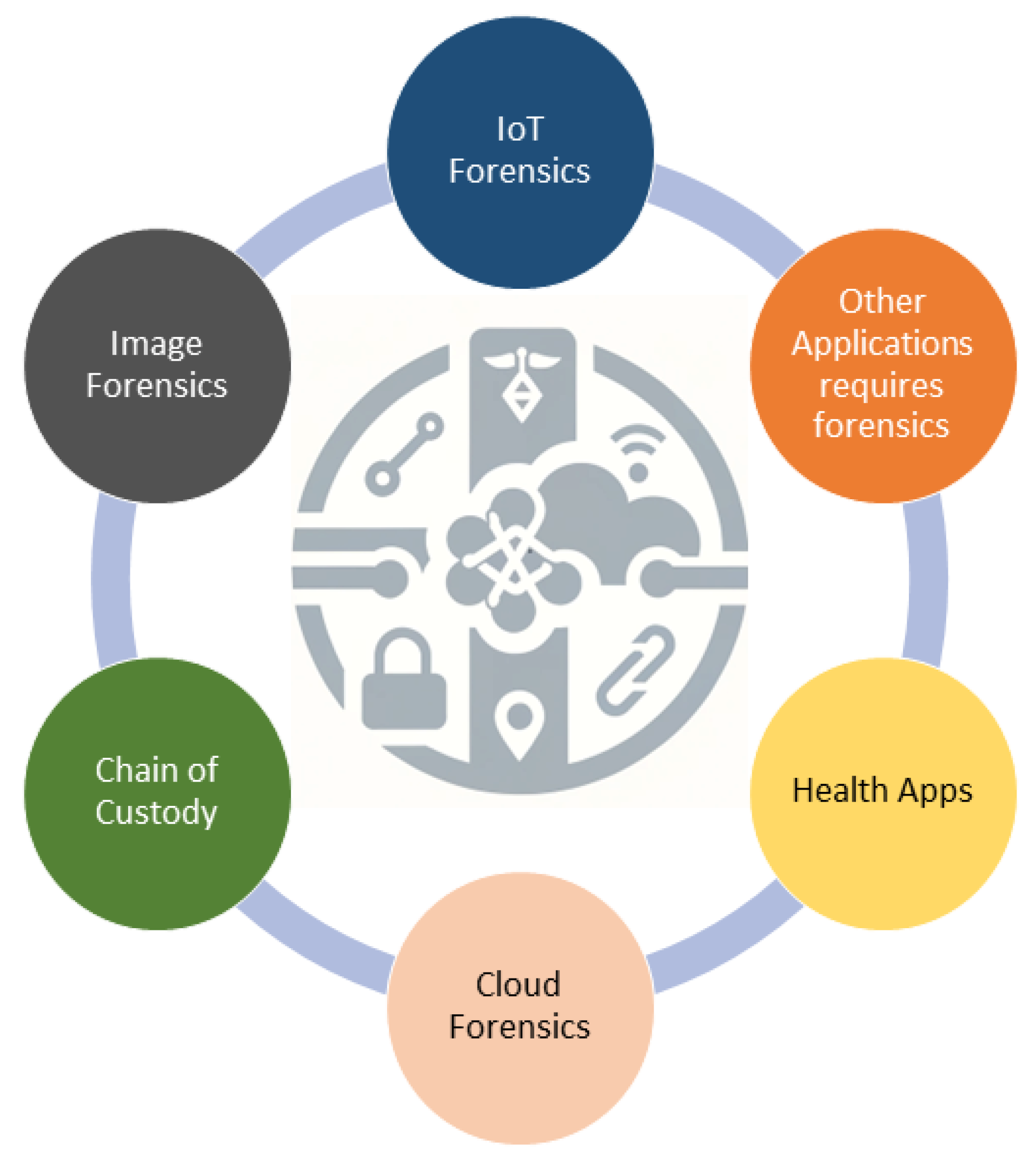
Modern global trade demands a high level of granular visibility, particularly when sourcing delicate agricultural raw materials and managing short-window retail drops. The corporation deploys advanced supply chain forensics and predictive analytics to minimize risks associated with international trade regulations, regional climate anomalies, and shifting geopolitical conditions. By utilizing advanced analytics dashboards and integrated technology processes, the enterprise transforms raw logistical data into a proactive defense mechanism against global supply network disruptions.
This forensic capability is central to the firm’s sustainable sourcing and waste reduction programs, which protect corporate margins from terminal write-offs. A structural redesign of financial planning processes, executed in collaboration with management consultancy units like BearingPoint, has progressively eliminated historical planning inaccuracies. This technical achievement has had a direct impact on business sustainability, contributing to a massive 63.5% reduction in finished product and raw material write-offs by ensuring that safety stocks align perfectly with real consumption patterns when streamlining confectionery distribution.
VIII. Algorithmic Predictive Demand Engines
The integration of cognitive predictive analytics across the enterprise footprint has revolutionized how the company forecasts market volume requirements and monitors changing food trends. Through its specialized data engines, the organization reviews massive streams of real-time retail inputs, social media discussions, and regional economic signals to predict shifting consumer purchasing habits. This automated consumer intelligence framework shortens product development lifecycles, allowing the enterprise to build multi-year product pipelines grounded in reliable data rather than historical guesswork.
Over the past three years, this focus on cognitive demand planning has dramatically improved sales forecast accuracy across primary commercial zones. For instance, within core European operating units, the implementation of advanced forecasting algorithms systematically reduced planning error margins from 3.6% down to a highly precise 0.3%. This level of forecasting precision ensures that manufacturing schedules mirror immediate consumer demand trends, freeing up roughly 40% of planning team time to focus on high-value data analysis and strategic decision support.
IX. Automated Freight Orchestration and Last-Mile Routing
Moving millions of pounds of confectionery and chewing gum across diverse international geographies requires a highly sophisticated transportation infrastructure. The corporation optimizes its outbound logistics network by deploying dynamic machine learning algorithms that manage freight routing configurations, warehouse space allocation, and vehicle asset utilization. By tracking variables such as highway congestion trends, regional weather events, and fuel pricing changes, these digital routing systems plot the most efficient transport paths, lowering distribution costs and reducing transport-related carbon emissions.
This advanced logistical routing network also improves retail relationships by reducing out-of-stock incidents and guaranteeing optimal shelf life for fresh products. Integrated warehouse management systems sync real-time production output data directly with retail inventory thresholds, automatically triggering shipping loops before product deficits occur on store shelves. This logistical coordination maintains a highly stable, continuous product flow, moving inventory with urgency to minimize white-collar operational inefficiencies and distribution overhead across partner lines like M-Pacific.
X. Psychological Micro-Triggers of Impulse Snacking

The international confectionery arena is experiencing a clear psychological shift as modern consumers increasingly look for experiential, interactive properties alongside clean-label transparency in their daily snack choices. Modern shoppers no longer view sweet items purely as static forms of sugary indulgence; they demand multi-sensory experiences, tactile play value, and functional health benefits. Brands that satisfy these desires through engaging product shapes, peelable mechanics, and interactive packaging designs secure an immediate psychological advantage over traditional candy lines.
Additionally, the rise of wellness awareness has accelerated the demand for sugar-free alternatives and functional ingredients like xylitol that actively support oral hygiene. To navigate these changing dynamics smoothly, the corporation continuously adapts its packaging sizes and product recipes, emphasizing portion control, nutrient density, and clear mindfulness labels. By aligning its brand portfolio with these detailed biological and psychological expectations, the enterprise turns potential market disruptions into profitable, long-term growth opportunities.
XI. Implementation Chronology: The Digital Distribution Transformation
To understand the practical deployment of this integrated technical and operational strategy, one can examine the phased rollout schedule executed under the global Enterprise Planning Transformation Program. This comprehensive roadmap was designed to transition the company’s vast international manufacturing and logistics footprint away from traditional, isolated forecasting methods into fully transparent, smart operations. Corporate planners initiated this multi-year infrastructure investment by tracking specific baseline performance metrics across select pilot manufacturing facilities before scaling the framework globally.
The case study of this systemic digital transformation demonstrates how the organization balances advanced technical deployment with human change management across complex workforces. Rather than attempting an unconstrained global rollout, executive leadership structured the implementation across three disciplined operational phases designed to capture early returns, build workforce momentum, and secure a predictable return on investment. The successful execution of this roadmap serves as a template for digital transformation across the broader consumer packaged goods industry.
Phase 1: Diagnostic Mapping and Platform Integration: The transformation initiative kicked off with a deep diagnostic review of historical planning frameworks and the deployment of a centralized cloud planning architecture. Local operational units worked alongside expert consultancy units to migrate legacy databases onto the shared Anaplan environment, establishing core KPIs focused on forecast accuracy and raw material write-offs. This initial setup phase targeted the structural fragmentation of corporate data streams, connecting floor-level manufacturing outputs directly with financial forecasting models to establish a single source of operational truth.
Phase 2: Regional Scaling and Process Optimization: Building upon the technical foundation established in the initial phase, corporate teams expanded the deployment across broader regional territories, including secondary markets like Switzerland. During this phase, the advanced predictive forecasting models were fully activated, reducing historical sales planning error margins from 3.6% down to a highly precise 1.0% within the first twelve months of active execution. This regional expansion successfully optimized warehouse capacity utilization and dramatically lowered raw material write-off metrics by ensuring production runs mirrored live consumption inputs.
Phase 3: Stabilization and Cognitive Refinement: The final phase focused on stabilizing the expanded technical framework and embedding advanced cognitive intelligence models to achieve maximum precision. Planning teams refined the integrated forecasting algorithms to achieve an unprecedented error margin of 0.3%, driving a massive 63.5% reduction in finished product write-offs across digitized factory hubs. Concurrently, comprehensive shop-floor change management programs were institutionalized, reducing the total time spent on manual planning activities by 40% and shifting corporate culture toward a completely data-driven operational model.
In summary, the strategic rollout of the Enterprise Planning Transformation Program underscores the company’s ability to execute massive structural transformations without interrupting its global supply chain. By pairing technology with a rigorous emphasis on human engagement, the corporation successfully unlocked unprecedented manufacturing efficiencies, realizing a multi-million Euro reduction in annual operational waste that directly funds market reinvestment. This case study confirms that long-term corporate resilience is achieved when operational modernizations are treated as human-centric evolutions rather than simple technical installations.
XII. Dominating the Future Confectionery Marketplace
The company’s evolution from a traditional confectionery firm into a premier global snacking powerhouse highlights the efficacy of its focused operations. By aligning its corporate vision around core categories like sugar-free gum and experiential hard candies, while divesting slower-growing legacy segments, the enterprise has established a highly resilient, margin-durable economic model. Supported by a sophisticated digital architecture, from smart manufacturing platforms to AI-driven consumer analytics, the comprehensive framework ensures the firm remains uniquely positioned to navigate raw commodity volatility and shifting consumer demographics.
As the global consumer landscape continues to evolve under the influence of wellness trends, technological breakthroughs, and sustainability mandates, the organization’s adaptability ensures its ongoing market dominance. The company’s balanced approach—combining aggressive emerging market penetration with premiumization and digital synchronization initiatives—creates a self-sustaining growth loop. This international trade analysis demonstrates that by maintaining a rigorous focus on operational execution and consumer centricity, the enterprise is not merely participating in the global sweet market; it is actively defining the future of confectionery distribution for generations of consumers worldwide, specifically through the expertise of streamlining confectionery distribution.