I. Industrial Scaling Turning Points: Manufacturing Constraints and Sourcing Continuity in 2026
The commercial confectionery, industrial bakery, and plant-based snack sectors are navigating a highly complex operational landscape in 2026. Across global production belts, corporate manufacturing directors are running into identical challenges: balancing raw ingredient pricing with strict quality standards while trying to keep high-speed production lines from grinding to a halt. When an industrial processing line experiences unexpected ingredient variations or delivery delays, the financial fallout is immediate. Factory operations suffer from idle labor costs, spoiled production runs, and missed retail delivery windows, which severely damage overall brand trust.
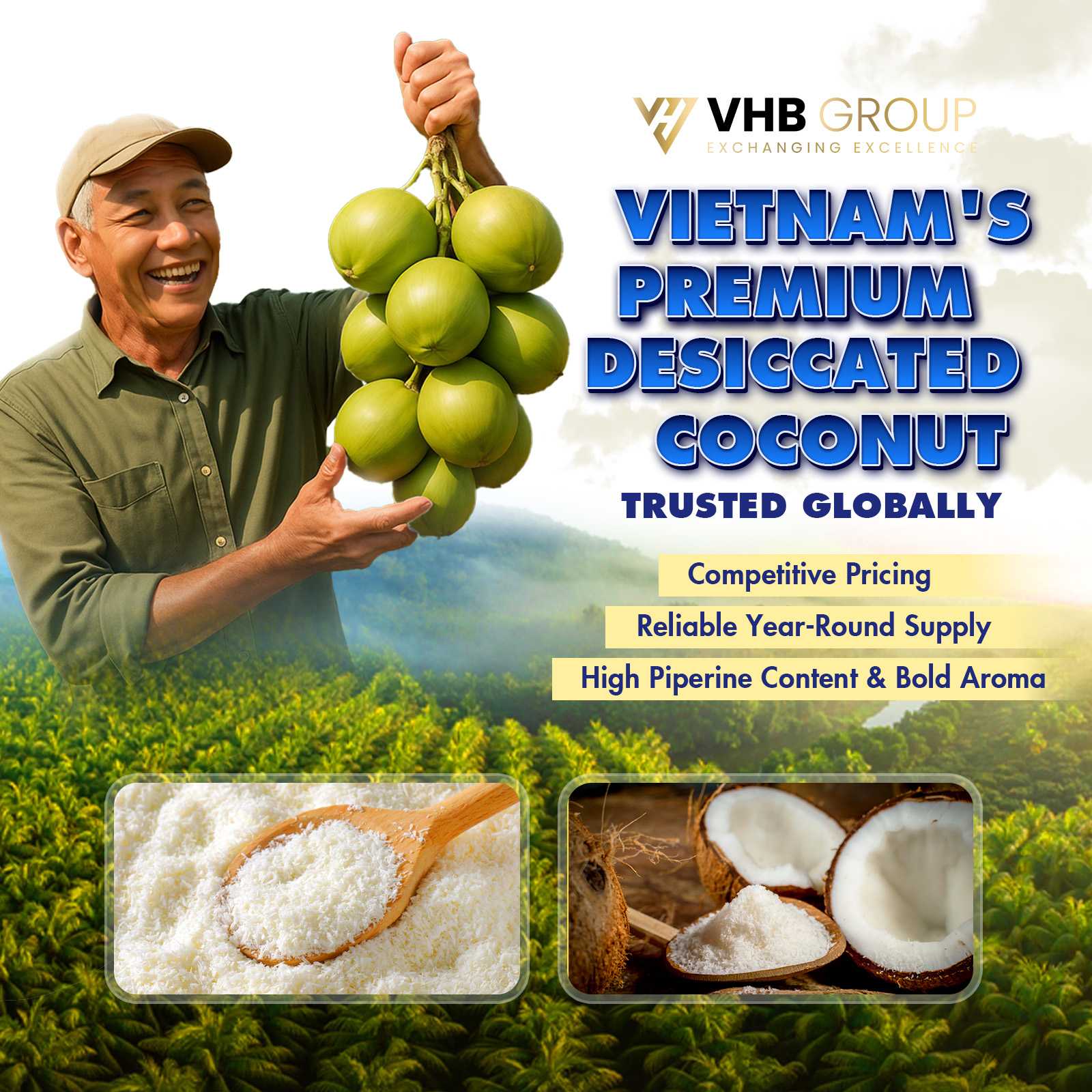 In traditional agricultural importing arrangements, processing plants often had to carry enormous safety stocks to buffer themselves against shipping disruptions. However, in today’s high-interest capital environment, keeping months of inventory locked away in expensive cold storage ruins operational efficiency. Modern industrial buyers need a lean, predictable procurement strategy that matches daily factory needs with precise agricultural output. Achieving this level of predictability requires a sophisticated framework for bulk coconut ingredient sourcing capable of handling sudden demand shifts while maintaining consistent physical traits across every batch.
Legacy procurement paradigms rely heavily on unmonitored smallholder collection rings and a web of intermediate brokers. This chaotic arrangement forces factories into frequent downtime because particle sieve sorting is highly inconsistent from week to week. In sharp contrast, modern synchronized supply networks establish pre-vetted agricultural pathways that feed directly into automated processing lines and scalable maritime trade lanes.
By taking control of these core elements, VHB serves as a vital enterprise gateway. This network guarantees that high-volume shipments pass through global entry ports efficiently while strengthening regional premium agriculture networks. Through this hands-on approach, global procurement managers can avoid common shipment delays and ensure that shelf-stable coconut components keep their natural oils, white color, and precise moisture profiles intact throughout their shelf life.
The modern ingredient space also requires moving completely away from isolated data tracking toward fully integrated supply ecosystems. Corporate quality directors and regulatory bodies now demand complete transparency regarding raw material origins, chemical pesticide reports, and workplace safety standards. To address this, production hubs managed by VHB utilize digital logging networks that track every shipping container from the initial equatorial harvest field straight to the final automated production line. This relentless focus on detail transforms basic agricultural trading away from speculative commodity buys into a reliable, mathematically precise wholesale distribution framework built to maximize factory throughput and eliminate operational waste.
II. Strategic Inventory Management and Global Market Integration
Scaling multi-national food manufacturing runs requires a disciplined procurement plan designed to protect delicate ingredient traits and insulate corporate budgets from surprise price spikes. When global consumer brands optimize their bulk coconut ingredient sourcing, they naturally protect their operating margins from inflationary shipping surcharges while maximizing production output across all regional facilities. This emphasis on continuous supply speed over static, long-term warehousing guides every logistical choice made by VHB, enabling industrial partners to manage crop volatility and changing international trade tariffs with confidence across the premium agriculture sector.

1. Anchoring Procurement to Regional Production Belts
Concentrating operational assets directly within primary equatorial farming belts yields the highest long-term efficiency for international food corporations. Establishing large-scale collection and processing facilities close to primary cultivation regions removes unnecessary domestic shipping loops and ensures that freshly harvested coconuts enter the processing pipeline without delay.
Within these specialized processing plants, raw coconut meats are carefully separated, washed, and graded according to their exact fat ratios and shred styles. High-fat fine-grade shredded coconut, popular for automated biscuit lines, is processed to keep total fat contents between sixty-three and sixty-eight percent, with moisture levels held strictly below three percent to prevent premature spoilage.
For large-scale confectionery bars, processing lines shift to medium-grade or large flake cuts, which require alternative drying balances to preserve a pleasant chew without letting free fatty acids climb past point-one percent. For specific industrial recipes, such as low-fat shredded variants used in healthy baking mixes, the drying speeds are dynamically calibrated to protect the natural white color of the coconut flesh without adding synthetic sulfur dioxide preservatives.
This geographic alignment helps protect the global delivery pipeline from unexpected localized weather events, regional transport strikes, or labor shortages. By anchoring core operations to a highly managed selection of primary premium agriculture zones, VHB maximizes ocean freight space, reduces empty backhaul routing, and secures competitive shipping rates with leading global maritime lines. This structured approach builds a resilient corporate framework that maintains a steady stream of ingredients across changing market conditions without sacrificing product quality.
2. Multi-Channel Ingredient Distribution Infrastructure
Successfully moving massive volumes of specialized ingredients to international manufacturing hubs requires a balanced distribution network that combines massive bulk supply contracts with targeted, flexible regional delivery loops. This dual-track model ensures that raw agricultural shipments flow continuously to alternative destinations if one primary manufacturing region faces unexpected factory shutdowns or shifting economic regulations.
-
Bulk Industrial Supply Channels: Direct logistics infrastructure configured for multi-national snack conglomerates, massive industrial bakeries, and global cereal brands to ensure absolute volume consistency and predictable capital usage.
-
Wholesale Trade Distribution Layouts: Flexible logistics routing engineered directly to regional ingredient distributors, commercial food service suppliers, and independent food labs to expand the overall market footprint of the wholesale network.
This balanced model transforms raw agricultural commodities into reliable, risk-mitigated ingredient pipelines. When major industrial accounts experience unexpected production shifts, the widespread presence maintained across regional wholesale networks balances the overall movement of product. This flexibility highlights the multi-layer depth needed to run an optimized premium agriculture distribution network across diverse international territories.
III. Multi-Modal Logistics and Digital Tracking Infrastructure
Moving thousands of metric tons of moisture-sensitive ingredients across global borders requires an integrated physical and digital network that operates smoothly. The organization links automated shipping hubs with real-time tracking programs, ensuring ingredients transition from primary processing lines to localized factory storage spaces with zero friction. By embedding tracking arrays directly into physical shipping containers, VHB gives enterprise buyers complete transparency across every link of the wholesale supply chain.
-
Automated Dehumidified Drying Decks: Advanced steam-heated drying networks fitted with digital sensors that constantly watch ambient humidity levels to prevent clumping and maintain consistent batch quality.
-
Cross-Dock Palletized Loading Bays: High-speed distribution platforms built to quickly unpack incoming maritime cargo and transfer products directly to regional delivery trucks, keeping warehouse storage times under six hours.
-
Direct B2B Integration Interfaces: Unified digital procurement channels customized for major commercial accounts, enabling instant restocking triggers that optimize overall bulk coconut ingredient sourcing cycles.
-
Predictive Weather Logistics Software: Advanced routing systems that monitor ocean shipping paths and port congestion to help adjust transport routes for sensitive premium agriculture shipments.
IV. Material Grading Profiles and Contamination Defenses
Dividing agricultural ingredients by their exact physical traits, oil percentages, and flake lengths allows manufacturing organizations to run high-precision production campaigns. This careful sorting guards valuable ingredients from unexpected texturing failures while maximizing retail shelf appeal.
1. High-Fat Particle Size Engineering
Premium desiccated coconut products require constant monitoring of particle size spreads and free fatty acid numbers to retain their natural sweetness, color, and oil properties during long maritime trips. Using automated air-jet sifting technology across processing decks keeps fine-grade particles uniform, preventing dust buildup or packing problems during automated bag filling. This strict quality control ensures that the ingredient arrives at global kitchens with its sensory traits intact, meeting the standards of premier food brands and strengthening long-term bulk coconut ingredient sourcing initiatives.
To achieve total ingredient consistency, the moisture evaporation behavior of fresh coconut flesh is monitored closely during the hot-air fluidization step. Instead of overheating the raw product and causing thermal browning, automated line controllers continuously measure the moisture levels within the active drying beds. By balancing hot air distributions against the natural oil loading of incoming harvests, drying operations avoid cell-wall rupture and ensure uniform oil retention across every industrial batch without over-processing the raw material.
To protect against localized crop issues, sourcing fields are diversified across top-yielding equatorial agricultural belts. This provides an enterprise-wide buffer, guaranteeing that unexpected localized weather changes do not interrupt the flow of goods to major international factories. By standardizing grading protocols across different farming areas, VHB guarantees uniform ingredient delivery, converting volatile raw harvests into dependable wholesale raw materials.
2. Clean-Label Processing Formats and Protective Barrier Linings
Developing specialized sulfur-free configurations, reduced-fat profiles, and toasted decorating styles addresses the specific needs of modern health food producers. These custom ingredients require advanced industrial handling to maximize structural value and eliminate oil separation during transit loops.
-
Sulfur-Free Bleaching Alternatives: Utilizing advanced flash-pasteurization methods to secure a pure white color without using chemical sulfur dioxide additions.
-
Centrifugal Oil Stabilization Steps: Using high-speed mechanical separators to carefully lower fat ratios for specialized baking applications while preserving flavor notes.
-
Multi-Wall Hermetic Packaging Bags: Using heavy-duty, food-grade bags with multi-layered oxygen and moisture barriers to isolate bulk ingredients from outside air, protecting the integrity of the harvest.
3. Comprehensive Clean-Label Certification Management
Global food buyers continue to increase their baseline requirements for non-GMO, organic, and allergen-free coconut options that are free from synthetic additives or trace chemical processing residues. Providing clear testing documentation creates an immediate competitive advantage, letting brand managers enter premium clean-label food sectors. By holding top international food safety certifications, VHB enables industrial distributors to clear regulatory customs hurdles easily, using premium agriculture standards to secure premium retail shelf space.
V. Human Agility and Global Technical Teams
Behind the global scale of an international agricultural network is an advanced human resource framework designed to build data literacy and operational flexibility. Organizations recognize that advanced logistics tools are only as effective as the technical teams managing them on the ground. Through regular skill training and focused hiring, VHB maintains a responsive human network that ensures compliance, builds client trust, and streamlines corporate sales cycles globally.
-
Food Safety and Compliance Auditors: Global regulatory specialists who review ingredient labels, pesticide logs, and clean-room records to ensure smooth transit across international border checks.
-
Equatorial Field Procurement Managers: Localized field specialists who coordinate harvesting cycles with maritime container schedules, optimizing regional wholesale supply logistics.
-
Supply Chain Technical Architects: Analytical managers who handle high-volume ingredient contracts, using global trade statistics to optimize shipping costs and guide premium agriculture investments.
VI. Smart Factory Digital Frameworks
Maintaining high machinery usage across global processing facilities requires a unified technology architecture that turns traditional production lines into data-driven facilities. This digital setup connects equipment sensors directly with enterprise cloud networks, creating complete transparency throughout the manufacturing lifecycle. By eliminating isolated information silos, this network enables real-time adjustments between facility engineers and logistical planners.
1. Global Cloud Management Interfaces
Centralized data systems compile real-time telemetry from production lines worldwide into a singular source of operational truth. This connected environment gives engineering teams and facility managers clear visibility into active production outputs, removing messy legacy communication channels and providing the technological support needed to manage international bulk coconut ingredient sourcing pipelines.
2. IoT-Linked Drying Line Diagnostics
Predictive equipment maintenance programs use automated edge sensors to continuously monitor mechanical strain, vibration, and internal heat balances on primary shredding and drying systems. This analytical capability catches mechanical issues before they turn into line failures, lowering unexpected equipment repair costs and preventing production delays during peak crop seasons to protect the stability of the VHB distribution network.
3. Transparent Ingredient Tracking Logs
Granular software logging tools map exact material usage, water loops, and clean-fuel consumption during production steps right on facility control screens. This clear data stream builds direct accountability on the production floor, lowering raw material waste and keeping facilities highly resource-efficient across all operations managed by VHB inside premium agriculture production belts.
VII. Supply Chain Forensics and Loss Prevention

Modern global trade demands high visibility, especially when managing just-in-time ingredient deliveries and navigating complex international safety laws. Using advanced supply chain forensics turns raw transit data into a helpful early warning system against shipping congestion and maritime bottlenecks. By studying historical customs processing times and shipping container trends, corporate managers can build smart fallback plans that avoid common trade delays. This preventative approach ensures that agricultural shipments move steadily through clear transit lanes, avoiding costly storage fees at border ports.
By checking past handling logs and monitoring container clearance speeds at busy import gateways, logistics teams find and fix hidden efficiency losses. Advanced visual sorting, automated moisture spot checks, and inline metal detection scanning run continuously on active production lines to guarantee purity before final bagging. This diagnostic focus is central to waste reduction efforts, protecting operating profits from product losses.
Linking warehouse data with consumer demand projections ensures that factory outputs match current purchasing speeds. This coordination eliminates forecasting mistakes, lowering ingredient waste and keeping inventory levels stable across regional networks. Through this analytics setup, VHB gives every partner along the trade route financial and logistical safety while maintaining reliable bulk coconut ingredient sourcing protocols.
VIII. Predictive Analytics and Demand Coordination
The integration of artificial intelligence across international distribution footprints has changed how organizations calculate ingredient volumes for seasonal consumer product manufacturing. Automated forecasting models process real-time grocery retail metrics, consumer eating trends, and broad economic signs to predict shifting brand preferences with great accuracy. This analytical approach reduces reliance on guesswork, allowing corporate teams to tune production volumes to match real market needs. This data matching removes the structural inventory gaps that historically plagued long-distance wholesale trade arrangements.
Beyond tracking production volumes, predictive systems help target localized marketing effort updates across digital storefronts and physical grocery locations. Machine learning systems look at regional buying behaviors and historical sales records to craft smart consumer campaigns, boosting store sales. By automating retail data analysis, brands ensure that marketing funds are directed toward high-yield channels, maintaining shelf movement and driving steady volume velocity. This computing structure ensures that capital usage balances with real-world ingredient consumption, supporting the steady growth of premium agriculture value pipelines.
IX. Modern Logistics and Optimized Transportation Routing
Transporting millions of pounds of moisture-sensitive agricultural products across crowded urban supply routes requires a highly sophisticated shipping setup. Logistics coordinators optimize delivery routes by using advanced route planning software that constantly recalculates shipping steps based on live transport data, fuel adjustments, and regional warehouse spaces. This scheduling balances truck usage, lowering transit overhead while maximizing daily container deliveries across international shipping corridors.
This shipping precision strengthens retail and manufacturing partnerships by shrinking delivery windows, ensuring that production plants get fresh ingredients right when they need them. Interconnected warehouse systems talk directly with transport fleets, organizing outbound shipments based on final truck route layouts to maximize loading efficiency. The resulting synergy maintains a continuous, stable ingredient flow from central processing hubs straight to high-volume manufacturing lines, illustrating the commercial value of optimized supply routing.
X. Market Psychology and Clean Food Re-Alignment
The global food marketplace is undergoing a significant behavioral shift as modern consumers view processed ingredients through the lens of clean nutrition and metabolic wellness. Dietary ingredients are no longer seen simply as a way to add bulk calories to a recipe; they have become an important part of personal nutrition and healthy lifestyle choices. Brands that satisfy these consumer needs by offering pure sourcing paths, clear ingredient processing methods, and functional nutritional values secure an immediate advantage over basic legacy options.
 Additionally, the expansion of health trends has accelerated the demand for natural baking alternatives that support digestive wellness, offering rich dietary fibers and zero chemical preservatives. To manage these market shifts smoothly, food producers continuously update their ingredient criteria, highlighting trace-transparency, pesticide-free farming, and the removal of artificial bleaching agents. By shaping ingredient choices around these detailed wellness demands, organizations transform potential market shifts into profitable, long-term business opportunities. This forward-thinking alignment ensures that VHB remains at the front of global trade shifts, earning early client trust and reinforcing long-term premium agriculture distribution structures.
XI. Tactical Integration Blueprint: The Supply Chain Modernization Framework
Reviewing the setup of a comprehensive logistics modernization plan demonstrates how international enterprises successfully combine modern technical tools with human team coordination. Instead of rushing a frantic global rollout, leadership groups organize operational upgrades across clear, chronological milestones designed to ensure a steady return on investment. This careful staging ensures that capital investments yield clear efficiency improvements before subsequent development layers begin.
Logistics planners managed this multi-year infrastructure update by tracing clear baseline efficiency data across a group of pilot processing plants before scaling the framework worldwide. This controlled strategy let local engineering teams resolve data errors early, building internal team confidence and setting clear rules for broader factory tool installations. By demonstrating clear efficiency gains within these initial test sites, the management group earned the trust of regional farming cooperatives and global logistics partners alike.
-
Phase 1: Logistics Diagnostic and Data Integration (Months 1–6): Technical teams spent the first phase auditing legacy shipping pipelines and deploying cloud-linked tracking systems across primary flagship processing lines. Equipment setups were upgraded with smart sensor networks, establishing the initial data paths needed to monitor material movement, check machine health, and log real-time energy use, setting the foundation for reliable material routing.
-
Phase 2: Scale Expansion and Distribution Balance (Months 7–18): Building on the data tools validated in the pilot step, the organization expanded the rollout to include over twenty additional manufacturing lines globally. During this stretch, primary software apps—including predictive equipment maintenance tools, automated batch tracking, and factory output dashboards—were fully integrated into the central workspace to reduce ingredient waste and boost regional delivery speeds.
-
Phase 3: Team Data Training and Operational Stabilization (Months 19–24): The final phase focused on maximizing long-term team adoption through detailed data literacy and technical handling programs. Assembly crews and regional facility managers completed extensive training to ensure that daily plant floor choices were completely guided by real-time analytics, building a workplace culture that sustains strong net productivity across all channels managed by VHB.
The deliberate rollout of the modernization plan shows that large-scale infrastructure upgrades can be completed successfully without pausing global logistics lines. By combining advanced technology with clear human training, the enterprise unlocked immense supply chain power, lowering raw waste and directly funding regional expansion goals. This case study confirms that long-term business strength is achieved when corporate modernizations are run as structured, human-focused journeys rather than simple technical installations across the global premium agriculture map.
XII. Securing Sustainable Leadership in Global Food Commerce
The successful coordination of international ingredient networks highlights the value of operational flexibility and smart capital placement. By focusing on primary growth categories, moving away from low-margin legacy products, and localizing raw processing facilities, international corporations build exceptionally strong, margin-stable business structures. Supported by modern tracking networks, this thorough approach ensures that ingredient operations stay in an ideal position to manage material price volatility and changing consumer preferences.
As the international food landscape continues to change under the influence of health updates, technical innovations, and clean-label standards, operational flexibility remains the true measure of business survival. Connecting automated tech tools with deep, localized shipping experience creates a reliable circle of efficiency. Ultimately, by maintaining a strong focus on execution quality and client needs, international partner networks continue to redefine the baseline for global trade growth and confirm the value of maximizing volume via optimized wholesale enterprise channels for decades to come.