I. Sustainable Processing Turning Points: Ecological Integration and Canning Logistics in 2026
The global food manufacturing sector and multinational retail procurement networks are confronting an unprecedented ecological turning point in 2026. Across global consumer segments, there is a fundamental rejection of resource-heavy, carbon-intensive manufacturing methods. Industrial canning operations can no longer operate as isolated, high-emission thermal polluters that consume millions of gallons of un-recycled municipal water. Today’s hyper-aware marketplace aggressively rewards enterprises that eliminate carbon anomalies from their supply blueprints while penalizing legacy operations with high green-tariffs and brand displacement.
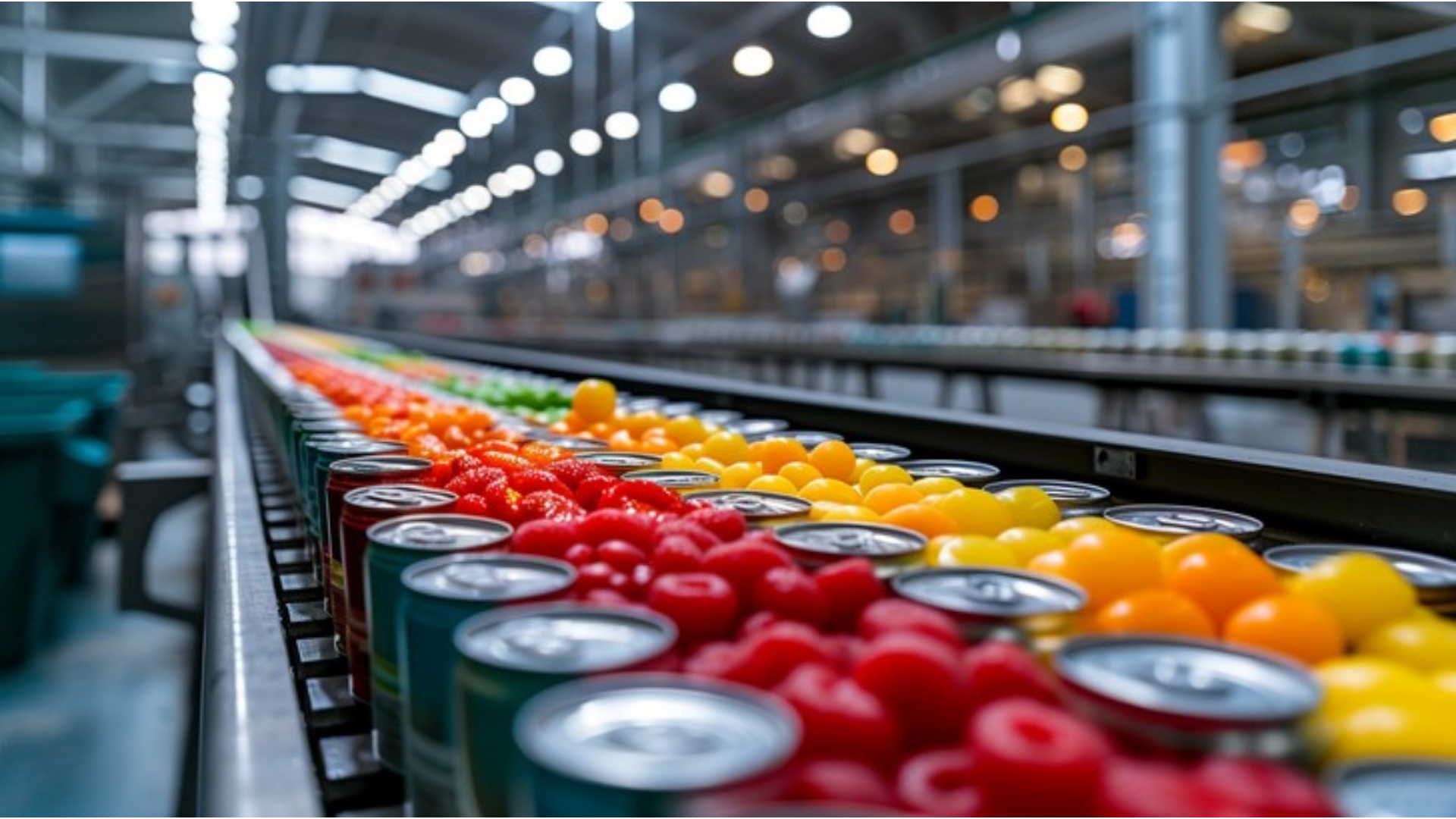
Legacy processing paradigms rely heavily on a linear resource drain where clean water is used once for fruit washing and thermal scalding before being dumped directly into local municipal waste channels. This outdated methodology creates extreme financial volatility as regional water taxes and carbon penalization systems surge globally. In sharp contrast, modern closed-loop operations utilize continuous circulation systems to maximize raw asset utility. By moving energy creation straight to renewable biomass loops, forward-thinking organizations fully decouple factory production output from standard fossil-fuel grids.
Navigating these evolving cross-border compliance landscapes requires deep regional processing expertise, closed-loop technical frameworks, and substantial capital deployment. The stabilization of modern international distribution networks hinges directly on scaling an eco-friendly, carbon-conscious canned fruit supply that satisfies highly volatile compliance metrics while maintaining consistent stock velocities across continents.
By combining automated industrial informatics with a zero-waste physical processing network, VHB acts as a premier enterprise gateway, ensuring that high-volume commercial lines transition across borders efficiently while reinforcing foundational trade lines such as specialized regional premium agriculture networks. Through this comprehensive approach, global B2B buyers can eliminate carbon-footprint penalties and ensure that shelf-stable consumer lines maintain their nutritional properties, taste profiles, and structural value margins throughout their entire shelf lifecycle.
The contemporary industrial trading environment also demands a total transition away from isolated data practices and toward collaborative, real-time ecosystem integration. Consumer groups, regulatory oversight bodies, and corporate retail buyers now demand absolute clarity regarding supply chains, environmental footprints, and ethical farm handling.
Consequently, enterprise processing facilities managed by VHB utilize sophisticated data networks that trace every single batch from its local agricultural source through the eco-friendly canning line directly to its final point-of-sale layout. This relentless focus on granular optimization transforms traditional bulk agricultural trade away from a speculative, risk-heavy commodity gamble into a highly predictable, mathematically precise wholesale distribution process designed to maximize yield and eliminate operational waste on a global scale.
II. Strategic Portfolio Steering and Green Market Densification
Managing mass agricultural movements across highly fragmented trade zones requires a disciplined capital alignment strategy designed to preserve product freshness and protect corporate asset value. When global enterprises focus intensely on securing a resilient, low-emission canned fruit supply, they effectively insulate their operational margins from inflationary energy cost spikes while driving maximum volume velocity across all modern and traditional retail channels.
This continuous prioritization of systemic speed over static storage underpins every strategic decision made by VHB, allowing the enterprise to navigate raw commodity volatility and changing regional trade tariffs with unparalleled commercial resilience across premium agriculture sectors.
1. Cultivating Core Agro-Commodity Strength and Belt Proximity
Concentrating corporate resources on primary crop lines, specialized agricultural processing hubs, and high-velocity packaged fruit segments yields the highest long-term efficiency for international networks. Moving capital away from over-fragmented, low-margin niche markets allows the organization to build large-scale processing and stabilization facilities directly inside primary regional farming belts. This calculated geographic positioning completely eliminates unnecessary intermediate shipping lines, shortens transit loops, and ensures that freshly harvested crops enter the core distribution pipeline without processing delays.
Within these processing hubs, distinct fruit varieties are carefully categorized by their chemical compositions and long-term shelf requirements. Premium pineapple cubes, for example, are processed within a tight light-syrup concentration profile ranging from fourteen to eighteen degrees Brix, undergoing a precise twelve to fifteen-minute thermal stabilization sequence at one hundred and five degrees Celsius before being packed into massive industrial containers or standard bulk cases.
Tropical sliced mangoes require alternative handling, utilizing natural juice mediums between sixteen and twenty degrees Brix and a customized thermal curve to safeguard delicate flesh textures. For unique regional lines like rambutan segments or savory young jackfruit processed in heavy salt brines, pasteurization durations are dynamically shifted to preserve cell-wall rigidity without degrading foundational crop nutrients.
Furthermore, this structural alignment safeguards the logistics pipeline against sudden regional geopolitical shocks, labor shortages, or severe harvest deficits. By anchoring operations to a tightly managed selection of staple and processed premium agriculture categories, VHB optimizes container space utilization, reduces empty backhaul loops, and secures highly favorable freight contract rates with deep-sea maritime carriers. This focused configuration constructs an exceptionally durable corporate supply framework capable of sustaining predictable volume outputs across diverse market conditions without decreasing overall margin performance.
2. Omnichannel Agribusiness Distribution and Route Architecture
Successfully mapping mass food lines to competitive international markets requires a balanced distribution approach that pairs high-volume bulk commercial trade contracts with targeted, independent traditional retail channels. This dual-track strategy ensures that agricultural cargo moves continuously through alternative pathways if a single primary retail sector experiences a sudden decline in consumer demand or a sharp contraction in purchasing power.
-
Bulk Industrial Supply Chains: Direct industrial infrastructure serving multi-national food processors, massive bakery chains, and institutional hospitality providers to guarantee absolute volume consistency and predictable capital flows across international corridors.
-
Traditional Trade Distribution Frameworks: Restructuring localized delivery paths directly to regional independent wholesale centers, neighborhood markets, and commercial food counters to maximize the local reach of wholesale canned goods networks.
This balanced distribution configuration transforms baseline agro-commodities into highly insulated and resilient revenue streams. When large-scale modern trade hypermarkets experience unexpected traffic contractions or localized economic slowdowns, the widespread market presence secured across traditional neighborhood trades balances total corporate volume velocity. Ultimately, this strategic configuration highlights the multi-tier market depth required when implementing specialized premium agriculture distribution systems on a global scale.
III. The Multi-Modal Physical and Digital Hub Architecture
Moving thousands of metric tons of climate-sensitive consumer lines requires a physical and digital trade network that operates completely without friction. The organization links automated shipping hubs with live data tracking software, ensuring products transition from primary manufacturing lines to localized retail storefronts at peak velocity. By embedding tracking arrays directly into physical shipping assets, VHB provides international stakeholders with complete transparency across every link in the wholesale supply chain.
-
Biomass Thermal Co-Generators: Specialized processing facilities powered entirely by upcycled agricultural byproduct waste (such as pineapple skins and coconut shells), providing carbon-neutral thermal energy for sterilization loops.
-
Closed-Loop Fluid Reclamation Arrays: Multi-stage water purification networks that recycle up to 85% of process fluid inputs, drastically lowering the water footprint of high-volume canning.
-
B2B Digital Procurement Systems: Direct virtual channels customized for major commercial accounts, allowing instant inventory restocking sequences to significantly improve overall canned fruit supply cycles.
-
Automated Freight Matrix Interfaces: Advanced computational environments that calculate optimal over-the-road transit paths based on live traffic updates and port congestions to assist directly in managing premium agriculture cargo vectors.
IV. Portfolio Segmentation and Safety Preservation Engineering
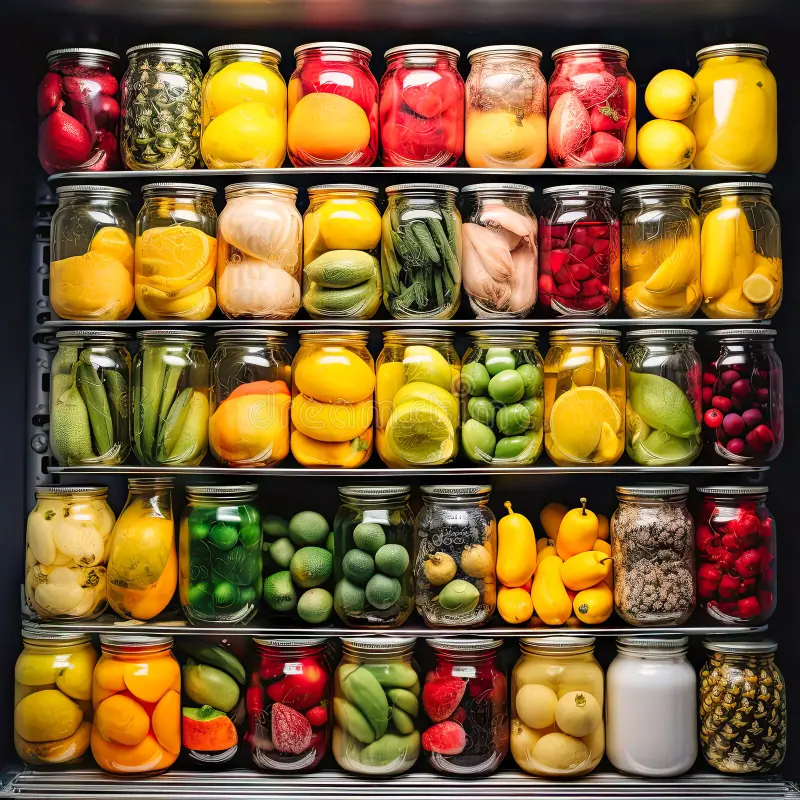 Categorizing agricultural lines by their exact chemical traits, Brix parameters, and consumer use types allows the enterprise to execute high-precision merchandising campaigns within the broader distribution landscape. This systematic division of inventory protects delicate capital investments from cargo spoilage while maximizing retail shelf visibility.
1. High-Acid Tropical Sterilization Metrics
High-purity tropical canned fruits require meticulous monitoring of internal pH values and vacuum seal integers to retain their natural ascorbic acid profiles, vibrant colors, and crisp textures during long-distance transport. Implementing automated atmospheric monitoring across cargo holds eliminates rusting risks and prevents flavor shifting during extended maritime journeys. This rigorous tracking environment ensures that the fruit arrives at destination markets with its chemical profile fully intact, meeting the exact specifications of premium food manufacturers worldwide and fortifying the structural depth of the canned fruit supply.
To achieve absolute product consistency, the thermal destruction of potential micro-flora in low-acid and high-acid fruit lines is precisely computed using the standard Lethality Integrated Model. Rather than over-cooking the harvest and destroying the structural crunch of the fruit flesh, automated line controllers dynamically track the exact internal heat profiles over time at the slowest heating zone of the containers. By factoring in the specific thermal resistance coefficients of target micro-organisms, VHB minimizes enzyme degradation and guarantees exceptional fruit firmness across every commercial batch without overprocessing.
To mitigate regional crop failure risks, sourcing pools are dynamically diversified across primary high-yield equatorial farm sectors. This approach provides an enterprise-wide buffer, guaranteeing that unexpected localized weather disruptions do not interrupt the continuous flow of product to major international buyers. By grading and standardizing protocols across disparate farming zones, VHB guarantees uniform crop delivery, transforming volatile raw harvests into highly reliable, premium-grade wholesale assets.
2. Specialized Syrup Media and Clean-Brine Formulations
Refining bulk canning into specialized natural juice mediums, zero-sugar light syrups, and low-sodium plant-based brines satisfies the food processing sector’s technical requirements. These concentrated formats demand specialized industrial handling to maximize structural value and eliminate cross-contamination during transit loops.
-
De-Ionized Juice Clarification: Processing fresh fruit extractions through advanced enzymatic filtration loops to create completely translucent, clean-label sweetening mediums.
-
Hypotonic Brine Immersion Solutions: Balancing osmotic pressures between fruit matrices and packaging fluids to ensure fruit pieces retain their natural shape without expanding or splitting.
-
BPA-Free Protective Linings: Applying advanced dual-coat polymer linings inside tinplate containers to completely insulate acidic fruit varieties from direct metal exposure, safeguarding the canned fruit supply.
3. Non-GMO and Clean-Label Certification Suites
The international retail food sector continues to increase its baseline demand for fully certified non-GMO canned fruit lines free from synthetic chemicals, sulfur dioxide additions, or high-fructose corn syrup matrices. Providing verifiable testing data creates an immediate market advantage, enabling agricultural brands to capture high-margin opportunities within the premium clean-label food sector.
By obtaining rigorous international organic stamps, VHB empowers distributors to enter high-barrier geographic territories seamlessly, leveraging premium agriculture parameters to secure top-tier shelf positioning.
V. Human Intelligence and Global Sourcing Teams
Behind the immense physical scale of an international trade network lies an advanced human resource framework designed to cultivate global data literacy and cross-functional operational agility. Organizations realize that advanced supply chain technologies are only as valuable as the specialized teams managing them on the ground. Through continuous training programs and strategic talent acquisition, VHB maintains a sophisticated human firewall that ensures compliance, drives brand loyalty, and accelerates commercial negotiation cycles worldwide.
-
Eco-Audit Compliance Engineers: Environmental law and quality assurance experts responsible for inspecting international carbon sheets, water-use logs, and chemical residue data to ensure flawless entry across regional customs blocks.
-
Strategic Farm Procurement Managers: Localized field operation managers who partner with farming cooperatives to synchronize field harvesting timelines with global shipping line schedules, optimizing regional wholesale logistics pipelines.
-
Global Supply Architects: Analytical corporate managers who negotiate high-volume global crop agreements, utilizing automated trade intelligence to maximize efficiency and assist in premium agriculture market steering.
VI. Connected Factory Technical Frameworks
Sustaining asset utilization across a global manufacturing footprint requires a unified technical architecture that transforms traditional production plants into data-driven smart facilities. This digital framework bridges plant-floor operational technology directly with cloud-based enterprise networks, generating total transparency across the manufacturing lifecycle. By breaking down legacy data silos, this technical setup enables real-time collaborative adjustments between plant engineers and supply chain managers.
 1. Enterprise Cloud Infrastructure Platforms
Centralized cloud computing infrastructure pools telemetry data from production lines worldwide into a singular source of operational truth. This interconnected setup give corporate engineers and localized plant managers unified visibility into real-time factory floor outputs, completely eliminating fragmented legacy information networks and providing the computational backbone required for streamlining a multinational canned fruit supply.
2. IoT Sensor Thermal Loop Interconnects
Condition-based asset maintenance applications utilize automated edge sensors to continuously track mechanical strain, vibration, and internal temperature fluctuations on critical production machinery. This predictive capability identifies potential structural failures before they occur, systematically reducing factory repair expenses and preventing unexpected downtime during peak harvest seasons, thus safeguarding the integrity of the VHB distribution network.
Granular software applications track exact ingredient usage, water recycling loops, and carbon emissions for individual manufacturing runs directly on plant operational dashboards. This transparent data stream drives immediate shop-floor accountability, minimizing raw material waste and ensuring operations remain highly resource-efficient across all facilities managed by VHB across premium agriculture belts.
VII. Supply Chain Forensics and Waste Mitigation
Modern global trade demands a high level of granular visibility, particularly when managing time-sensitive retail drops and navigating international regulatory compliance. Deploying advanced supply chain diagnostics transforms raw logistical data into a proactive defense mechanism against maritime delays and port congestion.
By analyzing historical customs clearance windows and container availability trends, corporate planners can build predictive contingency paths that bypass traditional logistical bottlenecks. This investigative approach ensures that agricultural shipments move continuously through clear transit lanes, avoiding costly border detentions.
By auditing historical processing logs and monitoring container clearance speeds at complex ports of entry, logistics teams systematically pinpoint hidden efficiency losses. Advanced leak testing, automated can pressure verification, and real-time vacuum evaluation arrays run continuously on active production lines to guarantee seal integrity before cargo loading begins. This forensic capability is central to corporate waste reduction initiatives, protecting profit margins from terminal inventory write-offs.
Integrating warehouse management data directly with downstream demand forecasting engines ensures that factory production cadences match live consumption rates. This data-driven synchronization eliminates historical planning inaccuracies, systematically lowering finished product write-offs and stabilizing safety stock levels across regional distribution networks. Through this detailed analytics layer, VHB ensures that every stakeholder along the trade corridor operates with complete financial and logistical security while maintaining a highly resilient canned fruit supply.
VIII. Cognitive Forecasting and Demand Optimization
The integration of artificial intelligence across the enterprise footprint has revolutionized how organizations forecast market volume requirements for seasonal consumer goods. Automated demand models process real-time retail inputs, social media consumer sentiment, and macroeconomic indicators to predict shifting purchasing preferences with extreme accuracy.
This cognitive approach reduces reliance on historical guesswork, allowing leaders to tailor production volumes to match immediate cultural enthusiasm. This data alignment completely removes the structural mismatch that traditionally plagued long-distance wholesale trade channels.
Beyond volume forecasting, cognitive tools optimize localized promotional targeting across digital platforms and brick-and-mortar retail environments. AI algorithms analyze regional demographic data and past purchasing behaviors to generate hyper-customized marketing campaigns, significantly increasing conversion rates.
By automating consumer analytics, brands ensure that promotional expenses are dynamically directed toward high-yield channels, maintaining engagement and driving consistent volume velocity. This level of computational tracking ensures that capital deployment balances perfectly with real-world consumption patterns, facilitating the expansion of premium agriculture value pipelines.
IX. Advanced Logistics and Intelligent Freight Routing
Moving millions of tons of shelf-stable and temperature-sensitive products across congested urban corridors requires a highly sophisticated transportation infrastructure. Logistics planners optimize outbound distribution networks by running algorithmic routing software that continuously calculates delivery sequences based on live traffic data, fuel price fluctuations, and warehouse capacities. This dynamic orchestration balances vehicle asset utilization, lowering transport overhead while maximizing daily container drop-off metrics across international shipping paths.
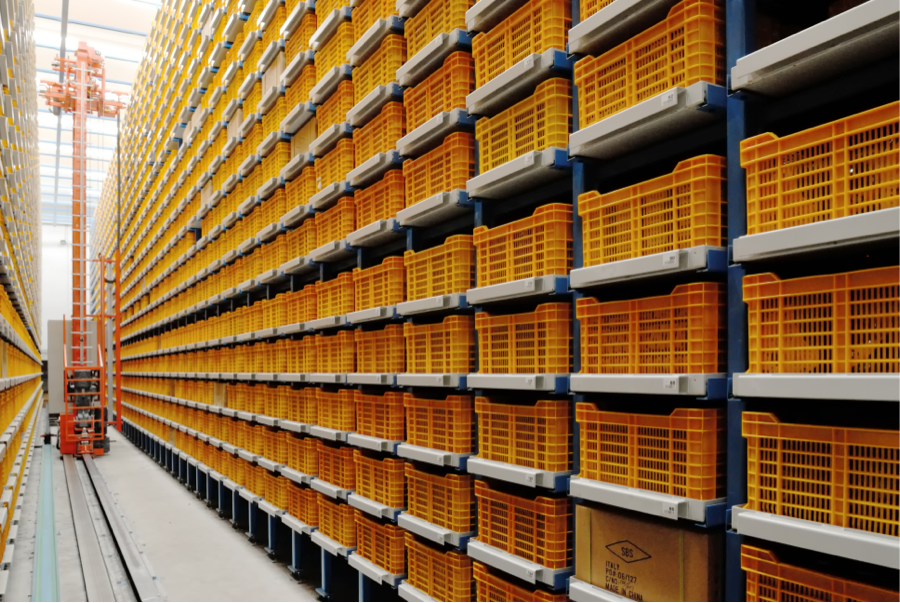 This logistical precision enhances retail partnerships by minimizing delivery window variances, ensuring that storefronts receive fresh inventory exactly when needed. Integrated warehouse management systems coordinate directly with delivery fleets, staging outbound orders based on vehicle routing layouts to maximize loading efficiency. The resulting logistical synergy maintains a continuous, stable product flow from central manufacturing hubs to high-traffic retail shelves, demonstrating the enterprise value of an optimized canned fruit supply.
X. Consumer Psychology and Sustainable Food Trend Realignment
The global food and beverage market is undergoing a profound psychological shift as modern consumers increasingly view shelf-stable packaging options through the lens of carbon preservation and clean nutrition. Preservation is no longer treated merely as a matter of structural product longevity; it has become a baseline requirement for reducing worldwide household food waste. Brands that satisfy these desires through verified eco-friendly credentials, clear component recycling steps, and sugar-free formulations secure an immediate advantage over traditional formats.
Additionally, the rise of health awareness has accelerated the demand for clean-label processed alternatives that actively support metabolic health and organic nutrition. To navigate these changing dynamics smoothly, manufacturers continuously adapt their packaging architectures, emphasizing absolute trace-transparency, component sustainability, and the eradication of chemical trace agents. By aligning product portfolios with these detailed biological and psychological expectations, companies successfully transform potential market disruptions into profitable, long-term growth avenues.
This strategic alignment ensures that VHB remains at the cutting edge of global trade trends, capturing early consumer loyalty and reinforcing long-term premium agriculture distribution sustainability.
XI. Tactical Implementation Roadmap: The Green Modernization Program
Reviewing the deployment blueprint of a comprehensive logistics modernization program demonstrates how global enterprises effectively pair technical infrastructure with human change management. Rather than rushing an unconstrained global rollout, executive networks structure large-scale operational transformations across disciplined, chronological phases designed to secure a predictable return on investment. This meticulous staging ensures that capital outlays generate measurable efficiency gains before subsequent deployment layers are initiated.
Corporate planners managed this specific multi-year infrastructure investment by tracing clear baseline data performance metrics across a select group of pilot manufacturing facilities before scaling the framework globally. This controlled strategy allowed local engineering teams to iron out data synchronization errors early, building internal organizational momentum and setting clear benchmarks for broader plant deployment. By demonstrating undeniable efficiency improvements within these pilot environments, the leadership team secured complete buy-in from regional farming cooperatives and international logistics partners alike.
-
Phase 1: Infrastructure Diagnostic and Fluid Integration (Months 1–6): Operational teams spent the initial phase executing a comprehensive audit of legacy tracking models and deploying cloud-based energy infrastructure across primary flagship factories. Production assets were refitted with smart sensor nodes, establishing the initial data pipelines required to visualize fluid movement, monitor thermal reclamation efficiency, and log real-time energy consumption dashboards across the network, laying the groundwork for a standardized canned fruit supply.
-
Phase 2: Automated Application Scaling and Line Alignment (Months 7–18): Building upon the data architecture established in the pilot stage, the corporation scaled the deployment to include over twenty additional manufacturing plants worldwide. During this phase, core digital applications—including condition-based thermal asset maintenance, overall equipment effectiveness line visibility, and localized batch tracking—were fully integrated into the central management system to eliminate production waste and accelerate regional distribution speeds.
-
Phase 3: Workforce Data Literacy and Green Stabilization (Months 19–24): The final phase concentrated heavily on maximizing long-term workforce adoption through comprehensive shop-floor data literacy training programs. Production workers and localized plant managers received extensive training to ensure that daily operational decisions were completely driven by carbon-neutrality insights, solidifying a corporate culture capable of sustaining heightened net productivity across all channels managed by VHB.
The disciplined rollout of the modernization program shows that structural transformations can be executed successfully without stopping global logistics lines. By combining advanced technology with focused human training, the enterprise unlocked immense supply chain capabilities, reducing waste and directly funding regional expansion. This case study confirms that long-term operational resilience is achieved when corporate modernizations are managed as structured, human-centric evolutions rather than simple technical installations across the global premium agriculture landscape.
XII. Securing Sustainable Leadership in Global Commerce
The successful orchestration of international consumer channels highlights the critical importance of operational agility and focused capital allocation. By prioritizing core growth categories, divesting slower-growing legacy assets, and localizing manufacturing footprints, global enterprises establish highly resilient, margin-durable economic model foundations. Supported by a sophisticated digital architecture, this comprehensive approach ensures that manufacturing networks remain uniquely positioned to navigate raw commodity volatility and shifting consumer demographics.
As the global consumer landscape continues to evolve under the influence of wellness trends, technological breakthroughs, and sustainability mandates, operational adaptability remains the definitive metric of commercial viability. Integrating smart automated platforms with deep, localized route expertise creates a self-sustaining cycle of efficiency. Ultimately, by maintaining an absolute focus on execution excellence and consumer centricity, international partner networks continue to redefine the boundaries of trade success and validate the strategy of maximizing efficiency via a dominant wholesale eco-conscious canned fruit supply for generations to come.