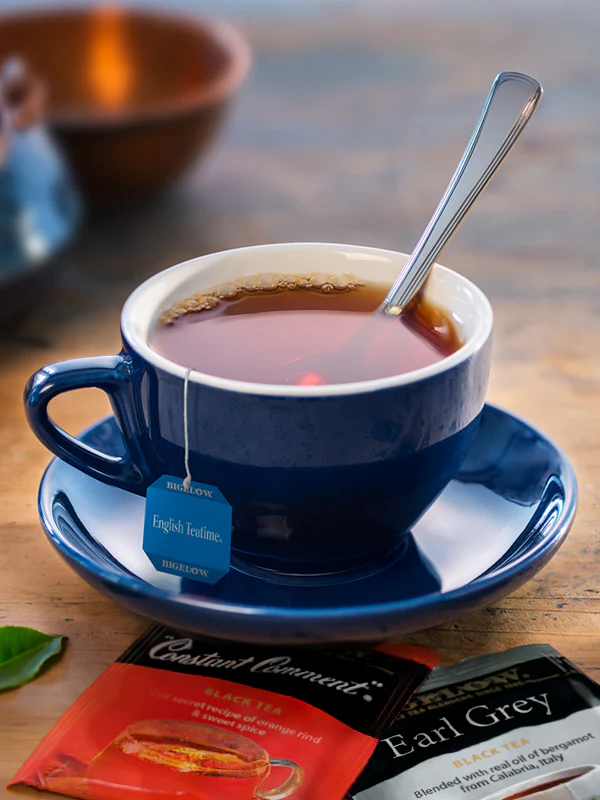
When sourcing premium agricultural commodities globally, understanding the nuances of Black Tea Special SKUs is essential for B2B buyers seeking to satisfy sophisticated consumer demands. The international beverage market has witnessed a significant paradigm shift toward high-quality, traceable, and highly specialized agricultural products. As traditional, generic bulk commodities face intense price competition, international buyers, private label brands, and large-scale packers are turning their focus to customized offerings. This ultimate guide serves as the definitive resource for B2B procurement professionals aiming to navigate the complexities of sourcing premium black tea, understanding global standardizations, and establishing highly resilient supply chains with Vietnamese agricultural exporter, VIHABA.
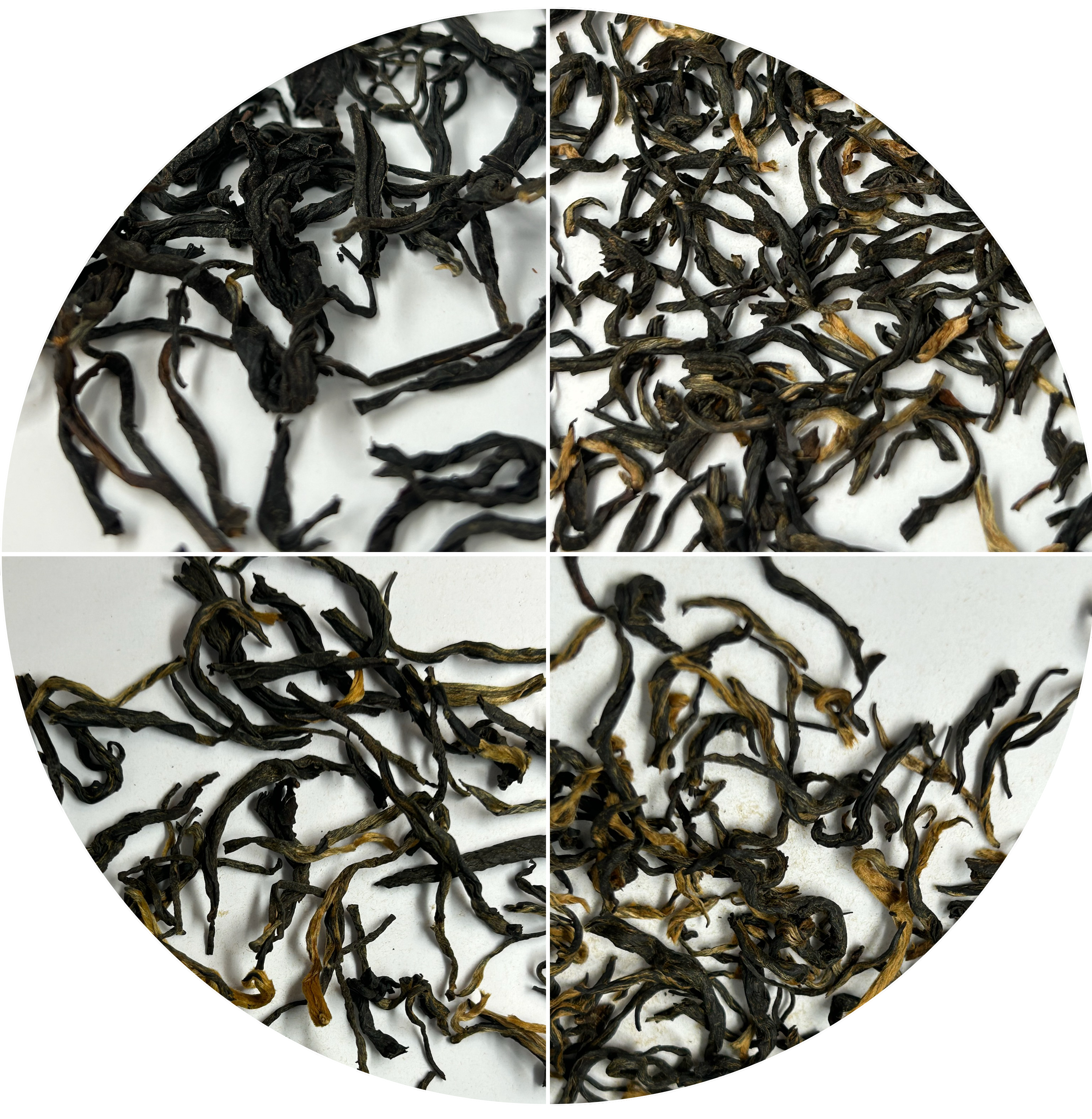
For beverage manufacturers and distributors, consistency is the cornerstone of brand loyalty. A single fluctuation in the flavor profile, color intensity, or leaf size of your tea base can disrupt your entire retail line. Therefore, establishing a reliable sourcing pipeline for customized tea grades is not merely an operational choice; it is a critical strategic advantage. In this comprehensive guide, we will analyze the global market dynamics, regional cultivation characteristics, processing standards, and logistical protocols required to successfully import customized tea grades into international markets.
Table of Contents
- Global Market Dynamics of Black Tea Special SKUs
- Sourcing Premium Black Tea Special SKUs from Vietnam’s Cultivation Regions
- Processing Methodologies and Grade Classification of Black Tea Special SKUs
- Quality Assurance and International Compliance Standards for Black Tea Special SKUs
- Export Packaging, Storage, and Logistics for Black Tea Special SKUs
- Frequently Asked Questions on Sourcing Black Tea Special SKUs
- Conclusion: Secure Your Supply of Black Tea Special SKUs with VIHABA
Global Market Dynamics of Black Tea Special SKUs
The international tea market is no longer driven solely by generic commodity grades. Today, high-growth segments demand specialized formulations, precise leaf sizes, and customized flavor profiles designed to fit specific consumer applications—ranging from traditional loose-leaf premium blends to ready-to-drink (RTD) extractions and high-speed tea bag packaging. This shift has significantly elevated the strategic value of Black Tea Special SKUs in global trade.
B2B buyers face unique market pressures. On one hand, consumers demand absolute transparency, ethical sourcing, and environmental responsibility. On the other hand, economic pressures demand cost efficiency and absolute supply chain reliability. Sourcing customized tea SKUs allows brands to bypass the standardized middleman market, acquiring tea directly tailored to their blending, extraction, or packaging machinery. This customization reduces processing waste, enhances extraction yields, and ensures that the final consumer product consistently hits target sensory benchmarks.
Furthermore, emerging markets in North America, Europe, and the Middle East are experiencing a surge in demand for specialty black tea bases. Whether it is for the creation of aromatic Earl Grey blends, robust English Breakfast variations, or concentrated extracts for the thriving kombucha and RTD beverage sectors, specialized raw materials are the foundation of product innovation. By partnering with direct-from-origin exporters like VIHABA, global buyers can secure customized tea specifications that meet both regional regulatory requirements and precise taste expectations.
Sourcing Premium Black Tea Special SKUs from Vietnam’s Cultivation Regions
Vietnam has consolidated its position as one of the world’s leading tea exporters, thanks to its diverse microclimates, fertile soils, and rich agricultural heritage. For buyers looking for superior quality, diversity of flavor, and cost-effectiveness, understanding Vietnam’s major tea-growing provinces is vital when selecting specific Black Tea Special SKUs.
Yen Bai Province: High-Altitude Excellence
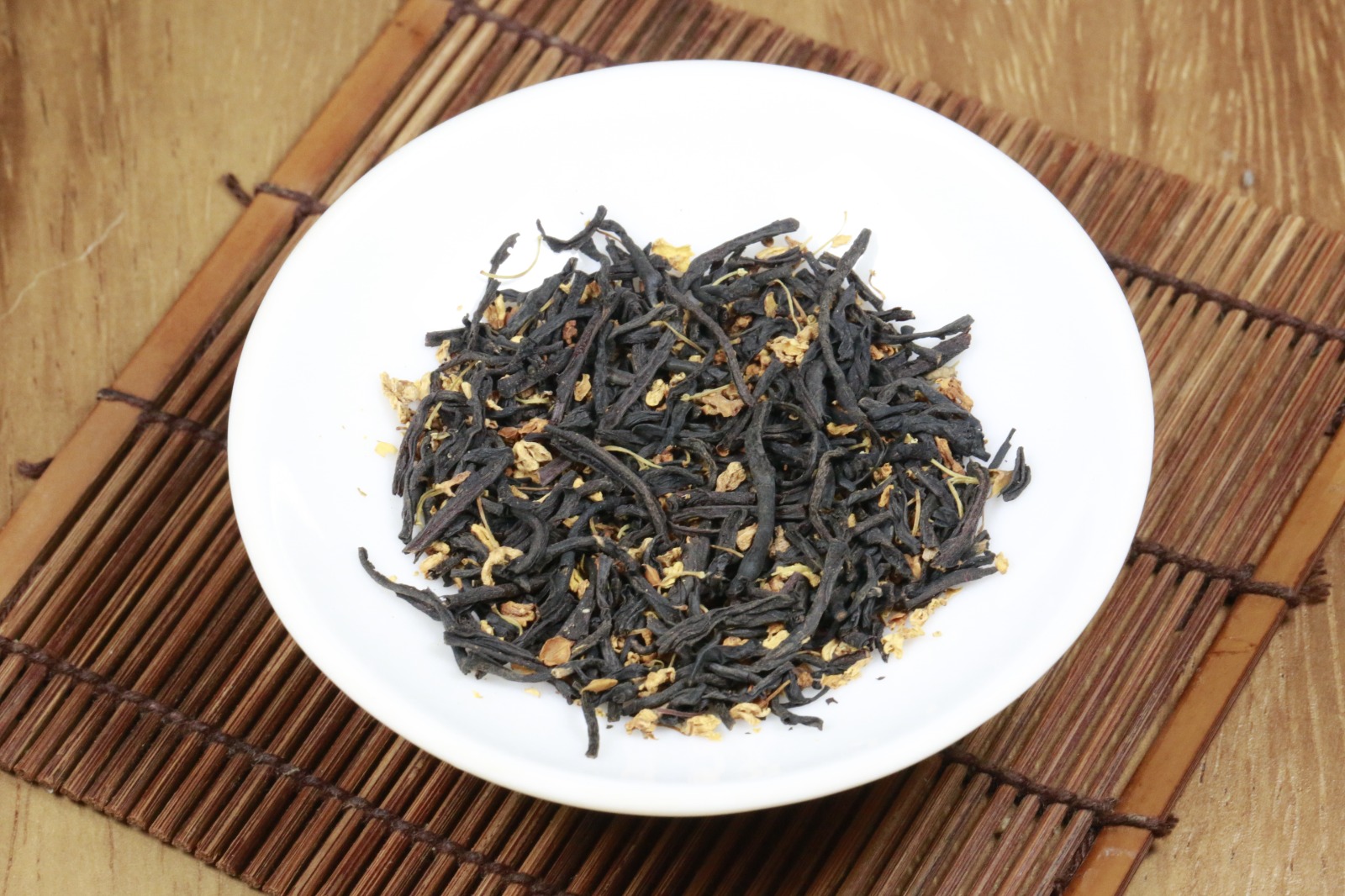
Yen Bai is renowned for its high-altitude tea plantations, particularly in areas like Suoi Giang, where ancient Shan Tuyet tea trees grow naturally at elevations above 1,400 meters. These ancient trees absorb deep mineral nutrients from the soil, producing thick, resilient leaves covered in a delicate silvery down. Black tea processed from these leaves exhibits a complex, sweet, and highly aromatic profile with notes of honey and dried stone fruits. It represents the pinnacle of premium whole-leaf SKUs, targeted at specialty loose-leaf markets where the visual beauty and complex flavor of the leaf are paramount.
Ha Giang Province: Organic and Wild Terroirs
Bordering the northern mountainous frontier, Ha Giang features rugged mountain landscapes and persistent misty weather, creating an ideal microclimate for slow leaf growth. Slow growth concentrates the natural polyphenols and essential oils within the tea leaves. Ha Giang’s output is highly sought after for organic-certified SKUs. The resulting black tea boasts a deep, coppery liquor with a pleasant, lingering astringency and a rich, earthy aroma. For international buyers aiming to satisfy the rapidly growing organic and clean-label beverage segments, Ha Giang is an indispensable origin.
Moc Chau and Lam Dong: Modernized Cultivation and High Volume
For large-scale buyers requiring high volume, high consistency, and specific technical specifications, the plateaus of Moc Chau (in Son La province) and Lam Dong (in the Central Highlands) offer the perfect infrastructure. These regions feature expansive, systematically managed plantations cultivated with high-yielding tea varietals such as Kim Tuyen and Shan. The flat-to-rolling terrain allows for standardized mechanical harvesting and rapid transport to state-of-the-art processing facilities. Lam Dong, in particular, excels in producing highly consistent Orthodox and CTC (Crush, Tear, Curl) grades that serve as the dependable workhorse bases for global blending houses and RTD manufacturers.
Processing Methodologies and Grade Classification of Black Tea Special SKUs
The transformation of freshly harvested Camellia sinensis leaves into export-ready Black Tea Special SKUs requires a masterful combination of traditional craftsmanship and modern agricultural technology. Processing methods dictate not only the final flavor profile but also the physical behavior of the tea during brewing, packaging, and extraction.
The Orthodox Processing Method
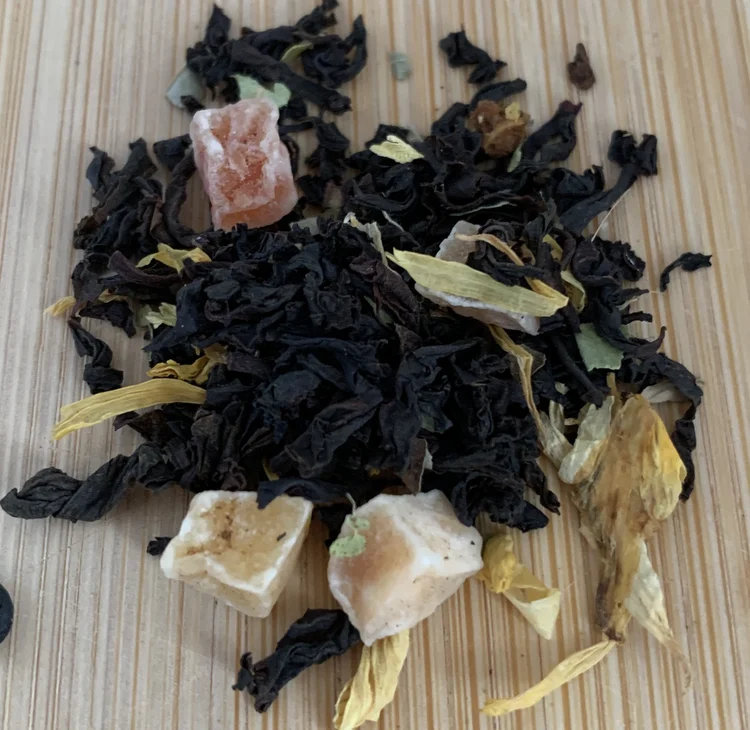
The Orthodox method focuses on preserving the physical integrity of the tea leaf throughout the production cycle. The process consists of five distinct stages:
- Withering: Freshly plucked leaves are spread evenly on troughs where controlled warm air currents reduce their moisture content by 50-60%, making them pliable for rolling.
- Rolling: The withered leaves are subjected to mechanical rolling, which breaks the cell walls and releases the essential juices and enzymes necessary for oxidation without shredding the leaves entirely.
- Oxidation (Fermentation): The rolled leaves are spread in temperature and humidity-controlled rooms. This is the critical stage where chemical reactions transform the green catechins into red-brown theaflavins and thearubigins, developing the characteristic black tea flavor and color.
- Drying (Firing): High-temperature drying halts the oxidation process, locking in the flavor profile and reducing moisture levels to a stable 3-5% for long-term storage.
- Sorting and Grading: The dried tea is passed through mechanical sifters with varying mesh sizes to separate the leaves into distinct grades based on physical size and style.
The CTC (Crush, Tear, Curl) Processing Method
For applications requiring rapid infusion, deep color, and intense strength—such as commercial tea bags and powdered extracts—the CTC method is highly preferred. Instead of rolling, the withered leaves are passed through a series of cylindrical rollers with sharp teeth that crush, tear, and curl the leaves into small, uniform granules. This physical structure exposes a massive surface area, allowing for near-instantaneous extraction when exposed to hot water. CTC processing is highly efficient and offers unmatched homogeneity, making it a critical component of high-volume ingredient supply chains.
Grade Classifications and Technical Specifications
To assist procurement managers in identifying the precise raw materials needed for their operations, the following table details the primary technical specifications of export-grade Black Tea Special SKUs:
| Grade Name | Standard Acronym | Physical Leaf Description | Particle Size Range (mm) | Primary B2B Application |
|---|---|---|---|---|
| Orange Pekoe Special | OP Special | Whole, long, tightly twisted leaves; minimal tip content | 1.5 – 3.5 | Premium loose-leaf retail, single-origin packaging |
| Broken Orange Pekoe | BOP | Uniformly broken, clean-cut leaves; rich aroma | 1.0 – 1.5 | Specialty tea bags, premium breakfast blends |
| Pekoe Fannings Special | PF Special | Small, granular particles; rapid color extraction | 0.5 – 1.0 | High-speed automated tea bag production, catering packs |
| Dust Special Grade | D1 Special | Fine, powder-like particles; maximum liquor strength | 0.2 – 0.5 | RTD extraction, instant soluble powders, bubble tea bases |
Quality Assurance and International Compliance Standards for Black Tea Special SKUs
In modern B2B trade, quality assurance is non-negotiable. Exporters must adhere to stringent global standards to ensure that Black Tea Special SKUs bypass strict customs inspections in major import markets like Europe, North America, Japan, and the Middle East. VIHABA places quality management at the center of its agricultural supply chain.
Agricultural Traceability and GlobalGAP
True quality control begins at the farm level. By implementing GlobalGAP (Good Agricultural Practices) standards, VIHABA ensures that the entire lifecycle of the tea plant is systematically documented. From soil management and water quality testing to the controlled application of fertilizers, every agricultural input is monitored. This level of traceability guarantees that buyers receive a clean, safe, and ethically cultivated product that aligns perfectly with modern corporate social responsibility (CSR) mandates.
Food Safety Certifications: ISO 22000 and HACCP
Our processing facilities operate under strict ISO 22000 and HACCP (Hazard Analysis Critical Control Point) systems. These international standards guarantee that food safety hazards are identified, monitored, and mitigated at every stage of processing, sorting, and packaging. Automated magnetic separators, metal detectors, and air-filtration systems are integrated into our production lines to eliminate any physical, chemical, or biological contaminants before the product is packed for shipment.
Managing Maximum Residue Limits (MRLs)
One of the most complex challenges in global tea sourcing is navigating the diverse and strict Maximum Residue Limits (MRLs) set by importing nations. For example, the European Union (EU) and the United States Food and Drug Administration (FDA) enforce highly rigorous chemical tolerance thresholds. VIHABA addresses this proactively by utilizing independent, third-party laboratory testing (such as Eurofins or SGS) to verify pesticide residue levels. Every export batch is accompanied by comprehensive laboratory analysis certificates, ensuring seamless customs clearance and safeguarding your brand’s reputation.
Export Packaging, Storage, and Logistics for Black Tea Special SKUs
Preserving the sensory profile, delicate aroma, and dry leaf structure of premium tea during cross-border transit is a major logistical challenge. Tea is highly hygroscopic; it easily absorbs moisture and ambient odors from its surrounding environment, which can rapidly degrade its quality. Therefore, specialized packaging and logistics protocols are mandatory for all Black Tea Special SKUs.
Advanced Export Packaging Solutions
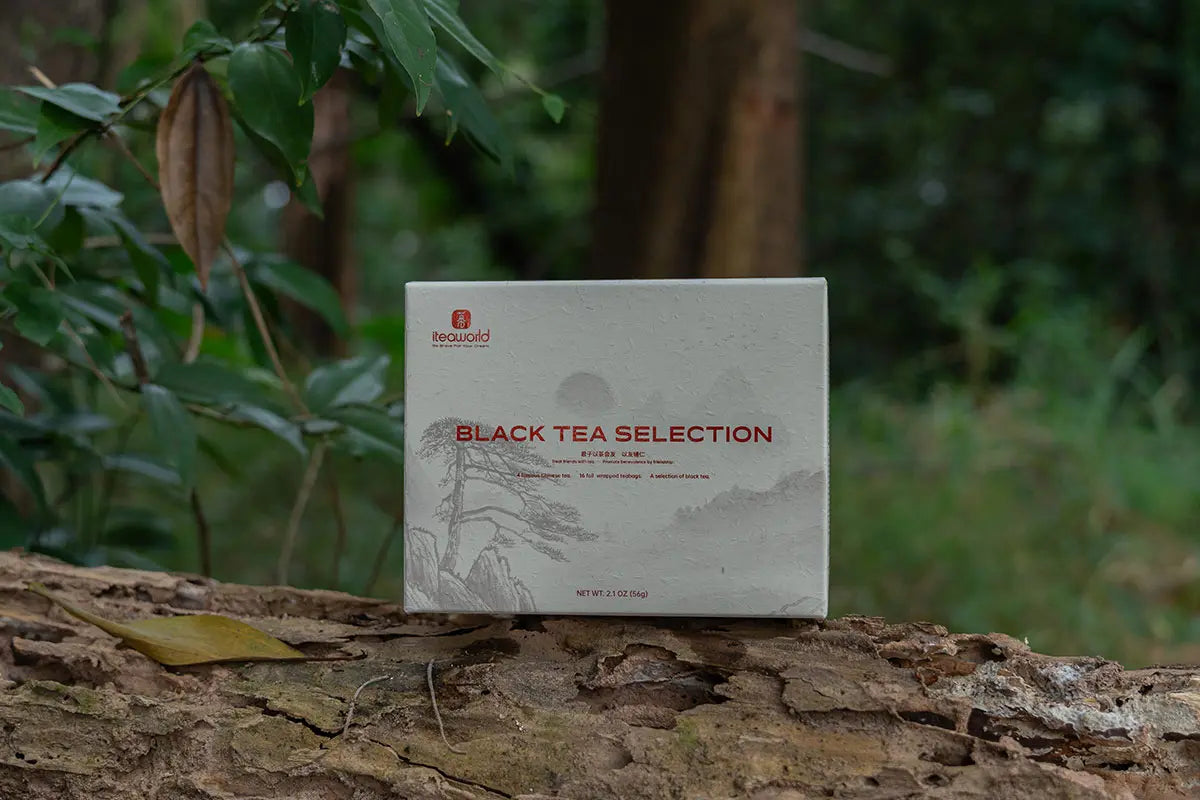
To prevent moisture absorption and physical damage, VIHABA utilizes multi-layer, industrial-grade packaging solutions customized to buyer requirements:
- Multi-layer Kraft Paper Bags: Featuring a food-grade aluminum foil inner lining or high-density polyethylene (HDPE) barrier, these bags offer superior protection against UV light, oxygen, and moisture. They are ideal for high-value Orthodox leaf grades.
- Polypropylene (PP) Woven Jumbo Bags: Designed for high-volume CTC shipments, these heavy-duty bulk bags feature inner liners to protect the granular tea from external dust and moisture during mechanical handling.
- Vacuum-Sealed Bulk Packaging: For ultra-premium, high-altitude SKUs, vacuum sealing removes all oxygen from the packaging environment, suspending the natural aging process and locking in fresh-from-the-factory aromas for up to 24 months.
Container Loading and Transit Best Practices
Logistical management during ocean freight is critical. We ensure that containers are clean, dry, odor-free, and lined with moisture-absorbing desiccant bags to prevent “container sweat” during temperature shifts across different climate zones. Furthermore, we never co-load tea shipments with strong-smelling cargo (such as spices, chemicals, or coffee), ensuring that your customized tea arrives at its destination in its purest organoleptic state.
Frequently Asked Questions on Sourcing Black Tea Special SKUs
What makes Black Tea Special SKUs different from standard tea grades?
Black Tea Special SKUs are customized formulations where leaf size, flavor profile, oxidation level, and density are precisely adjusted to meet a client’s specific blending or extraction requirements. Unlike generic off-the-shelf tea grades, these SKUs offer consistent technical characteristics optimized for industrial beverage machinery, specialty packaging, or specific taste profiles.
How does VIHABA manage quality control and pesticide residue testing?
VIHABA operates a strict quality management system from farm to container. We manage our farms under GlobalGAP standards and process our tea in ISO 22000 and HACCP-certified facilities. Every export batch is subjected to comprehensive third-party testing by accredited laboratories (such as SGS or Eurofins) to ensure compliance with the target market’s Maximum Residue Limits (MRLs) and phytosanitary requirements.
Can the tea grades and particle sizes be customized to our specific blending needs?
Yes, customization is our core strength. We work closely with our B2B clients to tailor the leaf cut, particle size range (from whole leaf OP to fine D1 dust), and chemical extraction profiles to match your specific brewing equipment, packaging formats, or sensory benchmarks.
What are the standard lead times and Minimum Order Quantities (MOQs)?
Standard lead times range from 15 to 30 days depending on the level of SKU customization, packaging requirements, and order volume. Our Minimum Order Quantity (MOQ) typically starts at one 20-foot Full Container Load (FCL), which roughly equates to 10 to 14 metric tons depending on the density of the selected tea grade.
How does packaging preserve the shelf life of exported black tea?
We utilize multi-layer packaging solutions, including kraft paper bags with aluminum foil linings and vacuum-sealed bags. This creates an airtight, lightproof, and moisture-proof barrier that protects the tea’s volatile essential oils from oxidation and humidity, extending the shelf life up to 24 months under dry storage conditions.
Conclusion: Secure Your Supply of Black Tea Special SKUs with VIHABA
In the highly competitive beverage sector, securing a stable, transparent, and responsive supply chain is the key to sustainable growth. Sourcing high-grade Black Tea Special SKUs allows B2B buyers to offer distinct, superior products that capture market share and cultivate deep consumer loyalty. By selecting Vietnam as your origin of choice, you gain access to rich terroirs, specialized microclimates, and cost-effective production methods that deliver exceptional value.
As an established agricultural exporter, VIHABA is committed to being your trusted strategic partner. We bridge the gap between Vietnam’s premium tea plantations and your processing facilities, ensuring absolute compliance with international food safety standards, rigorous quality control, and reliable delivery schedules. Contact our dedicated B2B sales team today to request samples, discuss custom specifications, and secure your supply of premium tea grades tailored exactly to your brand’s unique needs.