
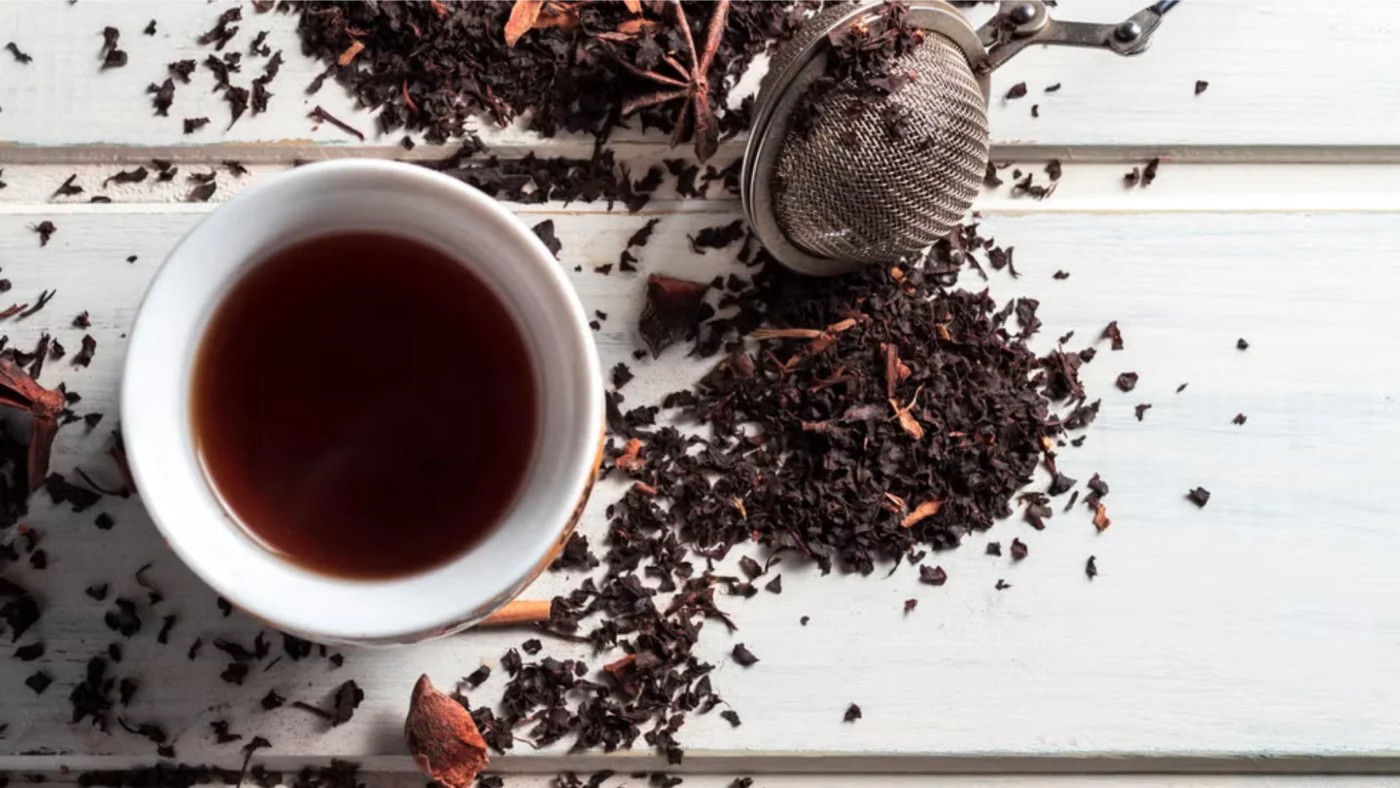
Navigating the global agricultural market requires an in-depth understanding of the Black Tea Distribute Channel, a critical supply network that connects high-quality tea estates with international B2B buyers.
As global demand for premium agricultural commodities continues to rise, establishing a streamlined, transparent, and highly efficient logistics pipeline is paramount for wholesalers, importers, and private label packers. Black tea remains one of the most widely consumed beverages globally, driving a multi-billion-dollar industry where quality, consistency, and compliance dictate market success. In this comprehensive guide, VIHABA, a leading name in international agricultural trade, explores the nuances of sourcing premium black tea, analyzing the primary cultivation landscapes, manufacturing practices, international quality benchmarks, and the complex trade dynamics that govern the global market. To establish a resilient footprint in this industry, partners must closely collaborate with experienced distributors who understand local farming conditions and global supply chain logistics. Discover how a structured black tea distribute channel can optimize your procurement process and guarantee consistent supply year-round.
Table of Contents
- 1. Global Market Overview and the Distribution Ecosystem
- 2. Cultivation Landscapes: Vietnam’s Premium Tea Regions
- 3. Processing Methods: Crafting Orthodox and CTC Black Tea
- 4. Technical Specifications and Grading Standards
- 5. Quality Compliance and International Food Safety Standards
- 6. Export Logistics, Packaging, and Supply Chain Integrity
- 7. Frequently Asked Questions (FAQs)
- 8. Strategic Partnerships in Agricultural B2B Sourcing
The Global Tea Market and the Importance of a Robust Black Tea Distribute Channel
The global black tea market is characterized by a sophisticated network of growers, processors, exporters, and logistics experts. To successfully navigate this market, international buyers must align with an optimized Black Tea Distribute Channel. This channel serves as more than just a transportation pipeline; it is the framework that manages risk, preserves leaf quality, ensures compliance with import tariffs, and maintains complete product traceability from soil to cup.
In recent years, the dynamics of tea distribution have undergone a massive shift. Historically dominated by massive auction systems, modern B2B trade increasingly favors direct-to-origin contract sourcing. This direct approach eliminates unnecessary intermediaries, allowing agricultural brands like VIHABA to offer highly competitive pricing while maintaining stringent quality control over every consignment. A direct and highly coordinated channel ensures that key parameters such as leaf grade, chemical residues, and sensory profiles match the precise requirements of regional markets, whether in North America, Europe, the Middle East, or East Asia.
By bypassing multiple layers of brokers, direct trade channels provide complete supply chain visibility. This transparency is crucial for modern food and beverage brands that must prove the sustainable origin of their raw materials to consumers and regulatory bodies alike. A resilient distribution setup ensures that seasonal fluctuations, shipping delays, and climatic disruptions are actively managed, providing global buyers with consistent supply volumes throughout the fiscal year.
Cultivation Landscapes: Vietnam’s Premium Tea Regions
Vietnam is one of the world’s leading tea producers, boasting a rich agricultural heritage and diverse microclimates that yield unique, high-quality black teas. A successful distribution system heavily relies on sourcing from these key agricultural zones, each characterized by specific soil profiles, elevations, and traditional farming techniques.

Yen Bai Province: High-Altitude Heritage
Located in the mountainous northwestern region of Vietnam, Yen Bai is home to ancient Shan Tuyet tea trees. Growing at altitudes above 1,200 meters, these trees absorb nutrients from deep, mineral-rich mountain soil. The extreme diurnal temperature variations and persistent mountain fog slow the growth of the leaves, concentrating essential oils, polyphenols, and natural sweetness. Black tea produced from these leaves features a rich, honey-like aroma, robust body, and smooth finish, making it a highly sought-after commodity in premium European and North American niche markets.
Phu Tho Province: The Cradle of Industrial Tea Production
Phu Tho serves as the heartland of Vietnam’s commercial and industrial tea sector. With its undulating hills, acidic red-yellow podzolic soils, and abundant rainfall, this province is perfectly suited for large-scale, consistent tea cultivation. The estates here utilize modern agricultural techniques and sustainable soil management practices under GlobalGAP guidelines. Phu Tho predominantly produces high-yielding varieties that are processed into CTC (Crush, Tear, Curl) and Standard Orthodox black teas, forming the backbone of major retail tea blends, iced tea formulations, and private label brands globally.
Lam Dong Province: The Southern Highland Pioneer
Situated on the temperate Bao Loc and Da Lat plateaus, Lam Dong boasts a cool, spring-like climate year-round and basaltic volcanic soil. These unique environmental factors allow for the cultivation of premium Camellia sinensis var. assamica and specialized Taiwanese oolong cultivars that are crafted into exceptionally clean, fragrant black teas. The regional farms place a heavy emphasis on ecological sustainability, water conservation, and chemical-free pest management, making Lam Dong a primary sourcing hub for markets with strict pesticide residue limits, such as Japan and Germany.
Processing Methods: Crafting Orthodox and CTC Black Tea
The transition from a freshly plucked green leaf to a refined black tea ready for export involves a highly technical, multi-stage manufacturing process. The efficiency of a distribution partner is directly linked to the precision of these processing steps, as even minor deviations can dramatically alter the flavor, color, and shelf-life of the final product.

The Five Essential Stages of Black Tea Production
- 1. Withering: Freshly harvested leaves are spread evenly on troughs where controlled warm air is circulated. This reduces the moisture content by 50-60%, making the leaves pliable and initiating enzymatic reactions.
- 2. Rolling / Disruption: The withered leaves are subjected to mechanical rolling. This breaks the cell walls, releasing natural juices and enzymes that are crucial for the next stage of development.
- 3. Oxidation (Fermentation): The rolled leaves are laid out in climate-controlled oxidation rooms. Oxygen reacts with the released enzymes, transforming green catechins into theaflavins and thearubigins. This stage determines the color, depth, and character of the brew.
- 4. Firing (Drying): High-temperature hot air passing through a drying machine stops the oxidation process, reduces the moisture level to approximately 3-5%, and locks in the final flavor profile.
- 5. Sorting and Grading: Using vibrating meshes and electrostatic sorters, the dried tea is classified by particle size, from whole leaf (Orange Pekoe) to broken leaves, fannings, and dust.
Orthodox vs. CTC Processing Methods
Importers must understand the distinction between Orthodox and CTC processing when planning their procurement. Orthodox processing respects traditional methods, focusing on preserving the leaf’s physical integrity. It yields complex, nuanced flavor profiles ideal for specialty retail and premium loose-leaf packaging. Conversely, CTC (Crush, Tear, Curl) processing uses heavy machinery to chop and roll the leaves into uniform, granular pellets. This method maximizes surface area, resulting in a fast-brewing, intense, and highly colored liquor—perfect for mass-market tea bags, instant tea powders, and industrial beverage concentrates.
International Quality Standards within the Black Tea Distribute Channel
A standardized grading framework is vital for smooth transactions across any international Black Tea Distribute Channel. This allows buyers and sellers to communicate product quality without physical pre-shipment sampling in every instance. The following table highlights the physical and chemical standards of premium Vietnamese black tea exported by VIHABA:
| Tea Grade / Parameter | Leaf Style & Appearance | Infusion & Cup Profile | Moisture & Chemical Spec | Target B2B Market |
|---|---|---|---|---|
| Orange Pekoe (OP) | Long, well-twisted, clean whole leaves without stalks. | Bright, golden liquor; smooth, delicate, floral aroma. | Moisture < 6.0%, Ash < 6.5% | Premium Specialty Brands (Europe, US) |
| Pekoe (PEK) | Shorter, curly, slightly open leaves, uniform sizing. | Deep amber cup; robust, malty, medium-bodied finish. | Moisture < 6.2%, Ash < 6.5% | Wholesale Packagers, Retail Blenders |
| Broken Orange Pekoe (BOP) | Evenly broken, neat leaf particles with high density. | Rich reddish-brown liquor; strong, bold, full-flavored. | Moisture < 6.5%, Extract > 32% | Middle Eastern and Eastern European Markets |
| CTC (BOP1 / BP1 / PF1) | Consistent, hard, dark brown granular pellets. | Very dark, intense liquor; quick brewing, highly astringent. | Moisture < 5.5%, Extract > 35% | Mass-Market Tea Bags, RTD Beverage Plants |
Understanding these grade-specific physical and chemical attributes allows B2B procurement managers to optimize their formulations, ensuring their consumer-facing products deliver the identical taste profile and sensory experience across every batch.
Quality Compliance and International Food Safety Standards
International agricultural trade operates under a strict framework of phytosanitary regulations and safety compliances. A premium distribution pipeline must incorporate rigorous quality assurance programs at every node of the supply chain. Import authorities in target destinations like the European Union (EFSA) and the United States (FDA) enforce stringent maximum residue limits (MRLs) for agricultural chemicals, heavy metals, and microbiological contaminants.
To meet these global requirements, VIHABA works hand-in-hand with cultivation partners to implement Integrated Pest Management (IPM) practices, reducing chemical reliance in favor of biological alternatives. Our processing facilities operate under globally recognized food safety standards, including ISO 22000, HACCP, and Halal certifications. Furthermore, for companies targeting ethically conscious consumer demographics, we offer teas certified by the Rainforest Alliance and GlobalGAP, proving our dedication to environmental protection, biodiversity conservation, and fair labor practices across all agricultural operations.
Every single consignment undergoes intensive laboratory analysis prior to vessel loading. This includes screening for pesticide residues, moisture verification, microbiological plating, and heavy metal testing. Providing buyers with comprehensive Certificates of Analysis (CoA) and Phytosanitary Certificates ensures absolute peace of mind and frictionless customs clearance at destination ports, cementing our reputation as a highly secure link in your international sourcing network.
B2B Export Logistics, Packaging, and Supply Chain Integrity
Even the finest tea can suffer quality degradation if the downstream logistics are poorly handled. The preservation of leaf freshness, aroma, and dry texture is a critical priority for VIHABA’s trade network. Tea is highly hygroscopic, meaning it readily absorbs moisture, odors, and environmental contaminants from its surrounding environment during transport.
To prevent spoilage, our export-grade packaging is engineered to withstand long sea transits and varying climatic conditions. We utilize multi-walled Kraft paper bags featuring internal aluminum foil barriers or high-density polyethylene (HDPE) liners. For industrial buyers who process large volumes, we provide flexible intermediate bulk containers (FIBCs/Jumbo bags) that optimize cargo handling efficiency. For specialty whole-leaf teas, vacuum-packaging technology is applied to totally halt oxidation and lock in volatile aromatics during transport.
Our logistical operations are structured around major maritime hubs like Haiphong and Ho Chi Minh City ports, offering streamlined connections to global shipping lanes. By utilizing real-time container tracking, climate-controlled warehousing, and reliable freight forwarders, we ensure our global partners benefit from predictable lead times, minimal port delays, and complete supply chain transparency from our processing facilities directly to your distribution center.
Frequently Asked Questions (FAQs)
What are the primary factors to evaluate when selecting a Black Tea Distribute Channel partner?
A B2B buyer should prioritize supply chain transparency, international food safety certifications (such as ISO 22000 or HACCP), consistent volume capacity, and origin traceability. Working directly with an established exporter like VIHABA guarantees direct oversight from harvest to delivery, eliminating middleman markups and mitigating trade risks.
What is the typical shelf life of export-grade bulk black tea?
When stored in optimal conditions—dry, cool, out of direct sunlight, and in its original sealed, moisture-barrier packaging—bulk black tea maintains its peak sensory quality and physical integrity for up to 24 to 36 months from the date of manufacture.
Can VIHABA customize black tea blends and grading sizes for bulk B2B orders?
Yes, we offer fully customizable processing, sorting, and blending options. Whether your product requires specific leaf sizes for pyramid tea bags, dense CTC pellets for fast brewing, or unique blends with dried botanicals, our physical processing plants can adapt specifications to match your exact formulations.
What are the typical minimum order quantities (MOQ) and delivery terms for global trade?
Our standard MOQ for international bulk ocean freight starts at 1x20ft container (approx. 10 to 12 metric tons, depending on tea grade density). We offer flexible delivery terms, including FOB, CIF, CFR, and FOB destination, depending on your company’s logistics capabilities and risk preferences.
How does Vietnam’s black tea compare to other global origins in terms of pricing and quality?
Vietnam’s black tea offers an exceptional balance of price and quality. Due to favorable agricultural conditions, competitive labor costs, and modernized processing infrastructure, Vietnamese teas provide a highly cost-effective option for blenders, beverage manufacturers, and private labels without compromising on taste profile or international safety compliance.
Conclusion: Leveraging VIHABA’s Black Tea Distribute Channel for Global Growth
Sourcing premium agricultural commodities in today’s volatile global market demands more than just a vendor; it requires a highly collaborative, strategic partnership. Developing a secure, reliable, and compliant Black Tea Distribute Channel is the ultimate solution to securing consistent raw materials, minimizing manufacturing overheads, and safeguarding product quality for international consumer markets.
At VIHABA, we combine decades of local agricultural expertise, rigorous quality control systems, and optimized global logistics networks to deliver premium black tea that complies with the most demanding global import standards. By partnering with us, you gain access to a transparent, reliable, and efficient supply chain engineered to support your business expansion. Contact VIHABA’s B2B trade division today to discuss your black tea sourcing requirements, request product samples, and discover how our custom-tailored supply chain solutions can drive profitability and sustainable growth for your global brand.