
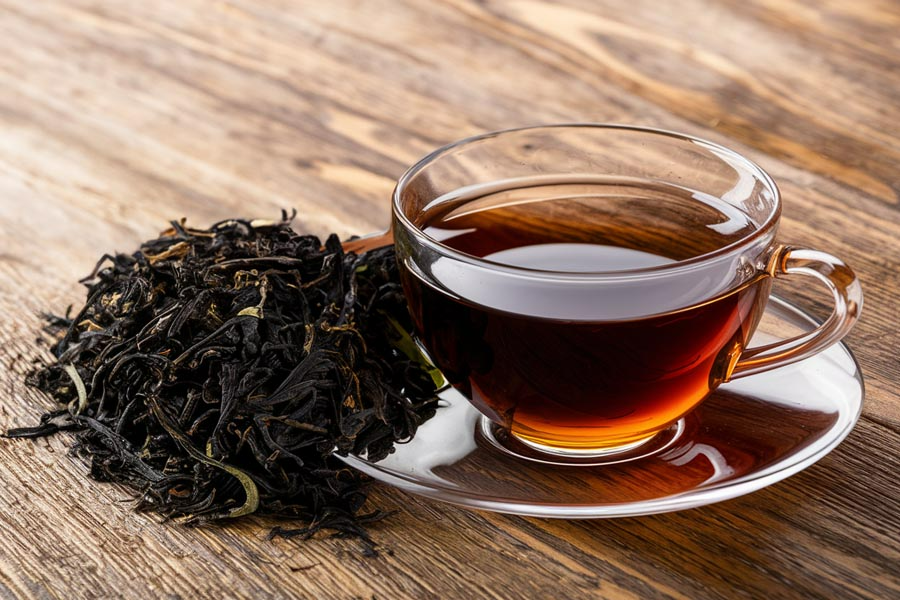
Sourcing premium agricultural commodities requires a deep understanding of the Black Tea Origin, as terroir, cultivation methods, and regional microclimates directly dictate the final cup profile. For international B2B buyers, food manufacturers, and global beverage brands, procuring black tea is not merely a transactional purchase; it is a strategic decision that impacts product consistency, flavor stability, and bottom-line profitability. As global supply chains shift toward transparency and resilience, identifying a reliable origin that combines heritage agriculture with modern processing standards has become paramount.
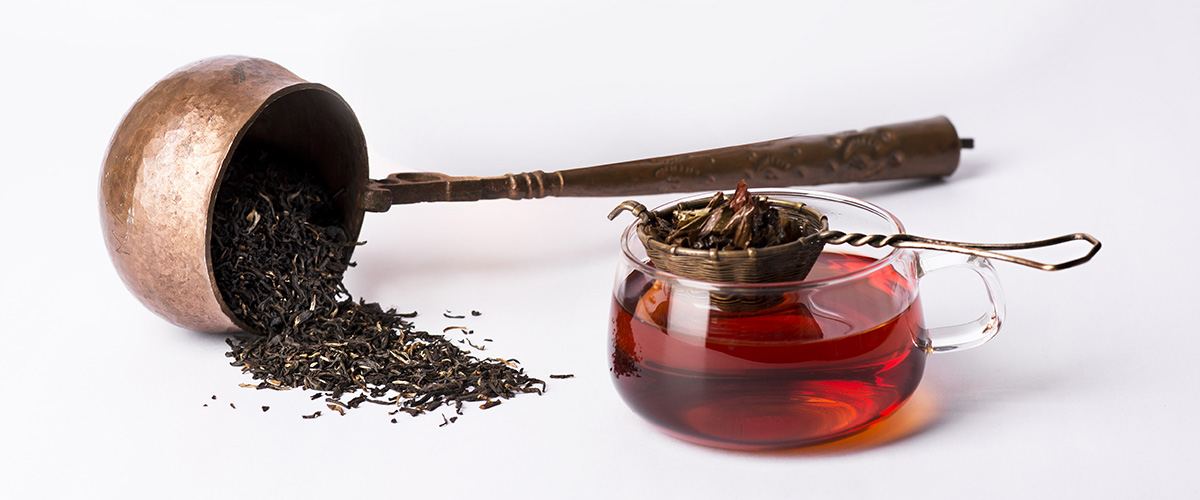
This comprehensive guide serves as the definitive resource for B2B professionals navigating the global tea supply chain. We analyze the critical role of geographical origin, highlight the competitive advantages of sourcing from Vietnam’s pristine highlands, and dissect the rigorous processing and grading frameworks that guarantee premium quality. Whether you are blending for a global brand or sourcing raw materials for RTD (Ready-To-Drink) beverages, understanding these dynamics will optimize your procurement strategy.
Table of Contents
- What is the Significance of Black Tea Origin in Global Trade?
- Vietnam as a Premium Black Tea Origin: Terroir and Cultivation Regions
- From Leaf to Export: Processing Methods at the Black Tea Origin
- Grading Standards and Specifications for Global B2B Import
- International Quality Standards and Sustainability Certifications
- Logistics, Custom Packaging, and Supply Chain Security
- Frequently Asked Questions
- Conclusion: Partnering with VIHABA for Reliable Sourcing
What is the Significance of Black Tea Origin in Global Trade?
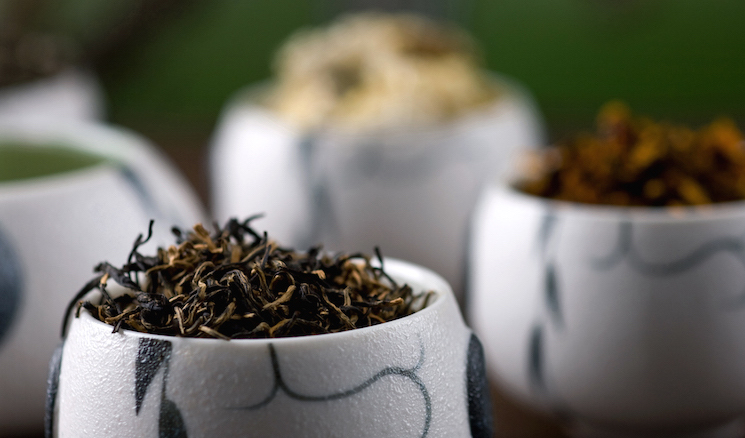
In the global beverage industry, origin is the single most influential factor determining a tea’s chemical composition, flavor notes, and market value. Just like wine appellations, tea plants (Camellia sinensis) absorb the distinct characteristics of their environment—a concept known as terroir. Factors such as soil pH, altitude, ambient humidity, temperature fluctuations between day and night, and annual rainfall play a critical role in the accumulation of polyphenols, amino acids, and essential oils within the tea leaves.
When evaluating a potential Black Tea Origin, global distributors must assess chemical compositions. For instance, high-altitude regions produce slower-growing leaves that develop concentrated aromatic compounds, resulting in complex, floral, and bright liquors. Conversely, low-altitude, tropical origins tend to produce robust, high-tannin teas with rich, malty flavors, which are ideal for CTC (Crush, Tear, Curl) production and tea bag blending. Understanding these regional variations allows B2B buyers to select the exact origin that aligns with their target market’s palate and application requirements.
Furthermore, origin traceability has evolved from a consumer trend into a strict regulatory requirement. Modern retail markets demand complete transparency from farm to cup. Sourcing from a verified origin ensures that buyers can trace agricultural practices, pesticide usage, and labor conditions, mitigating corporate risk and enhancing brand equity in highly competitive consumer markets.
Vietnam as a Premium Black Tea Origin: Terroir and Cultivation Regions
As one of the world’s leading tea exporters, Vietnam has rapidly emerged as a highly sought-after Black Tea Origin. The country boasts an ancient tea culture combined with vast, fertile highlands that offer microclimates perfectly suited for cultivating high-yield, premium-quality tea cultivars. Vietnamese black tea is celebrated for its smooth profile, low astringency, and versatility in blending, making it an excellent foundation for both retail packaging and commercial beverage formulations.
The Northern Highlands: Lao Cai, Yen Bai, and Ha Giang
The mountainous provinces of Northern Vietnam represent some of the most pristine tea-growing environments on Earth. Nestled at altitudes ranging from 800 to over 1,500 meters above sea level, these regions feature cool climates, constant mist, and mineral-rich, organic soil.
Notably, Yen Bai is home to the famous Suoi Giang area, renowned for its ancient, wild-growing Shan Tuyet tea trees, some of which are hundreds of years old. The black tea produced from these ancient leaves exhibits an extraordinary depth of flavor, marked by natural honeyed sweetness, woody undertones, and a remarkably smooth finish. Sourcing from this northern origin allows B2B brands to market exclusive, single-origin, artisanal products that command premium retail pricing.
Lam Dong (Da Lat) and the Central Highlands
Located in the southern half of the country, the Central Highlands—specifically the Lam Dong province and the Da Lat plateau—provide a highly consistent, temperate environment for year-round tea cultivation. Blessed with fertile red basalt soil and steady precipitation, this region specializes in high-quality black tea varieties, including premium Oolong-derived black teas and high-grade CTC teas. The modern plantation systems in Lam Dong are highly mechanized, allowing for large-scale, uniform production that meets the high-volume demands of international beverage conglomerates. The black tea from Lam Dong is characterized by its bright amber liquor, medium body, and clean, crisp flavor profile, which serves as a perfect base for RTD iced teas and classic milk tea formulations.
From Leaf to Export: Processing Methods at the Black Tea Origin
The transition from freshly harvested green leaf to a stable, aromatic export commodity involves a series of highly controlled biochemical and mechanical steps. At any premium Black Tea Origin, processing facilities must balance traditional craftsmanship with advanced industrial machinery to preserve the leaf’s natural properties while ensuring consistent physical and sensory specifications.
Orthodox Processing: Preserving Whole-Leaf Elegance
Orthodox processing is designed to maintain the physical integrity of the tea leaf throughout production. This traditional method is highly favored for premium grades and specialty loose-leaf markets. The process begins with careful hand-plucking (typically the bud and two leaves), followed by withering to reduce moisture content and make the leaves pliable.
Next, the leaves are gently rolled to rupture cell walls, releasing essential oils and initiating the enzymatic oxidation process. Oxidation is meticulously monitored under strict temperature and humidity controls; too much oxidation leads to flat, sour notes, while under-oxidation results in grassy, astringent flavors. Once the optimal chemical transformation is achieved, the leaves are fired (dried) to halt oxidation, lock in the flavor profile, and reduce final moisture content to below 5% for long-term storage stability.
CTC (Crush, Tear, Curl) Processing: Maximizing Extraction and Strength
For high-volume markets, tea bag brands, and commercial extraction plants, CTC processing is the industry standard. Instead of rolling, the withered green leaves are passed through a series of cylindrical rollers with sharp teeth that crush, tear, and curl the leaves into uniform, spherical pellets.
This aggressive mechanical action accelerates the oxidation process, producing a tea that oxidizes rapidly and evenly. CTC black tea is highly valued for its intense, robust flavor, deep red liquor, and rapid infusion rate. It is the ideal raw material for quick-brewing tea bags and industrial liquid extraction, where fast, efficient, and highly concentrated color and flavor yield are required.
Grading Standards and Specifications for Global B2B Import
To facilitate international trade and ensure clear communication between exporters and B2B buyers, black tea is categorized using standardized grading systems based on particle size, leaf appearance, and processing type. Understanding these grades is essential for precise sourcing, as they directly correlate with brewing performance, pricing, and final application suitability.
The following table outlines the key technical specifications and grading standards commonly utilized at premium black tea origins:
| Grade / Abbreviation | Processing Type | Leaf Specification | Flavor Profile & Liquor | Target Application |
|---|---|---|---|---|
| OP (Orange Pekoe) | Orthodox | Long, thin, tightly rolled whole leaves; minimal buds. | Light, highly aromatic, sweet and smooth. Bright golden-orange. | Premium loose-leaf retail, specialty tea shops. |
| BOP (Broken Orange Pekoe) | Orthodox | Uniformly broken, smaller leaf particles; rich in flavor. | Medium-bodied, brisk, balanced astringency. Rich red-amber. | Standard tea bags, custom retail tea blends. |
| Fannings (PF / OF) | Orthodox / CTC | Very small, fine leaf fragments; high surface area. | Strong, robust, quick infusing, highly astringent. Dark red. | Mass-market tea bags, quick-brew consumer packs. |
| CTC PF1 / PD (Pekoe Fannings / Pekoe Dust) | CTC | Fine, uniform granular pellets; highly consistent size. | Extremely intense, bold, malty, highly concentrated extraction. Deep crimson. | Industrial liquid extraction, RTD bottled teas, premium tea bags. |
International Quality Standards and Sustainability Certifications
Global food safety regulations and conscious consumerism have made quality certifications non-negotiable in B2B agricultural trade. When sourcing from any Black Tea Origin, buyers must verify that the processing facilities and agricultural plantations adhere to rigorous international frameworks to ensure safety, traceability, and ethical practices.
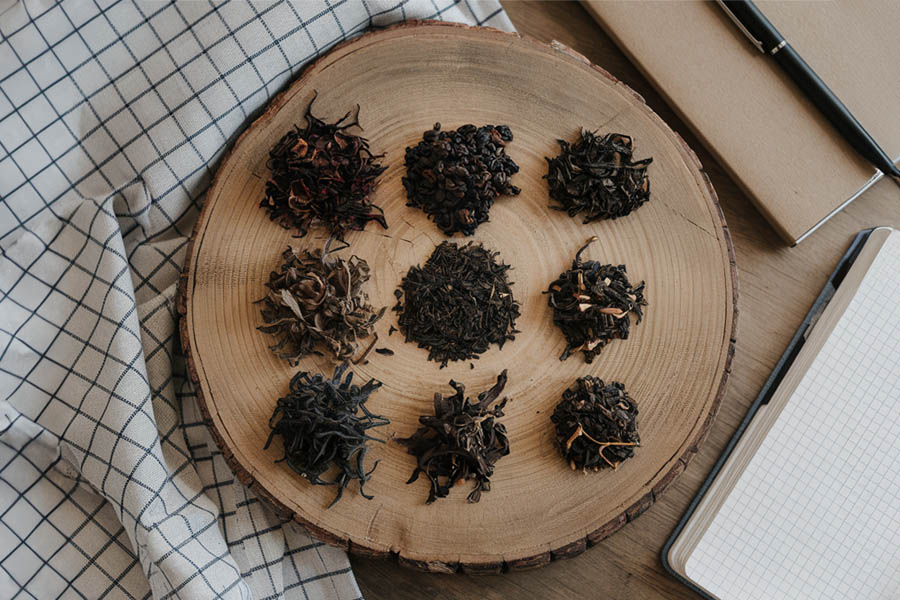
A reputable export partner ensures compliance with the following benchmark certifications:
- HACCP & ISO 22000: These fundamental food safety management systems ensure that hazards are identified, analyzed, and controlled at every phase of cultivation, processing, and packaging, eliminating biological, chemical, and physical contamination.
- GlobalGAP: Good Agricultural Practices certification guarantees that the tea is cultivated using sustainable farming methods, minimizing environmental impact, optimizing water usage, and ensuring the health and safety of agricultural workers.
- Rainforest Alliance & Organic Certifications: These premium credentials verify that the tea is produced in accordance with strict social, economic, and environmental standards, fostering biodiversity conservation and protecting local communities. Sourcing certified organic black tea provides a significant competitive edge in premium Western markets.
- Halal & Kosher: Crucial for global market penetration, these religious dietary certifications open doors to massive consumer segments across Southeast Asia, the Middle East, North America, and Europe.
Logistics, Custom Packaging, and Supply Chain Security
Maintaining the sensory qualities of black tea during transoceanic shipping requires specialized packaging and meticulous logistics coordination. Tea is highly hygroscopic; it readily absorbs moisture, humidity, and surrounding odors, which can rapidly degrade its flavor profile, compromise shelf life, and lead to mold formation during sea transit.
To preserve quality from the origin to the destination warehouse, professional exporters utilize multi-layered, moisture-barrier packaging solutions. Standard bulk export configurations include heavy-duty, multi-wall Kraft paper sacks lined with aluminum foil or food-grade polyethylene (PE) bags. For premium loose-leaf grades, vacuum sealing in heavy-duty laminate pouches is highly recommended to eliminate oxygen exposure and preserve delicate volatile aromatic compounds.
Furthermore, shipping containers (typically 20ft or 40ft FCL) must be thoroughly inspected for structural integrity, moisture, and odors prior to loading. The use of high-absorption silica gel desiccant bags and specialized container liners protects the cargo from ‘container rain’—condensation caused by rapid temperature fluctuations during sea voyage. By partnering with an experienced exporter like VIHABA, global buyers benefit from optimized container loading configurations, complete customs clearance documentation, and real-time shipment tracking, ensuring a seamless, worry-free import experience.
Conclusion: Partnering with VIHABA for Reliable Sourcing
Selecting the optimal Black Tea Origin is one of the most critical decisions a B2B tea buyer can make to secure flavor consistency, product quality, and cost efficiency. Vietnam’s diverse highland terroirs, coupled with versatile processing capabilities, present an extraordinary opportunity for international brands looking to diversify and strengthen their tea supply chains.
As a leading Vietnamese agricultural exporter, VIHABA is committed to bridging the gap between local growers and global markets. We provide direct access to premium Vietnamese black tea origins, state-of-the-art processing facilities, custom packaging solutions, and complete trade compliance support. Let us help you elevate your beverage portfolio with traceably sourced, high-performing black tea. Contact the sourcing experts at VIHABA today to discuss your specific bulk requirements, request product samples, or schedule a virtual facility tour.