
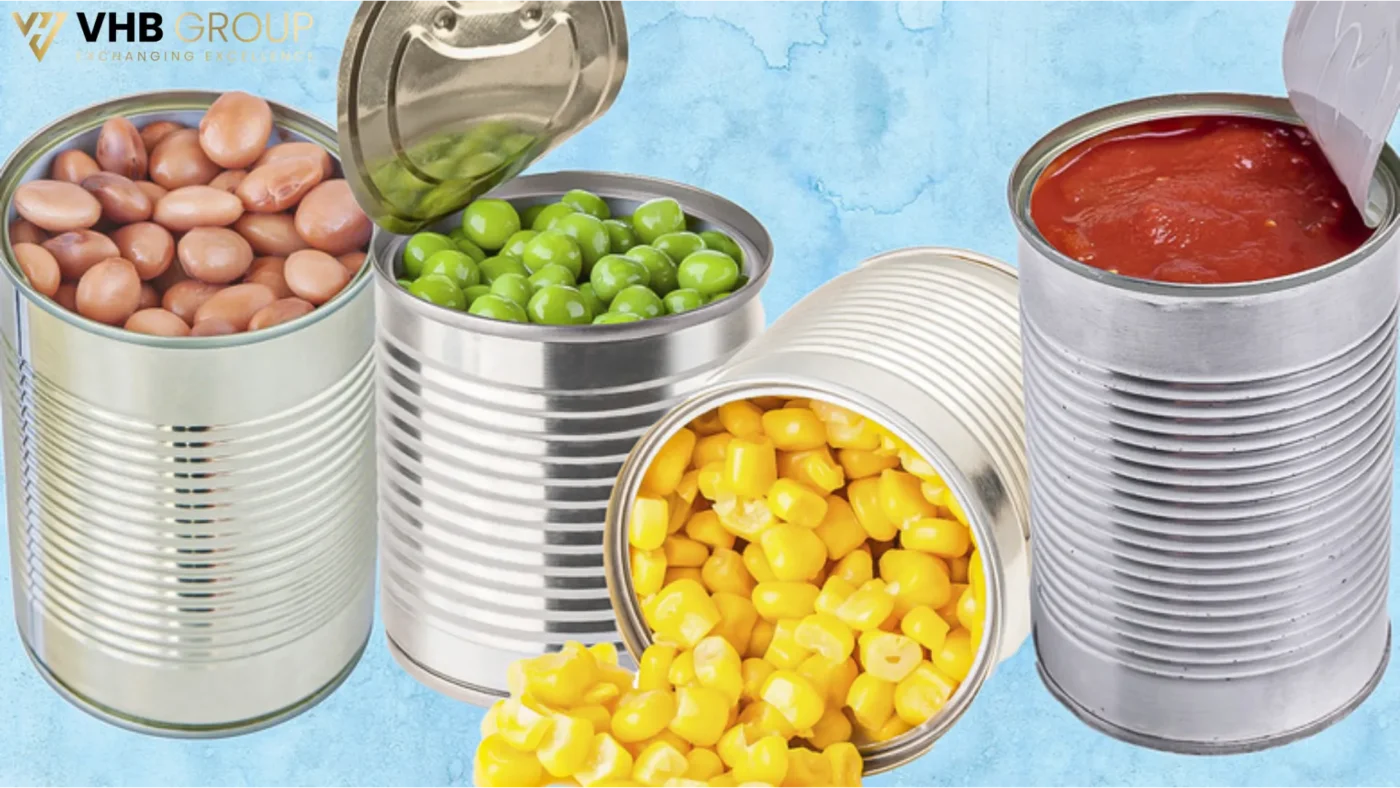
In the highly competitive global agribusiness landscape, establishing a resilient and reliable Canned Fruit Bulk Export Distribution Network is essential for food manufacturers, wholesalers, and retail chains seeking to secure consistent year-round supply. As consumer demand for shelf-stable, convenient, and nutrient-rich preserved foods escalates across Europe, North America, and the Asia-Pacific region, B2B buyers must partner with experienced agricultural exporters to optimize their supply chains. Utilizing an integrated canned fruit bulk export distribution network ensures that premium tropical and temperate fruits are harvested, processed, and shipped under strict quality-controlled conditions, mitigating the seasonal volatility inherent in raw agricultural sourcing.
For international distributors, procurement is not merely about transaction volume; it is about securing a partner who understands the intricacies of GlobalGAP compliance, international phytosanitary standards, and efficient multi-modal ocean logistics. This comprehensive guide details how agricultural sourcing, rigorous quality assurance, advanced thermal processing, and optimized global distribution networks converge to deliver premium wholesale canned fruits from the fertile agricultural hubs of Vietnam and Southeast Asia directly to global markets.
Table of Contents
- Evaluating the Infrastructure of a Canned Fruit Bulk Export Distribution Network
- Quality Control Standards and Global Certifications in Fruit Processing
- Key Specifications and Product Varieties Offered
- Logistics, Cold Chain Management, and Ocean Freight Navigation
- Key Benefits of Partnering with a Canned Fruit Bulk Export Distribution Network
- How VIHABA Streamlines the Canned Fruit Bulk Export Distribution Network
- Pricing Dynamics and Market Trends in the Global B2B Fruit Trade
- Frequently Asked Questions (FAQ)
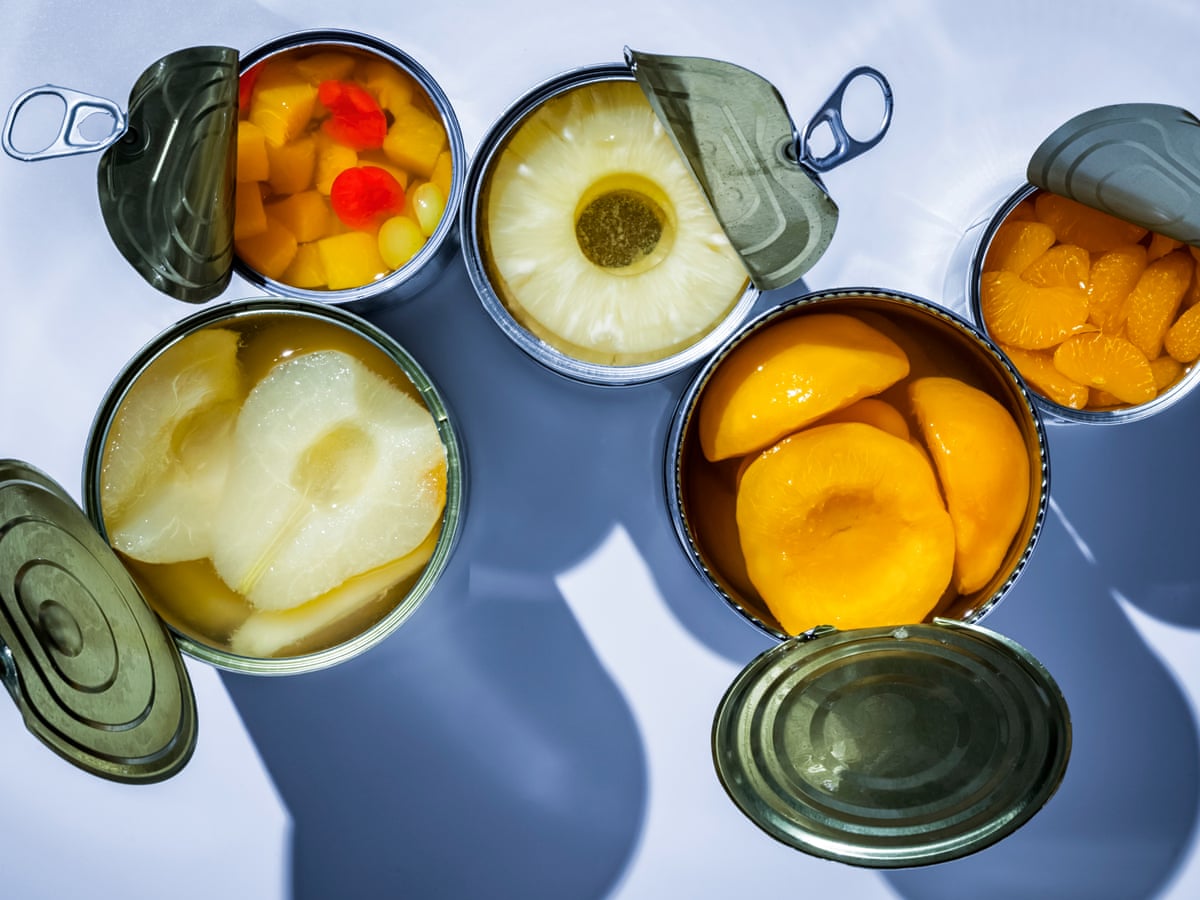
Evaluating the Infrastructure of a Canned Fruit Bulk Export Distribution Network
To fully appreciate the efficiency of a global supply chain, one must analyze the infrastructure underpinning a modern Canned Fruit Bulk Export Distribution Network. The journey begins in the vast agricultural hubs of Southeast Asia, where tropical fruits such as pineapples, mangoes, lychees, and rambutans thrive in nutrient-rich alluvial soils. An established exporter like VIHABA works directly with certified agricultural cooperatives to oversee cultivation practices, ensuring that the fruit is grown under sustainable conditions that align with international standards.
Sourcing raw agricultural commodities requires an intricate balance between microclimate management and harvest timing. Farmers in our network implement Integrated Pest Management (IPM) protocols, limiting chemical residues while optimizing soil fertility through organic compost and natural crop rotation. Once the fruit reaches its peak physiological maturity—determined by strict Brix (sugar content) and pressure testing—it is manually harvested to prevent mechanical bruising and immediately transported to state-of-the-art post-harvest facilities.
The transition from farm to processing plant is highly time-sensitive. Standard operations require fruits to be transported in well-ventilated, temperature-regulated trucks to prevent premature fermentation or enzymatic degradation. Upon arrival at the processing facility, automated optical sorting lines segregate the raw materials based on color, size, and ripeness. This meticulous preprocessing phase ensures that only uniform, high-quality agricultural products enter the sterilization and canning lines, laying the foundation for a reliable global export network.
Quality Control Standards and Global Certifications in Fruit Processing
In B2B food import-export operations, food safety and quality assurance are non-negotiable. Leading distribution networks must comply with stringent international standards to guarantee that processed fruits are free from biological, chemical, and physical hazards. The cornerstone of quality assurance in our canning facilities is the Hazard Analysis Critical Control Point (HACCP) system, supplemented by ISO 22000 and British Retail Consortium Global Standards (BRCGS) certifications.
The preservation process relies on precise thermal processing (retortion or commercial pasteurization) designed to eliminate pathogens such as Clostridium botulinum while preserving the fruit’s organoleptic properties—its natural color, firm texture, and vibrant flavor profile. Sliced, diced, or whole fruits are filled into high-grade tinplate cans coated with food-safe, BPA-free lacquer, which prevents corrosion and chemical interactions between the acidic fruit and the metal packaging.
Before sealing, the cans undergo steam vacuum exhausting to remove oxygen, thereby preventing oxidation and preserving essential vitamins, particularly Vitamin C, during shelf life. The double-seaming process is monitored using automated visual inspection and destructive seam analysis to verify structural integrity. Post-seaming, the canned products undergo high-pressure thermal sterilization, followed by rapid cooling to prevent overcooking. Every batch is then incubated for a minimum of 14 days at controlled temperatures to perform microbiological swabbing and stability testing before receiving final clearance for global shipment.
Key Specifications and Product Varieties Offered
A versatile Canned Fruit Bulk Export Distribution Network must offer a wide array of products tailored to the precise specifications of industrial buyers. Whether sourcing for bakery applications, dairy processing, confectioneries, or retail shelf stocking, purchasers require highly defined technical parameters. VIHABA offers an extensive catalog of premium canned fruits, including Queen and Cayenne pineapples, Cat Chu mangoes, and sweet northern lychees, packed in various mediums such as light syrup, heavy syrup, natural fruit juice, or water.

To help procurement officers make informed purchasing decisions, we provide a detailed technical specification breakdown below. These metrics represent the standard quality benchmarks adhered to across our global distribution network:
| Fruit Variety | Cut / Presentation Style | Packing Medium | Brix Level (%) | pH Range | Packaging Specifications |
|---|---|---|---|---|---|
| Canned Pineapple (Queen/Cayenne) | Slices, Tidbits, Chunks, Pizza Cut, Crushed | Light/Heavy Syrup, Natural Juice | 14% – 18% (Syrup), 11% – 13% (Juice) | 3.5 – 4.0 | A10 (3kg), No. 2.5 (830g), No. 2 (565g) cans |
| Canned Mango (Cat Chu) | Slices, Halves, Dices (10x10mm) | Light Syrup, Pure Juice, Water | 12% – 15% | 3.8 – 4.3 | A10, No. 2.5, pouch packaging |
| Canned Lychee | Whole Peeled & Seedless, Whole with Seed | Heavy Syrup, Light Syrup | 16% – 20% | 3.6 – 4.2 | No. 2.5 (830g), No. 2 (565g) tin cans |
| Canned Rambutan (with Pineapple) | Whole Peeled stuffed with Pineapple | Heavy Syrup | 15% – 18% | 3.7 – 4.1 | No. 2.5 (830g) cans |
By offering customizable parameters, such as adjustable syrup concentrations and clean-label packaging (such as replacing cane sugar with organic stevia or concentrated white grape juice), VIHABA helps clients fulfill both traditional retail standards and modern health-conscious consumer preferences. Our processing plants maintain a high degree of flexibility, allowing us to adapt production runs to meet specific regional requirements and chemical profiles required by foreign customs authorities.
Moving large volumes of heavy canned food products across oceans requires professional, meticulously planned logistics. Unlike fresh produce, which requires expensive refrigerated containers (reefers) and constant atmosphere monitoring, canned fruits offer a significant logistical advantage due to their ambient storage capability. However, this does not mean they are exempt from environmental stressors. Shipping routes crossing the equator can expose standard containers to extreme internal temperatures, known as “container sweat,” which can cause external rust on tin cans or degrade labeling adhesive.
To combat these climate challenges, our logistics team utilizes heavy-duty cardboard lining, moisture-absorbing desiccants, and thermal insulation blankets inside dry van containers. We strictly manage the payload weight of 20-foot Full Container Loads (FCLs) to maximize shipping efficiency without exceeding legal road weight limits in destination countries. Canned goods are packed onto heat-treated, ISPM-15 certified wooden pallets or heavy-duty plastic slip sheets, secured with high-tensile stretch wrap and edge-protectors to prevent movement during ocean transit.
Furthermore, navigating complex customs protocols is a core competency of our export network. We systematically prepare and verify all shipping documentation to ensure seamless customs clearance. This includes the Bill of Lading, Commercial Invoice, Packing List, Certificate of Origin (such as Form E or Form D to benefit from preferential tariff agreements), Phytosanitary Certificates issued by state agencies, and independent third-party analysis reports (such as SGS or Bureau Veritas) indicating purity, drained weight, and safety compliance. By pre-clearing documents and coordinating with trusted freight forwarders, we drastically reduce port storage charges and transit delays for our global partners.
Key Benefits of Partnering with a Canned Fruit Bulk Export Distribution Network
For international buyers, establishing a direct supply chain relationship with a dedicated Canned Fruit Bulk Export Distribution Network yields significant competitive advantages that directly impact bottom-line profitability and market responsiveness. When sourcing agricultural products globally, reliance on secondary brokers or spot-market traders introduces high volatility, lack of traceability, and unstable pricing models.

By establishing a direct partnership with a primary export network, B2B buyers unlock several essential strategic benefits:
- Price Stability and Forward Contracting: Agriculture is vulnerable to seasonal price spikes due to weather anomalies and fertilizer cost fluctuations. Partnering with a robust export network allows buyers to secure annual supply contracts with fixed pricing, insulating their businesses from market spikes and enabling accurate budgeting.
- Guaranteed Volume Allocation: During periods of crop shortages, exporters prioritize their direct, long-term network partners over spot buyers. This guarantees that your manufacturing facility or retail distribution centers never face stockouts or production halts.
- Total Supply Chain Traceability: Modern consumers demand to know the origin of their food. Our network provides granular traceability, tracking every single batch of canned fruit back to the specific farming cooperative, harvest date, and processing facility.
- Customized OEM and Private Labeling: A specialized export partner can tailor packaging sizes, design retail-ready cartons, and print custom-branded lithographed cans to align with your private label brand identity, reducing downstream processing steps.
How VIHABA Streamlines the Canned Fruit Bulk Export Distribution Network
As a leading Vietnamese agricultural exporter, VIHABA has engineered its operations to address the precise pain points of international buyers. We act as a single, comprehensive bridge between local agricultural production and your foreign distribution center, taking complete ownership of the sourcing, processing, quality control, and export logistics. By maintaining deep integration with our processing facilities, we guarantee that all canned fruits strictly adhere to international food safety regulations and individual client specifications.
Our dedicated B2B customer success team provides transparent, real-time communication throughout the production and shipping cycle. From providing pre-shipment samples for laboratory testing to coordinating port logistics during high-congestion seasons, VIHABA ensures a frictionless procurement experience. We continuously reinvest in advanced agricultural technology and sustainable farming initiatives, positioning ourselves as the preferred long-term partner within the global Canned Fruit Bulk Export Distribution Network.
Pricing Dynamics and Market Trends in the Global B2B Fruit Trade
The global market for processed and preserved fruits is experiencing dynamic structural shifts driven by evolving consumer lifestyles, logistical innovations, and macroeconomic conditions. Understanding these pricing mechanisms is vital for retail buyers, procurement managers, and food manufacturing executives aiming to optimize their annual purchasing strategies.
Currently, several macro trends are shaping pricing and supply chain behaviors:
1. Shift Toward Clean-Label and Natural Sweeteners: Historically, heavy sugar syrups were the industry standard for canned preservation. However, rising health consciousness has fueled a surge in demand for fruit canned in its own natural juices or low-calorie water solutions. This shift influences raw material procurement, as processing plants must source additional ripe fruits to produce sufficient natural juice for packing, subtly altering the cost structures of the finished products.
2. Fluctuating Energy and Packaging Material Costs: The manufacturing cost of canned fruits is closely linked to the global prices of steel (for tinplate cans) and natural gas (required for boilers and steam sterilization autoclaves). To mitigate these variables, advanced distribution networks are adopting thinner, high-tensile steel cans, aluminum cans, and multi-layer retort pouches, which offer reduced material weight and lower shipping costs.
3. Sustainability and Carbon Auditing: Major European and North American retail conglomerates are increasingly selecting suppliers based on their carbon footprint. Exporters who implement solar-powered processing plants, biomass boilers (utilizing agricultural waste like pineapple skins and rice husks for energy), and drip irrigation systems on farms are gaining a distinct competitive edge, commanding premium positioning in the global market.
Conclusion
Securing a resilient, transparent, and high-quality supply chain is the key to thriving in the global food sector. By leveraging a professional and efficient Canned Fruit Bulk Export Distribution Network, businesses can effectively bypass intermediate market speculation, ensure consistent product quality, and secure highly competitive bulk pricing. From farm-level cultivation to the final container sealing, every step in the modern agricultural export process must be executed with precision and backed by recognized international certifications.
As an industry-leading agricultural exporter, VIHABA is committed to delivering world-class processed fruits that meet your exact specifications and strict food safety regulations. Partner with us to streamline your supply chain and secure a stable, year-round supply of premium canned products. Contact the VIHABA export team today to discuss your custom sourcing requirements, request pre-shipment product samples, or receive a competitive wholesale price quotation.