When sourcing premium agricultural commodities, understanding the precise Coffee Beans Origin is crucial for B2B buyers looking to secure consistent quality, distinct flavor profiles, and reliable supply chains.
As the global coffee landscape evolves, roasted coffee brands, instant coffee manufacturers, and wholesale importers are increasingly looking to Vietnam—the world’s second-largest exporter of coffee—to diversify their inventory and tap into rich, sustainable agricultural networks. Navigating the agricultural nuances, microclimates, processing protocols, and trade regulations of Vietnamese coffee requires a deep, technical understanding of its distinct regional origins. This comprehensive pillar guide offers an in-depth analysis of Vietnam’s premium coffee-growing regions, processing methods, global export standards, and supply chain logistics.
Table of Contents
- Understanding the Significance of Coffee Beans Origin in B2B Trade
- Major Coffee Beans Origin Regions in Vietnam
- Processing Methods at the Coffee Beans Origin
- International Quality Standards and Certifications for Coffee Beans Origin
- Logistics, Packaging, and Supply Chain Integrity
- How VIHABA Guarantees Traceability and Quality from Coffee Beans Origin
- Frequently Asked Questions (FAQ)

Understanding the Significance of Coffee Beans Origin in B2B Trade
For coffee roasters, distributors, and food service conglomerates, the term coffee beans origin represents far more than a simple geographical label. In the international trade of agricultural commodities, origin dictates the chemical composition, flavor notes, density, and roasting profile of the green beans. Soil pH, rainfall patterns, sun exposure, and altitude—collectively referred to as terroir—impart distinct organic compounds into the growing cherry. For instance, high-altitude environments slow down the maturation process of the coffee cherry, allowing more complex sugars to develop, which yields a brighter acidity and a more refined cup profile.
Moreover, supply chain transparency has shifted from a niche consumer preference to a strict regulatory and corporate requirement. With the implementation of the European Union Deforestation Regulation (EUDR) and other global sustainability frameworks, B2B buyers must prove precisely where their coffee was grown. Sourcing with clear visibility back to the farm level ensures compliance, protects brand reputation, and guarantees that agricultural practices support biodiversity and fair labor. Knowing your coffee beans origin allows importers to mitigate risk, stabilize pricing through direct contracts, and tell an authentic story to the end consumer.
In addition to flavor and compliance, origin stability is key to manufacturing consistency. Large-scale roasters who produce signature blends rely on precise proportions of Robusta and Arabica to maintain a uniform taste profile year-round. Fluctuations in crop yields or bean density at the origin can disrupt production lines and impact product consistency. By building direct-to-origin procurement networks, B2B buyers can hedge against market volatility, secure long-term allocations, and establish customized quality control protocols directly at the dry mill.
Major Coffee Beans Origin Regions in Vietnam
Vietnam’s unique topography and climate zones make it an incredibly versatile agricultural landscape, capable of producing both high-volume premium Robusta and exquisite specialty Arabica. To successfully source from Vietnam, B2B buyers must understand the primary growing regions, each acting as a distinct coffee beans origin with specialized ecological characteristics.
Dak Lak Province: The Heart of Robusta Sourcing
Located in the Central Highlands, Dak Lak—particularly its capital, Buon Ma Thuot—is globally recognized as the powerhouse of Robusta production. Sitting at altitudes between 500 to 800 meters above sea level, this region features rich, volcanic basalt soil that possesses excellent water retention and nutrient profiles. The climate is split into distinct wet and dry seasons, allowing farmers to synchronize harvesting and natural sun-drying. Robusta from this origin is characterized by its bold body, high caffeine content, low acidity, and distinct notes of dark chocolate, nuts, and wood. It serves as the ideal base for espresso blends, instant coffee production, and traditional dark roasts.
Lam Dong Province: High-Altitude Arabica Excellence
For buyers searching for premium Arabica, Lam Dong province—specifically the Da Lat and Langbiang highland areas—presents the premier coffee beans origin in Vietnam. With elevations ranging from 1,200 to 1,600 meters above sea level, the cool, temperate climate and misty microclimates are perfectly suited for growing delicate Arabica varieties, primarily Catimor. Lam Dong Arabica is celebrated for its balanced acidity, medium body, and complex sensory notes, including citrus, floral undertones, and a sweet, clean finish. This region has caught the attention of specialty roasters worldwide who seek to diversify their high-end product portfolios.
Gia Lai and Kon Tum: Rising Stars of Sustainable Production
Bordering Dak Lak to the north, Gia Lai and Kon Tum provinces boast extensive basaltic plateaus that support massive, highly efficient coffee plantations. These regions have become hubs for modern, sustainable farming practices. With a focus on water conservation, shade-grown agroforestry, and reduced chemical pesticide usage, Gia Lai is increasingly favored by international buyers seeking certified organic and fair-trade Robusta. The flavor profile here mirrors the boldness of Dak Lak but often features a smoother, cleaner finish due to updated agricultural and harvesting techniques implemented over the past decade.

Processing Methods at the Coffee Beans Origin
The processing method applied at the coffee beans origin is just as influential as the terroir in shaping the final physical and sensory characteristics of the export-ready green beans. Post-harvest processing must be closely monitored to ensure that flavor preservation and defect minimization meet rigorous B2B standards. Vietnam utilizes a diverse array of processing techniques to cater to varied global market demands.
The Natural (Dry) Process
Commonly applied to Robusta in the Central Highlands, the natural process involves drying the entire intact coffee cherry under the sun on large concrete patios or raised drying beds. This method allows the mucilage and natural sugars of the fruit to remain in contact with the seed for an extended period, resulting in a coffee with heavy body, low acidity, and pronounced sweet, fruity, and wine-like flavors. It requires precise moisture monitoring to prevent over-fermentation and mold development, making meticulous hand-sorting and mechanical grading essential prior to export.
The Fully Washed (Wet) Process
The washed process is primarily utilized for premium Arabica from Lam Dong. Upon harvesting, the cherries are pulped to remove the outer skin, fermented in water tanks to break down the sticky mucilage layer, thoroughly washed, and then dried. This process highlights the intrinsic characteristics of the coffee beans origin, yielding a highly consistent, clean cup with crisp acidity, floral aromas, and minimal earthy defects. Washed coffee commands a premium price due to the high water consumption and specialized machinery required.
The Honey (Pulped Natural) Process
Representing a hybrid approach, the honey process involves removing the outer skin of the cherry while leaving a specific percentage of the sticky mucilage (the ‘honey’) intact during the drying phase. Depending on the amount of mucilage left and the drying duration, this method is categorized into yellow, red, or black honey. The result is a beautifully balanced cup that combines the bright acidity of a washed coffee with the deep sweetness and full body of a natural process. This method is increasingly sought after by specialty roasters looking for unique, artisanal profiles from Vietnam.
International Quality Standards and Certifications for Coffee Beans Origin
To operate successfully in global trade, green coffee exports must adhere to strict international grading criteria and quality standards. Importers need absolute assurance that the physical properties of the beans match their contract specifications. Below is the technical specification table representing the industry standards for Vietnamese green coffee beans exported globally:
| Coffee Variety & Grade | Screen Size (1/64 inch) | Max Moisture (%) | Black & Broken Beans (Max %) | Foreign Matter (Max %) | Primary Processing Method |
|---|---|---|---|---|---|
| Robusta Grade 1 (Screen 18) | Min 90% > Screen 18 | 12.5% | 2.0% | 0.5% | Wet Polished / Cleaned |
| Robusta Grade 1 (Screen 16) | Min 90% > Screen 16 | 12.5% | 2.0% | 0.5% | Natural / Washed |
| Robusta Grade 2 (Screen 13) | Min 90% > Screen 13 | 13.0% | 5.0% | 1.0% | Natural |
| Arabica Grade 1 (Screen 18) | Min 90% > Screen 18 | 12.0% | 1.5% | 0.2% | Fully Washed |
| Arabica Grade 1 (Screen 16) | Min 90% > Screen 16 | 12.0% | 2.0% | 0.5% | Fully Washed / Honey |
In addition to physical specifications, international trade compliance requires rigorous testing and certifications. Major global buyers expect certifications such as 4C (Common Code for the Coffee Community), Rainforest Alliance, UTZ, and organic standards (USDA, EU Organic). Ensuring these certifications are verified at the coffee beans origin guarantees ethical labor practices, safe pesticide usage limits, and environmental protection, making the product highly competitive in European, North American, and East Asian markets.
Logistics, Packaging, and Supply Chain Integrity
Maintaining the premium quality of green coffee beans during long-distance maritime transit requires advanced logistics planning and protective packaging. Freshly harvested and processed coffee is highly sensitive to environmental factors such as humidity, temperature fluctuations, and external odors, which can easily degrade the delicate sensory characteristics cultivated at the coffee beans origin.
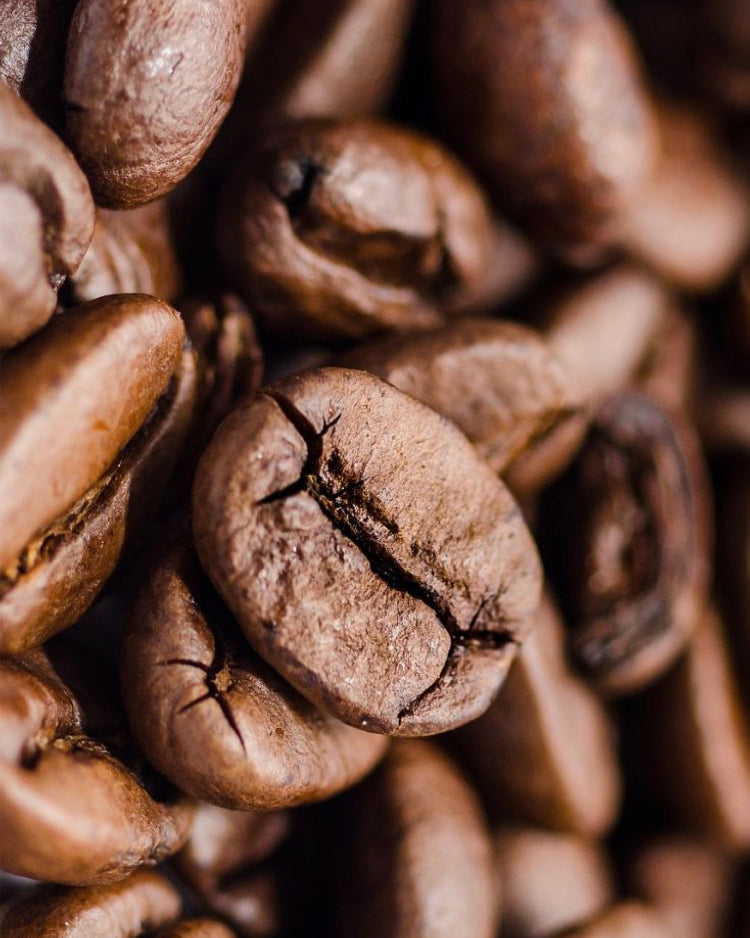
To prevent moisture absorption and subsequent mold growth during transit, advanced exporters utilize industry-leading multi-layer packaging solutions. Primary export packaging consists of high-quality, breathable jute bags paired with hermetic inner liners (such as GrainPro or Ecotact). These liners create an airtight barrier that preserves the green coffee’s natural aroma, moisture level, and fresh green color for up to a year. For bulk industrial shipments, dry-bulk container liners or big bags (FIBCs) with active desiccant poles are deployed to manage condensation (often referred to as ‘container rain’) when vessels cross different climate zones.
Managing a robust and transparent supply chain is essential for preventing delays and ensuring the freshness of the product. For a comprehensive overview of how international buyers establish direct partnerships with farmers, read our wholesale coffee beans export sourcing network guide. By optimizing the link between farm-gate collection, processing centers, and port logistics, we minimize transit times and deliver exceptionally fresh, export-grade coffee to your destination port.
How VIHABA Guarantees Traceability and Quality from Coffee Beans Origin
As a leading exporter of Vietnamese agricultural commodities, VIHABA has developed a robust vertically integrated supply chain that bridges the gap between local farming cooperatives and international B2B buyers. We recognize that the value of coffee lies in its authenticity; therefore, we provide full traceability back to the exact coffee beans origin from which your batch was harvested.
Our quality control team operates directly on-site in Dak Lak, Lam Dong, and Gia Lai, conducting strict moisture testing, screen-size calibration, and defect analysis before any lot leaves the processing facility. We pre-select and sample every single batch, providing our clients with comprehensive physical and sensory analysis reports (including professional cupping scores conducted by certified Q-graders). Our direct relationships with farming communities allow us to offer highly competitive pricing, secure consistent volume contracts, and guarantee that our farming partners utilize eco-friendly, sustainable agricultural methods.
Whether you are looking to secure high-volume Robusta for commercial roasting, or micro-lots of specialty, high-altitude Arabica, we have the network and expertise to fulfill your exact requirements. Explore our comprehensive Coffee Beans Origin catalog to discover our full range of premium Arabica and Robusta offerings and start building a secure, reliable supply chain with VIHABA today.
Conclusion: Partnering with VIHABA for Premium Coffee Beans Origin
Navigating the complexities of global agricultural trade requires a partner with deep local roots, technical expertise, and an unwavering commitment to quality. Understanding the unique characteristics of each Vietnamese coffee beans origin is key to establishing a successful, high-performing beverage brand or manufacturing line. By choosing VIHABA as your trusted export partner, you gain direct access to Vietnam’s most fertile coffee-producing regions, backed by state-of-the-art processing, rigorous quality controls, and highly reliable logistics networks. We are dedicated to delivering exceptional value, complete traceability, and unmatched reliability. Partnering with VIHABA ensures you receive transparent traceability, competitive pricing, and unparalleled quality directly from the premium coffee beans origin.