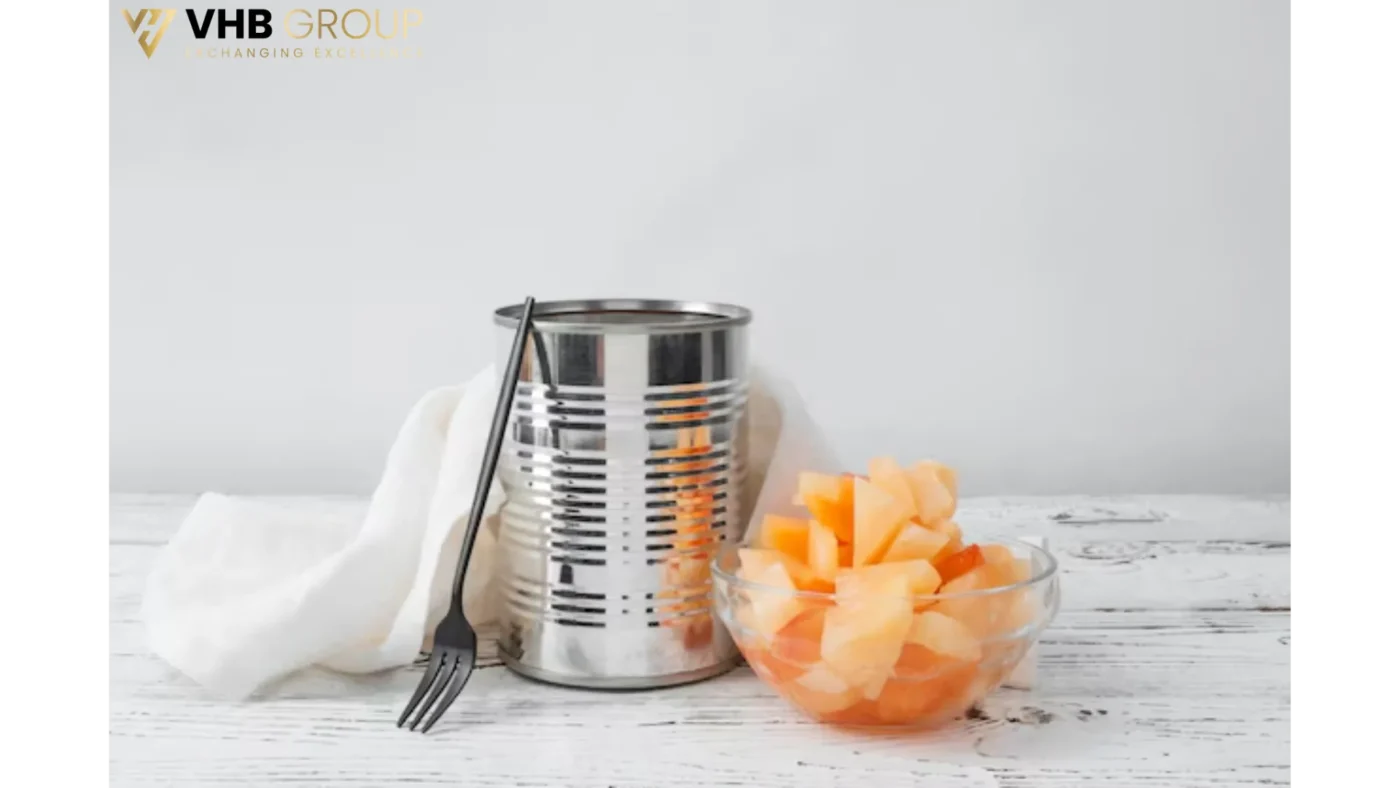
Understanding the Modern Canned Fruit Distribute Channel
Establishing an efficient Canned Fruit Distribute Channel is essential for B2B importers, distributors, and food service providers seeking high-quality agricultural products at competitive wholesale prices. The global trade of preserved fruits relies heavily on highly structured supply chains that bridge the gap between agrarian hubs, like Vietnam, and consumer-heavy markets across North America, Europe, and Asia. In today’s highly competitive market, understanding how to navigate and leverage a specialized Canned Fruit Distribute Channel can make the difference between a high-margin, reliable supply chain and one plagued by logistical bottlenecks.
To successfully import canned fruit, global buyers must collaborate with partners who understand the intricate flow of goods from orchards to processing plants, and finally to international shipping hubs. An optimized distribution channel manages everything from agricultural compliance and quality control during canning to customs clearance and multimodal shipping. By choosing a structured, transparent channel, B2B buyers can mitigate supply chain risks, guarantee compliance with international food safety laws, and ensure year-round availability of seasonal fruits such as pineapple, mango, lychee, and papaya.
Table of Contents
- Understanding the Modern Canned Fruit Distribute Channel
- Global Market Dynamics and Vietnam’s Strategic Role
- Sourcing via an Efficient Canned Fruit Distribute Channel
- Key Cultivation Regions and Sustainable Farming in Vietnam
- Advanced Processing and Canning Technologies
- International Quality Standards and B2B Compliance
- Product Specifications and Packaging Standards
- Scaling Your Business with a Reliable Channel Partner
- Frequently Asked Questions
- Conclusion
Defining the Components of a Canned Fruit Distribute Channel
A B2B distribution channel for agricultural commodities is not merely a shipping route; it is an integrated network of growers, processing facilities, quality control inspectors, export agents, and shipping carriers. When a global brand partners with a supplier, they are plugging into this pre-established network. Within a modern Canned Fruit Distribute Channel, each step must be optimized to preserve nutritional value, texture, and taste while managing the cost of logistics.
The channel begins at the farm level, where raw ingredients are harvested at peak ripeness. It quickly moves to local processing units where the fruit is washed, peeled, sliced, and preserved under sterile conditions. Finally, the consolidated freight moves through customs to international shipping lanes. For B2B buyers, working with an exporter who manages the entire vertical integration guarantees that raw materials are tracked from seed to container, maintaining strict traceability standards required by modern retail giants.
Global Market Dynamics and Vietnam’s Strategic Role
The global demand for shelf-stable agricultural goods is rising rapidly, driven by the convenience of processed foods, expanding retail sectors, and the growing industrial food processing industry. Vietnam has emerged as a powerhouse in this sector due to its favorable tropical climate, fertile lands, and heavy investments in modern agricultural technology. Importers looking to source premium canned goods must analyze Vietnam’s geographical advantages and its robust export capabilities.
By leveraging a highly developed regional infrastructure, Vietnamese exporters can quickly move goods from primary agricultural hubs to deep-water ports like Hai Phong and Cat Lai. To deeper understand how bulk logistics and distribution networks operate on an international scale, B2B buyers should consult our comprehensive canned fruit bulk export distribution network guide, which details container load optimizations and bulk shipping regulations. Utilizing these insights helps importers reduce transit times and minimize regional port handling costs, thereby keeping the landed cost of goods highly competitive.
Sourcing via an Efficient Canned Fruit Distribute Channel
Sourcing directly through a validated Canned Fruit Distribute Channel provides B2B buyers with direct access to custom private-label packing, tailored syrup formulations, and flexible packaging sizes. Whether you are catering to retail chains requiring pull-tab cans or food service conglomerates needing heavy A10-sized cans, an optimized channel adjusts to market-specific demands. Direct coordination between foreign buyers and domestic exporters like VIHABA ensures that technical specifications are met precisely before production runs commence.
Furthermore, an established channel minimizes the layers of intermediaries, directly translating to cost savings and clearer communication. When buyers establish a direct connection with the processing source, they gain real-time visibility into harvest conditions, seasonal pricing shifts, and production capacities, allowing them to make data-driven purchasing decisions months in advance.
Key Cultivation Regions and Sustainable Farming in Vietnam
Vietnam’s diverse topography allows for year-round agricultural production, with specific zones specializing in distinct tropical fruits:
- The Mekong Delta: Known as the fruit bowl of Vietnam, this region produces massive volumes of high-quality mangoes and pineapples. The nutrient-rich alluvial soils here are ideal for cultivating MD2 pineapples, highly sought after for canning due to their uniform golden color, high sugar content, and low fiber.
- Northern Highlands (Bac Giang, Hung Yen): These provinces are world-renowned for sweet, aromatic lychees and longans. The short harvest window makes canning the most viable and lucrative method to preserve these seasonal delicacies for global consumption.
- Central Highlands: With cooler temperatures and rolling hills, this region specializes in growing premium passion fruit and papaya, which are frequently used as key ingredients in tropical fruit cocktail mixes.
Sustainability is at the heart of these farming regions. Major exporters are actively supporting smallholders to transition toward GlobalGAP (Global Good Agricultural Practices) certification, ensuring that pesticide usage is strictly monitored and water resources are managed responsibly.
Advanced Processing and Canning Technologies
To preserve the natural crispness and nutritional profile of tropical fruits, state-of-the-art canning lines employ quick pasteurization and vacuum-sealing technologies. Once harvested, the fruits are transported to facilities certified under international safety standards. Here, they undergo rigorous sorting, washing, peeling, and cutting. Depending on the buyer’s requirements, fruits are canned in heavy syrup, light syrup, natural fruit juice, or water.
Advanced commercial canning involves heating the sealed containers to precise pasteurization temperatures, neutralizing micro-organisms without overcooking the delicate fruit tissue. This guarantees a shelf life of up to 2 to 3 years without the addition of artificial chemical preservatives, satisfying the modern consumer’s demand for clean-label, natural products.

International Quality Standards and B2B Compliance
Operating within a global Canned Fruit Distribute Channel requires strict compliance with food safety regulations. Importers must ensure that their supplier’s manufacturing units hold relevant international certifications. These credentials are essential for clearing customs in highly regulated markets like the European Union, the United States, and Japan.
Key standards that govern high-end canned fruit processing include:
- HACCP & ISO 22000: Ensures systematic food safety management from raw material handling to final dispatch.
- BRCGS & IFS: Crucial for European retail distribution, verifying rigorous operational hygiene and quality management systems.
- FDA Registration: Mandatory for all products entering the United States, ensuring adherence to the Foreign Supplier Verification Program (FSVP).
- Halal & Kosher: Vital for tapping into specific regional consumer bases worldwide, expanding market reach.
Product Specifications and Packaging Standards
For B2B buyers, understanding product specifications is crucial for matching market preferences. Below is a comprehensive specification table detailing standard Vietnamese export-grade canned fruits available through our distribution networks.
| Fruit Type | Cut / Style | Preservation Medium | Brix (%) | Can Sizes (Net Wt) | Shelf Life |
|---|---|---|---|---|---|
| MD2 Pineapple | Slices, Tidbits, Chunks | Light/Heavy Syrup, Juice | 14% – 18% | 15oz, 20oz, 30oz, A10 (108oz) | 3 Years |
| Kaew Mango | Slices, Dices, Halves | Light Syrup, Juice | 14% – 16% | 15oz, 30oz, A10 (108oz) | 2 Years |
| Thieu Lychee | Whole Peeled & Seedless | Heavy Syrup | 16% – 20% | 15oz, 20oz, A10 (108oz) | 2 Years |
| Tropical Fruit Cocktail | Mixed Dices (Pineapple, Mango, Papaya) | Light Syrup | 14% – 17% | 15oz, 30oz, A10 (108oz) | 3 Years |
Scaling Your Business with a Reliable Canned Fruit Distribute Channel Partner
Choosing the right partner to navigate your Canned Fruit Distribute Channel is a critical business decision. A reliable partner like VIHABA acts as your eyes and ears on the ground, handling agricultural sourcing, rigorous quality assurance, custom packaging, and complex customs documentation. Our strong relationships with local farming cooperatives and top-tier shipping lines allow us to secure competitive shipping rates and guarantee consistent product supply even during off-peak seasons.
By streamlining your supply chain with VIHABA, you minimize the risks of delayed shipments, contaminated cargo, or non-compliant packaging. We offer flexible OEM/ODM private labeling options, enabling you to build brand equity in your domestic market while leveraging the cost advantages of Vietnam’s booming agricultural processing sector.
Conclusion
In conclusion, establishing a resilient and cost-effective Canned Fruit Distribute Channel is critical for maintaining an uninterrupted supply of high-grade preserved fruits in the global marketplace. From the rich soils of Vietnam’s agricultural heartlands to state-of-the-art sterile processing facilities, every phase of the chain dictates the quality of the final product on your shelves. As a dedicated partner in international trade, VIHABA is committed to delivering unparalleled supply chain transparency, strict quality standard compliance, and highly competitive pricing. Partner with us today to optimize your canned fruit distribute channel and drive long-term business growth in your target market.