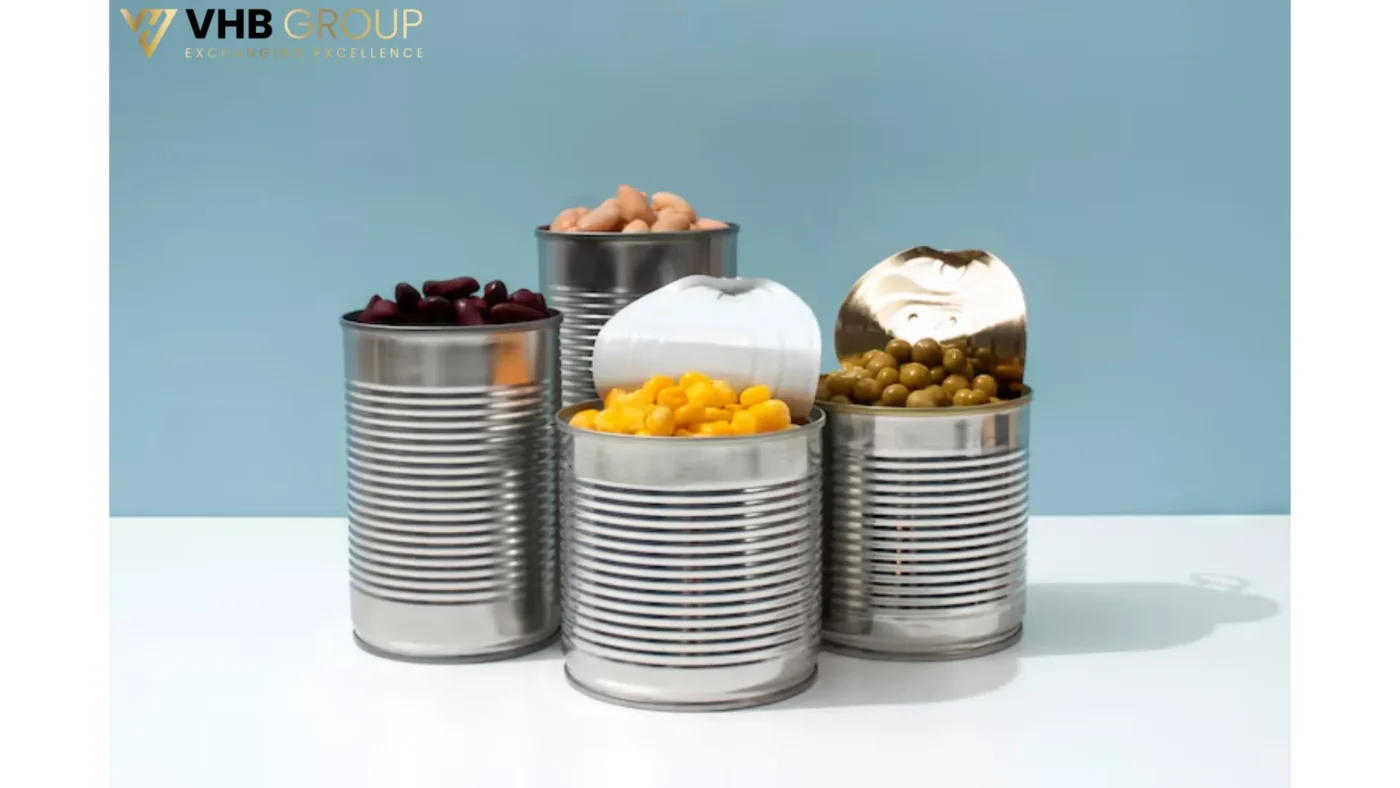
Understanding the essential Canned Fruit Facts is crucial for global B2B buyers looking to optimize their supply chains, reduce food waste, and secure premium-grade agricultural products. As the global demand for shelf-stable, high-quality, and nutrient-dense food solutions continues to rise, canned fruits have transformed from simple pantry items into highly strategic commodities. For commercial food processors, global retailers, and food service distributors, finding a reliable agricultural partner is key to maintaining consistent inventory and margin stability. In this definitive guide, we explore the core factors that drive the global canned fruit market, the modern agricultural processing technologies of Vietnam, and how professional exporters like VIHABA deliver superior value to international markets.
Table of Contents
- Global Market Overview and Essential Canned Fruit Facts
- Premium Cultivation Regions in Vietnam
- Advanced Processing Methods and Technical Canned Fruit Facts
- International Quality Standards and Compliance
- Strategic Logistics and Bulk Distribution
- Why Choose VIHABA for Sourcing Canned Fruits
- FAQs Regarding Canned Fruit Facts
- Conclusion: Leveraging Canned Fruit Facts for Business Success
Global Market Overview and Essential Canned Fruit Facts
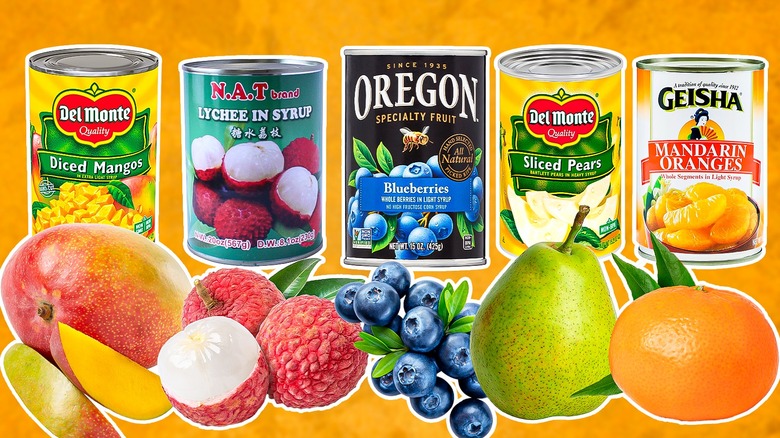
The international canned fruit trade is experiencing a massive resurgence. Driven by a global shift toward long-shelf-life products, food safety assurance, and year-round product availability, industrial buyers are increasingly relying on processed fruits. One of the key Canned Fruit Facts that commercial buyers must understand is that modern canning technology preserves up to 90% of the natural vitamins and minerals found in fresh fruit. This makes canned variants an exceptionally nutritious alternative to fresh fruits, which suffer from rapid post-harvest degradation during long-distance shipping.
Rising Global Demand for Processed Fruits
According to recent agricultural trade reports, the global market for canned fruits is projected to grow at a steady CAGR of over 4.5% over the next decade. This growth is heavily supported by the expansion of the HoReCa (Hotel, Restaurant, and Cafe) sector, commercial baking, and dairy processing industries. Companies require stable raw materials like diced pineapples, sliced mangoes, and whole lychees that do not depend on local harvest seasons. By utilizing canned products, food manufacturers can eliminate the labor costs of peeling, pitting, and cutting while avoiding the high spoilage rates associated with fresh inventory.
Key Consumer Demographics and Market Shifts
Modern consumers are seeking clean-label products with transparent sourcing. This has prompted a shift in how processors pack fruits. Traditional heavy syrups are being replaced by light syrups, fruit juices, or natural coconut water. Understanding these market-driven Canned Fruit Facts allows B2B importers to request specific packing mediums that align with regional health regulations and consumer preferences in North America, Europe, and East Asia.
Premium Cultivation Regions in Vietnam
Vietnam has emerged as a powerhouse in the global agricultural export landscape, thanks to its diverse microclimates, fertile volcanic soils, and abundant rainfall. These geographical advantages allow for the year-round cultivation of high-quality tropical fruits destined for the canning line.
The Mekong Delta: The Epicenter of Tropical Fruits
The fertile alluvial soils of the Mekong Delta make it the perfect environment for growing tropical fruits, particularly Queen and Cayenne pineapples. The region’s consistent warmth and humidity yield pineapples with a high sugar-to-acid ratio, vibrant yellow color, and firm fibrous structure. These characteristics are critical for canning, as they ensure that the fruit slices retain their shape and texture during the high-heat sterilization process.
The Central Highlands: Rich Volcanic Terroir
For crops like passion fruit and mango, the Central Highlands (including provinces like Dak Lak and Lam Dong) offer ideal high-altitude conditions. The volcanic red basalt soil is nutrient-rich, providing deep root systems with the essential minerals required to produce fruits with intense aromas and deep colors. Passion fruit from this region is widely praised for its high juice yield and exceptional acidity, which is highly sought after by beverage and confectionery manufacturers worldwide.
Northern Highlands: The Home of Premium Lychees
The northern provinces of Vietnam, specifically Bac Giang and Hung Yen, are globally renowned for producing premium Thieu Lychees. These fruits have a small seed, thick white pulp, and high natural brix levels. The short, highly anticipated annual harvest is carefully managed using advanced cold-chain and rapid logistics to ensure that only the freshest lychees enter our canning facilities within hours of harvest.
Advanced Processing Methods and Technical Canned Fruit Facts
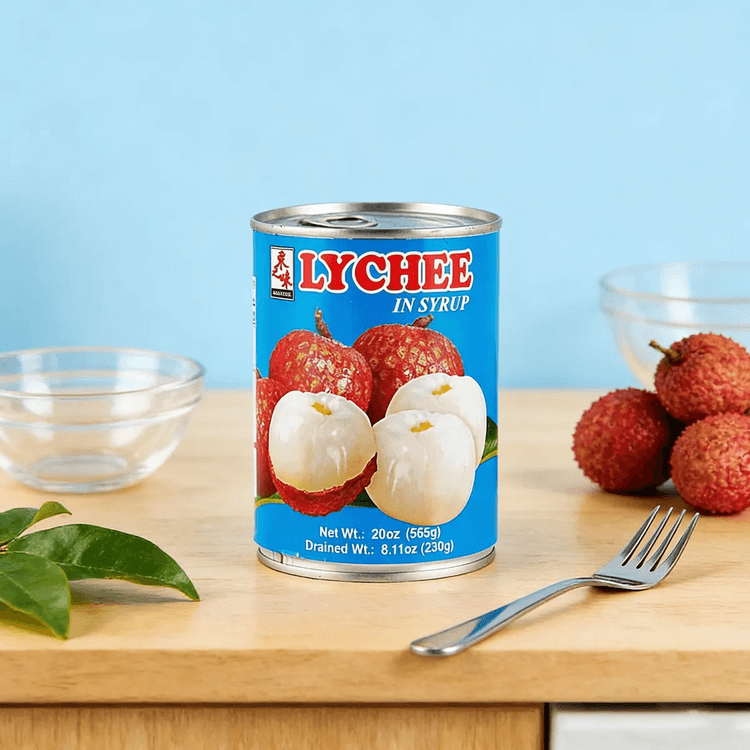
The transition from a freshly harvested crop to a shelf-stable canned product involves a series of sophisticated, highly monitored technical processes. Understanding these industrial Canned Fruit Facts is essential for quality assurance teams evaluating bulk suppliers.
Sourcing, Sorting, and Pre-treatment
The manufacturing process begins with strict quality control at the factory gate. Fruits are sorted by size, ripeness, and color to ensure uniformity. Automated washing systems utilize chlorinated water sweeps to eliminate surface contaminants without damaging the delicate skin of the fruit. Next, mechanical peelers and cutters slice, dice, or chunk the fruit according to precise buyer specifications.
Syrup Formulation and Can Filling
Once prepped, the fruit is precisely portioned into high-grade tin cans or glass jars. The filling medium is then introduced. Depending on buyer requirements, this can range from extra-heavy sugar syrup to natural, unsweetened fruit juice. Vacuum seaming technology is utilized to extract oxygen from the can before hermetically sealing the lid. Removing oxygen is a vital step that prevents oxidative browning, flavor degradation, and the growth of aerobic micro-organisms.
Thermal Processing: Retort and Sterilization
After sealing, the cans undergo commercial sterilization using continuous rotary retort systems. This thermal process subjects the cans to specific temperature and pressure curves designed to eliminate pathogenetic microbes, including Clostridium botulinum, while preserving the fruit’s structural integrity. Following heating, the cans are rapidly cooled to halt the cooking process, ensuring the fruit maintains a crisp, fresh bite rather than becoming overly soft or mushy.
International Quality Standards and Compliance
Entering strict global markets like the European Union, the United States, Japan, and South Korea requires absolute adherence to food safety standards. At VIHABA, we guarantee that all our canning partners maintain world-class processing environments certified by leading international bodies.
Key Certifications for Global Agricultural Export
- GlobalGAP: Ensures sustainable farming practices, minimal pesticide residues, and fair treatment of farmworkers.
- ISO 22000 & HACCP: Form the foundation of our hazard analysis and critical control points, ensuring food safety throughout the manufacturing pipeline.
- FDA Registration: Essential for hassle-free customs clearance and distribution within the United States market.
- Halal & Kosher: Open doors to diverse consumer demographics globally by meeting specific dietary laws.
Export Specifications and Grading Standards
To provide clear technical clarity for procurement managers, the table below outlines the rigorous standard specifications maintained for our main canned fruit offerings:
| Fruit Type | Common Cuts | Brix Range (%) | pH Level | Drained Weight (%) | Packaging Options |
|---|---|---|---|---|---|
| Canned Pineapple | Slices, Chunks, Tidbits, Crushed | 14% – 20% (Light/Heavy) | 3.5 – 4.0 | Min 52% – 56% | A10, Can 850g, Can 565g |
| Canned Lychee | Whole (Pitted/Unpitted), Broken | 14% – 22% (Light/Heavy) | 3.7 – 4.3 | Min 50% – 52% | Can 565g, Can 850g |
| Canned Mango | Slices, Dices, Puree | 14% – 18% (Light Syrup) | 3.8 – 4.2 | Min 50% | A10, Can 850g |
| Canned Passion Fruit | Puree (with/without seeds) | 12% – 16% (Natural Brix) | 2.6 – 3.2 | 100% (Puree) | A10, Metal Drums 200kg |
Strategic Logistics: Canned Fruit Bulk Export Distribution Network Guide
Exporting heavy, liquid-filled canned goods across the globe demands strategic shipping, warehousing, and logistics planning. Heavy container weight, rust prevention, and maritime transit times are all critical variables that impact the total cost of ownership for B2B buyers. To optimize this process, we recommend consulting our detailed canned fruit bulk export distribution network guide, which offers comprehensive strategies for supply chain efficiency.
Optimizing Container Loading and Weight Distribution
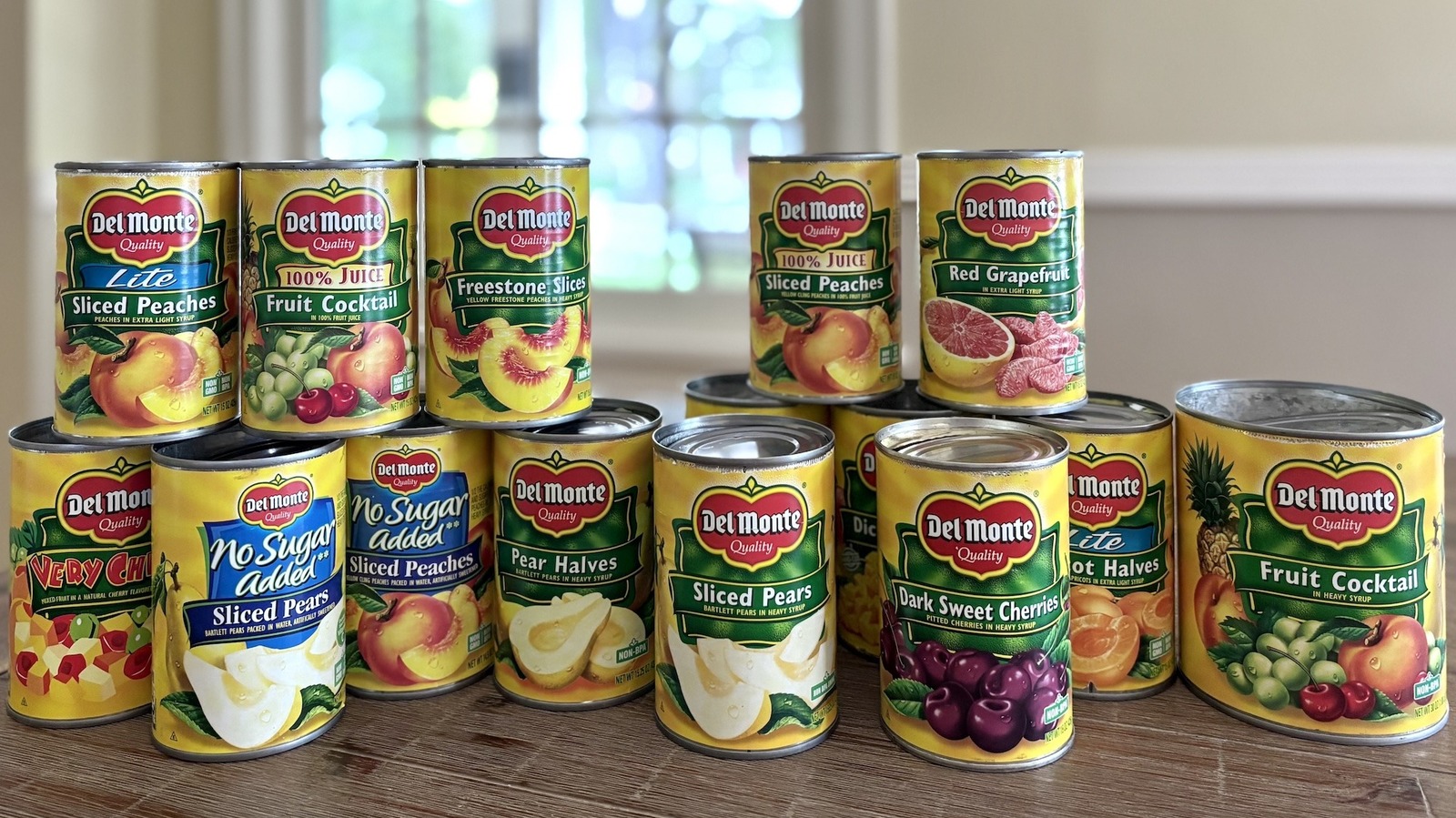
Canned food is highly dense and heavy, meaning shipping containers often reach their weight capacity before their volume limit. It is standard practice to pack canned fruits onto heat-treated ISPM-15 wooden pallets, secured with heavy-duty stretch wrap and strapping. Using slip-sheets instead of pallets is another viable option to maximize container space and reduce tare weight. Our logistics experts carefully calculate the maximum allowable payload for each destination port to prevent overweight fines and minimize ocean freight costs.
Preventing Moisture and Rust During Sea Transit
During long sea voyages, cargo is subjected to dramatic temperature changes that can trigger “container sweat” (condensation on the ceiling and walls of the shipping container). If left unmanaged, this moisture can damage carton packaging and cause the tin cans to rust. To mitigate this risk, VIHABA uses high-grade container desiccants, double-wall corrugated cartons, and rust-resistant lacquer coatings on the outer surfaces of our cans, ensuring that products arrive at their destination port in pristine, retail-ready condition.
Why Choose VIHABA for Your Agricultural Trade Needs
Navigating the global agricultural supply chain requires a partner that stands for transparency, consistent quality, and operational excellence. VIHABA is not just an exporter; we are your strategic partner in agricultural procurement, bridging the gap between local Vietnamese farmers and international buyers.
We work directly with certified farming cooperatives across Vietnam to secure the finest agricultural produce. By shortening the supply chain, we offer highly competitive pricing while ensuring that farmers receive fair compensation for their labor. Our dedicated quality control teams are permanently stationed in our manufacturing partner plants, monitoring every batch from raw fruit sorting to final sterilization. If you want to dive deeper into the technical specifications, nutrition profiles, and market-specific packaging options, review our exhaustive resource on Canned Fruit Facts to select the ideal products for your target market.
Conclusion: Leveraging Canned Fruit Facts for Business Success
Securing high-quality canned fruit is no longer just about cost; it is about transparency, supply chain security, and uncompromising food safety. By understanding the core agricultural and technical Canned Fruit Facts outlined in this guide, B2B buyers can make informed, data-driven procurement decisions. Vietnam’s rich agricultural landscape, combined with advanced processing technologies, offers a reliable, year-round source of world-class canned fruits. As a leading Vietnamese agricultural exporter, VIHABA is fully equipped to meet your bulk sourcing demands, providing end-to-end logistics support, customized formulations, and certified quality standards. Contact the agricultural trade specialists at VIHABA today to discuss your next bulk order and elevate your product portfolio.