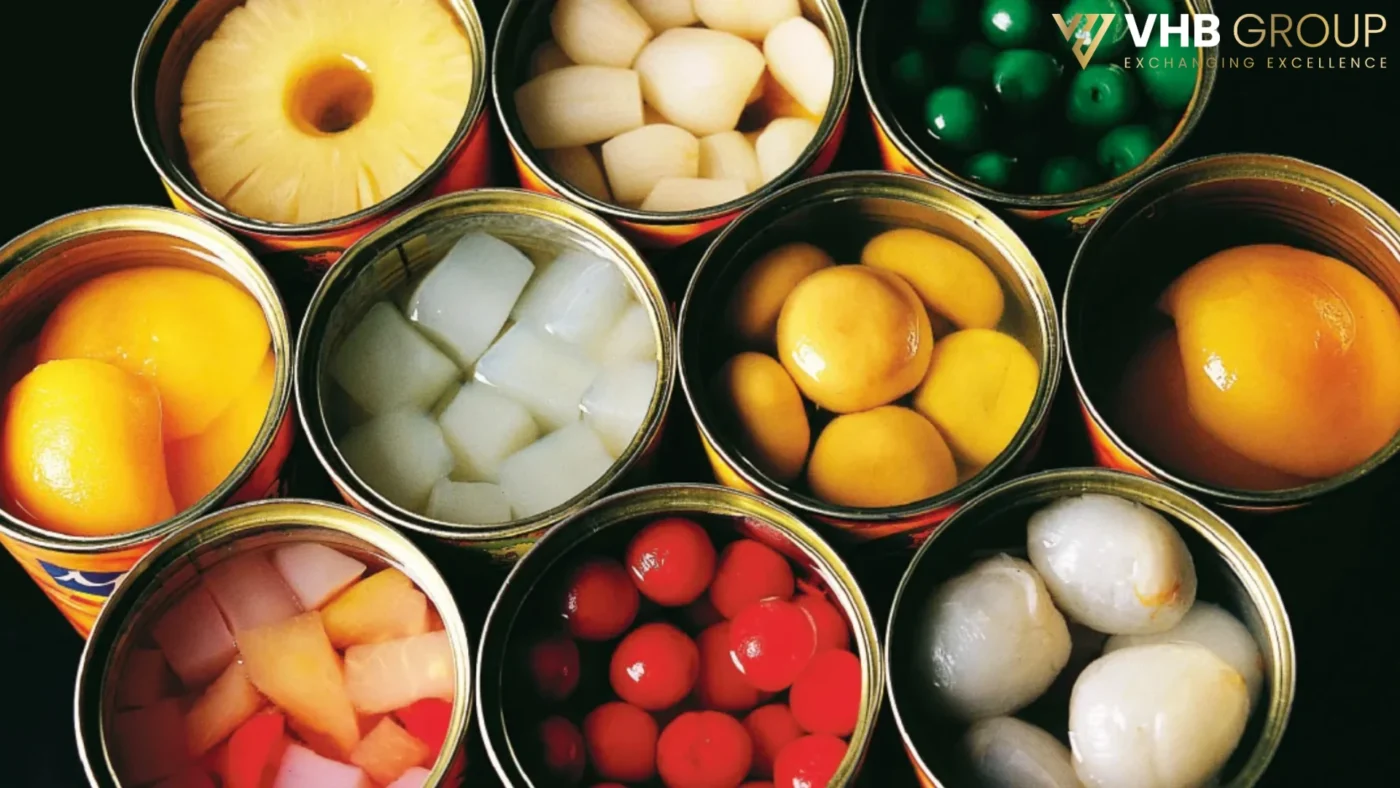
Developing a reliable Bulk Canned Fruit Distribute Channel is essential for global B2B buyers looking to secure high-quality, shelf-stable agricultural goods at scale. In today’s volatile global food market, disruptions in fresh fruit logistics have forced food manufacturers, distributors, and supermarket chains to rethink their supply chain structures. Canned fruit stands out as the ultimate solution—combining extended shelf life, year-round availability, and minimal loss of nutritional value. As a leading exporter of agricultural commodities in Vietnam, VIHABA is uniquely positioned to help international buyers navigate the complexities of international trade, sourcing, and supply chain logistics.
Why the Global Agricultural Market Relies on a Robust Bulk Canned Fruit Distribute Channel
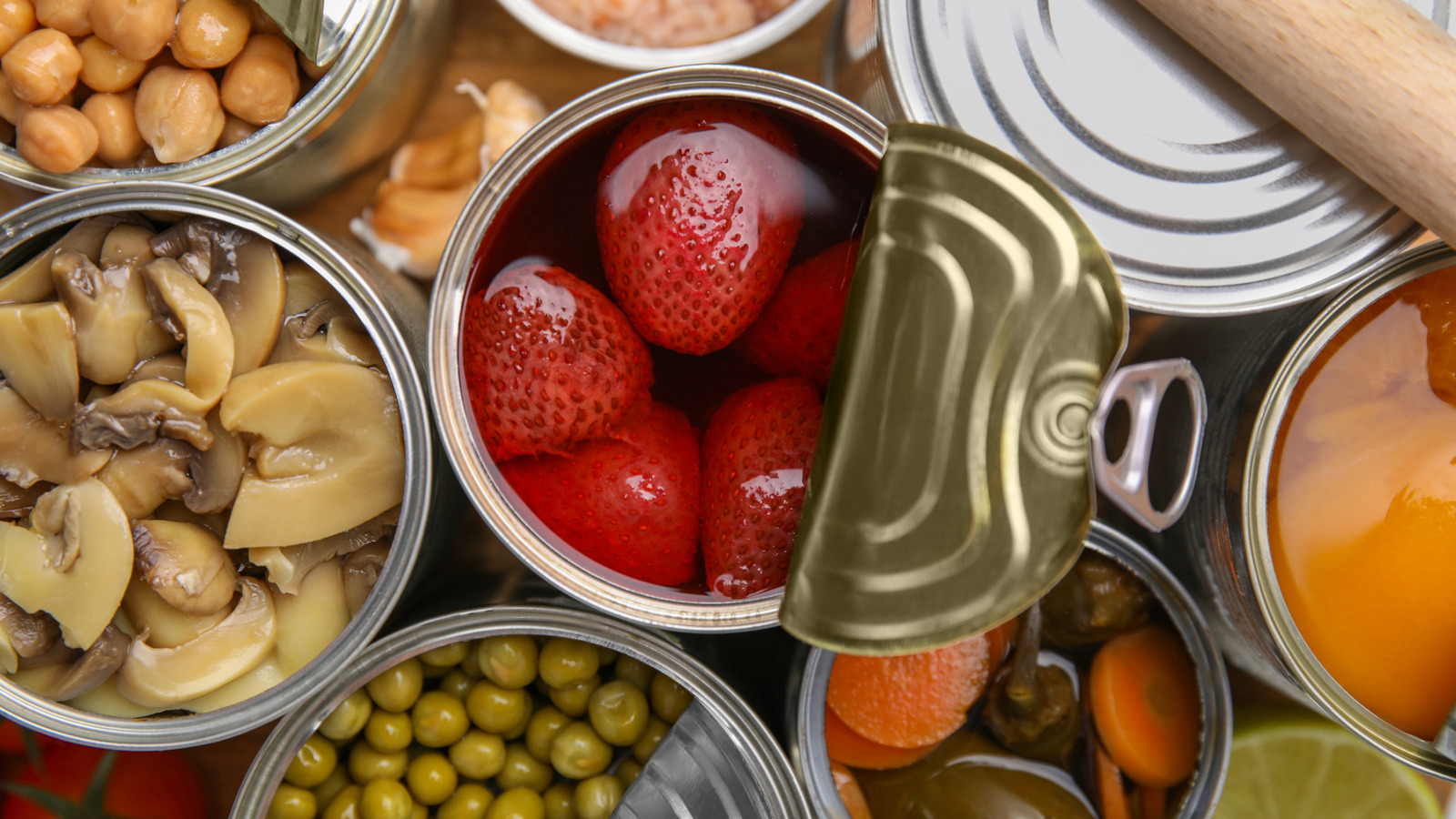
Establishing an efficient bulk canned fruit distribute channel is more than just securing a purchase contract; it is about building a seamless logistics bridge from fertile agricultural regions to downstream industrial kitchens, retail shelves, and food service centers. In the context of global trade, canned agricultural goods mitigate seasonal price spikes and supply shortages. By transitioning from fresh to processed fruit solutions, international distributors can lock in competitive pricing, optimize container utilization, and eliminate the high wastage rates associated with fresh cold-chain logistics.
Table of Contents
- Global Market Overview for Canned Fruits
- Key Cultivation Regions in Vietnam
- Advanced Processing and Preservation Methods
- Compliance with International Quality Standards
- Technical Specifications and B2B Grading Standards
- Export Packaging and Supply Chain Logistics
- Optimizing Your Bulk Canned Fruit Distribute Channel
- Frequently Asked Questions (FAQs)
- Conclusion: Aligning with VIHABA for a Resilient Supply Chain
Global Market Overview for Canned Fruits
The global market for processed and preserved fruits is experiencing a major resurgence. According to recent trade studies, the demand for canned tropical fruits—particularly pineapple, lychee, mango, and papaya—is projected to grow steadily over the next decade. This growth is driven by several macroeconomic factors, including rapid urbanization, changing dietary preferences, and the expansion of the hospitality and bakery sectors globally.
Furthermore, climate-induced crop failures have made fresh supply chains unpredictable. A strategic B2B buyer looks beyond seasonal fresh harvests to establish reliable, year-round options. Vietnam has rapidly emerged as a dominant global supplier, competing strongly alongside traditional heavyweights in South America and Western Europe, thanks to massive investments in state-of-the-art agricultural processing facilities and favorable trade agreements (such as the EVFTA and CPTPP).
Key Cultivation Regions in Vietnam
Vietnam’s unique geography and diverse microclimates allow for the cultivation of a rich variety of premium tropical fruits. Understanding where these raw materials are grown is vital for buyers who want to trace their food supply chain from farm to table. To gain deeper insight into our geographical sourcing strategies, you can refer to our detailed bulk canned fruit sourcing guide.
The Southern Delta: Home of Tropical Abundance
The fertile Mekong Delta is the agricultural powerhouse of Southern Vietnam. Fed by rich alluvial deposits, this region produces massive quantities of MD2 pineapples, sweet mangoes, and high-yield papayas. The consistent tropical temperatures year-round allow for multi-seasonal harvests, ensuring that canned fruit processing plants receive a steady inflow of premium raw materials.
The Central Highlands and Northern Regions
For seasonal delicacies like premium lychees, longans, and high-acid passion fruits, Vietnam’s Northern provinces (such as Bac Giang and Hai Duong) and the Central Highlands offer optimal cool climates and rich volcanic soils. These regions produce fruits characterized by intense aromas, natural sweetness, and firm flesh textures that withstand the high temperatures of the canning pasteurization process perfectly.
Advanced Processing and Preservation Methods
The transition from a raw, fresh-picked crop to a premium canned product requires sophisticated processing technologies that preserve the fruit’s structural integrity, color, and nutritional profile. At VIHABA’s partner facilities, processing is strictly controlled using automated systems to prevent microbial contamination while maximizing natural flavor preservation.
The Stepped Canning Process: From Farm to Sealed Tin
The production cycle begins with strict raw material selection. Fruits are harvested at peak sugar levels (measured in Brix) and quickly transported to processing centers to prevent natural oxidation and enzymatic breakdown. The key stages include:
- Sorting and Cleaning: High-pressure water jets and antimicrobial washes remove dirt, debris, and surface microflora.
- Peeling, Coring, and Slicing: Precision mechanical peelers trim the fruit to target shapes (slices, chunks, tidbits, or dices) minimizing pulp loss.
- Filling and Syrup Standardisation: Fruit pieces are carefully packed into BPA-free lined metal cans. A sterile filling medium—ranging from heavy sugar syrup and light syrup to 100% natural fruit juice or pure water—is introduced.
- Exhausting and Hermetic Sealing: Oxygen is extracted from the can headspace using steam vacuum sealing machines. Eliminating oxygen is critical to preventing interior corrosion and aerobic microbial activity.
- Thermal Retort Sterilization: Sealing is followed by rigorous heat processing (retorting) to destroy pathogens and endospores. The duration and temperature are balanced meticulously to cook the fruit minimally while ensuring absolute commercial sterility.
- Rapid Cooling and Conditioning: Cans are rapidly cooled to halt the cooking process, preserving the firm texture of the fruit.
Compliance with International Quality Standards
Exporting agricultural commodities across highly regulated borders demands uncompromised compliance with global quality and food safety standards. An established Bulk Canned Fruit Distribute Channel cannot function effectively without proper certifications. European, North American, and East Asian buyers enforce rigid customs controls regarding chemical residues, metal detection, and processing hygiene.
To meet these expectations, our entire agricultural supply chain adheres to internationally recognized benchmarks:
- HACCP & ISO 22000: These protocols form the core of our food safety management system, ensuring systemic risk analysis and critical control point monitoring throughout the canning line.
- GlobalGAP: Our farm partnerships prioritize Good Agricultural Practices, minimizing pesticide usage, protecting soil health, and ensuring ethical labor standards.
- FDA Registration: For the United States market, our processing facilities maintain active FDA registration, conforming to the Food Safety Modernization Act (FSMA) standards.
- Halal & Kosher Certifications: Catering to diverse global dietary demands, our canned products are certified to meet specific religious dietary requirements, widening market access for international distributors.
Technical Specifications and B2B Grading Standards
Professional food manufacturers, caterers, and wholesale distributors require precise technical metrics to ensure that ingredients behave consistently in production lines or retail displays. Below is a detailed specification guide for our primary canned fruit offerings, serving as a baseline for B2B procurement operations:
| Product Category | Available Cuts | Brix Range (%) | pH Level | Packing Medium | Shelf Life |
|---|---|---|---|---|---|
| Canned Pineapple | Slices, Tidbits, Chunks, Pizza Cuts | 14% – 18% (Light/Heavy Syrup) | 3.5 – 4.2 | Syrup / Natural Juice / Water | 3 Years |
| Canned Lychee | Whole Pitted, Broken | 14% – 18% (Light/Heavy Syrup) | 3.8 – 4.5 | Light Syrup / Sugar Syrup | 3 Years |
| Canned Mango | Slices, Dices, Puree | 15% – 19% (Syrup) | 3.6 – 4.3 | Light/Heavy Syrup / Pure Juice | 2 Years |
| Canned Papaya | Dices, Fruit Cocktail Mix | 12% – 16% (Light Syrup) | 4.0 – 4.5 | Light Syrup / Water | 2 Years |
Export Packaging and Supply Chain Logistics
Safe and efficient maritime transport is the backbone of any international bulk canned fruit distribute channel. Canned goods are highly durable, but they are also exceptionally heavy. Improper load balancing, container sweating, or poor packaging materials can lead to catastrophic losses during ocean transit.
Premium Packaging Formats
VIHABA utilizes industrial-grade, corrosion-resistant tinplate cans coated with high-quality interior lacquers (BPA-free) to prevent interaction between acidic tropical fruits and the metal container. The most requested standard B2B packaging options include:
- Retail & Wholesale Sizes: 15oz (425g), 20oz (567g), and 30oz (825g) with easy-open or normal lids.
- Food Service & Industrial Sizes: A10 (3kg / 108oz) cans, packed 6 cans per heavy-duty corrugated carton. These are designed specifically for bakeries, pizza chains, and commercial kitchens.
Maritime Logistics and Container Management
We work closely with major global shipping lines to secure stable freight rates and reliable vessel allocations. Containers are systematically packed with custom heavy-duty cardboard layer pads to absorb moisture and prevent shifting during rough sea crossings. For high-humidity maritime routes, we offer container desiccants and thermal liners to prevent the phenomenon known as ‘container sweat’, which can cause outer carton collapse and label peeling.
Strategic Integration: Optimizing Your Bulk Canned Fruit Distribute Channel
To maximize profits and minimize operational delays, B2B food buyers must actively optimize every segment of their bulk canned fruit distribute channel. Working directly with an experienced exporter like VIHABA simplifies downstream distribution by eliminating unnecessary brokers, consolidating supply chains, and offering customizable Private Label (OEM) solutions.
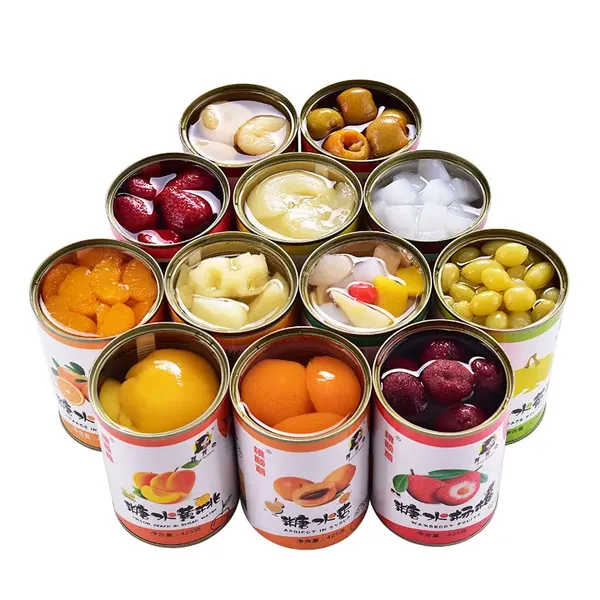
By leveraging our strong partnerships with local Vietnamese farming collectives and automated canning factories, we ensure that our partners receive a highly predictable volume of canned inventory. This reliable product flow allows downstream wholesalers to operate with lean inventory buffers, drastically lowering warehousing overhead costs and increasing stock turnover ratios.
Conclusion: Aligning with VIHABA for a Resilient Supply Chain
In conclusion, building and maintaining a stable Bulk Canned Fruit Distribute Channel is a strategic necessity for competitive B2B food businesses worldwide. From the fertile fields of Vietnam to the automated, certified processing plants, VIHABA manages every aspect of the sourcing, processing, and shipping pipeline with absolute precision. Our commitment to sustainability, international food safety, and transparent supply chains makes us the premier choice for global buyers. Partnering with a dedicated exporter like VIHABA guarantees that your Bulk Canned Fruit Distribute Channel remains secure, efficient, and highly profitable for years to come. Reach out to our expert trade team today to streamline your agricultural procurement and unlock premium agricultural assets from Vietnam.
Bulk Canned Fruit Distribute Channel FAQ
Disclaimer: Unless otherwise stated, the images used in this article are the property of their respective owners. We do not claim ownership of any third-party images featured, and they are used here strictly for informational and educational purposes. If you are the copyright holder and wish to have an image removed, please contact us.