
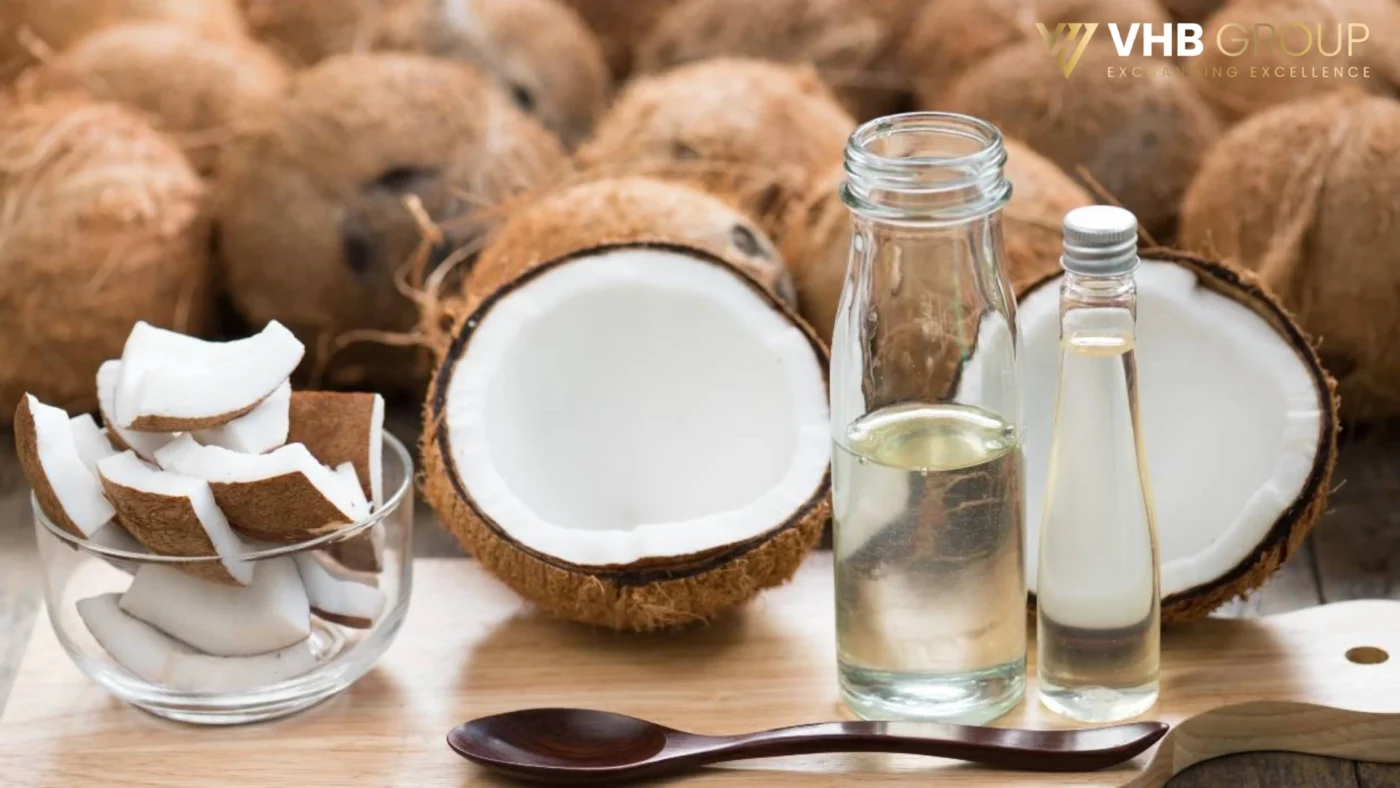
When analyzing the global market for industrial vegetable oils, understanding key Crude Coconut Oil Facts is essential for B2B buyers looking to optimize their supply chains.
Crude Coconut Oil (CNO) serves as a foundational raw material across numerous industries, ranging from renewable energy and agricultural feedstocks to personal care and heavy industrial manufacturing. Derived from the dried kernel (copra) of the coconut palm (Cocos nucifera), CNO is highly valued for its unique fatty acid profile, particularly its high concentration of lauric acid. As global industries transition toward sustainable, plant-based alternatives, the demand for high-quality, ethically sourced crude coconut oil continues to surge. For international buyers, navigating this complex market requires a deep dive into agricultural practices, extraction standards, logistics, and quality assurance.
In this comprehensive guide, we unpack the essential technical specifications, production methodologies, and trade insights that define the global crude coconut oil market. As an established leader in agricultural exports, VIHABA is committed to delivering premium agricultural solutions that adhere to rigorous international standards, ensuring transparency and reliability at every stage of the supply chain.
Table of Contents
- Global Supply Chain and Crude Coconut Oil Facts
- Sourcing from Vietnam: Regional Agriculture and Crude Coconut Oil Facts
- Extraction Processes and Industrial Refining
- Technical Specifications and Crude Coconut Oil Facts
- B2B Packaging, Logistics, and Supply Chain Security
- Frequently Asked Questions (FAQs)
- Conclusion: Partnering with VIHABA and Leveraging Key Crude Coconut Oil Facts

Global Supply Chain and Crude Coconut Oil Facts
The global trade of crude coconut oil is driven by its versatile chemical structure and its role as a renewable, natural resource. Unlike refined, bleached, and deodorized (RBD) coconut oil, which is processed for direct human consumption, crude coconut oil is the primary extraction product that undergoes further industrial processing or serves directly in heavy-industrial applications. Understanding these fundamental Crude Coconut Oil Facts helps B2B buyers make informed purchasing decisions regarding pricing, seasonal availability, and application compatibility.
In recent years, the market for CNO has expanded significantly due to several macro-economic drivers:
- Biofuels and Green Energy: The push for decarbonization has positioned CNO as a highly efficient feedstock for Sustainable Aviation Fuel (SAF) and biodiesel production, especially in regions with strict renewable energy mandates.
- Surfactants and Oleochemicals: Due to its high lauric acid content, CNO is a preferred raw material for producing fatty alcohols, glycerine, and natural surfactants used in detergents, soaps, and cosmetics.
- Animal Feed Formulations: The medium-chain triglycerides (MCTs) present in coconut oil provide easily digestible energy sources for livestock and aquaculture, boosting immunity and growth rates.
While traditional producers like the Philippines and Indonesia dominate global volumes, Vietnam has rapidly emerged as a highly competitive, quality-focused exporter. By utilizing advanced processing technologies and sustainable agricultural practices, Vietnamese manufacturers offer reliable supply channels that mitigate the risks associated with single-source supply chains.
Sourcing from Vietnam: Regional Agriculture and Crude Coconut Oil Facts
Vietnam’s tropical geography and coastal ecosystems provide the ideal conditions for coconut cultivation. The country’s coconut industry is centered around the Mekong Delta region, with Ben Tre Province widely recognized as the ‘coconut capital’ of Vietnam. This region alone accounts for over 40% of the national coconut acreage, supported by rich alluvial soils and an extensive network of natural waterways that supply consistent hydration to the orchards.
For B2B buyers looking at the strategic landscape, several regional Crude Coconut Oil Facts highlight why Vietnam is an ideal sourcing partner:
1. Alluvial Soil and Coastal Climate
The unique soil composition of the Mekong Delta, enriched by annual river sediment deposits, ensures that the coconut palms produce high-yielding copra with robust oil content. The maritime climate keeps temperatures stable, reducing crop stress and ensuring a year-round harvest cycle.
2. Focus on Sustainable and Organic Farming
Vietnam is actively transitioning its coconut cultivation toward international sustainability frameworks. Large-scale plantations are increasingly certified under GlobalGAP and organic standards (USDA Organic, EU Organic). These agricultural methodologies strictly forbid the use of synthetic pesticides and chemical fertilizers, ensuring that the raw copra is free from harmful chemical residues from the very beginning of the supply chain.
3. Direct Farm-to-Factory Integration
By establishing direct sourcing agreements with local smallholders and cooperatives, Vietnamese exporters like VIHABA maintain strict traceability. This vertical integration allows for real-time monitoring of crop quality, ensures fair trade practices for local farmers, and guarantees a consistent flow of fresh raw materials to extraction facilities.

Extraction Processes and Industrial Refining
The transformation of raw coconuts into premium crude coconut oil involves precise mechanical processes designed to maximize oil yield while preserving the chemical integrity of the lipids. Sourcing managers must understand these processing variations to match the oil characteristics with their specific industrial requirements.
The production process typically follows these key phases:
Copra Drying and Quality Control
The journey begins with harvesting mature coconuts. The kernel, or meat, is separated from the shell and subjected to drying to reduce its moisture content from approximately 50% down to less than 6%. This dried product is known as copra. Proper drying is critical; if the copra retains excess moisture, it becomes highly susceptible to mold growth and the development of aflatoxins, which degrades the oil quality and increases Free Fatty Acid (FFA) levels.
Mechanical Expeller Pressing
Once dried, the copra is cleaned of any residual debris and crushed. It is then fed into heavy-duty mechanical expeller presses. Under high pressure, the oil is squeezed out of the copra. This mechanical extraction method is highly efficient and avoids the use of chemical solvents like hexane, keeping the resulting oil natural and environmentally friendly. To learn more about how quality metrics affect industrial applications, explore our detailed analysis of crude coconut oil facts, which outlines critical purity markers and standard industrial grades.
Filtration and Settling
The crude oil obtained from the expeller presses contains suspended solid particles (copra cake residue). To clarify the oil, it is passed through a series of settling tanks and industrial filter presses. The resulting liquid is a clear, amber-colored crude coconut oil, ready for bulk storage and export. The remaining copra cake, rich in protein and residual fats, is recycled as a high-value ingredient for animal feed formulations.
Technical Specifications and Crude Coconut Oil Facts
To ensure seamless integration into manufacturing processes, industrial buyers must evaluate the chemical and physical profiles of the crude oil. Sourcing decisions should always be based on objective analytical data. The table below outlines the standard export specifications for premium Vietnamese crude coconut oil exported by VIHABA.
| Parameter | Standard Value | Testing Method |
|---|---|---|
| Free Fatty Acids (as Lauric) | Max 4.0% – 5.0% | AOCS Ca 5a-40 |
| Moisture and Impurities | Max 1.0% | AOCS Ca 2c-25 |
| Iodine Value (g I2/100g) | 7.5 – 10.5 | AOCS Cd 1-25 |
| Saponification Value (mg KOH/g) | 250 – 264 | AOCS Cd 3-25 |
| Peroxide Value (meq/kg) | Max 3.0 | AOCS Cd 8-53 |
| Color (Lovibond 5.25″ cell) | Yellow 30, Red 4.0 Max | AOCS Cc 13b-45 |
| Lauric Acid Content (C12:0) | 45% – 52% | GC-FID |
In addition to physical and chemical parameters, international compliance is paramount. VIHABA ensures that all export batches are manufactured in facilities certified under ISO 9001, HACCP, and Halal standards. Independent third-party inspections (such as SGS or Bureau Veritas) are routinely conducted prior to shipment to verify volume, weight, and compliance with the buyer’s exact specifications.
:max_bytes(150000):strip_icc()/GettyImages-8081649701-5b37f75946e0fb0037ce0001.jpg)
B2B Packaging, Logistics, and Supply Chain Security
Maintaining product quality during international transport requires specialized packaging and robust logistics management. Crude coconut oil can freeze or solidify at temperatures below 24 degrees Celsius (75 degrees Fahrenheit) due to its high saturated fat content. Therefore, logistics planning must account for temperature variations during transit, particularly when shipping from tropical climates to temperate zones.
VIHABA offers several flexible B2B packaging configurations designed to optimize shipping volume and guarantee product safety:
- Flexitanks (20ft Containers): Ideal for high-volume bulk shipments. Flexitanks hold up to 21-22 metric tons of CNO per 20ft container. They reduce loading and unloading times, eliminate cleaning costs associated with ISO tanks, and maximize container space. For shipments destined for colder climates, flexitanks can be equipped with heating pads to facilitate easy discharge at destination ports.
- Intermediate Bulk Containers (IBC Totes): Suitable for mid-scale industrial buyers. These 1,000-liter composite IBCs provide convenient handling, easy storage, and can be moved efficiently using standard forklifts.
- Steel Drums (200L): A traditional and highly secure packaging option. New, food-grade steel drums protect the oil from light and air exposure, ensuring long shelf life and ease of handling in facilities without bulk discharge equipment.
Our experienced logistics department coordinates closely with leading global shipping lines to ensure timely deliveries, comprehensive customs clearance documentation, and strict adherence to international maritime safety standards.
Conclusion: Partnering with VIHABA and Leveraging Key Crude Coconut Oil Facts
Navigating the agricultural commodities market requires more than just transactions; it demands a strategic partnership built on transparency, technical expertise, and reliable supply chain execution. Understanding these vital Crude Coconut Oil Facts empowers global businesses to secure high-performing raw materials that meet strict technical, environmental, and ethical standards.
At VIHABA, we leverage Vietnam’s rich agricultural heritage, advanced mechanical processing facilities, and a customer-centric logistics model to deliver premium crude coconut oil to markets worldwide. Whether your industry is oleochemicals, renewable energy, or animal feed, our dedicated team is prepared to support your supply chain with tailored packaging, consistent quality assurance, and seamless export operations. Contact VIHABA today to discuss your bulk sourcing requirements, request samples, or obtain a customized quote from our export specialists.
Crude Coconut Oil FAQ
Disclaimer: Unless otherwise stated, the images used in this article are the property of their respective owners. We do not claim ownership of any third-party images featured, and they are used here strictly for informational and educational purposes. If you are the copyright holder and wish to have an image removed, please contact us.