
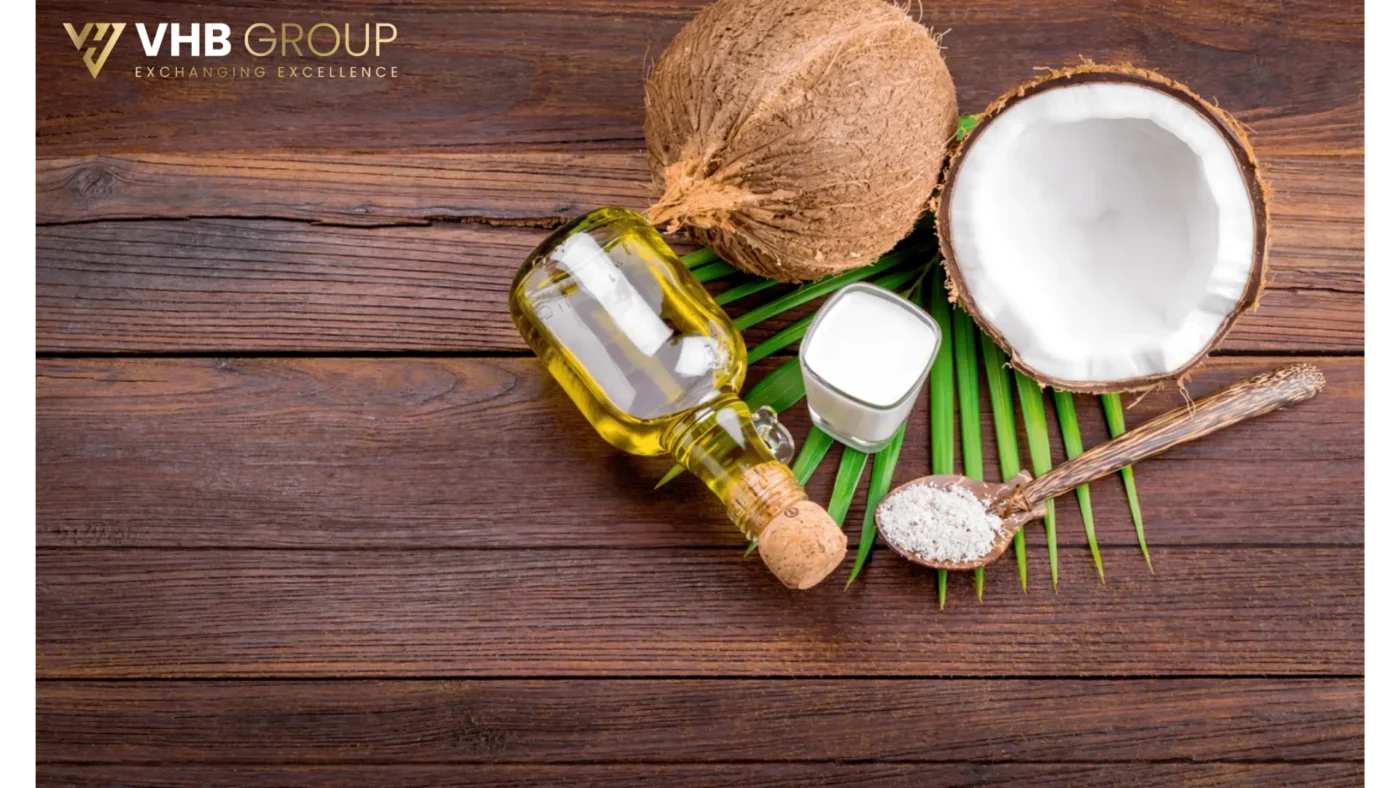
Introduction: The Strategic Role of Crude Coconut Oil Unique SKUs in Modern B2B Supply Chains
In the evolving landscape of global agricultural trade, procurement managers are increasingly turning to specialized raw materials, making the selection of Crude Coconut Oil Unique SKUs a critical factor for industrial efficiency. Crude Coconut Oil (CNO), extracted from the dried kernel (copra) of the coconut (Cocos nucifera), serves as a versatile, indispensable feedstock across several multi-billion-dollar sectors. From oleochemical manufacturing and cosmetic formulations to animal nutrition and sustainable biofuel production, the industrial utility of this natural oil is immense.
However, modern manufacturing plants are highly automated and calibrated to strict operational parameters. Standard, bulk-grade raw materials often introduce undesirable variability in production cycles. To combat this, global buyers require specialized product variations that align perfectly with their technical processing systems. By focusing on tailor-made specifications, manufacturers can minimize refinery downtime, optimize chemical reactions, and reduce overall processing costs. This comprehensive guide details how customizing these unique product designations can revolutionize your agricultural supply chain, with a specific focus on Vietnamese cultivation excellence and international quality standards.
What is Crude Coconut Oil (CNO)?
Crude Coconut Oil is the primary extraction product from copra. Unlike Refined, Bleached, and Deodorized (RBD) coconut oil, CNO retains its natural yellowish hue, distinct coconut aroma, and high concentration of free fatty acids (FFA). Biochemically, it is classified as a lauric oil because lauric acid (C12) constitutes approximately 48% to 52% of its total fatty acid profile. This high percentage of medium-chain fatty acids (MCFAs) gives the oil unique physical and chemical characteristics, including high thermal stability, resistance to oxidation, and a sharp melting point around 24°C (75°F).
For industrial B2B applications, CNO is typically used as a precursor. It undergoes further processing, such as splitting, hydrogenation, or transesterification, to produce fatty acids, fatty alcohols, glycerin, and methyl esters. Because these downstream chemical reactions are highly sensitive to impurities, sourcing the correct raw configuration is paramount for operational success.
Table of Contents
- Global Market Trends and Demand for Crude Coconut Oil Unique SKUs
- Cultivation Regions: Vietnam’s Hub of Premium Coconut Agriculture
- Industrial Processing and Customizing Crude Coconut Oil Unique SKUs
- International Quality Standards and Certifications
- Technical Specifications of Crude Coconut Oil Unique SKUs
- Export Logistics and B2B Packaging Solutions
- Why Partner with VIHABA for Crude Coconut Oil Unique SKUs?
- Frequently Asked Questions (FAQs)
- Conclusion: Securing Your Supply Chain
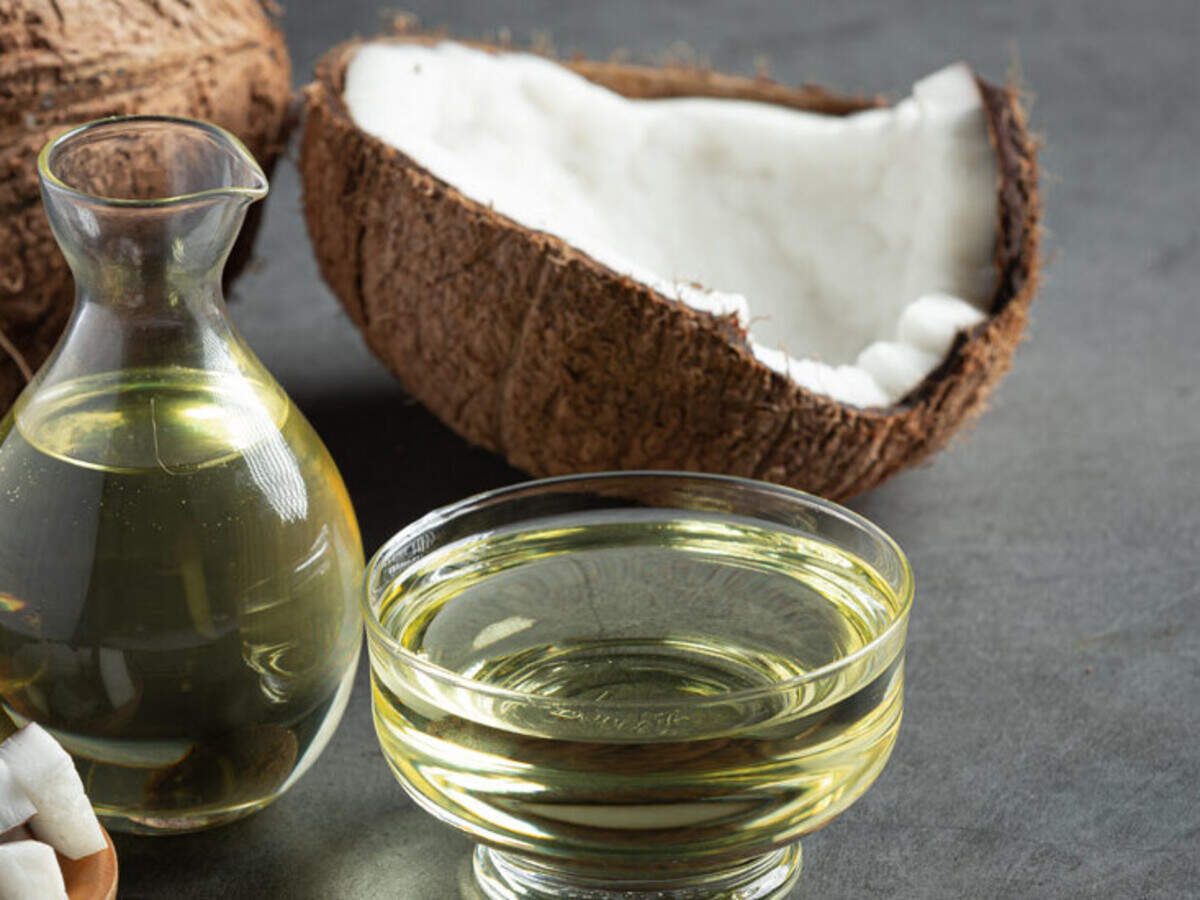
Global Market Trends and Demand for Crude Coconut Oil Unique SKUs
The global market for coconut-derived oils has experienced a structural shift over the past decade. Historically, coconut oil was viewed primarily as a food ingredient. Today, it is recognized as a vital industrial lipid. The surge in demand for bio-based, biodegradable surfactants in the personal care industry, coupled with the global push for renewable aviation fuels and green biolubricants, has intensified the competition for high-quality CNO feedstock.
Sourcing standard industrial grades on the open market is no longer sufficient for high-tier manufacturers. Large-scale buyers in Europe, North America, and East Asia are demanding Crude Coconut Oil Unique SKUs that guarantee consistent chemical and physical markers. For instance, the European oleochemical market requires low-aflatoxin and low-moisture CNO to meet strict environmental and process safety regulations. Meanwhile, the animal feed sector seeks specific fatty acid ratios to maximize nutritional bioavailability in young livestock. By segregating inventories into distinct, standardized stock-keeping units, suppliers can cater to these precise market segments, ensuring that buyers only pay for the exact properties their processes require.
Furthermore, supply chain transparency has transitioned from a marketing buzzword to a regulatory mandate. The implementation of the EU Deforestation Regulation (EUDR) and similar global frameworks means that industrial buyers must trace their oil back to the exact cooperative or farm where the coconuts were harvested. Creating customized inventory structures that integrate geographical tracking data allows B2B buyers to verify compliance effortlessly, protecting their brands from regulatory disruptions and consumer backlash.
Cultivation Regions: Vietnam’s Hub of Premium Coconut Agriculture
Vietnam has rapidly emerged as a dominant force in global coconut production, driven by favorable agro-climatic conditions and a deeply rooted agricultural heritage. The country boasts over 180,000 hectares of coconut plantations, with a major concentration in the Mekong Delta region. The unique geography of this delta, characterized by fertile, saline-intruded alluvial soils and a dense network of natural canals, provides an optimal ecosystem for coconut palms to thrive.
The primary cultivation hub is Ben Tre Province, widely recognized as the “Coconut Capital” of Vietnam. Palms grown in Ben Tre benefit from high humidity, consistent year-round temperatures, and nutrient-dense tidal waters. This unique terroir yields coconuts with an exceptionally rich oil profile, high lauric acid content, and lower natural acidity compared to coconuts grown in arid or less-irrigated regions. Tra Vinh and Tien Giang provinces also contribute significantly to the export pool, utilizing modern agricultural cooperative models that focus on maximizing yield while maintaining soil health.
Vietnamese farmers are increasingly adopting sustainable and organic farming practices. Through partnerships with international agricultural organizations, many plantations have achieved GlobalGAP and USDA Organic certifications. By eliminating synthetic fertilizers and chemical pesticides, these farms ensure that the resulting copra is free from harmful residues. This clean agricultural foundation is critical for producing premium, food-grade, and pharmaceutical-grade raw materials, allowing exporters to develop highly specialized product options for discerning international buyers.
Industrial Processing and Customizing Crude Coconut Oil Unique SKUs
The transformation of raw coconuts into highly refined industrial oil is a precise science. It begins with the careful harvesting of fully mature coconuts, which naturally possess the highest concentration of lipids. Once harvested, the coconuts are dehusked and split to extract the kernel. This kernel is then dried using specialized methods to produce copra. Proper drying is a critical step; controlling the temperature and drying speed prevents the growth of molds, such as Aspergillus flavus, which can contaminate the oil with harmful aflatoxins.
In modern processing facilities, the copra is cleaned, crushed, and fed into heavy-duty expeller presses. These mechanical presses use physical pressure to extract the crude oil, avoiding the use of chemical solvents like hexane, which can leave trace residues. The extracted oil is then run through a multi-stage filtration system to remove insoluble impurities, resulting in a clear, golden liquid. To create specialized product variations, processing parameters are adjusted dynamically:
- FFA Control: By controlling the storage time and moisture content of the copra before pressing, facilities can produce oil with customized Free Fatty Acid limits, ranging from under 2% for premium applications to 4% for standard industrial use.
- Filtration Customization: Utilizing different filter mesh sizes (e.g., 5-micron vs. 10-micron) allows the particulate matter to be tailored to the buyer’s decanting setup.
- Thermal Stabilization: Precise temperature controls during extraction prevent the denaturation of natural antioxidants, preserving the natural shelf life of the raw material.
This level of processing control enables the creation of distinct, high-performance product variants tailored to specific industrial setups, ensuring seamless integration into the buyer’s production line.
International Quality Standards and Certifications
In the international B2B arena, trust is verified through documentation. Sourcing raw materials from emerging markets requires strict compliance with globally recognized quality standards. This ensures that every shipment is safe, consistent, and legally compliant with destination port regulations.
To meet the demands of global buyers, processing facilities must hold rigorous certifications, including:
- ISO 9001 & ISO 22000: These standards guarantee that the manufacturer operates under a highly controlled quality management system and maintains strict food safety protocols throughout the processing chain.
- HACCP (Hazard Analysis Critical Control Point): This systematic preventive approach addresses physical, chemical, and biological hazards in production processes, ensuring that contamination risks are identified and mitigated in real-time.
- Halal & Kosher: These dietary certifications are essential for buyers formulating products for the global food, cosmetic, and pharmaceutical industries, opening doors to diverse consumer markets.
- Phytosanitary and Traceability Documentation: Every export batch must be accompanied by comprehensive certificates of analysis (CoA) detailing moisture content, iodine values, and heavy metal limits. Complete batch traceability ensures that every drum or flexitank can be traced back to its specific production run.
Technical Specifications of Crude Coconut Oil Unique SKUs
To help procurement teams make informed decisions, it is helpful to look at the exact chemical and physical properties that define high-performing raw materials. Below is a comprehensive technical specification table comparing a standard industrial grade against a premium, highly filtered option. These distinct parameters represent how customized product variations are cataloged to meet varying operational demands.
| Chemical & Physical Parameters | Standard Industrial Grade (SKU-CNO-01) | Premium Feedstock Grade (SKU-CNO-02) | Test Method / Reference |
|---|---|---|---|
| Free Fatty Acids (as Lauric) | < 4.0% maximum | < 2.0% maximum | AOCS Ca 5a-40 |
| Moisture & Impurities (M&I) | < 1.0% maximum | < 0.25% maximum | AOCS Ca 2c-25 / Ca 3a-46 |
| Iodine Value (Wijs) | 7.5 – 10.5 g I2/100g | 7.5 – 10.0 g I2/100g | AOCS Cd 1-25 |
| Saponification Value | 250 – 264 mg KOH/g | 254 – 264 mg KOH/g | AOCS Cd 3-25 |
| Color (Lovibond 5.25″ cell) | Y: 30, R: 5.0 maximum | Y: 15, R: 2.0 maximum | AOCS Cc 13b-45 |
| Insoluble Impurities | < 0.1% maximum | < 0.02% maximum | AOCS Ca 3a-46 |
| Lauric Acid (C12:0) Content | 45.0% – 48.0% | 48.5% – 52.0% | Gas Chromatography (GC) |
By offering these distinct chemical profiles, suppliers can accommodate buyers who require ultra-low moisture to prevent hydrolysis during shipping, as well as industrial chemical processors who prioritize a high lauric acid concentration for manufacturing sodium lauryl sulfate (SLS).
Export Logistics and B2B Packaging Solutions
Transporting bulk agricultural liquids across thousands of miles of ocean requires robust logistics planning. Crude coconut oil is highly sensitive to temperature variations. Because its natural melting point is 24°C, it will solidify into a thick, waxy paste when transported to temperate or cold climates. This physical transformation requires specialized packaging and handling protocols to ensure safe arrival and effortless unloading.
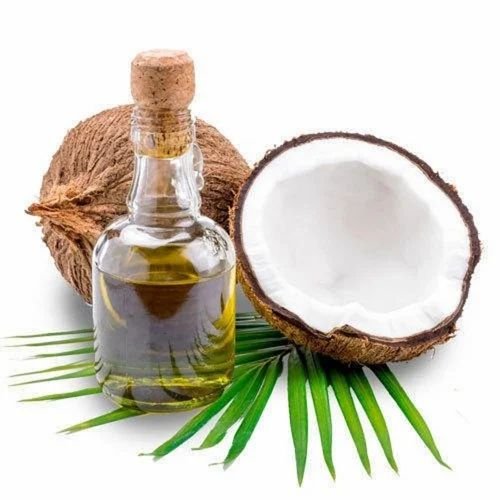
To meet these challenges, exporters utilize three main packaging configurations, each optimized for specific volume requirements and unloading facilities:
- Flexitanks (Flexibags): Designed for maximum cost efficiency in high-volume shipments, flexitanks are heavy-duty, multi-layered bladder bags installed inside standard 20-foot dry shipping containers. They can hold up to 22,000 liters (approximately 20 metric tons) of liquid oil. For shipments heading to cold climates, flexitanks are equipped with integrated heating pads (steam or hot water systems) beneath the bladder, allowing receiving factories to gently melt the solidified oil back into a pumpable liquid before discharge.
- Intermediate Bulk Containers (IBC Totes): IBCs are heavy-duty 1,000-liter composite containers reinforced with a galvanized steel cage. They are ideal for medium-sized manufacturers who lack large bulk-storage tanks and prefer to transport raw materials directly to their production lines using forklifts. IBCs can also be fitted with specialized heating blankets.
- Steel or Plastic Drums (200L): This traditional packaging method remains popular for smaller trial batches, laboratories, and facilities with manual decanting stations. They offer maximum physical protection during handling and transit but require more labor-intensive unloading processes.
In addition to physical packaging, maintaining a reliable cold-chain or thermal-protection logistics workflow, coordinating with dependable ocean liners, and preparing rapid customs clearing documents are essential components of an efficient export supply chain.
Why Partner with VIHABA for Crude Coconut Oil Unique SKUs?
In the competitive global marketplace, successful procurement relies on finding a strategic partner who understands that consistency is just as valuable as the raw material itself. At VIHABA, we have established ourselves as a premier agricultural exporter by bridging the gap between local Vietnamese cultivation expertise and strict global B2B requirements. Our deep integration into the farming communities of Ben Tre and the Mekong Delta ensures a stable, sustainable supply of high-grade raw materials year-round.
Through our specialized Crude Coconut Oil Unique SKUs sourcing program, we move beyond generic supply contracts. We work directly with your technical teams to identify and refine the exact chemical and physical markers your machinery requires. Whether you need ultra-low moisture thresholds, minimized free fatty acids, or customized packaging formats like heated flexitanks, our state-of-the-art processing partnerships can deliver. Our robust quality control systems ensure that every batch is accompanied by comprehensive laboratory testing, giving you total confidence in your supply chain reliability. By choosing VIHABA, you gain more than a supplier; you secure a dedicated partner committed to operational transparency, regulatory compliance, and on-time global delivery.
Conclusion: Securing Your Supply Chain with Crude Coconut Oil Unique SKUs
In the highly competitive arena of modern industrial manufacturing, your choice of agricultural inputs directly impacts your production efficiency and bottom line. Relying on standard, unoptimized commodities can lead to process inconsistencies, increased refining costs, and unexpected production downtime. Securing your supply chain with high-performance Crude Coconut Oil Unique SKUs allows your business to align its raw material inputs with its exact technical and operational requirements.
As a trusted leader in agricultural exports, VIHABA is uniquely positioned to help you navigate these complexities. By combining the rich agricultural heritage of Vietnam’s Mekong Delta with modern quality control systems, tailored logistics, and a commitment to sustainable sourcing, we deliver consistent, high-performance lipid solutions designed for the global stage. Contact our professional procurement team today to discuss your specific technical requirements, request analytical samples, and discover how our custom sourcing programs can optimize your industrial manufacturing processes.
Crude Coconut Oil FAQ
Disclaimer: Unless otherwise stated, the images used in this article are the property of their respective owners. We do not claim ownership of any third-party images featured, and they are used here strictly for informational and educational purposes. If you are the copyright holder and wish to have an image removed, please contact us.