
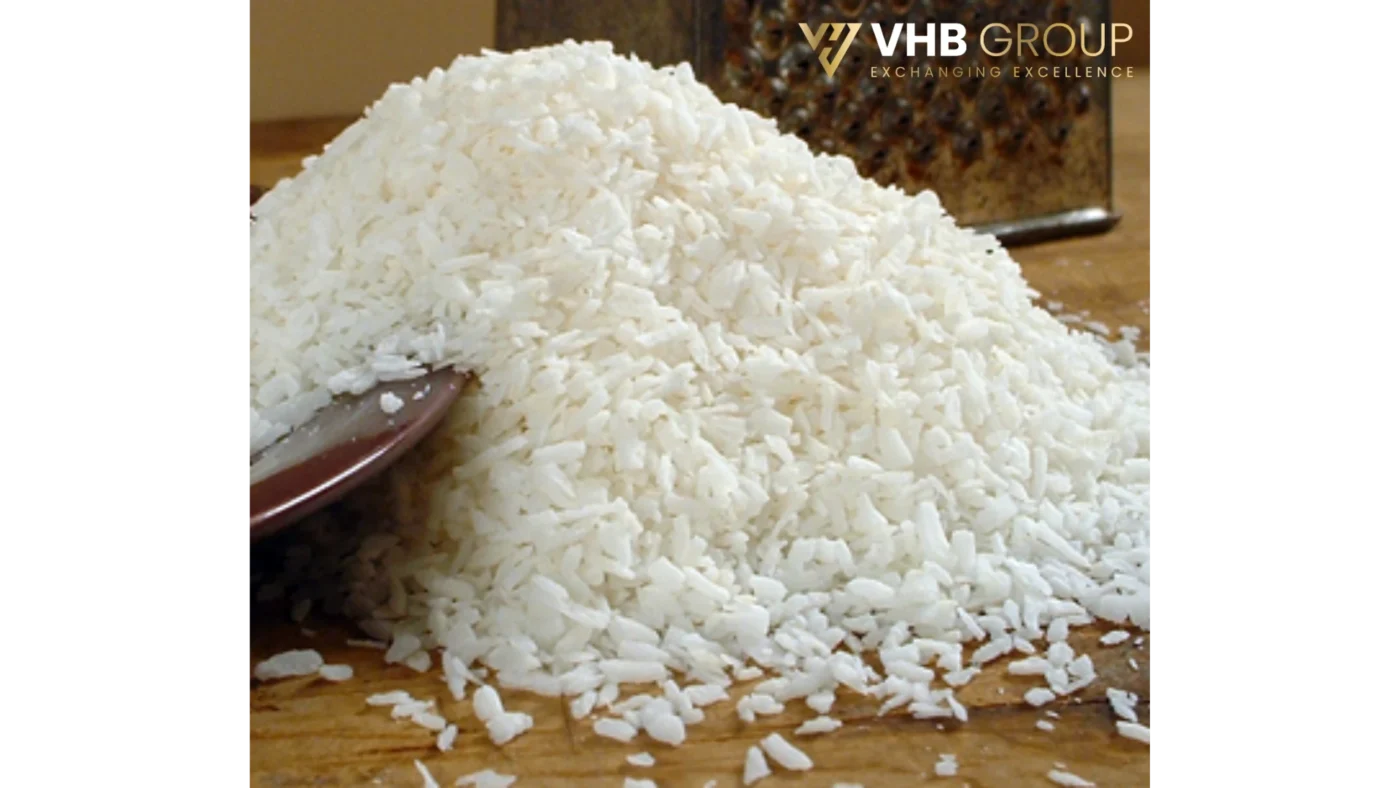
In the competitive landscape of international food manufacturing, sourcing premium Wholesale Desiccated Coconut Special SKUs is vital for companies seeking to elevate their product lines. As global consumer demand shifts toward clean-label, plant-based, and nutrient-dense foods, food manufacturers must look beyond generic coconut ingredients. This comprehensive guide details the intricacies of sourcing specialized coconut products, highlighting how Vietnam has emerged as a premier hub for B2B agricultural exports. By integrating custom-milled and carefully graded ingredients, businesses can optimize their production pipelines, guarantee consistent texture, and meet strict global food safety standards. Partnering with a reliable exporter like VIHABA ensures access to high-grade products tailored to specific industrial needs.
Table of Contents
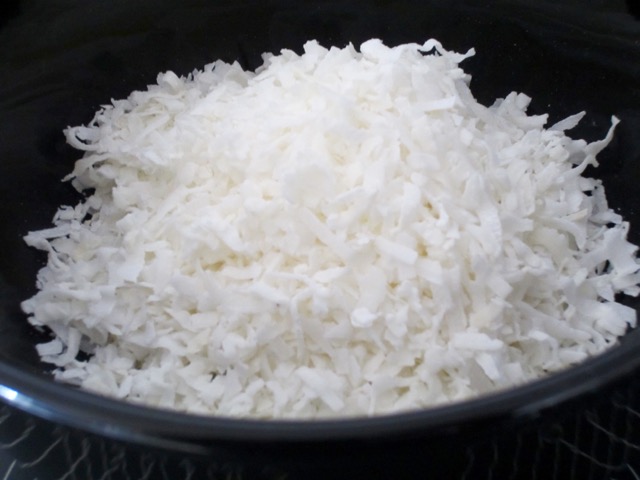
Understanding Wholesale Desiccated Coconut Special SKUs and Their Applications
Desiccated coconut is not merely a single product; it is a versatile family of ingredients tailored to specific food processing requirements. By definition, desiccated coconut is the shredded, dried, and unsweetened white meat of matured coconuts. However, industrial bakeries, confectioners, and snack manufacturers often require distinct physical and chemical attributes to make their end-products successful. This is where Wholesale Desiccated Coconut Special SKUs come into play, offering targeted solutions that commodity-grade coconut cannot match.
Defining the Special SKUs
Standard desiccated coconut is typically categorized into simple fine or medium grades. In contrast, “Special SKUs” are engineered to meet precise parameters, including customized fat content, unique moisture levels, precise particle size distributions, and specialized visual cuts. These variations ensure optimal performance under industrial baking or processing conditions, avoiding issues like fat separation, over-browning, or moisture migration in finished products.
- High-Fat Fine Grade: Containing a minimum of 65% natural coconut fat, this SKU is finely milled. It is highly valued in confectionery and biscuit manufacturing because it provides a rich, buttery mouthfeel and holds moisture beautifully.
- High-Fat Medium Grade: With the same high oil content but a larger particle size (typically 2.8mm to 3.0mm), this grade offers a delightful chewiness. It is the classic choice for chocolate bar fillings, energy bars, and as a decorative coating for premium cakes.
- Low-Fat Grades (Reduced Fat): Milled from partially defatted coconut cake, these SKUs have a fat content ranging from 45% to 55%. They are ideal for high-protein bars, dry baking mixes, gluten-free flour blends, and dietetic products where calorie and fat control are critical.
- Fancy Cuts (Flakes, Chips, Shreds, Threads): These premium aesthetic SKUs are cut to specific visual dimensions. Large, flat chips are perfect for roasting into savory snacks, while delicate threads are preferred for artisanal bakery toppings.
- Toasted and Sweetened SKUs: Pre-processed variations that save manufacturers valuable preparation steps, ensuring a uniform golden color and consistent sweetness across production batches.
Why Sourcing Wholesale Desiccated Coconut Special SKUs Matters for B2B Importers
For B2B procurement managers, the decision to invest in specialized coconut ingredients is driven by efficiency, quality consistency, and consumer satisfaction. When sourcing Wholesale Desiccated Coconut Special SKUs, food brands gain a distinct competitive advantage in several key areas.
Product Formulation Consistency
In large-scale food manufacturing, even a minor variance in raw material specifications can disrupt automated assembly lines. For instance, if the fat content of desiccated coconut fluctuates, it can affect the binding properties of energy bars, causing them to crumble or become overly oily. Sourcing exact SKUs guarantees that every batch behaves identically under heat, pressure, and automated packaging systems.
Customized Visual and Textural Appeal
Modern consumers are highly visual. A premium granola bag featuring large, golden, crispy toasted coconut chips has a far higher perceived value than one containing standard fine coconut dust. Utilizing special cuts like chips or flakes allows brands to command premium pricing in retail markets. Likewise, the mouthfeel of high-fat coconut shreds cannot be replicated by low-fat alternatives, making it a critical factor for confectionery brands aiming for authentic indulgence.
Economic and Operational Efficiency
By sourcing ready-to-use, specialized ingredients—such as pre-toasted flakes or precisely sized shreds—importers can bypass labor-intensive processing steps in their own facilities. This reduces energy consumption, labor costs, and the risk of contamination during secondary handling. Contracting direct container-load shipments of specialized SKUs also guarantees price stability in a volatile agricultural commodity market.

Vietnam’s Sourcing Advantage: The Agronomy of Ben Tre Coconuts
Vietnam has rapidly positioned itself as a powerhouse in the global coconut trade, with Ben Tre Province widely recognized as the country’s undisputed coconut capital. Boasting over 70,000 hectares of lush groves, this region provides the ideal raw materials for producing high-grade Wholesale Desiccated Coconut Special SKUs.
The Alluvial Soil of the Mekong Delta
The exceptional quality of Vietnamese coconuts is rooted in agronomy. Ben Tre is situated in the Mekong Delta, where the soil is continually enriched by nutrient-dense alluvial deposits from the river branches. This mineral-rich soil, combined with a stable tropical climate, high humidity, and consistent sunshine, allows coconut trees to thrive. Coconuts harvested here are renowned for their high natural oil content, sweet aroma, and thick, pristine white kernel meat.
Commitment to Sustainable and Organic Farming
In response to global B2B trends, Vietnamese farmers and exporters have embraced sustainable agriculture. Many plantations in Ben Tre adhere to organic practices, avoiding synthetic fertilizers and harmful pesticides. This clean cultivation process makes it possible to produce certified Organic Desiccated Coconut SKUs that comply with strict USDA Organic, EU Organic, and JAS regulations. B2B buyers can confidently market these products to environmentally conscious consumers, complete with full traceability back to the specific cooperative farms.
Advanced Processing and Manufacturing Standards
Transforming raw coconuts into highly specialized, food-safe ingredients requires a sophisticated processing infrastructure. VIHABA’s production partners utilize state-of-the-art facilities equipped with advanced machinery to ensure that every SKU meets the most stringent international standards.
The Step-by-Step Production Process
Understanding the processing pipeline highlights the rigorous quality control applied at every stage of production:
- De-husking and De-shelling: Freshly harvested, mature coconuts (typically 11 to 12 months old) are collected and brought to the processing plant. The tough outer husk and hard inner shell are carefully removed.
- Paring: The brown skin (testa) covering the white kernel is pared off by hand or specialized machinery. Removing this outer layer completely is critical to achieving a pure white, high-purity final product.
- Washing and Sanitization: The white kernels are washed multiple times in pure, filtered water to remove any residual coconut water or dust. They then undergo a rigorous steam blanching process at temperatures reaching 100°C for at least 80 to 90 seconds. This step is a vital Critical Control Point (CCP) to eliminate pathogens, particularly Salmonella and E. coli.
- Milling and Cut Customization: The sanitized kernels are passed through precision cutters or disintegrators. Depending on the target SKU, the blades are adjusted to slice, flake, shred, or grind the meat into precise particle sizes.
- Fluidized Bed Drying: The wet shredded coconut is transferred to high-efficiency fluidized bed dryers. Warm, sterile air gently dries the product, reducing moisture content from approximately 50% down to under 3.0%. Precise temperature control prevents the natural sugars from caramelizing, preserving the bright white color.
- Grading and Sifting: The dried coconut passes through a series of oscillating mesh screens to separate the particles into uniform size categories, ensuring strict compliance with fine, medium, or custom cut specifications.
- Metal Detection and Automatic Packing: To guarantee absolute safety, the finalized product passes through highly sensitive metal detectors (ferrous, non-ferrous, and stainless steel) before being automatically weighted and packed into protective bags.
Technical Specifications and Grading Standards
To assist procurement officers and quality assurance teams, the following table details the key physical, chemical, and microbiological specifications for standard and premium Wholesale Desiccated Coconut Special SKUs sourced from Vietnam.
| Specification Parameter | High-Fat Fine Grade | High-Fat Medium Grade | Low-Fat Grade (Reduced) | Fancy Chips / Flakes |
|---|---|---|---|---|
| Fat Content (%) | Min 65% | Min 65% | 45% – 55% | Min 63% |
| Moisture Content (%) | Max 3.0% | Max 3.0% | Max 3.5% | Max 3.5% |
| Free Fatty Acids (FFA) | Max 0.3% (as Lauric Acid) | Max 0.3% (as Lauric Acid) | Max 0.3% (as Lauric Acid) | Max 0.3% (as Lauric Acid) |
| Sulfur Dioxide (SO2) | Free or Max 50ppm (Customizable) | Free or Max 50ppm (Customizable) | Free or Max 50ppm (Customizable) | Free or Max 50ppm (Customizable) |
| Physical Appearance | Pristine white, free-flowing powder | Pristine white, uniform medium granules | Creamy white, fine powder | Pure white flat chips or long flakes |
| Salmonella (per 25g) | Negative | Negative | Negative | Negative |
| E. coli (per 1g) | Negative | Negative | Negative | Negative |
| Yeast & Mold (CFU/g) | Max 100 | Max 100 | Max 100 | Max 100 |
All processing partners are certified under leading international food safety frameworks, including ISO 22000, HACCP, Halal, Kosher, and BRC Global Standards. This ensures that every shipment aligns seamlessly with the import requirements of strict markets like the United States, Europe, Japan, and Korea.

B2B Packaging, Logistics, and Supply Chain Integrity
Transporting agricultural commodities across long maritime distances demands robust packaging and meticulous logistical planning. Desiccated coconut is sensitive to moisture, ambient odors, and temperature fluctuations, making proper packing non-negotiable.
Industrial Packaging Solutions
To preserve freshness, prevent rancidity (lipid oxidation), and block external contaminants, our coconut products are packed in high-quality, multi-layered packaging:
- Inner Layer: A food-grade, high-density polyethylene (PE) liner (70 to 80 microns thick) that acts as a hermetic barrier against moisture and air.
- Outer Layer: Multi-wall Kraft paper bags (typically 3-ply or 4-ply) or woven polypropylene bags that offer superior tensile strength to withstand physical handling during transit.
- Standard Weights: Typically supplied in 25 kg or 50 kg bags. For large-scale industrial operations, heavy-duty bulk super-sacks (500 kg to 1,000 kg) are also available.
Containerization and Shipping Standards
During container loading, specialized desiccated coconut cargo requires dry, well-ventilated conditions. A standard 20-foot Full Container Load (FCL) can comfortably accommodate approximately 12 to 13 metric tons of palletized or loose-packed desiccated coconut. A 40-foot High Cube (HC) container can hold up to 25 to 26 metric tons. To combat “container sweat” (condensation formed during temperature shifts across ocean routes), high-capacity desiccant bags and moisture-absorbing liners are strategically placed throughout the container.
Conclusion: Partnering with VIHABA for Wholesale Desiccated Coconut Special SKUs
Sourcing premium agricultural ingredients is a critical decision that influences your brand’s reputation, operational cost, and product quality. By choosing to source Wholesale Desiccated Coconut Special SKUs from Vietnam, you gain access to rich-flavored, high-purity coconut products harvested from the mineral-dense soils of Ben Tre Province. Combined with state-of-the-art steam sterilization, precise particle grading, and multi-layered protective packaging, these tailored ingredients guarantee optimal performance in any food manufacturing line.
As a leading Vietnamese agricultural exporter, VIHABA is committed to delivering excellence. We bridge the gap between local farming cooperatives and international B2B buyers by ensuring complete supply chain transparency, rigorous quality assurance, and competitive wholesale pricing. Partner with VIHABA to secure a reliable, certified, and premium supply of specialized coconut ingredients tailored exactly to your manufacturing requirements.
Special SKUs FAQ
Disclaimer: Unless otherwise stated, the images used in this article are the property of their respective owners. We do not claim ownership of any third-party images featured, and they are used here strictly for informational and educational purposes. If you are the copyright holder and wish to have an image removed, please contact us.