
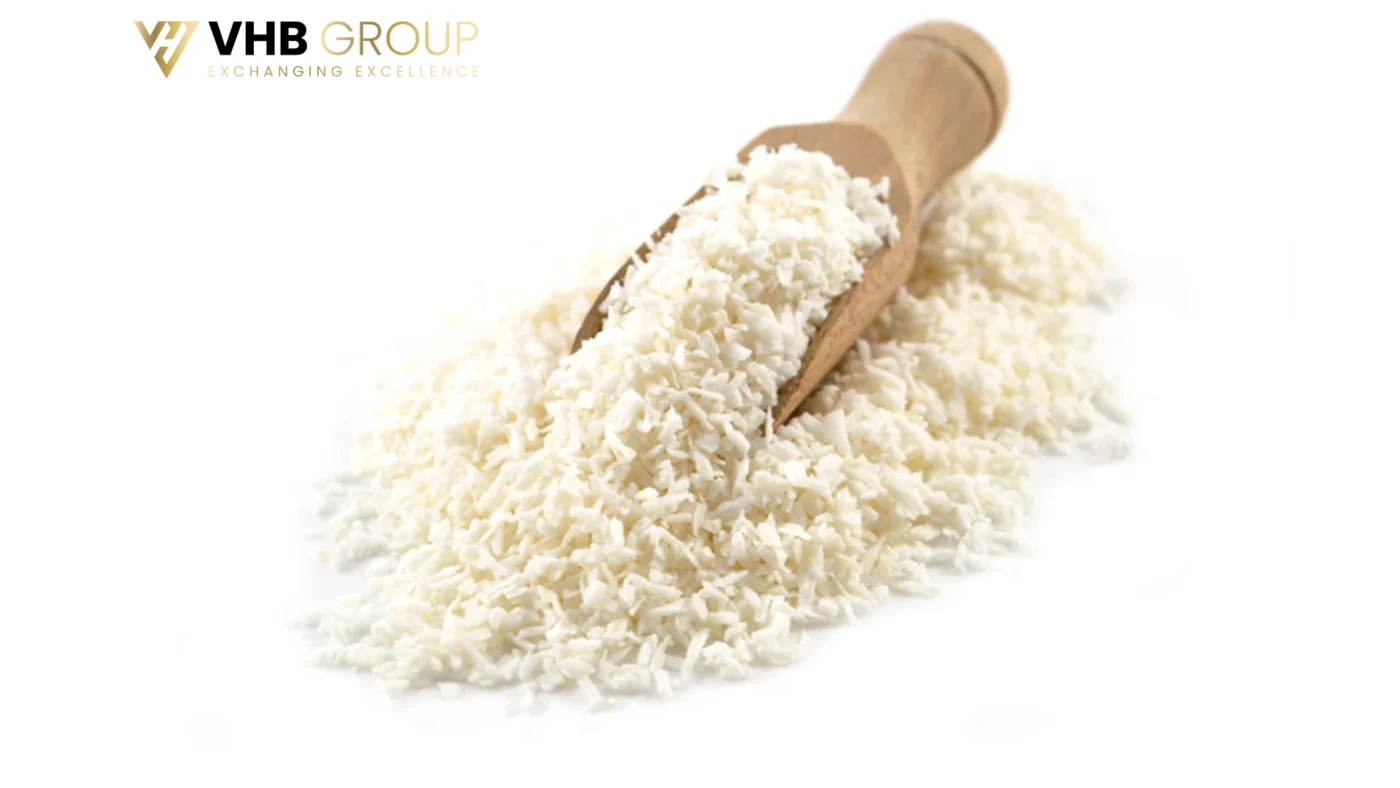
Sourcing premium Medium Grade Desiccated Coconut Bulk has become a critical strategic decision for global food manufacturers, confectioners, and large-scale bakeries seeking to optimize both texture and cost in their production lines. As the global demand for clean-label, plant-based, and nutrient-dense ingredients continues to surge, understanding the nuances of sourcing this highly versatile agricultural commodity is paramount. At VIHABA, we specialize in bridging the gap between direct agricultural sourcing and international trade compliance, ensuring that your enterprise receives nothing short of world-class quality.
In this comprehensive guide, we will delve deep into the agronomy, processing mechanics, international quality standards, and logistics frameworks that govern the wholesale procurement of desiccated coconut. Whether you are a procurement manager at a multinational confectionery brand or a bulk distributor looking to diversify your portfolio, this analysis will equip you with the technical knowledge required to make informed purchasing decisions.
Table of Contents
- 1. Sourcing Origins and Agronomy of Medium Grade Desiccated Coconut Bulk
- 2. Technical Specifications and Grading Standards
- 3. Why Medium Grade Desiccated Coconut Bulk Is Essential for B2B Food Processing
- 4. Quality Assurance, Certifications, and Sourcing Compliance
- 5. Supply Chain, Packaging, and Logistics Optimization
- 6. Global Market Trends and Pricing Factors
- 7. Frequently Asked Questions (FAQs)
- 8. Conclusion and Partnership Opportunities
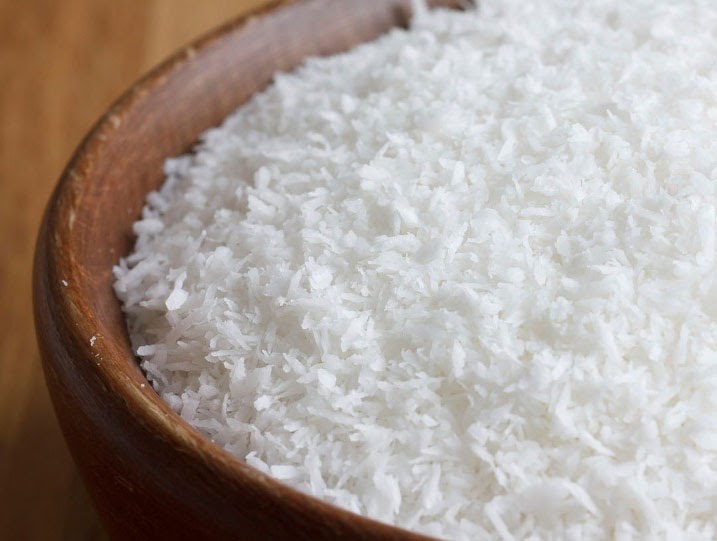
Understanding the Sourcing of Medium Grade Desiccated Coconut Bulk
The journey of premium desiccated coconut begins in the tropical coastal regions, where soil composition, relative humidity, and rainfall play a pivotal role in determining the quality of the raw fruit. Vietnam, particularly the Ben Tre province in the Mekong Delta, stands out as one of the world’s premier origins for high-yield, nutrient-dense coconuts. The alluvial soil, enriched by the complex river systems, provides an exceptional concentration of minerals that directly translate into the rich, aromatic profile of the coconut meat.
For agricultural exporters like VIHABA, sourcing is not merely a transactional activity; it is an ongoing partnership with local farming cooperatives. To produce high-quality Medium Grade Desiccated Coconut Bulk, only fully mature coconuts (typically harvested at 11 to 12 months) are selected. At this maturity stage, the kernel (copra) has reached its peak thickness, fat content, and oil density. Immature coconuts yield soft, low-fat meat that fails to meet the stringent physical and chemical standards required for commercial desiccation, while over-mature coconuts can introduce rancidity and off-flavors due to the onset of germination.
The harvesting process is meticulously timed. Once harvested, the coconuts are transported to modern processing facilities where they undergo dehusking, deshelling, and paring. Paring is the delicate process of removing the thin brown skin (testa) from the white kernel. This step is critical: any leftover testa will result in dark specks in the final product, lowering its grade and market value. The pared kernels are then washed in chlorinated water to eliminate surface pathogens, sterilized using high-temperature steam to ensure microbiological safety, and prepared for the disintegration phase.
Key Quality Specifications for Medium Grade Desiccated Coconut Bulk
When importing desiccated coconut at an industrial scale, understanding the technical specifications is the key to ensuring product consistency and processing compatibility. In the agricultural trading sector, ‘Medium Grade’ refers primarily to the particle size of the grated coconut, positioned between the ultra-fine textures used in decorative dustings and the large flakes or shreds used in specialty confectionery.
To guarantee that your production lines run smoothly without machinery clogging or product separation, the physical and chemical parameters of the shipment must align with strict international benchmarks. The table below outlines the comprehensive specifications for high-quality Medium Grade Desiccated Coconut Bulk supplied by VIHABA.
| Parameter | Specification Limit | Testing Reference |
|---|---|---|
| Physical Appearance | Natural white, free from yellow spots and mold | Visual / Sensory |
| Moisture Content | Max 3.0% | Halogen Moisture Analyzer |
| Total Fat Content | Min 60% – 65% (High Fat) | Soxhlet Extraction |
| Free Fatty Acids (FFA) | Max 0.15% (as Lauric Acid) | Titration Method |
| Sulphur Dioxide (SO2) | Max 100 ppm (or SO2-Free as requested) | Monier-Williams Method |
| Particle Size Distribution | 1.4 mm to 2.5 mm (min 90% retention) | Mesh Sieve Analysis |
| E. coli | Negative in 1g | ISO 7251 |
| Salmonella | Negative in 25g | ISO 6579 |
Technical Analysis of Medium Grade Desiccated Coconut Bulk Parameters
Analyzing these parameters reveals why this specific grade is so highly sought after. The moisture content, maintained strictly below 3%, is the primary defense against microbial spoilage and rancidity. Since desiccated coconut is rich in lipids (with a fat content exceeding 60%), any excess moisture can trigger hydrolytic rancidity, where free fatty acids are released, producing an unpleasant soapy taste. Keeping the Free Fatty Acids (FFA) below 0.15% ensures a stable shelf life and preserves the natural, sweet aroma of the coconut.
Furthermore, particle size distribution is critical for industrial bakers. The medium cut (1.4mm to 2.5mm) provides a distinct mouthfeel—offering a pleasant, chewy texture without being too fibrous or difficult to swallow. This balance makes it highly versatile across diverse food formulations.
Why Medium Grade Desiccated Coconut Bulk Is Essential for B2B Food Processing
The versatility of Medium Grade Desiccated Coconut Bulk makes it an indispensable ingredient across multiple sectors of the global food manufacturing industry. Unlike fine-grade coconut, which can get lost in heavy doughs, or coarse shreds, which can disrupt the structural integrity of delicate pastries, the medium grade offers the perfect structural and sensory balance.
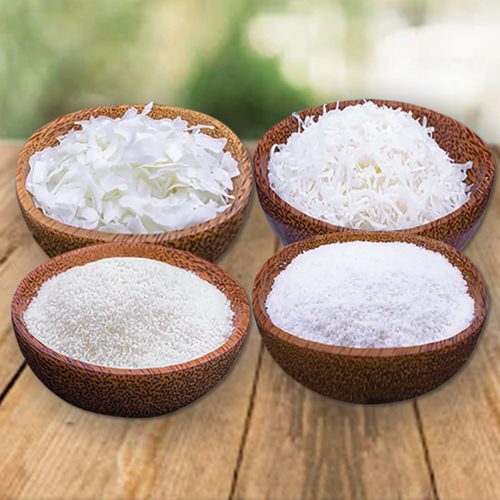
Unlocking the Culinary Value of Medium Grade Desiccated Coconut Bulk
In the confectionery sector, this grade is widely utilized as a core filling for chocolate bars, enrobed pralines, and truffles. Its ability to absorb moisture from syrups and binders while maintaining a firm, chewy bite is highly valued by product developers. When combined with sweeteners and starches, the medium-sized particles create a cohesive matrix that can be easily extruded or molded by high-speed industrial machinery.
In the commercial baking industry, Medium Grade Desiccated Coconut Bulk is a staple for cookies, macaroons, biscuits, and specialty breads. It serves a dual purpose: enhancing flavor and improving nutritional profiles. Coconuts are naturally rich in Medium-Chain Triglycerides (MCTs), which are highly prized by health-conscious consumers for their rapid energy conversion. By incorporating this ingredient, bakers can claim clean-label, gluten-free, and fiber-rich benefits on their packaging, driving consumer interest and higher retail margins.
Additionally, the breakfast cereal and granola industry leverages the physical structure of the medium grade to add visual appeal and texture to toasted mixes. The particles toast evenly under industrial heat, developing a beautiful golden-brown color and a deep, caramelized coconut flavor that remains stable when packaged in protective atmospheres.
Quality Assurance, Certifications, and Sourcing Compliance
In the contemporary B2B landscape, quality assurance is non-negotiable. Agricultural products must meet strict regulatory standards established by importing nations, including the FDA in the United States, EFSA in the European Union, and various national food safety authorities across Asia and the Middle East.
To guarantee compliance, VIHABA operates in strict accordance with international quality management systems. Our production facilities hold key certifications that reflect our commitment to safety, hygiene, and ethical sourcing:
- HACCP & ISO 22000: These certifications ensure that hazards are identified, monitored, and controlled at every stage of the manufacturing process, from raw nut reception to final container loading.
- Halal & Kosher: Vital for entering diverse global markets, these certifications verify that no animal-derived or non-compliant processing aids are used during manufacturing.
- GlobalGAP & Social Audits: We prioritize agricultural sustainability and fair labor practices, ensuring that our supply chain supports rural farming communities in Vietnam while preserving local ecosystems.
By implementing comprehensive metal detection, multi-stage sifting, and rigorous laboratory analysis for every batch, we ensure that our Medium Grade Desiccated Coconut Bulk is entirely free from foreign matter, heavy metals, and pathogenic micro-organisms like Salmonella.
Supply Chain, Packaging, and Logistics Optimization for Medium Grade Desiccated Coconut Bulk
Transporting agricultural commodities across oceans requires meticulous planning and robust packaging solutions to prevent degradation. Desiccated coconut is highly sensitive to environmental factors such as ambient humidity, temperature fluctuations, and external odors.
Our standard packaging for Medium Grade Desiccated Coconut Bulk is engineered to withstand long-transit maritime shipping. We utilize multi-ply Kraft paper bags (typically 3-ply or 4-ply) with an inner food-grade Polyethylene (PE) liner. This liner acts as an absolute barrier against moisture ingress and oxygen exposure, preventing lipid oxidation during hot tropical voyages. Bags are sealed hermetically and are available in standard 25 kg or 50 kg capacities, as well as jumbo bags (600 kg to 1000 kg) for high-volume industrial clients who utilize automated bag-dumping systems.
For containerized shipments, we offer both loose-loading and palletized options. While loose-loading maximizes the volume per container (allowing up to 13 Metric Tons in a 20ft FCL and 26 Metric Tons in a 40ft High Cube FCL), palletization (using ISPM-15 certified heat-treated wooden or plastic pallets) is highly recommended for clients looking to minimize unloading times, reduce labor costs, and prevent package damage at destination warehouses.
Our logistics team coordinates closely with premier shipping lines to secure reliable freight rates and optimal transit routes, ensuring that products are shipped under cool, dry conditions away from heat sources on the vessel.
Global Market Trends and Pricing Factors
The global coconut market is subject to various macro-economic and environmental influences. Understanding these factors can help B2B procurement teams optimize their purchasing calendars and secure competitive contract pricing.
- Climatic Conditions: Natural phenomena such as El Niño or extreme monsoons in major producing countries (Vietnam, the Philippines, Indonesia) can impact crop yields, causing temporary supply contractions and price volatility.
- Freight and Energy Costs: Because desiccated coconut is primarily produced in Southeast Asia and consumed globally, ocean freight rates significantly influence the landed cost (CIF prices) at major destination ports.
- Exchange Rates: Fluctuations between the US Dollar and local currencies in exporting nations can alter the pricing dynamics of long-term supply agreements.
At VIHABA, we help our clients mitigate these risks by offering flexible contracting options, including spot purchases, quarterly fixed-price contracts, and annual volume commitments. Our deep integration into the local Vietnamese supply chain allows us to absorb market shocks better than pure-play trading houses, ensuring stable supply lines for our partners.
Conclusion and Partnership Opportunities
In conclusion, sourcing high-quality Medium Grade Desiccated Coconut Bulk is an investment in your brand’s reputation, product consistency, and operational efficiency. By selecting a grade that offers the perfect synergy of natural coconut flavor, rich healthy fats, and ideal textural properties, B2B food manufacturers can elevate their products in a competitive global marketplace.
At VIHABA, we pride ourselves on being more than just an agricultural exporter; we are your dedicated supply chain partner. With direct farm access in Vietnam’s richest coconut regions, state-of-the-art processing capabilities, and a commitment to international quality standards, we guarantee a reliable, year-round supply of premium Medium Grade Desiccated Coconut Bulk.
Contact our specialist export team today to receive detailed technical datasheets, request free product samples, or secure a competitive custom wholesale quote tailored to your exact manufacturing requirements. Let us help you streamline your global sourcing operations with professionalism, transparency, and unmatched quality.
Medium Grade Desiccated Coconut Bulk FAQ
Disclaimer: Unless otherwise stated, the images used in this article are the property of their respective owners. We do not claim ownership of any third-party images featured, and they are used here strictly for informational and educational purposes. If you are the copyright holder and wish to have an image removed, please contact us.