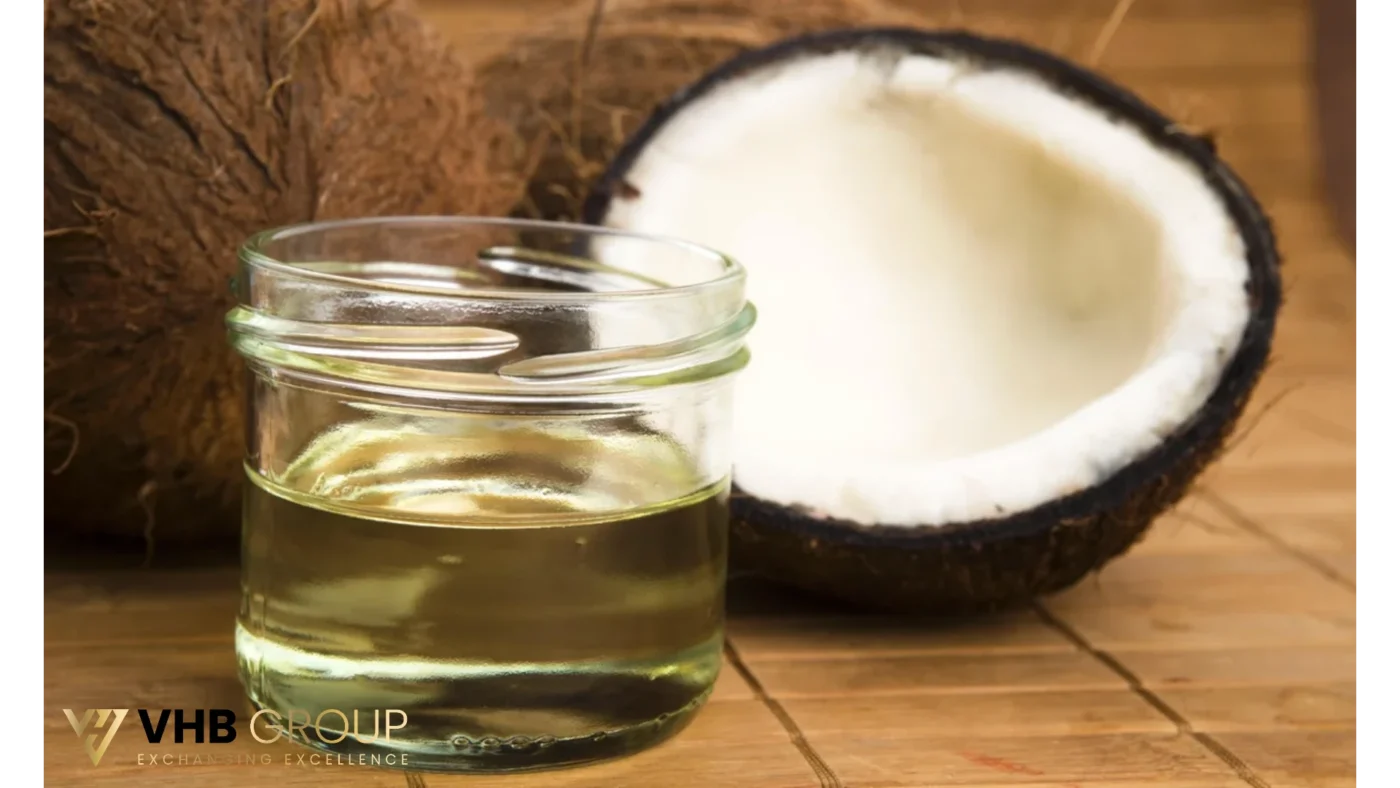
Sourcing Cold Pressed Coconut Oil Sourcing inventory provides B2B organic food brand owners, luxury cosmetics formulators, nutraceutical manufacturers, and specialty ingredient importers with a premium, nutrient-dense plant fat. Extracted mechanically from fresh, mature coconut kernels without chemical solvents or high thermal processing, Cold Pressed Coconut Oil (CPCO) retains its natural coconut aroma, sweet taste, native vitamin E content, and active phenolic antioxidants.
For procurement directors, commercial buyers, and supply chain managers at VHB Group, establishing a scalable supply chain for cold pressed coconut oil requires evaluating technical extraction parameters, verifying organic certifications, selecting optimal packaging formats, managing thermal phase-change logistics, and navigating customs clearance. This comprehensive guide evaluates the chemical, operational, and commercial protocols necessary to build a profitable, high-purity supply chain.
Table of Contents
-
Global Market Demand and Commercial Value of Cold Pressed Coconut Oil
-
Extraction Physics: Centrifugal Separation vs. Hydraulic and Screw Pressing
-
Chemical Profile, Lauric Acid Concentration, and Quality Standards
-
Packaging Configurations and Ocean Shipping Payload Economics
-
B2B Landed Cost and Yield Calculation Framework
-
Regulatory Compliance, USDA/EU Organic Certification, and Customs Documentation
-
Frequently Asked Questions (FAQ)

1. Global Market Demand and Commercial Value of Cold Pressed Coconut Oil
The global demand for cold pressed plant oils continues to experience rapid growth, driven by consumer demand for unrefined, clean-label, natural ingredients. Cold Pressed Coconut Oil occupies a high-value niche within the broader vegetable oil market:
Premium Organic Food and Gourmet Culinary Applications
In the food processing and retail sectors, cold pressed coconut oil is marketed as an unrefined fat for keto, paleo, vegan, and organic dietary formulations. Because it undergoes no chemical refining or deodorization, it delivers a fresh coconut taste and light aroma ideal for organic baking, snack roasting, raw confectionery, and specialty frying.
Luxury Cosmetics and Personal Care Formulations
Cosmetic chemists utilize cold pressed coconut oil as an active emollient base in organic skincare, facial serums, hair conditioning masks, lip balms, and natural soaps. The preservation of native polyphenols and natural tocopherols during cold extraction provides superior antioxidant and skin-barrier hydration properties compared to refined fats.
Nutraceuticals and Functional Supplements
Dietary supplement manufacturers encapsulate cold pressed coconut oil into softgel capsules or bottle it directly for daily liquid wellness supplementation. Its rich concentration of Medium-Chain Fatty Acids (MCFAs), particularly lauric acid, supports rapid metabolic absorption and digestive wellness.
2. Extraction Physics: Centrifugal Separation vs. Hydraulic and Screw Pressing
To maintain its official cold pressed designation under international food standards (such as Codex Alimentarius), extraction temperatures must strictly remain below 45°C (113°F) throughout processing. Higher temperatures destroy delicate heat-sensitive antioxidants and degrade natural aromatic volatile compounds.
                  [Fresh Mature Coconuts (11-12 Months)]
                                    │
                                    ▼
                      [De-husking and Deshelling]
                                    │
                                    ▼
                      [Grating Fresh Wet Meat]
                                    │
                    ┌───────────────┴───────────────┐
                    ▼                               ▼
       [Centrifugal Wet Process]           [Low-Heat Screw Pressing]
        - Fresh Coconut Milk                - Low-Temp Dehydration (< 40°C)
        - High-Speed Centrifuge             - Mechanical Expeller Pressing
        - Water-Clear Liquid                - Light Nutty Aroma
        - Ultra-Mild Cream Scent            - High Fat Yield
                    │                               │
                    └───────────────┬───────────────┘
                                    ▼
                    [Sub-Micron Membrane Filtration]
                                    │
                                    ▼
                    [Pristine Cold Pressed Oil]
Centrifugal Wet Separation Process
Freshly harvested coconuts are pared, grated, and pressed to yield fresh, wet coconut milk. The milk emulsion is fed into high-speed industrial centrifuges that separate the lighter oil phase from the heavier water and protein phases within minutes without heat application.
-
Sensory Characteristics: Yields a water-clear liquid oil with an ultra-mild, fresh coconut cream scent and a smooth, non-greasy palate feel.
-
Industrial Value: Represents the highest purity grade for luxury cosmetics, facial oils, and premium organic supplements.
Low-Temperature Hydraulic or Screw Pressing
Fresh coconut meat is shredded and subjected to low-temperature desiccation (under 40°C) to reduce moisture levels. The dried kernel flakes pass into continuous mechanical screw presses or hydraulic presses operated at low RPMs to minimize frictional heat.
-
Sensory Characteristics: Produces a clear oil with a slightly warmer, light nutty coconut aroma and full body.
-
Industrial Value: High extraction efficiency per metric ton of kernel, offering an excellent price-to-performance ratio for commercial organic food production.

3. Chemical Profile, Lauric Acid Concentration, and Quality Standards
Cold Pressed Coconut Oil consists predominantly of medium-chain saturated fatty acids that remain structurally stable against oxidation under ambient conditions. To meet international quality standards, wholesale consignments supplied by VHB Group adhere to strict analytical benchmarks:
| Quality Parameter | Technical Standard | Test Method | Commercial Significance |
| Free Fatty Acid (as Lauric) | Maximum 0.10% | AOCS Ca 5a-40 | Guarantees fresh taste with zero sour notes or acid breakdown. |
| Moisture & Volatile Matter | Maximum 0.10% | AOCS Ca 2e-84 | Prevents hydrolytic splitting and preserves multi-year stability. |
| Peroxide Value (PV) | Maximum 1.0 meq/kg | AOCS Cd 8b-90 | Confirms pristine, unoxidized fresh processing quality. |
| Lauric Acid (C12:0) | 48.0% to 53.0% | Gas Chromatography (GC) | Verifies high natural medium-chain antimicrobial density. |
| Iodine Value (IV) | 6.0 to 10.0 g I2 / 100g | AOCS Cd 1-25 | Confirms high saturation and chemical stability. |
| Polyphenol Content | 80 to 150 mg/kg | Spectrophotometry | Verifies preservation of natural raw antioxidants. |
4. Packaging Configurations and Ocean Shipping Payload Economics
Selecting the appropriate bulk or retail packaging configuration governs ocean freight density, container payload yield, and destination handling efficiency.
Ocean Flexitanks (20ft Dry FCL)
Food-grade multi-layer polyethylene bladders installed inside standard 20ft ocean dry containers.
-
Volumetric Capacity: 21,000 to 22,000 Liters (19.3 to 20.2 Metric Tons).
-
Best-Fit Application: Mass commercial organic food processing plants receiving bulk liquid oil for continuous production lines.
Food-Grade Steel and HDPE Drums (200L / 55 Gallon)
Standard tight-head steel drums or open-top HDPE plastic drums packed 80 drums per 20ft container.
-
Volumetric Capacity: 200 Liters per drum (184 kg net weight). Total payload of 16,000 Liters (14.7 Metric Tons) per 20ft container.
-
Best-Fit Application: Cosmetic formulators, mid-sized food factories, and regional wholesale distributors.
Retail-Ready Flint Glass Jars (500ml / 1,000ml)
Flint glass jars equipped with wide-mouth metal screw caps and foil induction seals, packed in corrugated master cartons.
-
Volumetric Capacity: 500ml and 1,000ml. Total payload of 20,000 to 24,000 jars per 20ft container (11.0 to 12.0 Metric Tons).
-
Best-Fit Application: Private-label organic retail brands and supermarket chains.

5. B2B Landed Cost and Yield Calculation Framework
Procurement officers calculate net landed costs across international shipping lanes by applying a step-by-step cost breakdown:
-
Step 1: Calculate Total Shipping Overhead = Ocean Freight Charges + Import Customs Duties + Marine Cargo Insurance + Local Port Drayage.
-
Step 2: Calculate Destination Decanting/Handling Costs = Low-Pressure Hot-Water Heating Pad Rentals (if flexitanks solidify) + Factory Labor.
-
Step 3: Calculate Net Usable Mass = Total Shipped Mass x (1 – Unload Loss Percentage), where residual oil clinging to container liners typically ranges from 0.5% to 1.0%.
-
Step 4: Calculate Net Landed Cost per Usable Unit = (Total FOB Factory Purchase Value + Total Shipping Overhead + Destination Handling Costs) / Net Usable Mass.
6. Regulatory Compliance, USDA/EU Organic Certification, and Customs Documentation
Importing commercial consignments of cold pressed coconut oil requires strict adherence to international organic standards and import food safety regulations.
USDA Organic, EU Organic, and JAS Certification
To be marketed as organic, cold pressed coconut oil must possess valid Organic Transaction Certificates (TC) issued by accredited certification bodies (such as Control Union, Ecocert, or CERES). The certificate verifies that farm plots used no synthetic pesticides or fertilizers and that processing facilities maintained strict physical segregation to prevent cross-contamination.
Essential Export Documentation Suite
-
Commercial Shipping Documents: Master Bill of Lading (B/L), Commercial Invoice, Detailed Packing List, and Certificate of Origin (COO).
-
Technical Quality Certificates: Batch Certificate of Analysis (CoA) detailing FFA, moisture, peroxide value, and fatty acid breakdown.
-
Phytosanitary and Health Certificates: Issued by origin agricultural health authorities certifying fitness for human consumption.
-
Customs Tariff Classification: Classified under HS Code 1513.11.00 (Crude / unrefined raw coconut oil).
Cold Pressed Coconut Oil Distribution FAQ
Disclaimer: Unless otherwise stated, the images used in this article are the property of their respective owners. We do not claim ownership of any third-party images featured, and they are used here strictly for informational and educational purposes. If you are the copyright holder and wish to have an image removed, please contact us.