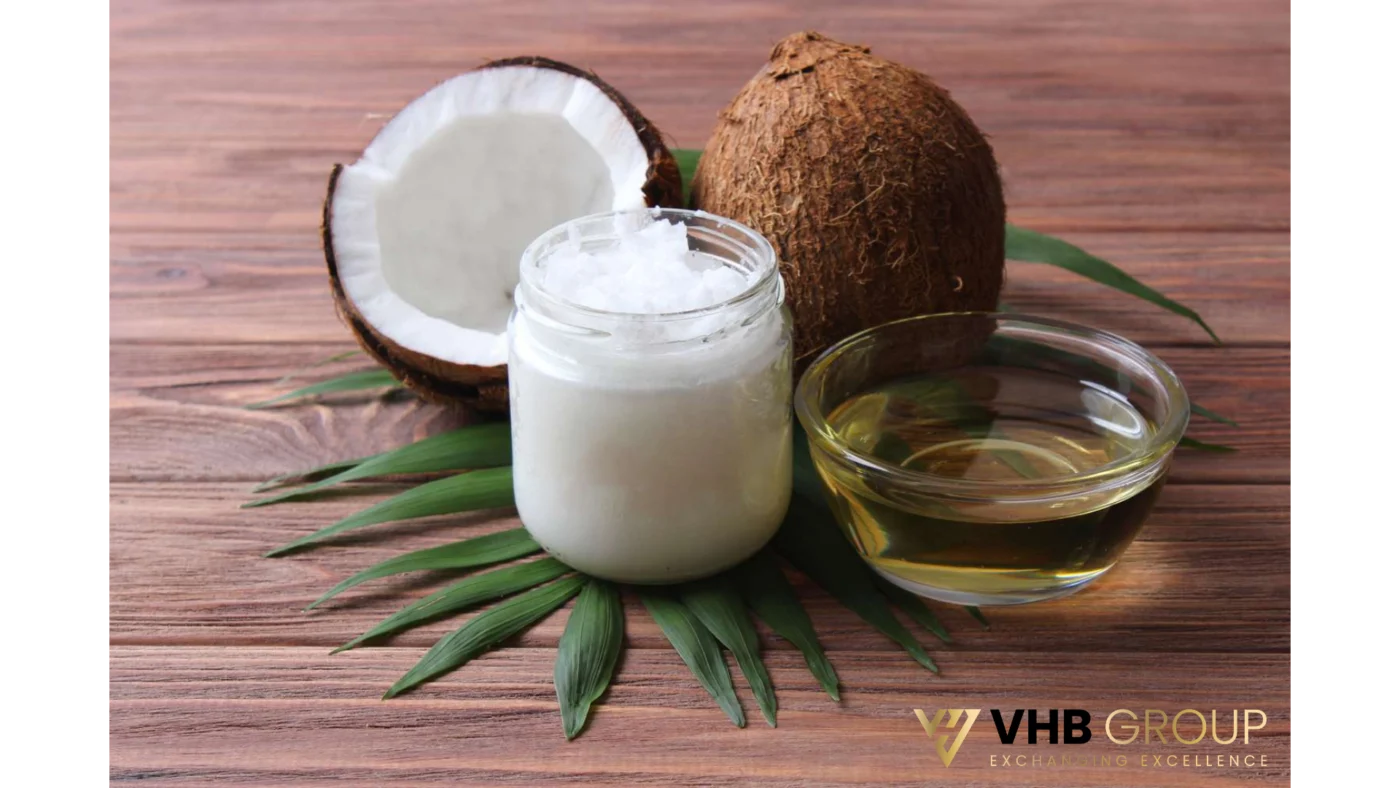
Evaluating Refined Coconut Oil Facts provides essential technical data for B2B food formulators, cosmetic chemists, nutraceutical developers, and procurement officers. Understanding the fatty acid chemistry, physical properties, thermal stability, and nutritional characteristics of Refined, Bleached, and Deodorized (RBD) coconut oil is critical when selecting fats for commercial manufacturing.
RBD coconut oil represents one of the world’s most stable saturated plant fats. Its unique Medium-Chain Fatty Acid (MCFA) structure, low iodine value, and exceptional resistance to oxidation set it apart from unsaturated liquid vegetable oils like soybean, sunflower, or canola oil. This detailed guide analyzes the physical, chemical, and functional facts governing refined coconut oil performance in industrial settings.
Table of Contents
-
Industrial Refining Chemistry: From Copra to Clean Fat
-
Fatty Acid Matrix and Medium-Chain Triglyceride Mechanics
-
Oxidative Stability, Smoke Point, and Thermal Frying Mechanics
-
Phase Transition Physics: Solid-to-Liquid Dynamics at 24°C
-
Comparative Quality Specifications Matrix
-
Industrial Advantages Over Unsaturated Vegetable Oils
-
Frequently Asked Questions (FAQ)

1. Industrial Refining Chemistry: From Copra to Clean Fat
The journey of refined coconut oil begins with copra—dried coconut meat harvested from mature palms (Cocos nucifera). Crude coconut oil extracted from copra contains natural impurities, free fatty acids, carotenoids, and volatile odor compounds that must be removed through physical or chemical processing.
Free Fatty Acid Elimination
Crude coconut oil often exhibits free fatty acid (FFA) levels between 1.0% and 5.0%. Industrial refining reduces FFA levels down to below 0.05% (expressed as lauric acid). Eliminating free fatty acids prevents the development of sour off-flavors, increases smoke point threshold, and significantly extends product shelf life.
Color and Volatile Stripping
Natural pigments (such as carotene and chlorophyll) are removed during adsorptive bleaching using activated clay and carbon filters. Subsequent high-vacuum steam deodorization at 200°C to 240°C strips off volatile lactones, aldehydes, and ketones. The resulting fat is completely flavorless, odorless, and water-clear when liquid.
2. Fatty Acid Matrix and Medium-Chain Triglyceride (MCT) Mechanics
Over 90% of the lipid profile of refined coconut oil consists of saturated fatty acids. Unlike animal fats composed of long-chain saturated fats, coconut oil is uniquely dominated by Medium-Chain Fatty Acids (MCFAs) containing 6 to 12 carbon atoms.
Detailed Fatty Acid Profile Analysis
-
Lauric Acid (C12:0): Comprises 45.0% to 53.0% of the total lipid structure. Lauric acid provides natural antimicrobial and antibacterial properties, making it prized in personal care and health formulations.
-
Myristic Acid (C14:0): Accounts for 16.0% to 21.0% of the fat profile, contributing to solid fat index (SFI) hardness in bakery applications.
-
Palmitic Acid (C16:0): Represents 7.5% to 10.5% of the total structure.
-
Caprylic Acid (C8:0) and Capric Acid (C10:0): Combined 10.0% to 15.0% medium-chain content, serving as the raw material for fractionated liquid MCT oils.
-
Oleic Acid (C18:1): Monounsaturated fatty acid comprising 4.5% to 10.0%.
-
Linoleic Acid (C18:2): Polyunsaturated fatty acid comprising only 0.7% to 2.5%, explaining the oil’s high resistance to rancidity.
3. Oxidative Stability, Smoke Point, and Thermal Frying Mechanics
The functional advantage of refined coconut oil in commercial food production stems directly from its chemical saturation.
Low Iodine Value (IV 7.5 – 10.5)
The Iodine Value measures the degree of unsaturation (double bonds) in an oil. Unsaturated oils with high IV ratings (such as soybean oil at IV 120–140) possess numerous double bonds vulnerable to oxygen attack, heat degradation, and polymer sludge formation. With an Iodine Value of only 7.5 to 10.5, refined coconut oil contains almost no double bonds, making it virtually immune to oxidative rancidity under ambient storage.
Smoke Point Mechanics (232°C / 450°F)
Smoke point is the temperature at which an oil begins to decompose, producing visible smoke and toxic acrolein compounds. While unrefined virgin coconut oil smokes at 177°C (350°F) due to residual proteins and free fatty acids, refining elevates the smoke point to 232°C (450°F). This high thermal threshold allows commercial food processors to execute deep frying, popcorn roasting, and spray coating without fat breakdown.
4. Phase Transition Physics: Solid-to-Liquid Dynamics at 24°C
Refined coconut oil undergoes a distinct physical phase change based on ambient temperature:
-
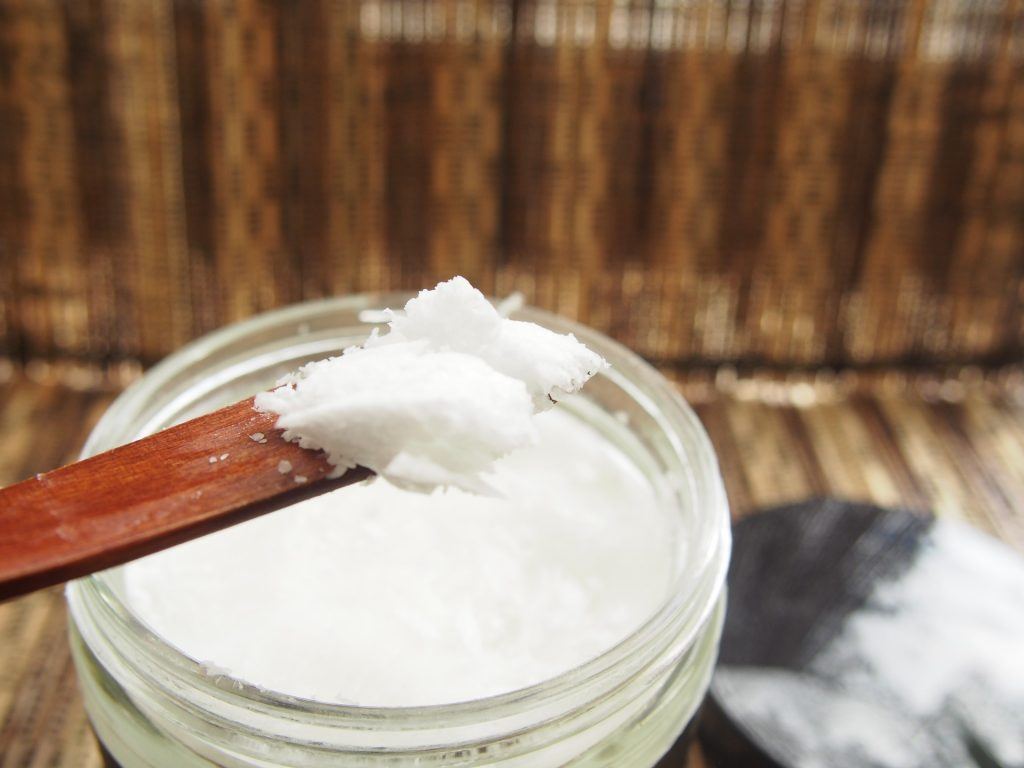
Solid State (< 24°C / 75°F): Forms a smooth, stark-white butter mass with contracted volume density and firm, scoopable consistency.
-
Liquid State (> 25°C / 77°F): Melts into a water-clear fluid with high flowability and 1% to 2% volumetric expansion.
Because of its sharp melting profile, RBD coconut oil melts completely at body temperature (36°C / 96.8°F). In confectionery and bakery products, this sharp melt provides a clean, cooling mouthfeel without leaving a waxy coating on the tongue.
5. Comparative Quality Specifications Matrix
The following table outlines core technical specifications evaluated during quality control testing at VHB Group laboratories:
| Technical Parameter | Standard Specification | Test Method | Functional Impact |
| Free Fatty Acid (FFA) | Maximum 0.05% | AOCS Ca 5a-40 | Prevents off-flavors and maintains high smoke point. |
| Peroxide Value (PV) | Maximum 0.5 meq/kg | AOCS Cd 8b-90 | Verifies zero initial oxidative degradation. |
| Moisture & Volatiles | Maximum 0.05% | AOCS Ca 2e-84 | Prevents hydrolytic splitting during storage. |
| Iodine Value (IV) | 7.5 to 10.5 g I2 / 100g | AOCS Cd 1-25 | Confirms high saturation and thermal stability. |
| Lovibond Color | Max 1.0 Red / 10 Yellow | AOCS Cc 13b-45 | Ensures water-clear visual transparency. |
| Saponification Value | 250 to 265 mg KOH/g | AOCS Cd 3-25 | High value indicates short/medium chain length. |
6. Industrial Advantages over Unsaturated Vegetable Oils
Commercial food manufacturers frequently substitute liquid vegetable oils with refined coconut oil to improve product quality and shelf life:
-
Extended Shelf Life: Products made with RBD coconut oil resist stale off-flavors for up to 24 months without synthetic antioxidants like BHT or TBHQ.
-
Zero Trans Fats: Provides solid structural fat for margarine, shortening, and bakery doughs without requiring chemical partial hydrogenation.
-
Clean Flavor Profile: Completely odorless and flavorless, allowing natural fruit, chocolate, or savory seasonings to stand out.
Refined Coconut Oil Technical FAQ
Disclaimer: Unless otherwise stated, the images used in this article are the property of their respective owners. We do not claim ownership of any third-party images featured, and they are used here strictly for informational and educational purposes. If you are the copyright holder and wish to have an image removed, please contact us.