
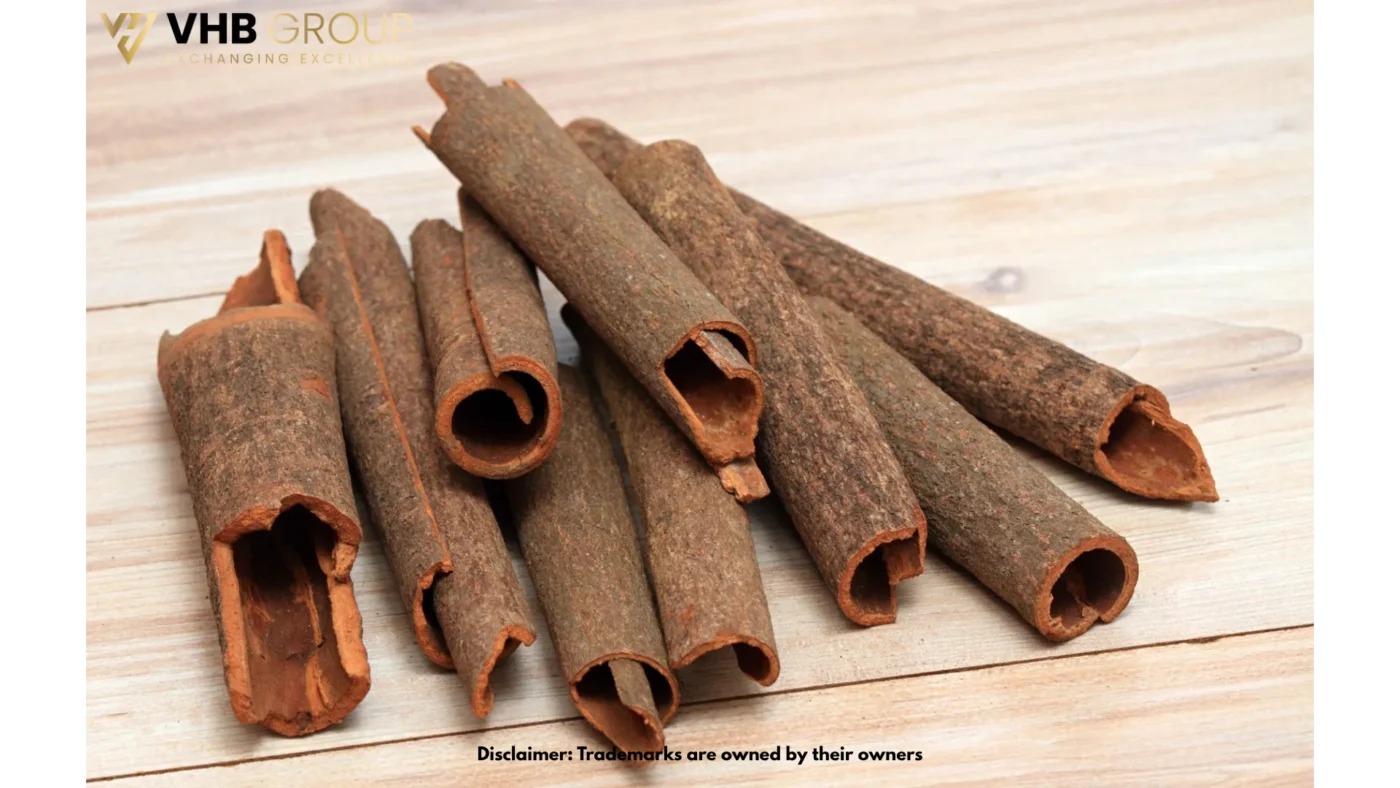
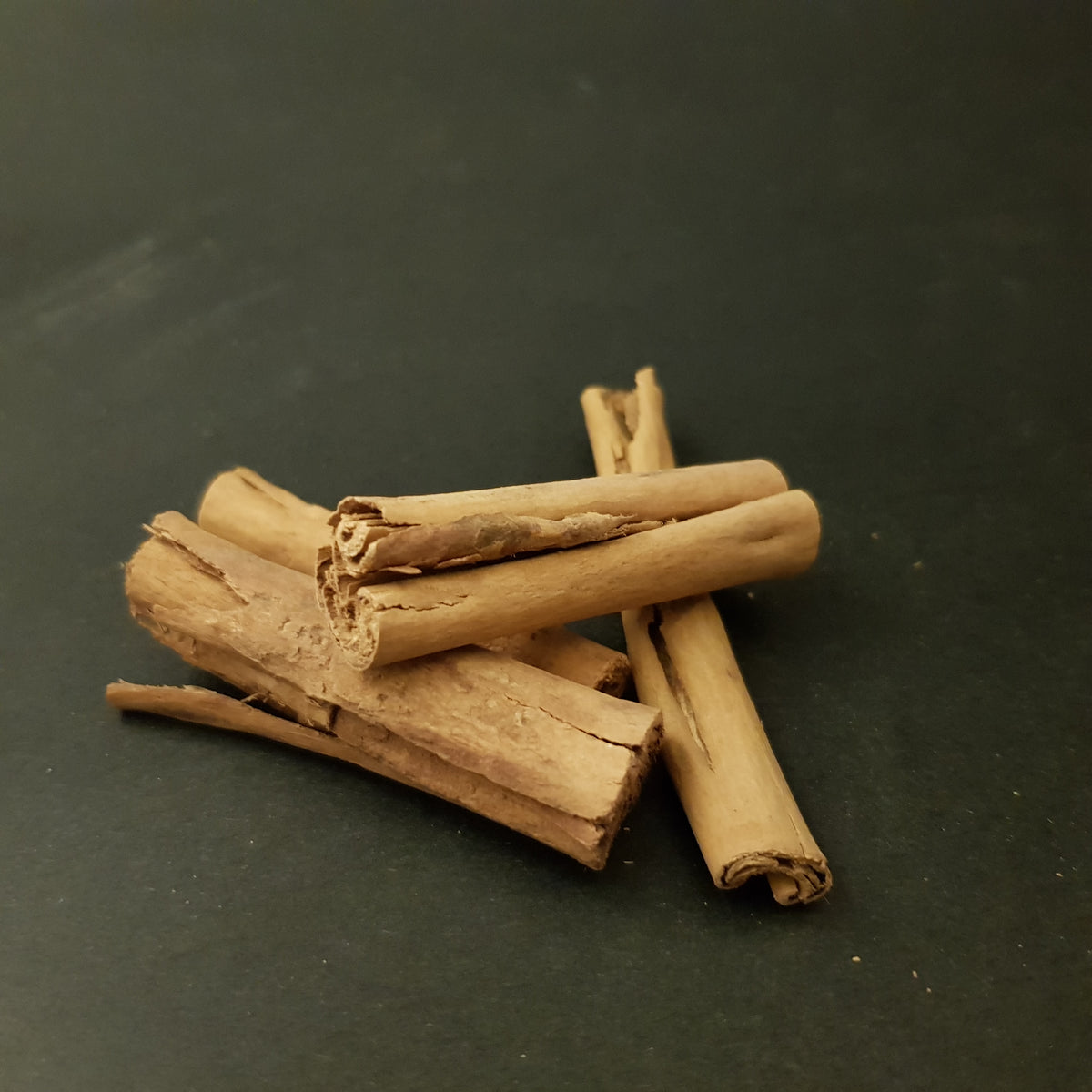
Securing Cinnamon Quillings Bulk inventory is a highly cost-effective strategy for commercial spice grinders, essential oil extractors, and industrial food processors. Derived as a natural byproduct of the premium cinnamon processing industry, quillings consist of the broken bark pieces, trimmings, and off-cuts generated during the manual scraping, splitting, and rolling of high-grade cinnamon sticks. While they lack the visual perfection of whole sticks, premium quillings retain the exact same high-volatile essential oil content and robust cinnamaldehyde profile as the parent bark. For B2B importers, sourcing cassia quillings directly from Southeast Asian processing hubs offers maximum flavor yield per dollar, making it the ideal raw material for industrial powder milling and oleoresin extraction.
In this comprehensive B2B sourcing guide, VHB Group details the classification of cinnamon quillings, essential oil retention metrics, optimal packaging for bulk shipping, and the international import compliance required to secure commercial shipments.
Table of Contents
-
What Are Cinnamon Quillings and Why Do Industrial Buyers Prefer Them?
-
Technical Specifications: Cinnamon Quillings vs. Standard Ground Cassia
-
Buyer Intent Guide: Commercial Pricing and Freight Incoterms
What Are Cinnamon Quillings and Why Do Industrial Buyers Prefer Them?
During the production of premium Double Rolled Cinnamon Sticks Export and Cleaned Split Cinnamon Wholesale, artisanal processors meticulously trim the ends of the bark to achieve uniform lengths (e.g., exactly 10cm or 15cm). The resulting off-cuts, along with pieces that break naturally during the rolling or solar drying processes, are collected and graded as “quillings”.
Industrial demand for Cinnamon Quillings Bulk is driven by raw material efficiency:
-
Commercial Spice Grinding: Quillings are already broken down into smaller pieces (typically 1cm to 5cm), significantly reducing the mechanical strain on commercial hammer mills compared to grinding thick, whole bark sheets.
-
Essential Oil & Oleoresin Distillation: Because quillings originate from the oil-rich inner phloem layer used for premium sticks, they offer exceptional essential oil yields (frequently 2.5% to 4.0%) at a fraction of the cost of whole sticks.
-
Tea Bag & Potpourri Blending: Smaller quilling chips are the ideal size for automated tea bag filling machines and commercial spice potpourri blends.
Economic Advantages of Sourcing Direct from VHB Group
By purchasing quillings directly from VHB Group’s processing centers in Vietnam, buyers bypass secondary aggregators. This guarantees:
-
Fresh Harvest Potency: Quillings are packed and shipped immediately following the primary stick processing season, ensuring volatile oils are not lost to prolonged warehouse storage.
-
Strict Foreign Matter Control: Rigorous optical and manual sorting removes twigs, soil, and adulterants, keeping total ash content well below 5.0%.
Technical Specifications: Cinnamon Quillings vs. Standard Ground Cassia
For procurement managers deciding whether to import pre-ground powder or whole quillings, analyzing the technical differences is essential. Importing quillings and grinding domestically ensures 100% purity and protects volatile oils from early degradation.
| Technical Parameter | Cinnamon Quillings (VHB Premium) | Pre-Ground Standard Cassia Powder | Unscraped Broken Cassia |
| Physical Form | Broken bark chips (1cm to 5cm) | Fine powder (40 to 80 mesh) | Large, irregular rough bark |
| Volatile Essential Oil | 2.5% – 4.0% min | 1.5% – 2.5% | 1.0% – 2.0% |
| Outer Epidermis | Scraped (originating from clean sticks) | Ground with full bark | Unscraped (high lichen/ash) |
| Moisture Content | 12.5% – 13.5% max | 10.0% – 12.0% | 15.0% – 18.0% |
| Shelf Stability | Excellent (volatiles locked in bark) | Poor (volatiles evaporate quickly) | Moderate (mold risk high) |
| Primary Industrial Use | Domestic milling & oil extraction | Direct food manufacturing | Low-tier commercial extraction |
Processing and Sorting: How VHB Group Grades Quillings
Not all quillings are equal. VHB Group implements strict sorting protocols to differentiate high-grade quillings from generic sweepings (featherings).
-
Collection Source: VHB Group collects quillings exclusively from the trimming lines of premium scraped split and double-rolled stick production, ensuring the bark is free of outer cork and high in cinnamaldehyde.
-
Mechanical Sifting: Vibratory sieves separate the usable bark chips from fine dust, sand, and oversized irregular chunks.
-
Magnetic & Optical Sorting: Rare-earth magnets remove any rogue metallic fragments from processing knives, while optical sorters or manual line workers remove non-bark foreign matter.
For technical guidelines regarding spice purity and foreign matter limits, consult the European Spice Association or the U.S. Food and Drug Administration (FDA). Further botanical information is available on Wikipedia’s Cinnamon page.
Bulk Packaging SKUs and Ocean Container Logistics
Because Cinnamon Quillings Bulk shipments consist of irregularly shaped chips, they are highly volume-dense. Consequently, VHB Group utilizes hydraulic pressing to maximize container payloads and minimize per-kilogram sea freight costs.
B2B Bulk Packaging Formats
-
Hydraulic Pressed Cartons (20kg / 25kg Net): Quillings are compressed into heavy-duty corrugated cartons lined with moisture-barrier poly-bags. This is the preferred format for maximizing FCL capacity.
-
Woven Polypropylene (PP) Bags (25kg / 50kg Net): An economical packaging solution favored by heavy industrial millers and oleoresin extractors.
Full Container Load (FCL) Payload Metrics
-
20ft FCL Capacity (Pressed Cartons): Holds approximately 8.0 to 9.5 metric tons.
-
40ft High Cube (HC) FCL Capacity (Pressed Cartons): Holds approximately 18.0 to 20.0 metric tons.
Sterilization, Moisture Control, and Global Compliance
Exporting raw spices requires stringent phytosanitary controls. VHB Group ensures all quillings shipments are fully compliant with international health protocols:
-
Moisture Evaporation: Quillings are solar-dried to below 13.5% moisture to inhibit mold and fungal growth during ocean transit.
-
Mycotoxin & Aflatoxin Testing: High-performance liquid chromatography (HPLC) ensures compliance with strict European and US limits.
-
Sterilization Options: Steam sterilization or Ethylene Oxide (EtO) treatments are available for buyers requiring low Total Plate Counts (TPC) for ready-to-eat (RTE) manufacturing.
Trade analytics from platforms like Statista emphasize that verified clean raw materials are the fastest-growing segment in the global spice trade.
Selecting a Verified Cinnamon Quillings Bulk Supplier
To protect your milling equipment and guarantee high flavor yield, evaluate wholesale exporters based on:
-
Source Transparency: Ensure the exporter generates quillings from their own premium processing lines rather than buying unverified forest sweepings.
-
Ash Content Guarantees: Reliable suppliers provide lab analysis guaranteeing total ash remains below 5.0%.
-
Direct Logistics Control: The exporter should manage inland transport, customs, and direct vessel booking at major ports like Haiphong.
Buyer Intent Guide: Commercial Pricing and Freight Incoterms
Pricing for Cinnamon Quillings Bulk is highly competitive compared to whole sticks, calculated based on essential oil percentage and Incoterms:
-
FOB Haiphong / Ho Chi Minh Port: VHB Group manages inland freight, port loading, and export customs clearance.
-
CIF Destination Port: VHB Group handles direct ocean freight and comprehensive cargo insurance to your global port of entry.
Cinnamon Quillings Bulk FAQ
Disclaimer: Unless otherwise stated, the images used in this article are the property of their respective owners. We do not claim ownership of any third-party images featured, and they are used here strictly for informational and educational purposes. If you are the copyright holder and wish to have an image removed, please contact us.