
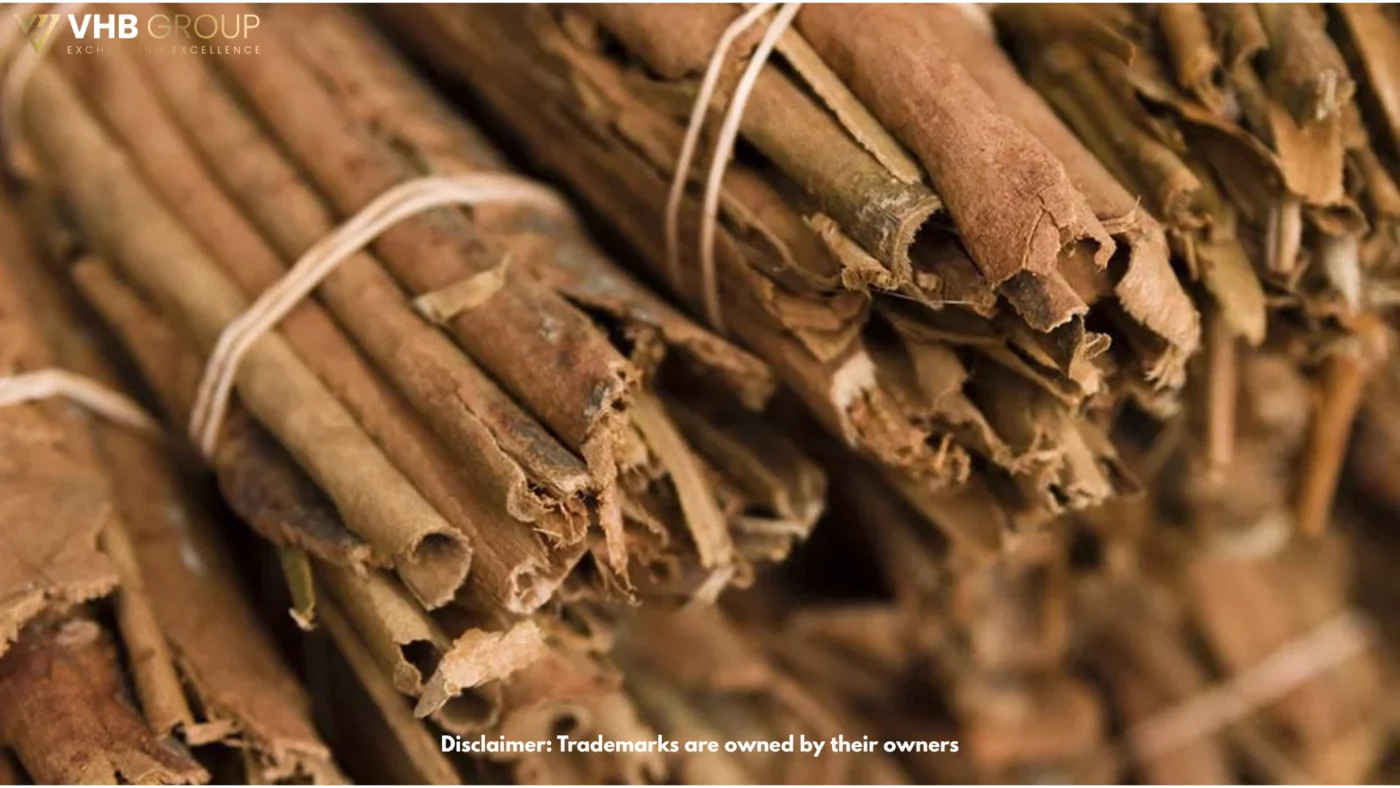
Understanding Cinnamon Quillings Sorting Facts is crucial for industrial spice millers, oleoresin extractors, and food manufacturers seeking to maximize raw material efficiency. As detailed in our master guide on Cinnamon Quillings Bulk, quillings are the highly aromatic broken pieces and trimmings generated during premium cinnamon stick processing. However, not all broken bark is of equal value. Rigorous mechanical and manual sorting separates high-grade, oil-rich quillings from low-grade forest sweepings, dust, and foreign matter.
In this deep dive, VHB Group examines the mechanical sifting processes, magnetic separation protocols, visual grading standards, and ash content reduction techniques that define premium commercial cassia quillings.
Table of Contents
The Origin of Premium Quillings in the Processing Line
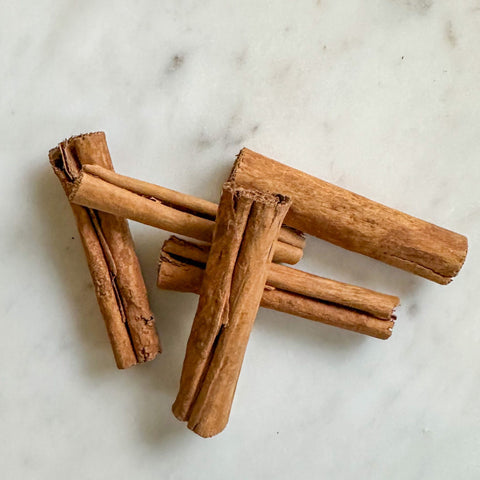
The highest quality Cinnamon Quillings Sorting Facts begin at the source. Premium quillings are not gathered from the forest floor; they are generated inside hygienic processing facilities during the manufacturing of high-grade split and double-rolled cinnamon.
When artisans trim scraped bark to exact lengths (e.g., 10cm or 15cm) using precision guillotine cutters, the end-pieces fall onto collection trays. Because these off-cuts originate from the exact same scraped, oil-dense phloem layer as premium retail sticks, they possess identical cinnamaldehyde concentrations (often 2.5% to 4.0%).
Mechanical Sifting: Separating Chips from Dust
Once collected, the raw quillings undergo multi-stage vibratory sifting.
-
Oversize Screens: Remove large, irregular chunks that require further manual crushing to ensure uniform milling feed rates.
-
Fines Screens (Mesh Sifting): Separate the usable bark chips (typically 1cm to 5cm in length) from microscopic bark dust and fine sand. Removing fine dust is critical, as excessive dust increases the risk of mold agglomeration and lowers the overall volatile oil ratio of the shipment.
Foreign Matter Control and Magnetic Separation
International spice trade regulations enforced by agencies like the U.S. Food and Drug Administration (FDA) mandate strict limits on foreign matter. VHB Group utilizes a combination of automated and manual sorting to guarantee purity.
-
Rare-Earth Magnetic Sorting: Quillings pass over high-gauss magnetic plates to extract any microscopic metallic fragments that may have chipped off harvesting knives or cutting guillotines.
-
Optical & Manual Line Sorting: Trained line workers manually inspect the sifted quillings on conveyor belts, removing any remaining twigs, leaf fragments, or pieces of un-scraped outer cork.
For historical and botanical background on cassia processing, consult Wikipedia’s Cinnamon entry.
Reducing Ash Content for Commercial Spice Milling
For commercial spice grinders, the most vital metric when reviewing Cinnamon Quillings Sorting Facts is total ash content.
| Metric | Premium Scraped Quillings | Unsorted Forest Sweepings | Impact on Industrial Milling |
| Total Ash Content | Below 5.0% | 8.0% – 12.0% | High ash indicates dirt/minerals; ruins flavor profile. |
| Acid Insoluble Ash | Below 1.0% | 2.0% – 4.0% | High silica/sand content causes excessive wear on hammer mills. |
| Essential Oil Yield | 2.5% – 4.0% | 1.0% – 2.0% | Premium quillings provide higher flavor potency per kilogram. |
By rigorously sorting and cleaning our quillings, VHB Group ensures that commercial millers receive a raw material that produces bright, aromatic cinnamon powder without damaging expensive grinding machinery.
Cinnamon Quillings Sorting FAQ
Disclaimer: Unless otherwise stated, the images used in this article are the property of their respective owners. We do not claim ownership of any third-party images featured, and they are used here strictly for informational and educational purposes. If you are the copyright holder and wish to have an image removed, please contact us.