
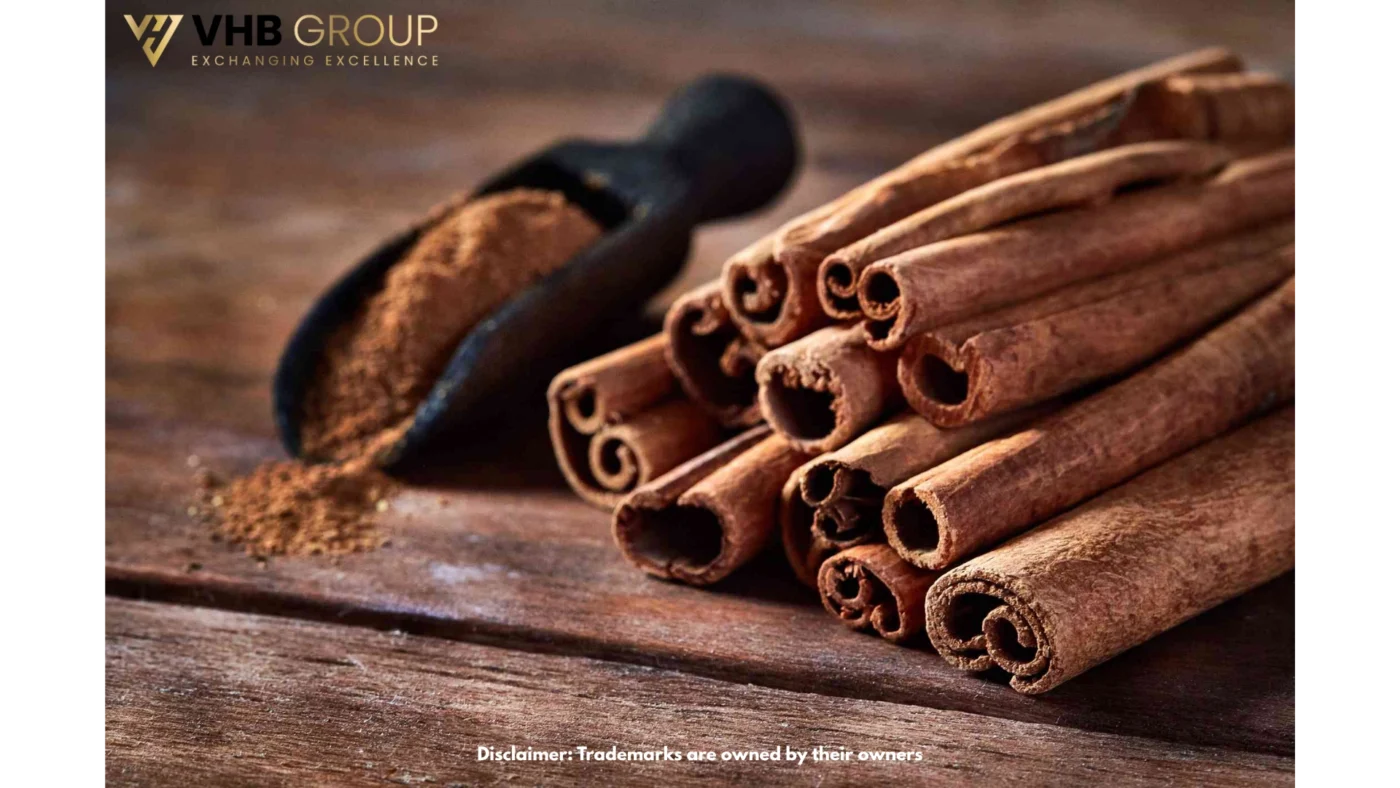
Establishing transparent Cinnamon Quillings Harvest Origin provides commercial importers, spice millers, and extractors with essential supply chain traceability and quality assurance. As detailed in our master guide on Cinnamon Quillings Bulk, the highest-grade quillings are direct byproducts of premium stick production. Therefore, the essential oil potency, flavor profile, and physical characteristics of the quillings are entirely dictated by the geographic region and botanical species of the parent tree.
In this guide, VHB Group explores the primary cassia-producing provinces in Vietnam, the impact of highland terroir on essential oil yields, and the required documentation for verifying authentic harvest origin.
Table of Contents
Vietnam’s Premier Cassia Growing Highlands
Vietnam is globally recognized as the dominant source for Cinnamomum cassia, prized for its intense, spicy-sweet flavor and high cinnamaldehyde concentration. VHB Group sources the raw bark for our premium processing lines from carefully managed forestry cooperatives in Northern and Central Vietnam.
Source: Image courtesy of Wikimedia Commons
-
Yen Bai Province: The undisputed capital of Vietnamese cassia. Located in the mountainous north, Yen Bai produces bark with robust thickness and exceptional volatile oil content (often exceeding 4.0%). Quillings originating from Yen Bai are highly sought after by essential oil distillers.
-
Quang Nam (Tra My) Province: Located in Central Vietnam, this region produces a highly aromatic, slightly sweeter cassia variety. Quillings from Tra My are frequently requested by premium tea blenders and craft bakers.
For broader geographic and botanical context, consult Wikipedia’s Cinnamomum cassia entry.
Terroir and Volatile Oil Yields in Cinnamon Quillings
The concept of terroir directly influences the chemical composition of Cinnamon Quillings Harvest Origin.
Cassia trees grown at high altitudes (500m to 800m) in mineral-rich, well-drained latosol soils experience significant diurnal temperature shifts. This environmental stress stimulates the tree’s defense mechanisms, resulting in higher concentrations of cinnamaldehyde within the inner phloem bark. Because VHB Group quillings are trimmed exclusively from this high-terroir inner bark, they deliver superior extraction yields compared to lowland or un-scraped forest sweepings.
Logistics: Exporting from Northern Vietnam Sea Ports
Because the majority of VHB Group’s processing hubs are strategically located near the northern cassia highlands, bulk container shipments are routed through Haiphong Port (VNHPH).
Source: Image courtesy of Wikimedia Commons
Haiphong is Northern Vietnam’s primary deep-water maritime gateway, offering rapid feeder routes to major global shipping lanes via Singapore, Hong Kong, and Busan.
Verifying Traceable Origin Documentation for Customs
To ensure seamless import clearance and comply with strict food safety regulations enforced by bodies like the U.S. Food and Drug Administration (FDA), VHB Group provides a comprehensive suite of origin documentation:
-
Certificate of Origin (Form A, Form E, or General COO): Issued by the Vietnam Chamber of Commerce and Industry (VCCI) to verify Vietnamese harvest and establish tariff advantages.
-
Phytosanitary Certificate: Issued by the Vietnam Plant Protection Department, proving the quillings are free of quarantine pests and soil matter.
-
Certificate of Analysis (CoA): Verified third-party lab testing (SGS or Eurofins) confirming essential oil content, moisture limits, and absence of mycotoxins.

Summary of Origin Specification Metrics
| Parameter | Official Specification |
| Primary Harvest Regions | Yen Bai, Lao Cai, Quang Nam (Vietnam) |
| Botanical Species | Cinnamomum cassia (Vietnamese Cassia) |
| Export Port of Loading | Haiphong Port (VNHPH) / Ho Chi Minh Port (VNSGN) |
| HS Code Classification | HS 0906.11 (Cinnamon, neither crushed nor ground) |
| Volatile Oil Range by Region | 2.5% to 4.5% (Depending on Yen Bai vs. lowland sourcing) |
Cinnamon Quillings Origin FAQ
Disclaimer: Unless otherwise stated, the images used in this article are the property of their respective owners. We do not claim ownership of any third-party images featured, and they are used here strictly for informational and educational purposes. If you are the copyright holder and wish to have an image removed, please contact us.