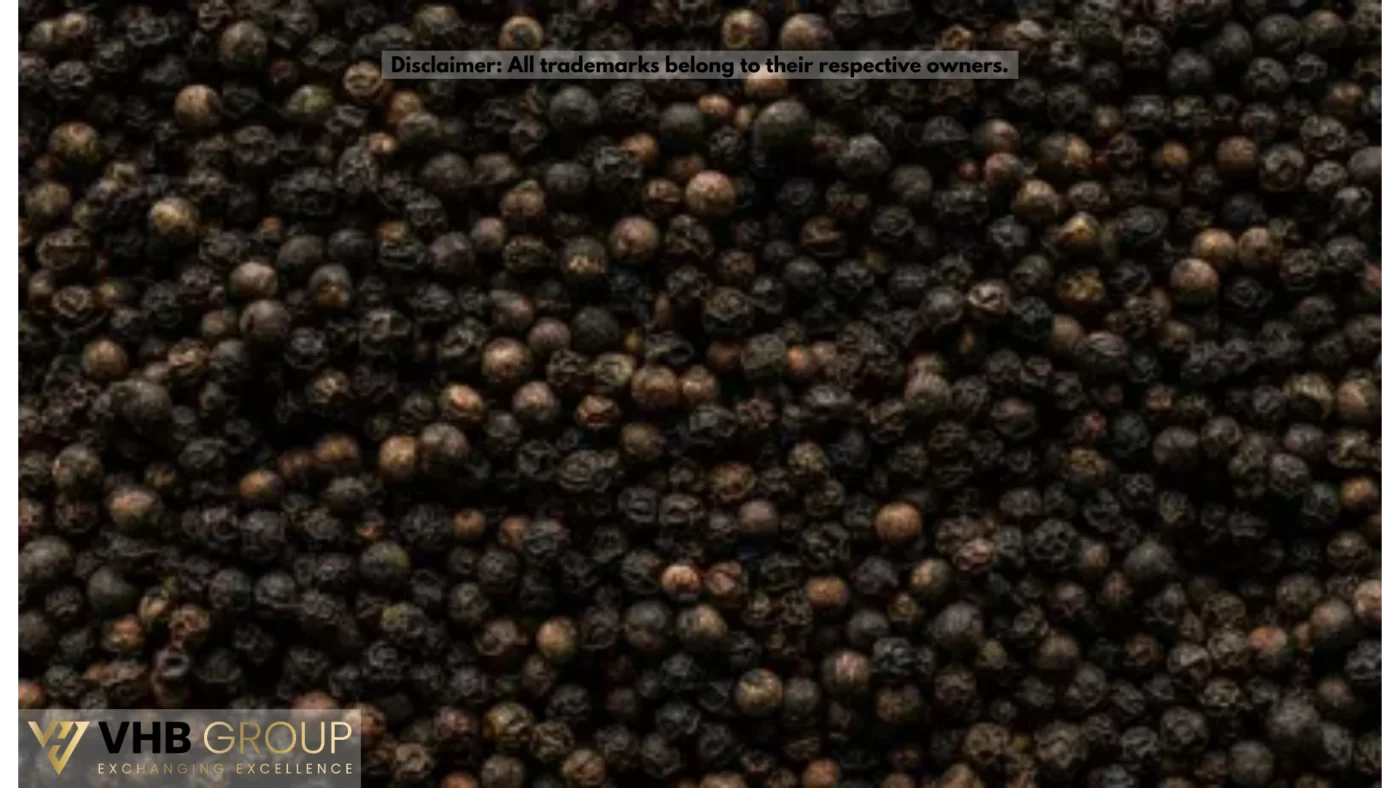
Tracing the exact Black Pepper Whole Sourcing Origin Details is a fundamental requirement for spice importers, quality assurance directors, and international supply chain managers. Understanding exactly where the raw green berries are grown, harvested, and processed highlights why specific tropical regions command such a massive presence on the global commodity market. The unique combination of highly regulated equatorial agriculture and advanced localized processing creates a highly traceable, premium supply chain.
For procurement executives managing bulk container shipments through the Black Pepper Whole Bulk Export Supply Line networks, complete transparency regarding the origin of the harvest is crucial for passing stringent phytosanitary regulations and securing consumer trust. This guide breaks down the agricultural and industrial supply chain that fuels the world’s most heavily traded spice.
Table of Contents
-
The Agricultural Core of Spice Sourcing
-
Milling and Processing Facilities in Black Pepper Whole Sourcing Origin Details
-
Tracing Regions: Vietnam and the Global Belt
-
Why Origin Specifications Matter for Importers
-
Conclusion

The Agricultural Core of Spice Sourcing
When evaluating the supply chain, the journey involves massive, high-humidity agricultural belts across Southeast Asia, primarily centered in Vietnam. Unlike domestic greenhouse production, these supply chains are explicitly engineered to function as massive regional export hubs to supply international commercial grinders and food manufacturers.
Tropical Cultivation Zones
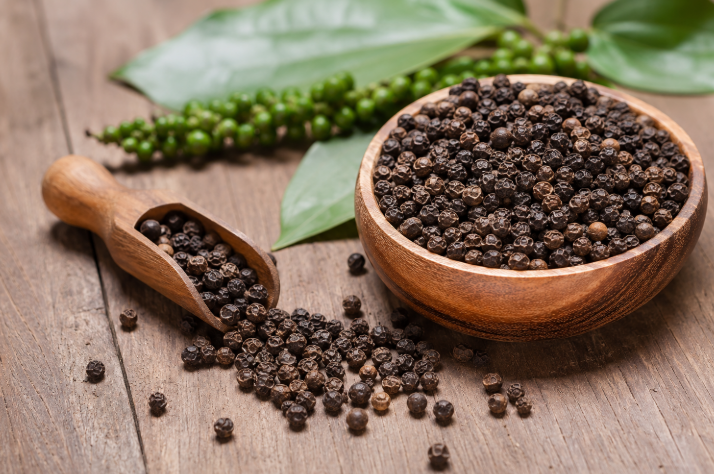
The global market prioritizes spices sourced explicitly from fertile, well-drained, tropical agricultural belts. The Piper nigrum vine requires heavy monsoon rainfall followed by intense dry seasons for harvesting. By sourcing directly from these highly productive regional farms (such as the Central Highlands of Vietnam), international importers guarantee that they are receiving authentic, dense berries packed with the piperine alkaloids required for premium commercial grades.
Milling and Processing Facilities in Black Pepper Whole Sourcing Origin Details
The raw green berries only form half the equation; the high-tech industrial cleaning and processing forms the critical second half of the Black Pepper Whole Sourcing Origin Details.
Advanced Spice Cleaning Hubs
The heart of export production takes place in highly mechanized, fully automated cleaning complexes located near massive global export ports like Ho Chi Minh City. It is here that the sun-dried black peppercorns are aggressively sifted to remove sticks and stones, passed through spiral separators to remove light/hollow berries, sterilized via steam (for premium grades), and instantly injected into woven bags to preserve structural integrity before ocean transit.
Tracing Regions: Vietnam and the Global Belt
While the exact pungency levels vary by terroir, the whole berries that compose the commodity are sourced through a well-established, transparent global supply chain.
| Sourcing Region | Primary Geography | Flavor Profile Characteristics |
| Vietnam | Central Highlands, Chu Se | High piperine, intense heat, extremely uniform density. |
| India | Malabar Coast (Tellicherry) | Large berries, complex woody aromatics, highly premium. |
| Indonesia | Lampung (Sumatra) | Earthy, heavy body, distinct spicy notes. |
| Brazil | Pará, Espírito Santo | Mild heat, smooth profile, excellent for industrial blending. |
Why Origin Specifications Matter for Importers
For B2B buyers, understanding the entire logistical path and origin specification is an absolute operational requirement for passing international border control and meeting flavor-profile consistency targets in modern food manufacturing.
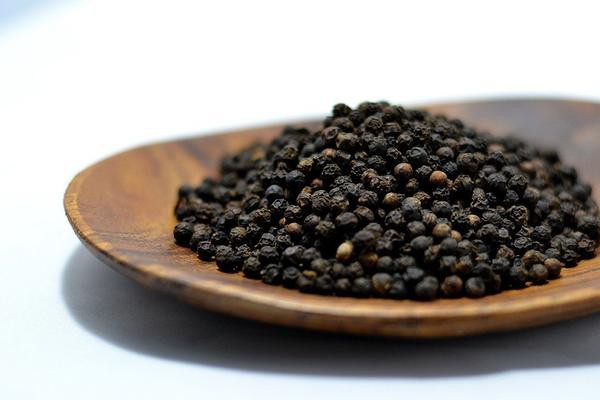
When clearing international customs, importers must provide verified Certificates of Origin (COO) and Phytosanitary certificates. Knowing that the product is processed in globally audited, export-grade facilities entirely eliminates the risk of cargo confiscation due to pest contamination, salmonella, or excessive moisture levels at the destination port, ensuring smooth inventory turnover for the grinding plant.
Conclusion
Total visibility into the origin of your agricultural supply chain empowers commodity distributors with absolute confidence in the quality, safety, and authenticity of their imported spice inventory. By combining ideal equatorial agriculture with world-class dry milling and cleaning technology out of Southeast Asia, the supply chain delivers a perfectly standardized product built for global export. For international procurement teams aiming to leverage this highly lucrative supply chain, partner with an established agricultural export consolidator today to secure your bulk wholesale shipments.
Black Pepper Origin Sourcing FAQ
Disclaimer: Unless otherwise stated, the images used in this article are the property of their respective owners. We do not claim ownership of any third-party images featured, and they are used here strictly for informational and educational purposes. If you are the copyright holder and wish to have an image removed, please contact us.