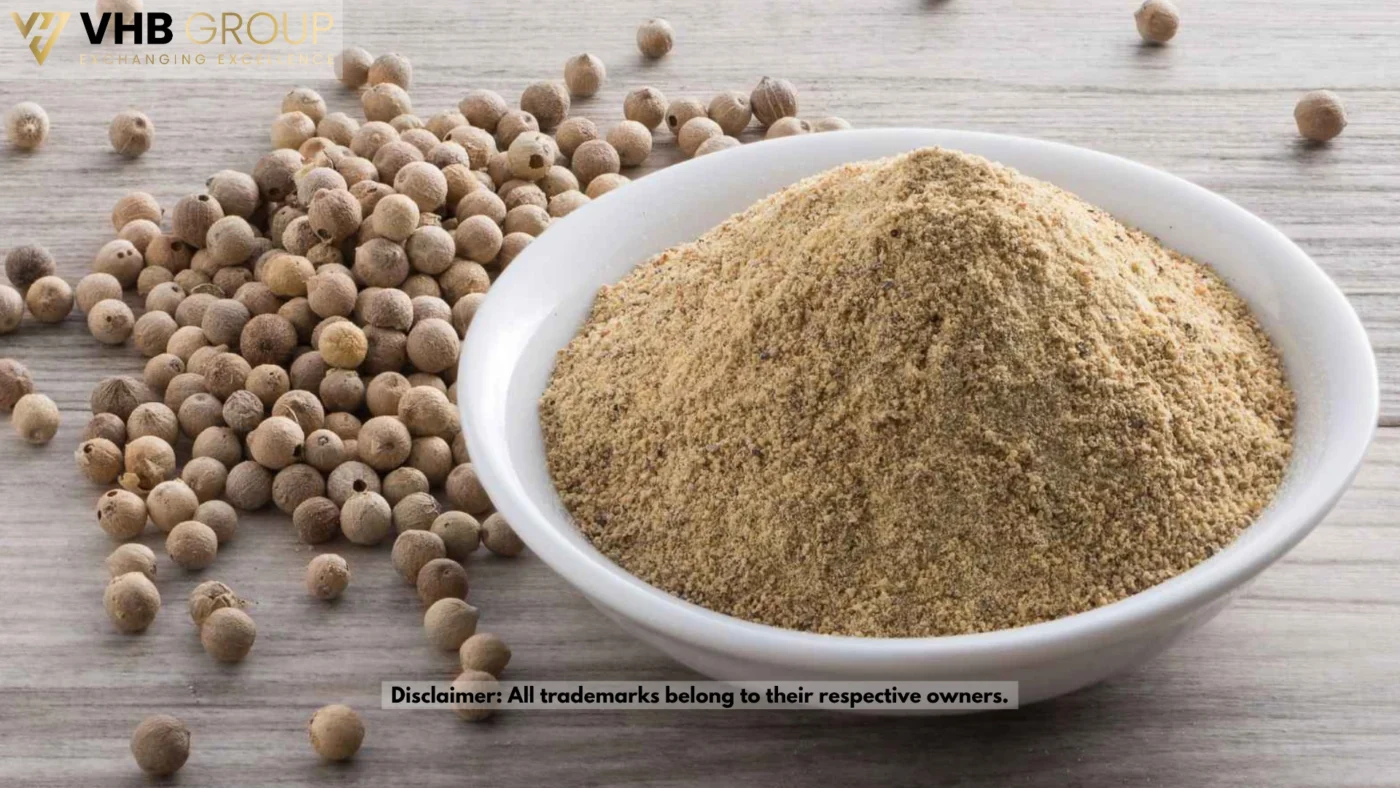
Sourcing a White Pepper Bulk Wholesale Export Supply line provides international spice grinders, high-end culinary distributors, specialized meat processors, and FMCG trading partners with a premium, high-margin revenue engine in the global agricultural sector. Cultivated heavily in Southeast Asia, particularly in Vietnam and Indonesia, white pepper (Piper nigrum) is globally renowned for its sharp, earthy heat and clean visual profile, distinguishing it as a mandatory ingredient in European cuisine, clear broths, and premium sausages where black specks are undesirable.
For B2B procurement managers and supply chain directors working with global grinding partners, managing full container load (FCL) consignments of wholesale white pepper requires carefully evaluating processing methods (Double Washed vs. Standard), specific packaging configurations (PP woven bags with inner liners), ocean container moisture limits, and international phytosanitary clearance protocols. This technical guide evaluates the operational, financial, and logistical frameworks necessary to establish a highly profitable import and distribution model for this premium globally demanded commodity.
Table of Contents
-
Global Market Demand for White Pepper
-
Product Portfolio and Processing Breakdown
-
Spice Chemistry and Purity Profile
-
Packaging Configurations and Freight Density for White Pepper Bulk Wholesale Export Supply
-
B2B Sourcing Pathways
-
Landed Cost and Gross Margin Calculation Framework
-
Import Compliance, Harmonized System Codes, and Customs Documentation
-
Conclusion
:max_bytes(150000):strip_icc()/spices-online-store-concept--1136809580-81566d0bfb5f432abb0863c333b77c0c.jpg)
Global Market Demand for White Pepper
The global spice market relies fundamentally on white pepper for specific culinary applications where the robust aesthetics of black pepper are unsuitable. This refined spice commands a premium market share globally and offers unmatched export potential due to highly efficient agricultural sectors in producing countries and streamlined ocean freight positioning out of Southeast Asia.
Growth Drivers in the Market
The continuous growth in the global spice sector is heavily driven by European culinary traditions and the booming Asian ready-to-eat (RTE) food manufacturing industry. Food manufacturers consistently require intense, clean-tasting spices to enhance flavor profiles without altering the visual appearance of white sauces, mayonnaise, and premium processed meats.
Commercial Advantages
Adding bulk white pepper to a B2B distribution catalog or industrial food processing operation delivers distinct commercial advantages:
-
Premium Retail Positioning: Due to the intensive labor required to remove the outer pericarp of the berry, white pepper commands a significantly higher FOB and retail price point than black pepper, driving excellent revenue per ton.
-
Yield and Processing Efficiency: Procuring whole berries allows regional distributors to control the grinding, blending, and retail packaging processes, capturing the entire premium value chain.
-
Aesthetic Necessity: It is an irreplaceable ingredient for commercial kitchens and food scientists requiring sharp heat without visual contamination in light-colored foods.
Product Portfolio and Processing Breakdown
Curating an optimal inventory mix requires selecting the right combination of spice grades tailored to target grinding requirements and consumer demographics.
Core Processing SKUs
When structuring a container load, these core processing SKUs form the foundation of any successful procurement strategy:
-
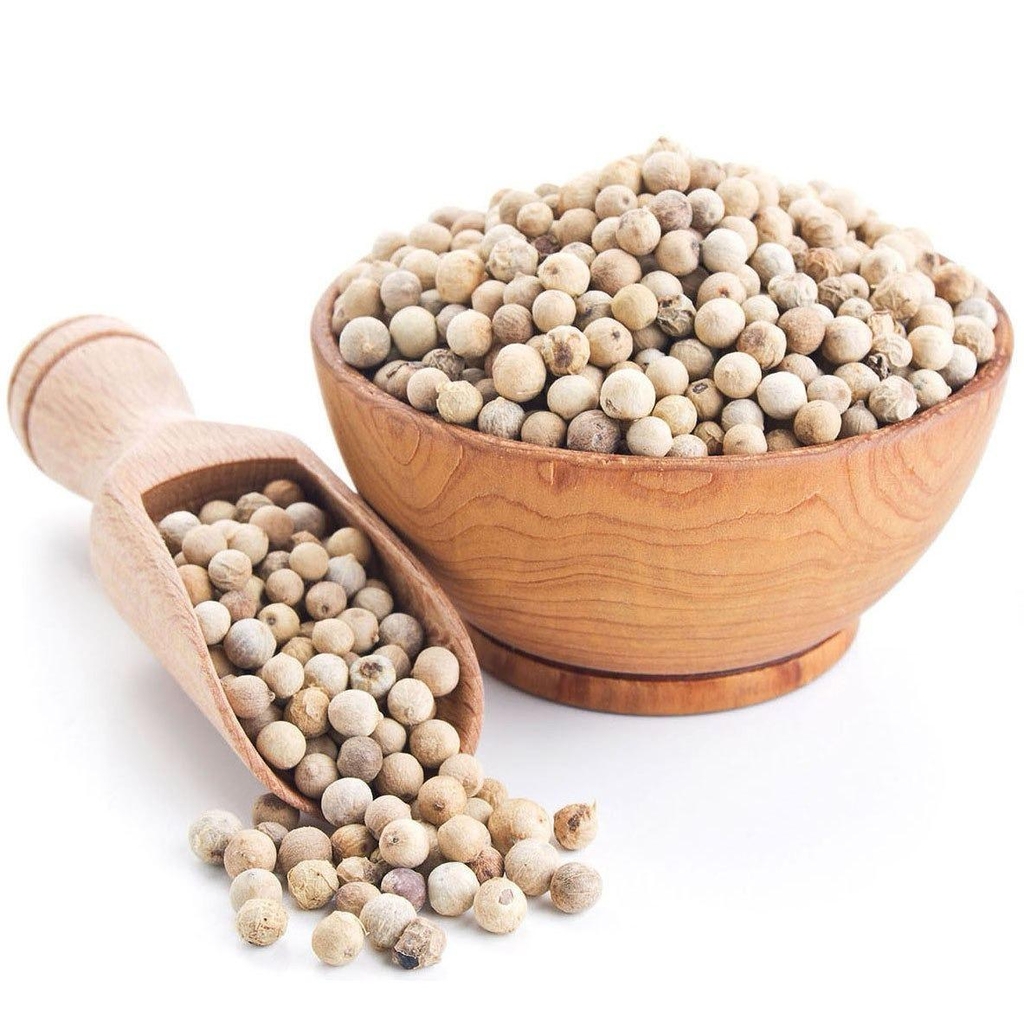
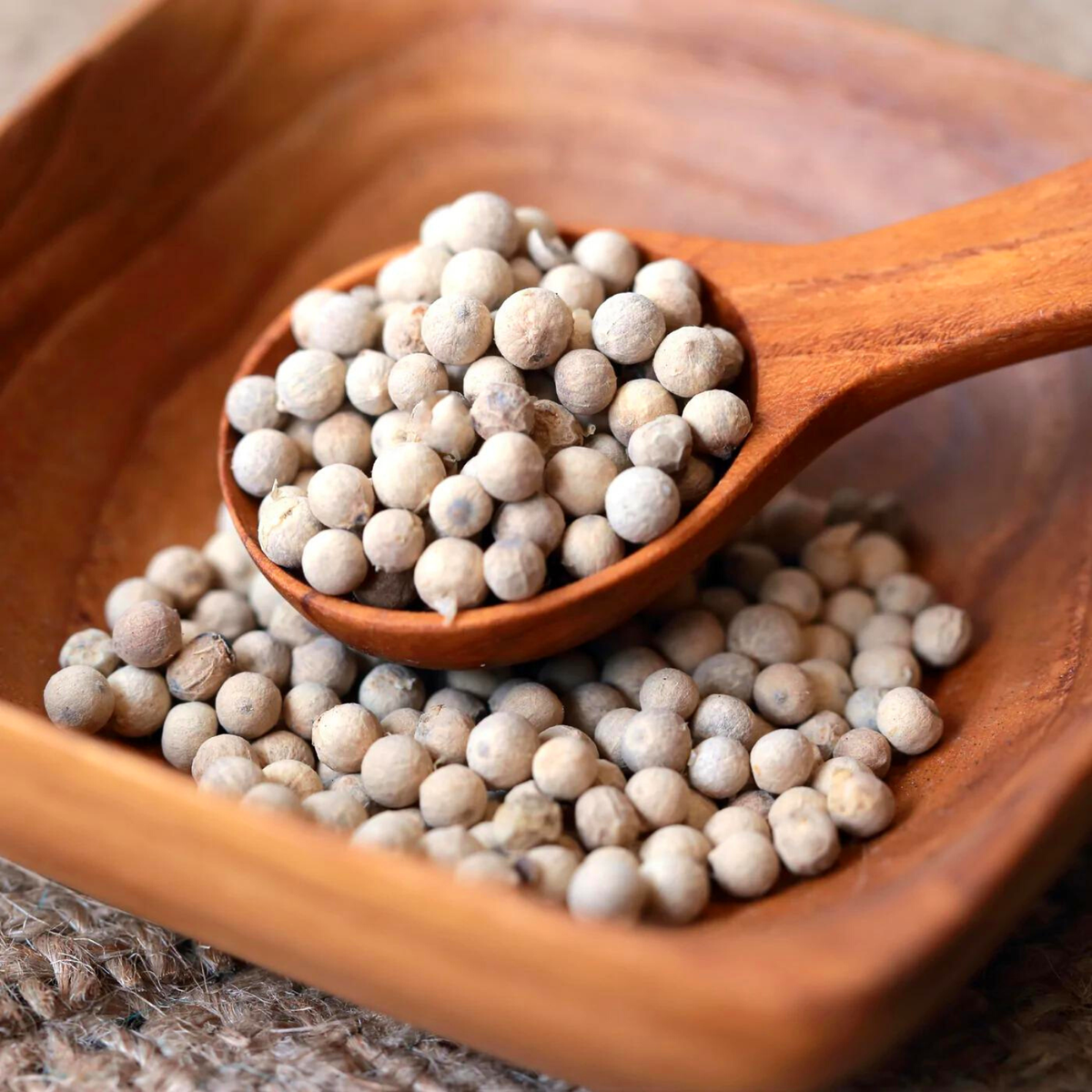
Double Washed (ASTA Quality): The premium export format. These dense berries undergo extensive retting and mechanical washing to completely remove the outer skin, resulting in a highly uniform, creamy-white peppercorn favored by premium spice brands.
-
Standard / FAQ Quality: A highly versatile format heavily targeting mainstream commercial grinders and industrial food manufacturers looking for cost efficiency, which may feature slightly higher percentages of grey or unhusked berries.
Spice Chemistry and Purity Profile
The formulation found in these berries achieves its signature sharp bite and earthy aroma through unique botanical chemistry and specific post-harvest processing.
The Processing Difference
White pepper originates from the exact same vine (Piper nigrum) as black pepper. The difference is entirely in the processing. Fully ripe berries are harvested and soaked in water (retting) for over a week to decompose the dark outer skin (pericarp). Because the outer skin is removed, white pepper loses some of the volatile essential oils that give black pepper its citrusy aroma, but retains the inner seed’s high concentration of piperine, resulting in a purer, more direct, and intensely earthy heat.
Packaging Configurations and Freight Density for White Pepper Bulk Wholesale Export Supply
When managing ocean shipments, physical logistics heavily dictate profitability. Products are packaged in durable woven bags, consolidated, and floor-loaded to withstand rigorous maritime transit.
Ocean Payload Yields
Understanding the exact packing specifications is critical for calculating freight costs:
| Packaging SKU Format | Standard Fill Volume | Moisture Barrier | Container Payload (20ft FCL) | Primary Distribution Channel |
| PP Woven Bag w/ Liner | 25kg / 50kg | High | ~15 Metric Tons | Premium Spice Brands |
| Paper Multi-Wall Bag | 25kg | Medium | ~14 Metric Tons | Premium Foodservice |
| Traditional PP Bag | 50kg | Low | ~15 Metric Tons | Industrial Grinders |
B2B Sourcing Pathways
Commercial buyers access wholesale inventory through two primary procurement channels, depending on their capital flexibility and volume requirements.
Export Consolidator Options
Independent spice brands and agile import firms typically source via master agricultural consolidators operating out of major ports like Ho Chi Minh City or Jakarta. Consolidators offer highly flexible volumes and valuable mixed-grade capabilities, handling all complex export logistics, fumigation applications, and port-of-loading transfers on behalf of the buyer.
Landed Cost and Gross Margin Calculation Framework
Procurement teams must accurately forecast their financials before executing a purchase order. Calculating net landed unit costs involves applying a structured, multi-step financial calculation process.
Step-by-Step Financial Breakdown
-
Step 1: Calculate Ocean Freight Charges + Origin Port Fees + Import Customs Duties + Marine Cargo Insurance + Local Destination Drayage.
-
Step 2: Add the Total Shipping Overhead to the Free On Board (FOB) Purchase Price per Metric Ton.
-
Step 3: Divide the Total Landed Cost by the final milled yield (factoring in the standard weight loss during cleaning/grinding) to find the true cost of goods sold (COGS).
Import Compliance, Harmonized System Codes, and Customs Documentation
Clearing agricultural imports through international customs is a highly regulated process to prevent pest contamination. Securing your shipments requires flawless documentation verified by accredited origin testing laboratories.
Essential Export Documentation Suite
-
Commercial Shipping Documents: Master Bill of Lading (B/L), Commercial Invoice, Detailed Packing List, and a Certificate of Origin (COO).
-
Phytosanitary & Fumigation Certificates: Mandatory for all whole spice imports, proving the shipment has been treated and is free from agricultural pests.
-
Harmonized System Classification: For customs declaration, whole uncrushed white pepper is universally classified under HS Code 0904.11 (Pepper of the genus Piper, neither crushed nor ground).
Conclusion
Mastering the procurement of whole premium spices is the definitive key to unlocking massive retail margins in the culinary sector. From the intense extraction of piperine to the precision engineering of industrial food seasoning, every single element of this commodity is designed to deliver a resilient, highly profitable supply chain. For international distributors and commercial grinders, stocking this authentic agricultural product guarantees access to a highly loyal, quality-focused consumer base. Contact your preferred procurement partner today to secure your wholesale allocation of white pepper and optimize your grinding operations.
White Pepper Wholesale FAQ
Disclaimer: Unless otherwise stated, the images used in this article are the property of their respective owners. We do not claim ownership of any third-party images featured, and they are used here strictly for informational and educational purposes. If you are the copyright holder and wish to have an image removed, please contact us.