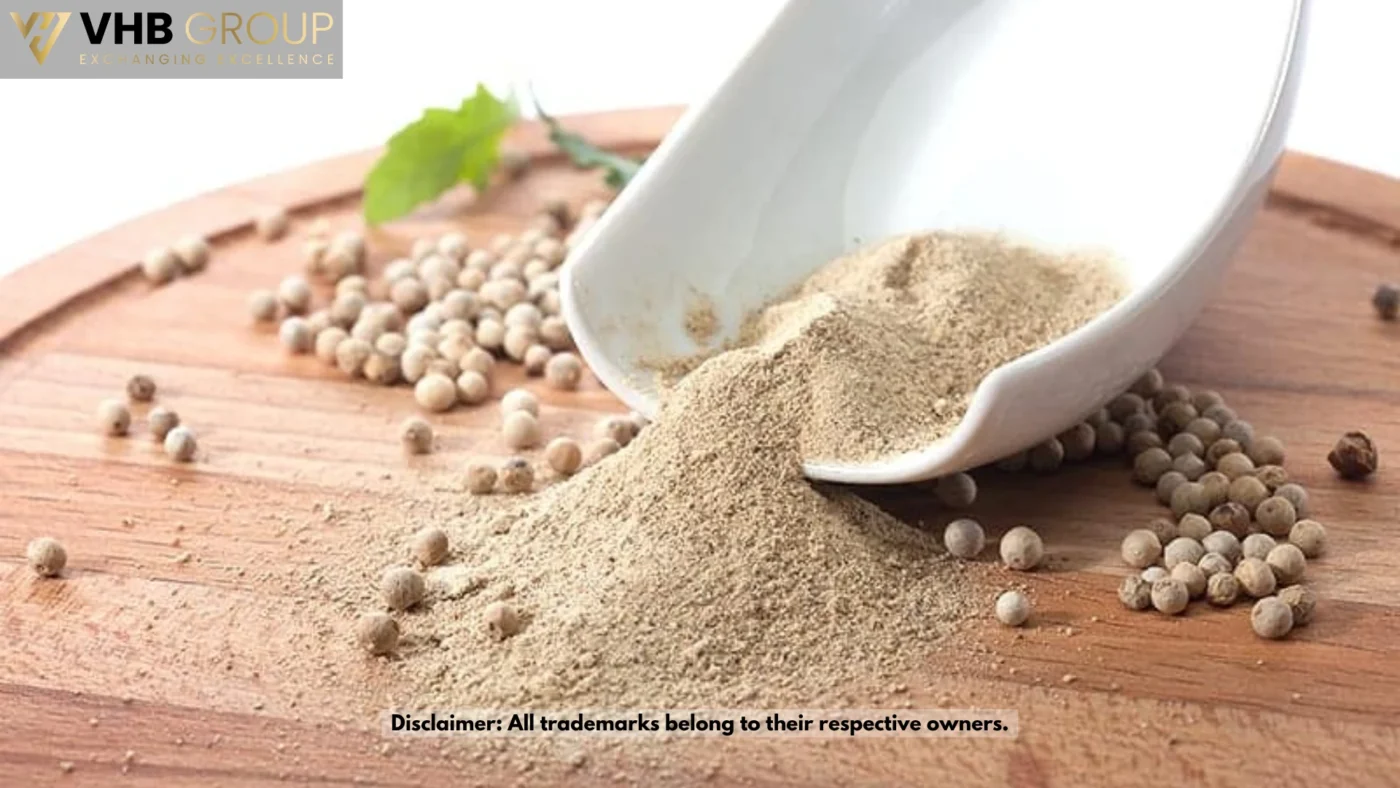
Understanding the exact White Pepper Flavor Profile & Purity Facts is absolutely essential for commercial spice grinders, international culinary buyers, and industrial food manufacturers who want to comprehend why this specific botanical variant commands a premium in the global market. Unlike standard black pepper, this refined spice is meticulously processed to provide a sharp, earthy heat and a clean, visually pristine appearance that directly appeals to high-end culinary standards and European gastronomy.
For international procurement teams and supply chain managers looking to capitalize on this immense global demand, reviewing the operational logistics of the White Pepper Bulk Wholesale Export Supply line is the mandatory next strategic step. However, before investing in bulk container loads, buyers must fully understand the chemical, nutritional, and agricultural components that make this processed berry a high-velocity commodity across premium food manufacturing and FMCG sectors.
Table of Contents
-
Core Botanical Profile and Processing Characteristics
-
The Retting and Washing Process
-
Flavor Profile: Essential White Pepper Flavor Profile & Purity Facts
-
Chemical Breakdown and Piperine Synergy
-
Conclusion
Core Botanical Profile and Processing Characteristics
When analyzing the massive commercial success of this globally traded commodity, the primary differentiator lies in the precise, labor-intensive post-harvest processing of the Piper nigrum vine’s fruit.
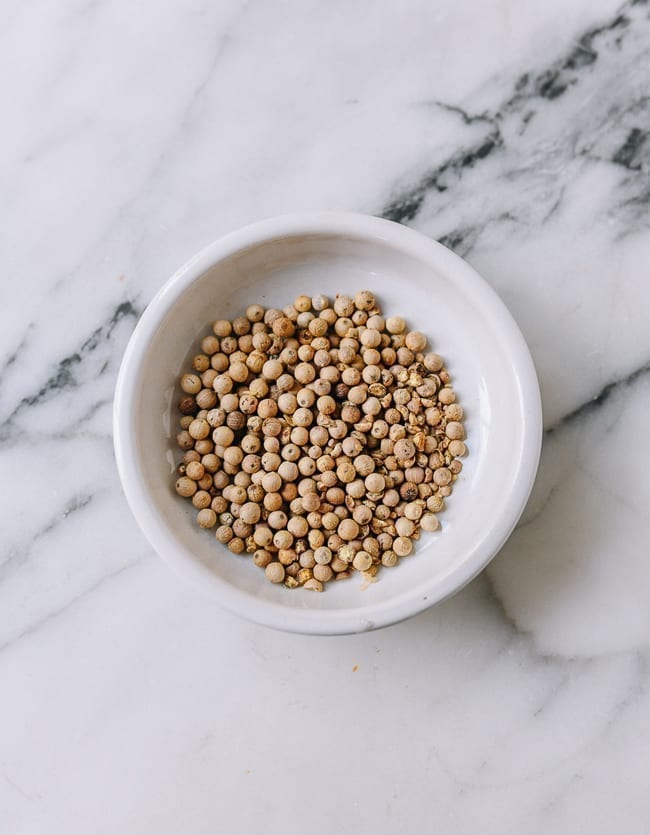
White pepper originates from the exact same plant as black pepper. However, instead of harvesting unripe green berries and drying them in the sun, white pepper production requires the berries to fully ripen on the vine until they turn bright red. The outer fleshy layer (pericarp) is then completely removed, leaving only the dense, light-colored inner seed. This removal of the outer skin radically alters both the visual and aromatic profile of the final spice.
The Retting and Washing Process
A critical element within the agricultural profile is the crop’s unique curing requirement, heavily focused in the tropical, high-humidity climates of Vietnam and Indonesia (specifically the Bangka region).
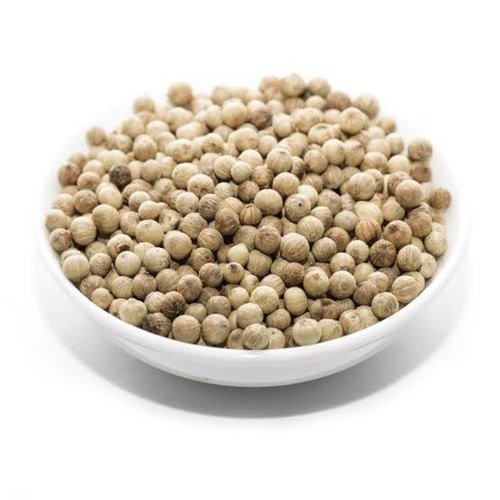
Once the fully ripe red berries are harvested, they undergo a specialized soaking process known as “retting.” The berries are submerged in flowing water for up to 14 days, allowing the outer skin to naturally soften and decompose. The berries are then vigorously washed and mechanically scrubbed to entirely remove the dark skins. The naked inner seeds are then dried under the sun until they bleach to their signature creamy-white or light grey color.
Flavor Profile: Essential White Pepper Flavor Profile & Purity Facts
The most distinctive physical characteristic of the spice upon grinding is its sharp, deeply earthy flavor profile which cuts through rich, dairy-heavy foods instantly.
Balancing Pungency and Earthiness in White Pepper Flavor Profile & Purity Facts
Because the outer skin (which contains the volatile, citrusy essential oils of black pepper) has been removed, the White Pepper Flavor Profile & Purity Facts matrix is heavily characterized by the inner seed’s intense, direct heat. The soaking process also imparts a distinctly earthy, almost fermented aroma that is highly prized in traditional Asian soups, marinades, and classic French sauces (like Béchamel) where a sharp bite is needed without the visual disruption of black specks.
Chemical Breakdown and Piperine Synergy
To fully grasp the commercial appeal, extraction facilities and spice blenders must analyze the macro-chemical profile. The inner seed is carefully calibrated by nature for optimal heat density.
| Chemical Component | Content Range | Primary Function in Culinary Use |
| Piperine | 4.0% – 7.0% | The primary alkaloid responsible for the sharp, pungent heat (often higher than black pepper). |
| Essential Oils | 1.0% – 2.0% | Lower than black pepper, resulting in less floral aroma and more direct earthy spice. |
| Moisture Content | < 12.0% | Strictly controlled to prevent mold and ensure safe global export. |
| Ash Content | < 1.0% | Indicator of absolute cleanliness and purity in Double Washed grades. |

Conclusion
Mastering the foundational botanical and processing facts is the definitive key to understanding its unstoppable global commercial velocity in premium culinary markets. From the powerful extraction of high piperine yields to the precision mechanics of industrial food seasoning, every single element of this crop is designed to deliver a refined, highly intense experience. For international distributors and commercial grinders, stocking this authentic whole spice guarantees access to a highly profitable supply chain. Contact your preferred procurement partner today to secure your wholesale agricultural allocation.
White Pepper Flavor & Purity FAQ
Disclaimer: Unless otherwise stated, the images used in this article are the property of their respective owners. We do not claim ownership of any third-party images featured, and they are used here strictly for informational and educational purposes. If you are the copyright holder and wish to have an image removed, please contact us.