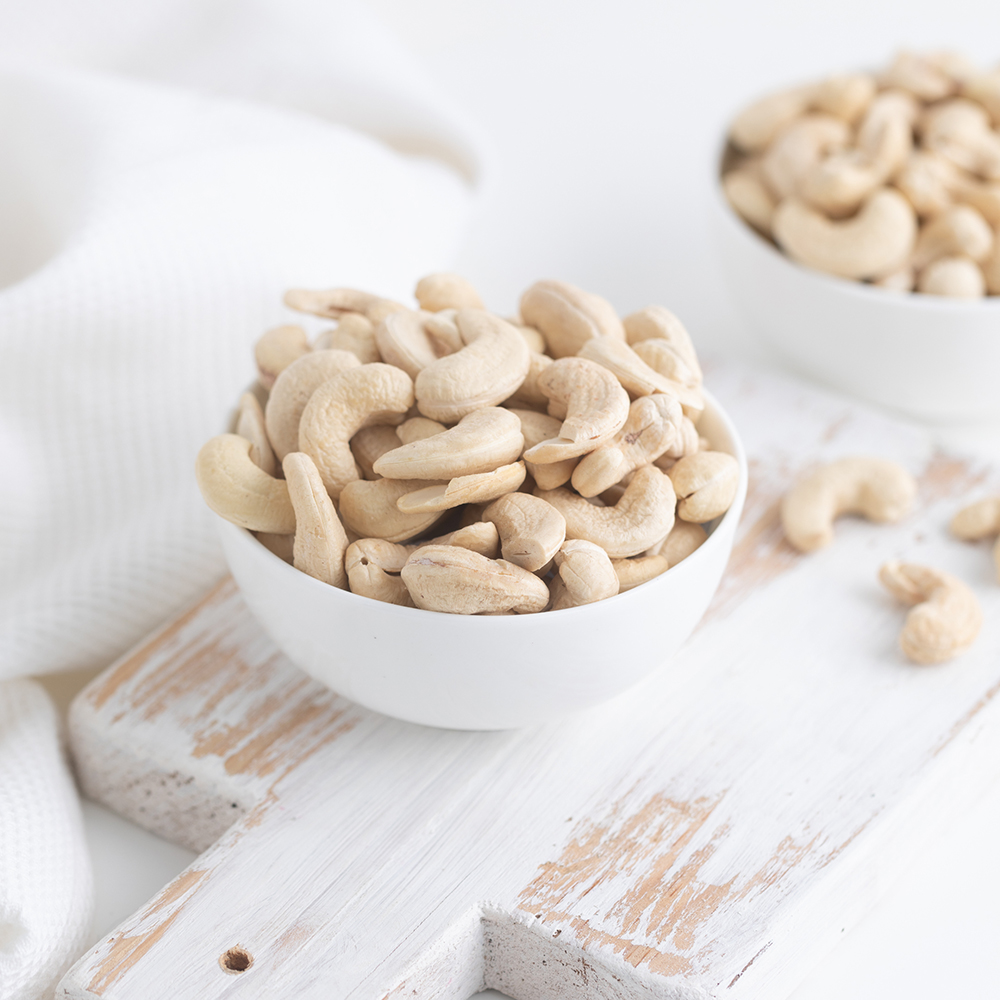
Sourcing a Cashew Nuts W240 Bulk Wholesale Supply Line provides international nut roasters, premium snack brands, specialized bakery distributors, and FMCG trading partners with an essential, high-margin revenue engine in the global agricultural sector. Cultivated and processed heavily in Vietnam, Cambodia, and West Africa, the W240 grade (White Whole 240) is globally renowned for its large, attractive kernel size and premium flavor profile, distinguishing it as a highly reliable staple in the high-end nut market.
For B2B procurement managers and supply chain directors working with global manufacturing partners, managing full container load (FCL) consignments of wholesale cashews requires carefully evaluating kernel count specifications, specific packaging configurations (vacuum bags vs. nitrogen-flushed tins), ocean container moisture limits, and international food safety clearance protocols. This technical guide evaluates the operational, financial, and logistical frameworks necessary to establish a highly profitable import and distribution model for this globally demanded commodity.
Table of Contents
-
Global Market Demand for Premium Cashews
-
Product Portfolio and Grading Breakdown
-
Agricultural Processing and Shelling Chemistry
-
Packaging Configurations and Freight Density
-
B2B Sourcing Pathways for Cashew Nuts W240 Bulk Wholesale Supply Line
-
Landed Cost and Gross Margin Calculation Framework
-
Import Compliance, Harmonized System Codes, and Customs Documentation
-
Conclusion
Global Market Demand for Premium Cashews
The global snacking and baking market relies fundamentally on large, whole cashews to provide a buttery texture, natural sweetness, and visual appeal in trail mixes and premium snack packs. The W240 grade commands a massive market share globally and offers unmatched export potential due to highly efficient agricultural sectors in producing countries like Vietnam.
Growth Drivers in the Market
The continuous growth in the global cashew sector is heavily driven by the booming plant-based and healthy snacking industry. Food manufacturers consistently require large, visually pristine nuts for transparent retail packaging and high-end gifting assortments. The W240 grade appeals specifically to premium culinary markets because its larger appearance provides a strong visual advantage on retail shelves.
Commercial Advantages
Adding bulk W240 cashews to a B2B distribution catalog or industrial roasting operation delivers distinct commercial advantages:
-
Shelf Stability: When properly processed to a moisture content below 5%, cashews retain their flavor profile and physical color for 12 to 18 months, reducing inventory spoilage risks.
-
Yield and Visual Appeal: The W240 grade requires absolutely no additional sorting upon arrival; it provides instant premium volume when used in high-end nut assortments.
-
Premium Export Margins: Because the agronomic supply chain is highly optimized, the Free On Board (FOB) acquisition costs for W240 remain highly lucrative when sold into European and North American retail markets.
Product Portfolio and Grading Breakdown
Curating an optimal inventory mix requires selecting the right combination of grades tailored to target manufacturing requirements and consumer demographics.
Core Grading SKUs
When structuring a container load, the W240 specification is governed by strict international guidelines:
-
Count Specification: W240 strictly mandates between 220 and 240 whole kernels per pound, equating to approximately 485 to 530 nuts per kilogram.
-
Color Profile: The “W” in W240 stands for “White”, indicating the kernels must be white, pale ivory, or light ash in color, completely free from dark roasting spots or heavy blemishes.
-
Defect Limits: Export standards require broken kernels to remain below 5%.
Agricultural Processing and Shelling Chemistry
The processing of raw cashew nuts (RCN) into export-grade W240 kernels is highly labor-intensive and technically complex. The raw cashew shell contains anacardic acid (cashew nut shell liquid or CNSL), which is highly caustic and must be carefully extracted or burned off during steam-roasting. The nuts are then mechanically or manually shelled, dried, and peeled to remove the testa (the inner skin), revealing the pristine white kernel beneath.
Packaging Configurations and Freight Density
When managing ocean shipments, physical logistics heavily dictate profitability. Products are packaged in highly protective vacuum bags or sealed tins, consolidated into master cases, and floor-loaded to withstand rigorous maritime transit.
Ocean Payload Yields
Understanding the exact packing specifications is critical for calculating freight costs:
| Packaging SKU Format | Standard Fill Volume | Moisture Barrier | Container Payload (20ft FCL) | Primary Distribution Channel |
| Vacuum Sealed PE Bag | 22.68kg (50lbs) | Maximum | ~15 to 16 Metric Tons | Commercial Roasters |
| Nitrogen Flushed Tins | 10kg or 11.34kg | Maximum | ~15 Metric Tons | Premium Snack Brands |
B2B Sourcing Pathways for Cashew Nuts W240 Bulk Wholesale Supply Line
Commercial buyers access wholesale inventory through two primary procurement channels, depending on their capital flexibility and volume requirements.
Export Consolidator Options
Independent roasters and agile import firms typically source via master agricultural consolidators operating out of major ports like Ho Chi Minh City or Sihanoukville. Consolidators offer highly flexible volumes, handling all complex export logistics, phytosanitary applications, and port-of-loading transfers on behalf of the buyer.

Landed Cost and Gross Margin Calculation Framework
Procurement teams must accurately forecast their financials before executing a purchase order. Calculating net landed unit costs involves applying a structured, multi-step financial calculation process.
Step-by-Step Financial Breakdown
-
Step 1: Calculate Ocean Freight Charges + Origin Port Fees + Import Customs Duties + Marine Cargo Insurance + Local Destination Drayage.
-
Step 2: Add the Total Shipping Overhead to the Free On Board (FOB) Purchase Price per Metric Ton.
-
Step 3: Divide the Total Landed Cost by the final manufacturing yield to find the true cost of goods sold (COGS) for your roasting center.
Import Compliance, Harmonized System Codes, and Customs Documentation
Clearing agricultural imports through international customs is a highly regulated process. Securing your shipments requires flawless documentation verified by accredited origin testing laboratories.
Essential Export Documentation Suite
-
Commercial Shipping Documents: Master Bill of Lading (B/L), Commercial Invoice, Detailed Packing List, and a Certificate of Origin (COO).
-
Phytosanitary & Health Certificates: Mandatory for all nut imports, proving the shipment is free from aflatoxins, salmonella, and agricultural pests.
-
Harmonized System Classification: For customs declaration, shelled cashews are universally classified under HS Code 0801.32 (Cashew nuts, fresh or dried, shelled).
Conclusion
Mastering the procurement of premium cashew kernels is the definitive key to understanding unstoppable global commodity margins in the snacking sector. From the careful shelling of the raw nut to the precision packaging in vacuum bags, every single element of this commodity is designed to deliver a resilient, highly profitable supply chain. For international distributors and commercial roasters, stocking this authentic agricultural product guarantees access to a highly loyal consumer base. Contact your preferred procurement partner today to secure your wholesale allocation and optimize your food manufacturing operations.
Wholesale Cashew W240 FAQ
Disclaimer: Unless otherwise stated, the images used in this article are the property of their respective owners. We do not claim ownership of any third-party images featured, and they are used here strictly for informational and educational purposes. If you are the copyright holder and wish to have an image removed, please contact us.