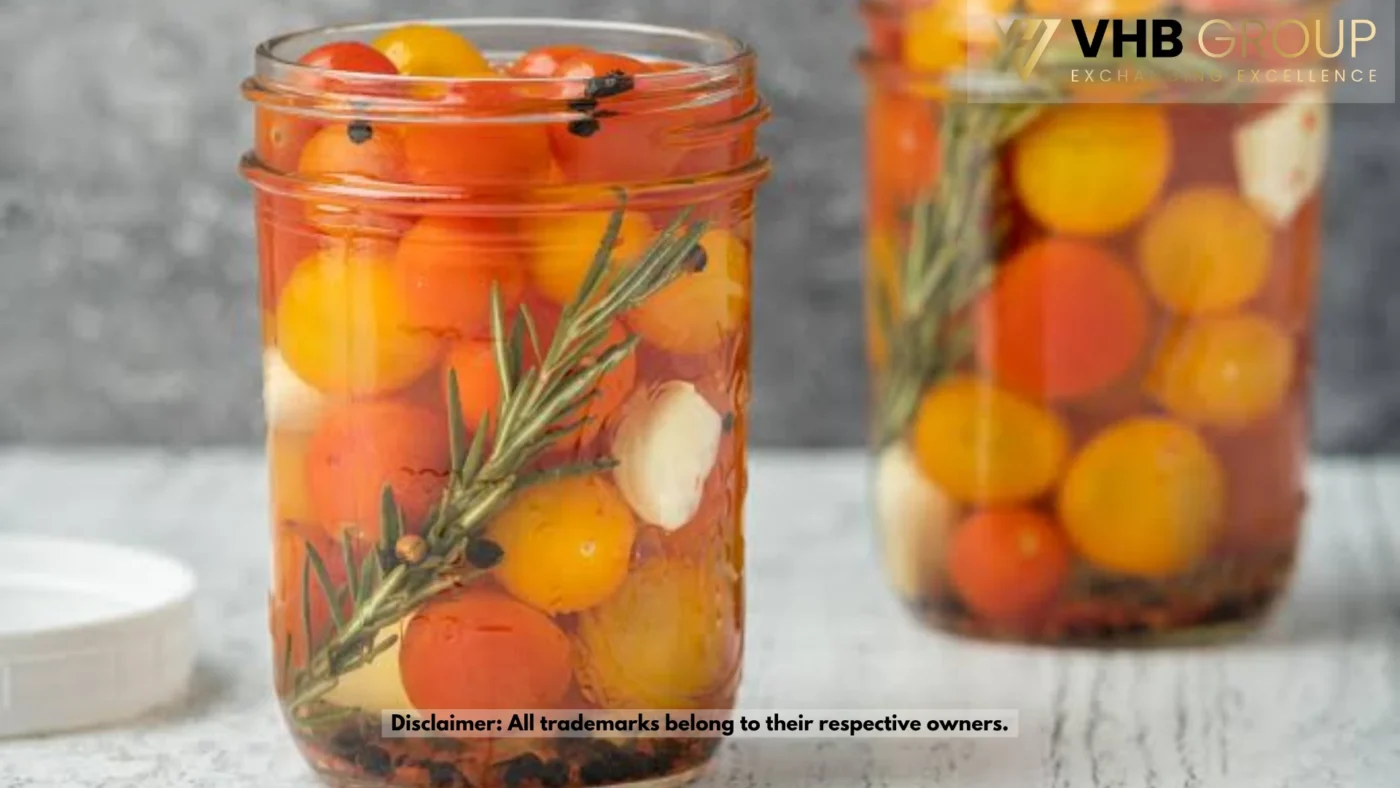
Sourcing a Canned Cherry Tomatoes Wholesale Bulk Supply line provides international supermarket chains, regional food service networks, commercial pizza franchises, and FMCG trading partners with an essential, high-margin revenue engine in the global agricultural sector. Cultivated heavily in the sun-drenched agricultural belts of Southern Italy, Spain, and increasingly in highly optimized Southeast Asian production zones, canned cherry tomatoes are globally renowned for their intense, concentrated sweetness, vibrant red color, and extreme shelf stability, distinguishing them as a premium staple in both residential pantries and commercial kitchens worldwide.
For B2B procurement managers and supply chain directors working with global manufacturing partners, managing full container load (FCL) consignments of wholesale canned cherry tomatoes requires carefully evaluating product variants (Whole Unpeeled in Juice vs. Puree), specific packaging configurations (standard retail tins vs. commercial A10 cans), master carton yields, ocean container payload limits, and international food safety clearance protocols. This technical guide evaluates the operational, financial, and logistical frameworks necessary to establish a highly profitable import and distribution model for this globally demanded canned vegetable.
Table of Contents
-
Global Market Demand for Premium Canned Tomatoes
-
Product Portfolio Breakdown
-
Thermal Processing and Canning Chemistry
-
Packaging Configurations and Freight Density
-
B2B Sourcing Pathways for Canned Cherry Tomatoes Wholesale Bulk Supply
-
Landed Cost and Gross Margin Calculation Framework
-
Import Compliance and Customs Documentation
-
Conclusion
Global Market Demand for Premium Canned Tomatoes
The global canned and preserved food market relies fundamentally on tomatoes to provide a versatile, rich base for massive commercial food operations and traditional residential cooking. While standard plum or Roma tomatoes dominate the basic market, cherry tomatoes (Pomodorini) command a massive premium globally and offer unmatched export liquidity due to their naturally higher sugar content and superior visual aesthetic in high-end culinary applications.
Growth Drivers in the Market
The continuous growth in the premium canned tomato sector is heavily driven by the booming hospitality, authentic Italian restaurant, and premium ready-meal industries. Commercial kitchens consistently require sweet, visually intact miniature tomatoes that can be instantly added to pasta sauces, focaccia, and premium pizzas without the labor and seasonal price fluctuations of fresh produce. The canning process appeals specifically to industrial buyers because it completely neutralizes spoilage risks and offers a massive 3-year shelf life.
Commercial Advantages
Adding bulk canned cherry tomatoes to a B2B distribution catalog or industrial catering operation delivers distinct commercial advantages:
-
Absolute Price Stability: Canned tomatoes act as a commodity hedge. Buyers lock in their Free On Board (FOB) prices during the late summer harvest season, shielding their supply chain from off-season fresh produce price spikes.
-
High Kitchen Yield: The drained weight of the cans provides 100% usable product with zero prep time, trimming, or waste, drastically lowering labor costs for restaurants.
-
Premium Culinary Perception: Cherry tomatoes elevate the perceived value of a dish or retail product line, allowing distributors to secure higher margins than they could with standard diced tomatoes.
Product Portfolio Breakdown
Curating an optimal inventory mix requires selecting the right combination of tomato styles tailored to target culinary applications.
Core Grading SKUs
When structuring a container load, the cherry tomato specification is governed by strict export processing guidelines:
-
-
Whole Unpeeled Cherry Tomatoes in Juice: The premium, flagship export format. The miniature tomatoes retain their skins to hold their perfect spherical shape during cooking, packed in a rich, lightly salted tomato juice.
-
Cherry Tomatoes in Puree: A highly popular variant for the food service industry. The whole cherry tomatoes are suspended in a thick, concentrated tomato puree, providing both texture and a ready-made sauce base in a single tin.
-
Organic / San Marzano Style: Specialty formats utilizing certified organic farming practices or specific regional seeds to appeal to extreme high-end retail demographics.
-
Thermal Processing and Canning Chemistry
The formulation found in this canned good achieves its signature vibrant color and absolute sterility through engineered thermal processing and natural acidity.
The Pasteurization Process
The manufacturing process utilizes highly advanced commercial sterilization. Once the fresh cherry tomatoes are washed, optically sorted, packed into cans, and topped with hot juice or puree, the tins are sealed under a vacuum. The cans are then passed through massive pasteurization tunnels. Because tomatoes are naturally high in acid (typically possessing a pH below 4.5), they do not require extreme pressure retorting to prevent botulism. Instead, the cans are bathed in boiling water or steam (around 100°C) for a precise duration. This heat destroys all spoilage bacteria and mold, locking in the red lycopene pigment and sweet flavor for years without artificial preservatives.
Packaging Configurations and Freight Density
When managing ocean shipments, physical logistics heavily dictate profitability. Products are packaged in heavy-duty tinplate or aluminum cans, consolidated into master cartons or shrink-wrapped trays, and floor-loaded or palletized to withstand rigorous maritime transit.
Ocean Payload Yields
Understanding the exact packing specifications is critical for calculating freight costs:
| Packaging SKU Format | Standard Net Weight | Commercial Format Strategy | Container Payload (20ft Dry) | Primary Distribution Channel |
| Standard Retail Tin | 400g (14oz) | Shrink-wrapped trays (24 cans) | ~19 – 20 Metric Tons | Supermarkets, Convenience |
| Commercial A10 Can | 2500g – 3000g | Corrugated Carton (6 cans) | ~20 Metric Tons | Food Service, Catering |
| Bag-in-Box (BIB) | 10kg – 20kg | Aseptic Foil Bag in Cardboard | ~18 Metric Tons | Industrial Sauce Manufacturing |
B2B Sourcing Pathways for Canned Cherry Tomatoes Wholesale Bulk Supply
Commercial buyers access wholesale inventory through two primary procurement channels, depending on their capital flexibility and volume requirements. Independent food brands and agile import firms typically source via master agricultural consolidators operating out of major ports in Italy (Naples/Salerno) or emerging hubs in Asia. Consolidators offer highly flexible volumes, handling all complex export logistics, FDA registrations, and port-of-loading transfers on behalf of the buyer.
Landed Cost and Gross Margin Calculation Framework
Procurement teams must accurately forecast their financials before executing a purchase order. Calculating net landed unit costs involves applying a structured, multi-step financial calculation process.
Step-by-Step Financial Breakdown
-
Step 1: Calculate Ocean Freight Charges (utilizing 20ft Dry containers, as heavy canned goods will “weigh out” a 40ft container too quickly) + Origin Port Fees + Import Customs Duties + Marine Cargo Insurance + Local Destination Drayage.
-
Step 2: Add the Total Shipping Overhead to the Free On Board (FOB) Purchase Price per Carton/Tray.
-
Step 3: Divide the Total Landed Cost by the exact drained weight yield to find the true cost of goods sold (COGS) for commercial kitchens.

Import Compliance and Customs Documentation
Clearing canned agricultural imports through international customs is a highly regulated process to prevent food safety violations. Securing your shipments requires flawless documentation verified by accredited origin testing laboratories.
Essential Export Documentation Suite
-
Commercial Shipping Documents: Master Bill of Lading (B/L), Commercial Invoice, Detailed Packing List, and a Certificate of Origin (COO).
-
Health and Processing Certificates: Mandatory for food imports, proving the shipment has undergone proper thermal sterilization and pH control (e.g., FCE/SID registration for US FDA imports).
-
Harmonized System Classification: For customs declaration, canned tomatoes are universally classified under HS Code 2002.10 (Tomatoes, whole or in pieces, prepared or preserved otherwise than by vinegar or acetic acid).
Conclusion
Mastering the procurement of bulk canned vegetables is the definitive key to unlocking massive profit margins in the commercial food processing and retail sectors. From the rapid harvesting of high-Brix cherry varieties to the precision engineering of industrial thermal pasteurization, every single element of this commodity is designed to deliver a highly functional, perfectly safe, and cost-effective ingredient supply chain. For international distributors and commercial caterers, stocking this authentic agricultural product guarantees access to a massive, reliable market. Contact your preferred procurement partner today to secure your wholesale allocation and optimize your food service operations.
Cherry Tomatoes Wholesale FAQ
Disclaimer: Unless otherwise stated, the images used in this article are the property of their respective owners. We do not claim ownership of any third-party images featured, and they are used here strictly for informational and educational purposes. If you are the copyright holder and wish to have an image removed, please contact us.