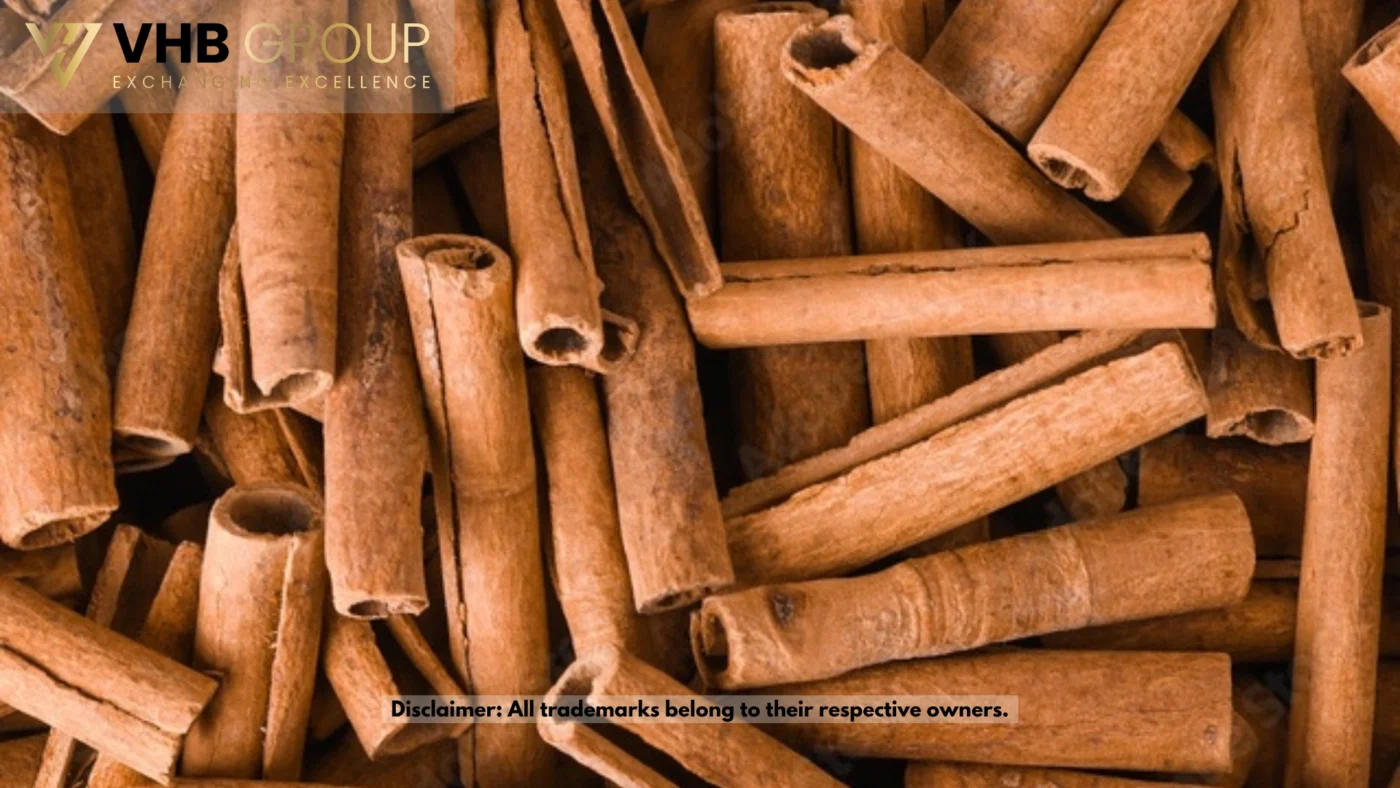
Understanding the exact Cigarette Cassia Cinnamon Roll Grade & Aroma Facts is absolutely essential for agricultural importers, international spice buyers, and FMCG distributors who want to comprehend why this specific spice format commands a premium visual and commercial value in the global market. Unlike industrial pressed cassia, cigarette cassia is an aesthetic masterpiece. It undergoes a highly specific peeling, cutting, and drying process that encourages the thin bark to curl perfectly into a tight double-scroll, trapping its sweet, spicy essential oils while delivering a visually flawless presentation demanded by luxury retail and high-end hospitality.
For international procurement teams and supply chain managers looking to capitalize on this immense global demand, reviewing the operational logistics of the wholesale supply chain is the mandatory next strategic step. However, before investing in bulk container loads, buyers must fully understand the physical, chemical, and sensory components that make this curled botanical a high-margin retail juggernaut.
Table of Contents
-
The Botanical Base: Cinnamomum Cassia
-
The Peeling and Natural Curling Process
-
Sensory Profile: Essential Cigarette Cassia Cinnamon Roll Grade & Aroma Facts
-
Chemical Safety and Dietary Synergy
-
Wholesale Botanical Integration

The Botanical Base: Cinnamomum Cassia
When analyzing the massive commercial success of this globally recognized spice, the primary differentiator lies in the selection of the harvested botanical.
While heavy, pressed cassia utilizes the thick bark from the mature main trunk of the tree, premium cigarette cassia is often harvested from the younger, thinner branches (or the upper canopy) of the Cinnamomum cassia tree. This younger bark is much more pliable and thinner. This thinness is a strict requirement; if the bark is too thick, it will not curl properly during the drying process, resulting in flat or irregular shards rather than a perfect hollow tube. While it may contain slightly less volatile oil by total volume than the thick trunk bark, its flavor is often perceived as sweeter and less astringent.
The Peeling and Natural Curling Process
A critical element within the manufacturing cycle is the heavy reliance on manual peeling, precision cutting, and highly controlled moisture evaporation to achieve the perfect “cigarette” shape.
View Cinnamon Sticks Reference on Wikimedia Commons
To transform the freshly harvested branch bark into premium cigarette cassia, agricultural processors perform meticulous hand-labor. The rough, flavorless outer cork (epidermis) is entirely scraped away. The smooth inner bark is then cut into exact lengths (e.g., 8cm, 10cm, or 12cm). These wet strips are laid out on mats under the tropical sun. As the moisture rapidly evaporates, the tension in the plant fibers causes the bark to naturally curl inward upon itself, forming a tight, hollow quill. Workers must monitor this drying process constantly to ensure the curls are uniform and dry evenly, dropping the moisture content to below 13.5% to lock in the shape.
Sensory Profile: Essential Cigarette Cassia Cinnamon Roll Grade & Aroma Facts
The most distinctive physical characteristic of perfectly processed cigarette cassia is its uniform, hollow cylindrical shape, its clean reddish-brown color, and the immediate, sweet-spicy aromatic burst released when the stick is snapped or infused in hot liquids.

Balancing Visual Perfection, Sweetness, and Heat
The Cigarette Cassia Cinnamon Roll Grade & Aroma Facts matrix is heavily characterized by its dual-purpose nature. The dominant compound is Cinnamaldehyde, which is responsible for the classic sweet and spicy flavor. Because cigarette cassia is entirely peeled, it lacks the bitter, woody off-notes associated with unpeeled bark. It provides a massive, clean flavor impact when used as a stirring stick in hot toddies, mulled ciders, or specialty coffees, slowly releasing its essential oils into the beverage without disintegrating into a powdery sludge.
Chemical Safety and Dietary Synergy
To fully grasp the commercial appeal, FMCG food distributors must analyze the macro-chemical and safety profile. A standard bulk carton is carefully calibrated for maximum shelf stability and visual delivery.
| Culinary Component | Function in the Matrix | Safety & Quality Profile |
| Cinnamaldehyde | Provides the sharp heat and sweet cinnamon aroma. | Sourced from younger branches for a sweeter, cleaner profile. |
| Moisture Content | Dictates exact shelf stability and locks the curl. | Must be strictly maintained below 13.5% to prevent uncurling or mold. |
| Visual Uniformity | Dictates the premium grade of the product. | Sticks must be exactly cut (e.g., 10cm) with a tight, unbroken curl. |
| Outer Cork Removal | Dictates the visual purity and flavor clarity. | 100% peeled bark yields a bright color and zero bitter woody notes. |

Wholesale Botanical Integration
Mastering the core culinary facts and natural curling matrices is the definitive key to understanding this product’s unstoppable global retail velocity in the spice aisle. From the careful selective harvesting of younger branches to the precision engineering of the peeling and sun-drying process, every single element of this processing cycle is designed to deliver a flawless, highly aromatic culinary ingredient. For international distributors and luxury hospitality providers, stocking authentic Southeast Asian cigarette cassia guarantees access to a highly loyal, aesthetically-driven commercial consumer base.
Cigarette Cassia Grade & Aroma FAQ
Disclaimer: Unless otherwise stated, the images used in this article are the property of their respective owners. We do not claim ownership of any third-party images featured, and they are used here strictly for informational and educational purposes. If you are the copyright holder and wish to have an image removed, please contact us.