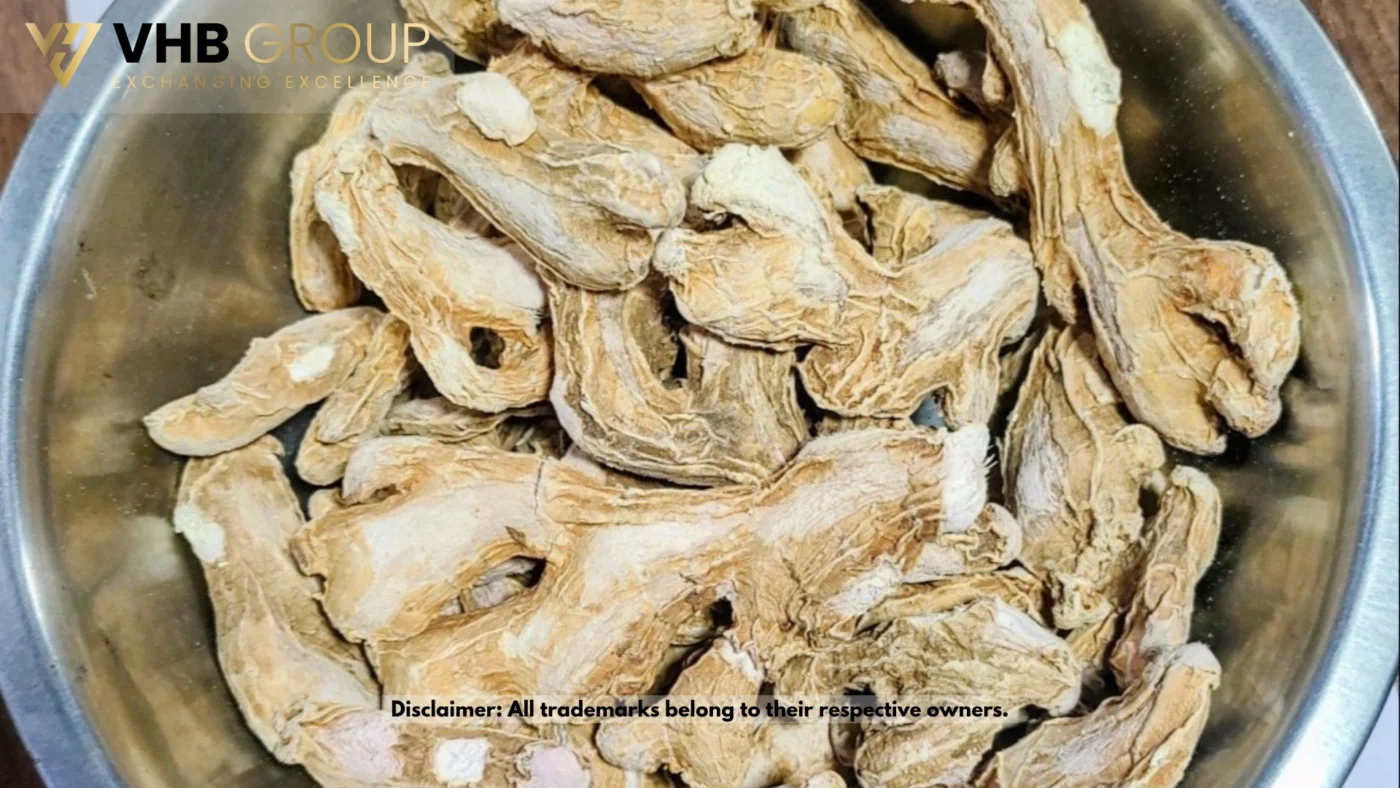
Sourcing Dried Ginger Slices Bulk Wholesale Supply inventory provides international spice distributors, commercial tea blenders, flavor extraction conglomerates, and FMCG trading partners with an essential, high-margin revenue engine in the global botanical ingredient category. Cultivated and harvested primarily across Asia and Africa—with China (Yunnan and Shandong), India, and Nigeria serving as the dominant global suppliers—this premium dehydrated rhizome is heavily demanded globally for its concentrated, pungent heat and exceptional shelf life, distinguishing it as a highly reliable, high-velocity staple in the commercial food manufacturing and wellness beverage sector.
For B2B procurement managers and supply chain directors working with agricultural distribution partners, managing full container load (FCL) consignments of wholesale dried ginger slices requires carefully evaluating product grading configurations (moisture content, sulfur dioxide levels, and slice thickness), heavy woven bag or carton yields, volumetric ocean container payload limits, and strict international phytosanitary customs clearance protocols. This technical guide evaluates the operational, financial, and logistical frameworks necessary to establish a highly profitable import and distribution model for this globally demanded agricultural commodity.
Table of Contents
-
Global Market Demand for Dehydrated Root Spices
-
Spice Grading and Product Portfolio Breakdown
-
Bulk Packaging Configurations and Freight Density
-
B2B Sourcing Pathways for Wholesale Dried Ginger
-
Landed Cost Calculation Framework
-
Import Compliance, Harmonized System Codes, and Customs Documentation
-
Strategic Wholesale Procurement

Global Market Demand for Dehydrated Root Spices
The global culinary and wellness spice market relies fundamentally on highly pungent, shelf-stable botanicals that offer commercial kitchens, bakers, and beverage manufacturers intense, consistent flavor delivery. Dried ginger (Zingiber officinale) commands a massive commercial market share globally because the dehydration process fundamentally alters its chemical structure, making it significantly spicier and more shelf-stable than fresh ginger root. China and India serve as the dominant global hubs for cultivating, peeling, and slicing this high-yield rhizome, offering unparalleled export liquidity to global buyers.
View Dried Ginger Reference on Wikimedia Commons
Growth Drivers in the Market
The continuous growth in the dried ginger sector is driven by its absolute necessity in commercial baking (gingerbread, cookies), global beverage manufacturing (such as ginger beers, chai teas, and kombuchas), and traditional Asian herbal medicine sectors. Commercial manufacturers consistently pivot toward Chinese and Indian dried ginger slices because the region’s traditional washing, slicing, and kiln-drying processes guarantee a distinct, complex aroma profile and a low moisture content (strictly below 12%) that prevents fungal growth during export.
Commercial Advantages
Adding this inventory to a B2B distribution catalog delivers distinct commercial advantages:
-
Unmatched Culinary Versatility: Highly demanded in both sweet bakery applications, savory curry blends, and high-volume liquid extractions.
-
Premium Import Margin Value: By securing uniform “slices” rather than whole dried roots, importers secure a premium grade ready for immediate retail packing, rapid tea infusion, or highly efficient industrial grinding, yielding excellent gross profit margins.
-
High Shelf Stability: When dried to proper moisture levels and sealed in moisture-proof woven bags, dried ginger slices offer an exceptional 24-month shelf life.
Spice Grading and Product Portfolio Breakdown
Curating an optimal inventory mix requires selecting the correct visual and chemical grades tailored to target retail and industrial demographics. Dried ginger is strictly graded internationally by its moisture content, slice uniformity (thickness), color (peeled vs. unpeeled), and the absence of sulfur dioxide (SO2) bleaching.

Core Product SKUs
When structuring a container load from international agricultural hubs, the core grades form the absolute foundation of the procurement strategy:
-
Premium Peeled Ginger Slices (Unsulfured): The absolute flagship grade for the EU and US markets. The rough outer skin is scraped off, and the root is sliced into uniform 3mm to 5mm pieces. Dried naturally or via clean hot-air kilns to maintain a natural pale-yellow color without chemical bleaching.
-
Standard Unpeeled Slices (With Skin): A highly specialized, cost-effective variant utilized primarily by the industrial extraction and grinding sector where physical appearance is secondary to total pungency and oil yield.
-
Sulfured Ginger Slices: Ginger treated with SO2 during drying to achieve a bright, artificial white color and prevent insects. Typically restricted in highly regulated Western markets due to strict MRLs, but popular in certain domestic and regional Asian trades.
Bulk Packaging Configurations and Freight Density
When managing ocean shipments, physical logistics heavily dictate profitability. Dried ginger slices leave moderate air gaps when packed. They are packaged in heavy-duty woven polypropylene (PP) bags lined with food-grade polyethylene (PE) or in heavy corrugated cartons to prevent moisture ingress, mold formation, and aromatic loss during rigorous maritime transit.
Master Bag Yields
Understanding the exact packing specifications is critical for calculating freight costs:
| Packaging SKU Format | Standard Weight | Retail/Industrial Format | Primary Distribution Channel |
| Bulk PP Woven Bag | 25kg / 50kg | Woven Bag w/ PE Liner | Industrial Grinders, Spice Blenders |
| Heavy Corrugated Carton | 20kg | Cardboard Box w/ Inner Bag | Commercial Bakeries, Tea Blenders |
| Retail Pouch / Jar | 100g / 250g | Clear Pouch or Glass Jar | Supermarkets, Health Food Stores |
B2B Sourcing Pathways for Wholesale Dried Ginger
Commercial buyers access wholesale inventory through primary procurement channels. Independent wholesalers, mid-tier regional distributors, and agile import firms typically source via master agricultural consolidators operating out of major export hubs like Qingdao (China) or Cochin (India). Consolidators offer highly flexible Minimum Order Quantities (MOQs) and handle all complex phytosanitary and fumigation export logistics, bridging the gap directly with the regional farming cooperatives and drying facilities.
Landed Cost Calculation Framework
Procurement teams must accurately forecast their financials before executing a purchase order. Calculating net landed unit costs involves applying a structured, multi-step financial calculation process.
Step-by-Step Financial Breakdown
-
Step 1: Calculate Ocean Freight Charges (utilizing 20ft or 40ft High Cube containers depending on packaging format; 25kg cartons will “cube out” faster, while 50kg pressed bags maximize weight) + Origin Port Fees + Import Customs Duties + Marine Cargo Insurance + Local Destination Drayage.
-
Step 2: Add the Total Shipping Overhead to the Free On Board (FOB) Purchase Bag Price.
-
Step 3: Divide the Total Landed Cost per Master Bag by the exact kilogram weight to find the net per-kilo wholesale cost.

Import Compliance, Harmonized System Codes, and Customs Documentation
Clearing agricultural imports through international customs is a highly regulated process. Securing your shipments requires flawless documentation verified by accredited origin testing laboratories.
Essential Export Documentation Suite
-
Commercial Shipping Documents: Master Bill of Lading (B/L), Commercial Invoice, Detailed Packing List, and a Certificate of Origin (COO).
-
Harmonized System Classification: For customs declaration, dried unground ginger is strictly classified under HS Code 0910.11 (Ginger: Neither crushed nor ground).
-
Sanitary and Phytosanitary Certification: Importers must hold proper certificates proving the spice has been fumigated and meets stringent limits for moisture content (strictly < 12%), sulfur dioxide (SO2) residues (critical for EU/US compliance), and heavy metals.
Strategic Wholesale Procurement
Mastering the procurement of this highly pungent botanical commodity is the definitive key to unlocking massive global margins in the premium spice and wellness sector. From the careful peeling and slicing of the fresh root to the precision engineering of the dehydration process, every single element is designed to deliver a potent, logistically flawless culinary ingredient. For international distributors and commercial manufacturers, stocking authentic, unsulfured dried ginger slices guarantees access to a highly loyal, quality-driven commercial base.
Dried Ginger Slices FAQ
Disclaimer: Unless otherwise stated, the images used in this article are the property of their respective owners. We do not claim ownership of any third-party images featured, and they are used here strictly for informational and educational purposes. If you are the copyright holder and wish to have an image removed, please contact us.