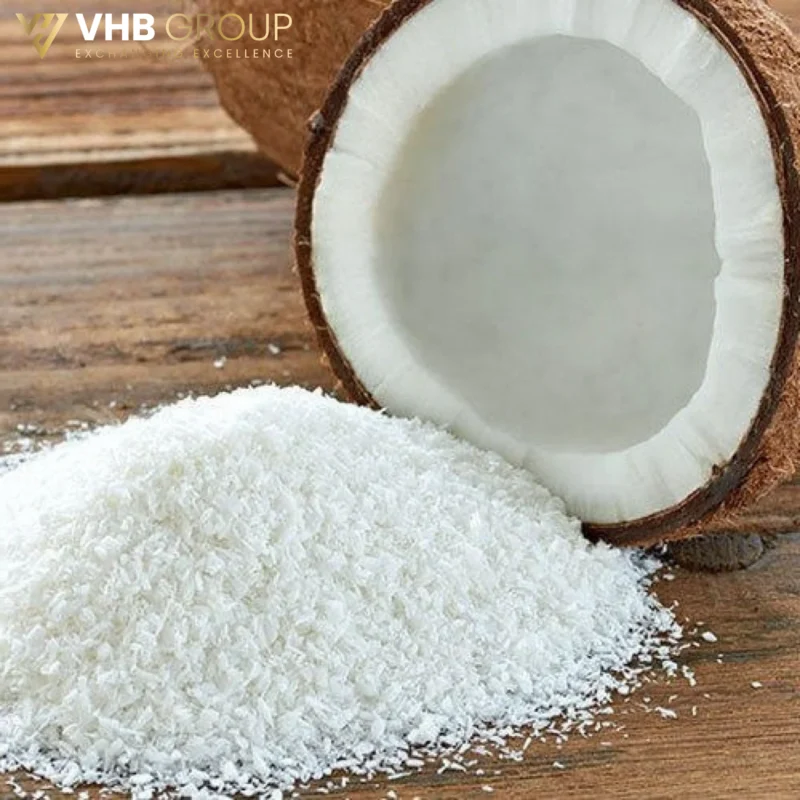
In the global food manufacturing and confectionery sectors, securing high-quality, reliable, and versatile Desiccated Coconut Unique SKUs is paramount for creating world-class products that satisfy evolving consumer tastes. Whether you are formulating premium chocolates, baking artisanal pastries, or developing plant-based dairy alternatives, the grade and consistency of your coconut ingredients directly impact your final product’s texture, shelf-life, and flavor profile. As international supply chains face unprecedented challenges, B2B buyers must shift from purchasing generic commodities to securing tailored agricultural solutions that meet precise technical specifications.
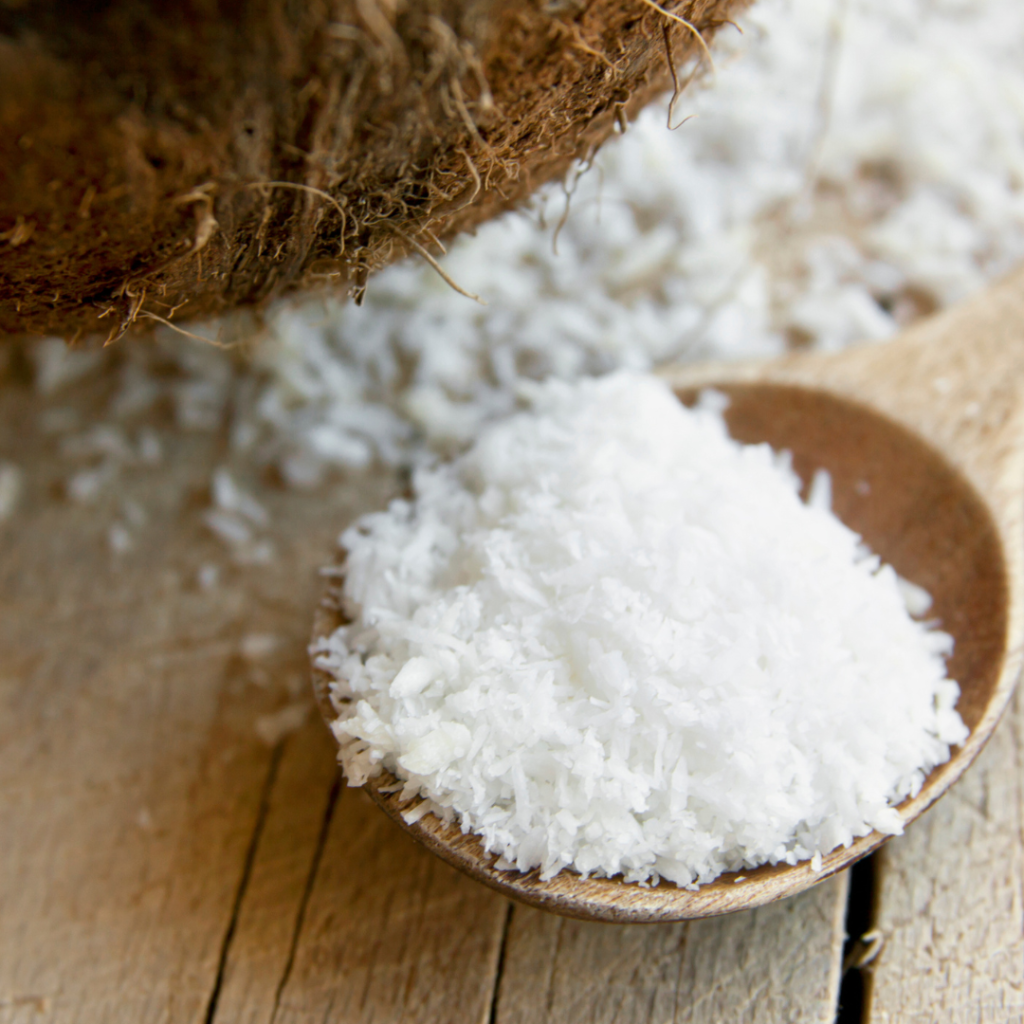
This comprehensive guide serves as the definitive procurement resource for global buyers seeking to understand, select, and source specialized coconut products. By partnering with leading agricultural export brands like VIHABA, international buyers can navigate the complexities of international trade, secure consistent product quality, and drive cost efficiencies across their supply chains. Read on to explore how deep industry expertise and customized sourcing strategies can transform your ingredient procurement from a logistical bottleneck into a major competitive advantage.
Table of Contents
- Global Desiccated Coconut Market Dynamics
- Vietnam’s Premier Coconut Cultivation Hubs
- Analyzing Desiccated Coconut Unique SKUs and Technical Specifications
- The Processing Journey: From Tree to Export Bag
- International Quality Standards & Certifications
- How VIHABA Customizes Desiccated Coconut Unique SKUs for Global Brands
- B2B Export Packaging & Logistics Excellence
- Frequently Asked Questions (FAQ)
- Conclusion: Partnering with VIHABA for Your Sourcing Needs
Global Desiccated Coconut Market Dynamics
The global demand for coconut-based ingredients has experienced a remarkable surge over the past decade. Driven by the rising popularity of vegan, gluten-free, and organic dietary habits, food manufacturers worldwide are continuously seeking premium ingredients to replace synthetic additives. Desiccated coconut, produced by dehydrating shredded, unsweetened coconut meat, remains at the forefront of this agricultural boom. Its applications span across the bakery, confectionery, dairy, and ready-to-eat cereal industries, making it one of the most versatile agricultural commodities traded internationally.
However, the global market is characterized by strict quality requirements and fluctuating supply levels. Major production regions in Southeast Asia, including Vietnam, the Philippines, and Indonesia, must balance local environmental conditions with the rigorous demands of Western, Middle Eastern, and Asian markets. For B2B buyers, understanding these market dynamics is critical. Mitigating supply chain risks requires choosing partners who maintain direct relationships with local farmers, employ state-of-the-art processing technology, and provide supply chain transparency from farm to factory gate.
Vietnam’s Premier Coconut Cultivation Hubs
Vietnam has emerged as a powerhouse in the global coconut industry, renowned for yielding coconuts with rich oil content, natural sweetness, and excellent physical properties. The heart of Vietnam’s coconut cultivation is the Mekong Delta, with Ben Tre Province widely recognized as the country’s undisputed coconut capital. Thanks to the unique geological layout of the Mekong Delta, the soil in this region is enriched with rich alluvial deposits, providing an ideal, nutrient-dense environment for coconut palms to thrive.
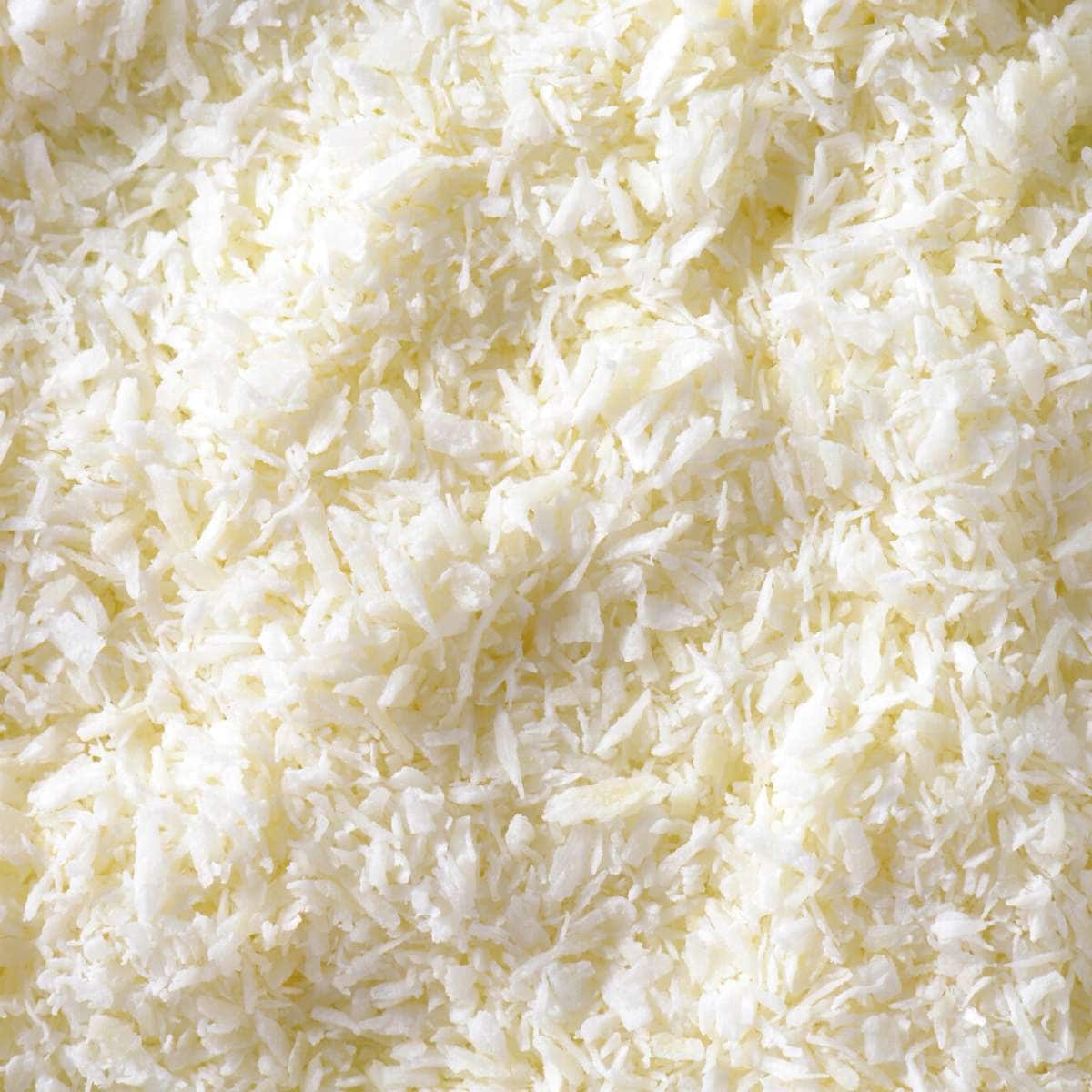
In Ben Tre, sustainable agricultural practices are rapidly becoming the norm. Local farmers work closely with agricultural cooperatives and export enterprises to adopt organic farming methodologies, minimizing the use of chemical fertilizers and pesticides. This transition to organic cultivation not only preserves the delicate delta ecosystem but also ensures that the coconuts harvested meet the stringent residue limits mandated by the European Union, the United States, and Japanese customs. For global buyers, sourcing from Vietnam guarantees access to a secure, eco-conscious supply chain that aligns with corporate sustainability mandates.
Analyzing Desiccated Coconut Unique SKUs and Technical Specifications
When sourcing ingredients for industrial-scale food manufacturing, a generic, one-size-fits-all product is rarely sufficient. Every production line has unique requirements regarding particle size, oil absorption, moisture levels, and fat content. For industrial buyers, finding the exact specifications can be challenging, which is why sourcing Desiccated Coconut Unique SKUs is the ultimate solution to ensure manufacturing compatibility and consistent product quality.
To cater to the highly specialized demands of global food brands, exporters offer several distinct cuts and grades. Below is an overview of the most common physical and chemical specifications that buyers must evaluate during the procurement process:
| SKU / Grade Type | Physical Description & Particle Size | Fat Content (%) | Moisture Content (%) | Primary Applications |
|---|---|---|---|---|
| Extra Fine Grade | Powder-like consistency, ultra-fine particles smaller than 1.4 mm. | High Fat (≥ 65%) or Low Fat (≤ 50%) | Max 3.0% | Fillings, batters, coatings for premium truffles, and powdered premixes. |
| Fine Grade | Delicate, free-flowing granular particles (1.4 mm – 2.5 mm). | High Fat (≥ 65%) | Max 3.0% | Industrial baking, biscuit toppings, cake decoration, and confectionery bars. |
| Medium Grade | Coarser granular particles (2.5 mm – 4.8 mm) with a rich mouthfeel. | High Fat (≥ 65%) | Max 3.0% | Macaroons, granola blends, cereal bars, and heavy confectionery fillings. |
| Flake / Thread Grade | Long, thin, decorative flat cuts. Great visual appeal. | High Fat (≥ 65%) | Max 3.5% | Garnishes for gourmet pastries, visual topping for retail snack mixes. |
| Toasted Chips | Broad, crispy chips toasted to a golden-brown finish. | High Fat (≥ 60%) | Max 2.5% | Healthy retail snacks, trail mixes, and premium yogurt toppings. |
Selecting the correct fat content is especially critical. High-fat desiccated coconut, containing 65% or more natural coconut oil, delivers an intense, creamy flavor and tender mouthfeel, which is perfect for high-end bakeries and confectioners. Conversely, low-fat options, which typically have a fat content ranging from 35% to 50%, are highly sought after by health-focused brands producing protein bars, dietetic foods, and dehydrated premixes where calorie control is a priority.
The Processing Journey: From Tree to Export Bag
The transition of raw coconuts into highly refined desiccated coconut products involves a multi-stage, technologically advanced manufacturing process. Preserving the natural aroma, color, and nutritional profile of the coconut while ensuring complete microbiological safety requires absolute precision at every step of the processing journey.
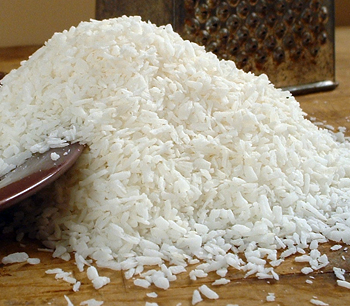
Step 1: Harvesting and Sorting
Only fully mature coconuts (aged 11 to 12 months) are harvested, as they contain the optimal balance of oil and solid kernel meat. Once harvested, the coconuts are transported to modern processing facilities where they undergo rigorous visual inspections to filter out damaged or immature fruits.
Step 2: De-husking and Paring
The fibrous outer husk is removed, followed by the hard inner shell. Skilled operators then pare away the brown seed coat (testa), leaving only the pure, pristine white kernel meat. Quick processing at this stage is vital to prevent oxidation and enzymatic browning of the meat.
Step 3: Washing and Blanching
The white coconut kernels are thoroughly washed in clean, chlorinated water to remove any residual dirt. Afterward, they undergo a high-temperature steam blanching process. This sterilization step is critical to eliminating foodborne pathogens, such as Salmonella and E. coli, ensuring the product is 100% safe for direct human consumption.
Step 4: Shredding and Drying
The sterilized kernels are fed into specialized cutters or shredders to achieve the precise dimensions required for the target SKU (Fine, Medium, Flakes, etc.). The shredded wet coconut is immediately transferred to continuous-feed fluidized bed dryers. Here, the moisture content is carefully reduced from approximately 50% down to less than 3%, arresting microbial growth and locking in the natural flavor.
Step 5: Grading, Sifting, and Metal Detection
Once dried, the coconut passes through multi-tier vibrating sieves to separate the product into uniform particle sizes. Before final packaging, the desiccated coconut passes through high-sensitivity magnetic separators and metal detectors to eliminate any potential physical contaminants, securing the integrity of the batch.
International Quality Standards & Certifications
For B2B buyers operating in highly regulated markets like North America, Western Europe, and Japan, compliance with international food safety standards is non-negotiable. Leading manufacturers must implement robust quality management systems that govern every phase of production. When evaluating a potential export partner, buyers should prioritize companies that hold world-class certifications.
Key certifications include ISO 22000 and HACCP, which demonstrate a systemic approach to managing food safety hazards. Additionally, BRCGS (British Retail Consortium Global Standards) certification is highly valued by major European and global retailers as a testament to strict hygiene and process controls. For specialized markets, obtaining verified Halal and Kosher certifications is essential for appealing to diverse consumer demographics. Finally, USDA Organic and EU Organic certifications verify that the product has been cultivated and processed without synthetic chemicals, fulfilling the demands of the rapidly growing eco-conscious consumer base.
How VIHABA Customizes Desiccated Coconut Unique SKUs for Global Brands
As a leading name in the agricultural export sector, VIHABA prides itself on bridging the gap between local farming excellence and international quality demands. We understand that every B2B client has a unique set of operational parameters. Therefore, we do not simply supply off-the-shelf ingredients; we specialize in delivering tailored solutions that match your exact manufacturing requirements.

Our state-of-the-art facilities and strong partnerships in Ben Tre allow us to control the processing parameters of our Desiccated Coconut Unique SKUs with extreme precision. Whether your manufacturing line requires a customized particle size distribution to prevent nozzle clogging, a specific fat-to-moisture ratio to optimize shelf stability, or customized packaging formats to match your automated dumping stations, VIHABA is fully equipped to deliver. Our dedicated quality assurance team works closely with your product developers to send pre-shipment samples, ensuring that the bulk shipment you receive matches your technical specifications perfectly, every single time.
B2B Export Packaging & Logistics Excellence
Even the highest-quality desiccated coconut can degrade rapidly if it is not packaged and transported under optimal conditions. Coconut oil is highly sensitive to moisture, temperature fluctuations, and oxygen, all of which can trigger rancidity, clumping, and color degradation. Consequently, robust packaging and efficient logistical coordination are critical to preserving product quality during oceanic transit.
Standard B2B packaging consists of multi-wall, food-grade kraft paper bags with an inner, food-grade polyethylene (PE) liner. These bags are hermetically sealed to prevent moisture absorption and external contamination. Typical retail-ready or wholesale packaging weights include 25 kg, 50 kg, or customizable jumbo bags (500 kg to 1000 kg) designed for high-volume industrial processing. During loading, shipping containers must be clean, dry, and free of strong odors. Desiccated coconut is highly susceptible to absorbing surrounding smells, meaning it should never be co-shipped with aromatic commodities. Silica gel bags and container desiccants are routinely deployed to manage humidity levels during ocean voyages, ensuring the product arrives in pristine, free-flowing condition.
Frequently Asked Questions (FAQ)
What is the shelf life of desiccated coconut in a B2B environment?
When stored under cool, dry conditions (temperature below 25°C and relative humidity below 60%) in its original, unopened packaging, high-fat desiccated coconut typically has a shelf life of 12 to 18 months. Low-fat variants can maintain their quality for up to 24 months due to their lower oil content.
Can I request custom particle sizes for my specific manufacturing line?
Yes. VIHABA specializes in customizing particle sizes to fit your exact industrial machinery. By adjusting our shredding and sifting equipment, we can produce custom grades that fall between standard fine and medium cuts, ensuring seamless integration into your production process.
How does VIHABA ensure the absence of Salmonella in its products?
Microbiological safety is our top priority. We employ a rigorous, validated steam-blanching process that subjects the raw coconut meat to high-temperature sterilization. Furthermore, every batch of our Desiccated Coconut Unique SKUs undergoes third-party microbiological testing before dispatch, accompanied by a formal Certificate of Analysis (COA).
What is the minimum order quantity (MOQ) for international shipments?
Our standard Minimum Order Quantity (MOQ) for sea freight is typically one 20-foot Full Container Load (FCL), which accommodates approximately 12 to 13 metric tons of palletized desiccated coconut. For trial orders or specialized high-value SKUs, we can discuss custom shipping arrangements to fit your business’s entry-level procurement needs.
Does VIHABA provide organic-certified desiccated coconut?
Absolutely. We source from organic-certified farms in Ben Tre that adhere strictly to USDA Organic and EU Organic regulations. We can supply complete organic documentation, including Transaction Certificates (TCs), to guarantee the integrity of your organic supply chain.
Conclusion: Partnering with VIHABA for Your Sourcing Needs
Sourcing premium agricultural ingredients is a critical decision that influences your brand’s reputation, product quality, and operational profitability. By choosing Vietnam’s premium coconut products, global businesses tap into some of the finest raw materials available in the agricultural market today. Navigating the diverse range of Desiccated Coconut Unique SKUs requires a partner who possesses not only technical manufacturing capability but also an unwavering commitment to quality, sustainability, and customer-centric service.
VIHABA stands ready to be your strategic partner in the global agricultural market. Our deep roots in Vietnam’s premier cultivation hubs, combined with our world-class processing standards and flexible customization options, ensure that your supply chain remains resilient, compliant, and cost-effective. Contact the VIHABA team today to discuss your technical specifications, request samples, and experience how we can streamline your B2B ingredient procurement with absolute reliability.