
Table of Contents
- The Global Market for Canned Fruit Unique SKUs
- Vietnam’s Role: Cultivation and Sourcing Unique Canned Fruit
- Processing Innovation for Canned Fruit Unique SKUs
- International Quality Standards and Certifications
- Strategic Export Packaging for Canned Fruit Unique SKUs
- Frequently Asked Questions (FAQs)
- Conclusion
Welcome to the definitive B2B guide on Canned Fruit Unique SKUs. In the dynamic world of agricultural commodities, identifying and sourcing distinctive canned fruit products is a key differentiator for businesses looking to captivate discerning markets. This comprehensive article serves as your ultimate resource, delving deep into the global landscape, highlighting Vietnam’s pivotal role, and outlining the essential considerations for B2B buyers engaged in international trade.
The Global Market for Canned Fruit Unique SKUs
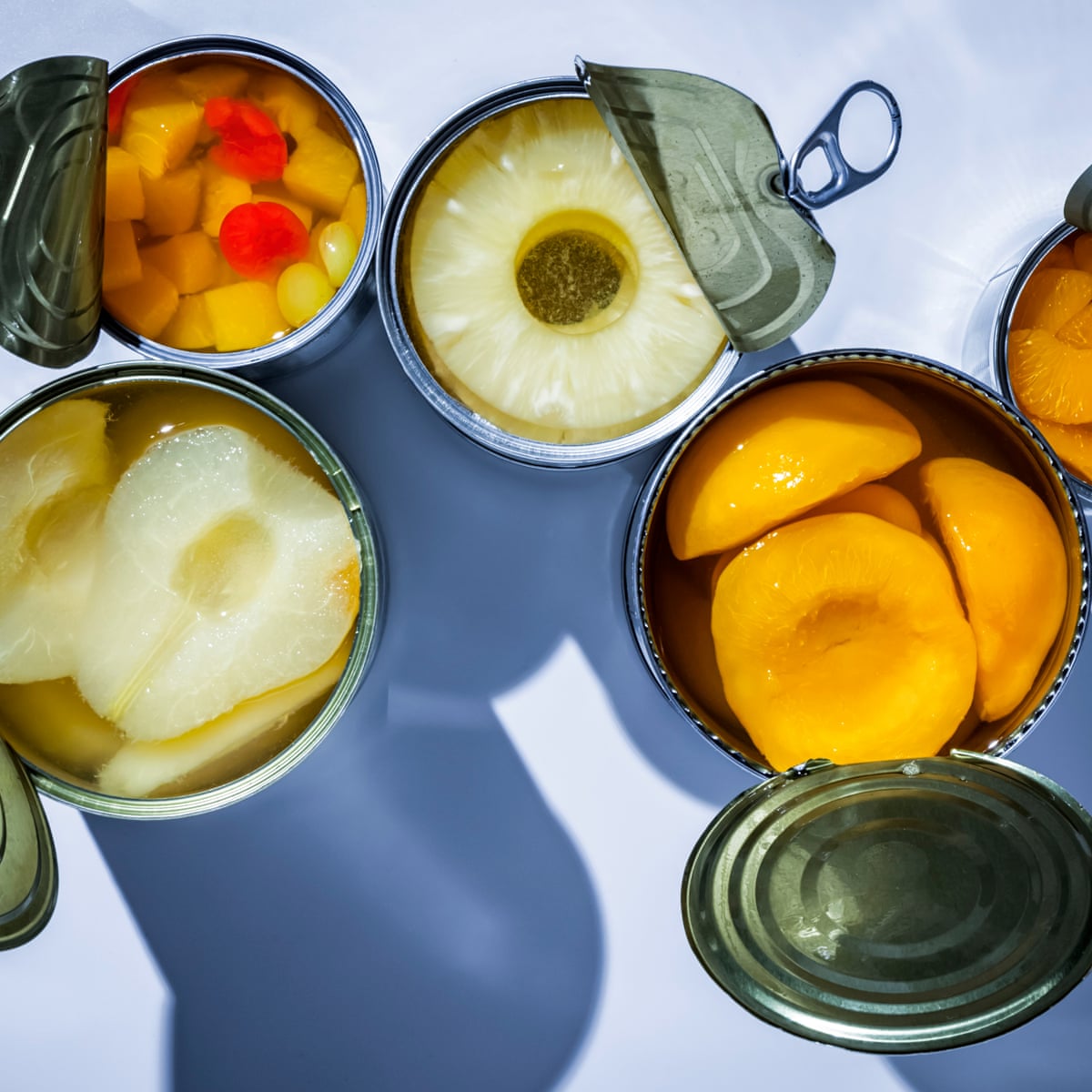
The global demand for canned fruit remains robust, driven by convenience, extended shelf life, and versatility in culinary applications. While traditional canned peaches and pineapples hold significant market share, the true growth potential lies in Canned Fruit Unique SKUs. These include exotic varieties, innovative cuts, organic offerings, and value-added preparations that cater to evolving consumer tastes and health trends. B2B buyers are increasingly seeking these niche products to differentiate their offerings and capture premium market segments. Understanding Vietnamese Agricultural Product Export Market Trends is crucial for any buyer looking to capitalize on emerging opportunities.

Market analysts predict a steady increase in the canned fruit sector, with a particular emphasis on health-conscious and exotic options. Factors such as rising disposable incomes in developing economies and a growing appreciation for diverse global flavors fuel this expansion. For distributors and food manufacturers, sourcing unique SKUs can unlock new avenues for market penetration and brand loyalty.
Vietnam’s Role: Cultivation and Sourcing Unique Canned Fruit
Vietnam has emerged as a powerhouse in agricultural exports, renowned for its fertile lands and diverse climate, which allow for the cultivation of a wide array of fruits. For Canned Fruit Unique SKUs, Vietnam offers an unparalleled selection beyond the standard fare. Regions like the Mekong Delta are particularly fruitful, producing items such as rambutan, longan, lychee, passion fruit, and guava, all ideal for canning. The country’s commitment to modern farming techniques and sustainable practices ensures a consistent supply of high-quality raw materials.
Vietnamese producers are increasingly investing in advanced processing facilities, enabling them to handle unique fruit varieties with precision, preserving their flavor, texture, and nutritional value. This focus on quality control from farm to factory makes Vietnam an attractive origin for B2B buyers seeking distinctive canned fruit products. Furthermore, the expertise gained from Frozen Fruit Exports from Vietnam translates well into the canned sector, ensuring consistent high standards.
Processing Innovation for Canned Fruit Unique SKUs

The journey from fresh fruit to Canned Fruit Unique SKUs involves sophisticated processing techniques designed to maintain optimal quality. Modern canning facilities in Vietnam employ state-of-the-art machinery and stringent hygiene protocols. Key processing steps include:
1. Harvesting and Selection
Fruits are harvested at their peak ripeness to ensure maximum flavor and nutritional content. Strict selection processes weed out any imperfect fruit, ensuring only the finest specimens proceed to canning.
2. Washing and Preparation
Thorough washing removes any impurities. Depending on the fruit, this stage may involve peeling, pitting, coring, or slicing into specific cuts – which is crucial for creating unique SKUs.
3. Blanching (Optional)
Some fruits undergo a brief blanching process to inactivate enzymes, minimize oxidation, and improve texture and color retention.
4. Filling and Brining/Syruping
Prepared fruit is carefully filled into cans. This is followed by the addition of a liquid medium – typically water, light syrup, heavy syrup, or fruit juice – which helps preserve the fruit and enhance its taste. The choice of syrup or brine is often tailored for unique product offerings.
5. Sealing and Sterilization
Cans are hermetically sealed to prevent contamination. They then undergo a sterilization process (retort) using heat and pressure to kill microorganisms, ensuring food safety and extending shelf life without the need for refrigeration until opened.
These precise methods guarantee that the unique characteristics of each fruit are locked in, ready for global distribution. Many Vietnamese suppliers adhere to Sustainable Sourcing Practices in Agriculture, ensuring their processing methods are not only efficient but also environmentally responsible.
International Quality Standards and Certifications for Canned Fruit Unique SKUs
For B2B buyers, adherence to international quality standards is paramount when sourcing Canned Fruit Unique SKUs. Reputable Vietnamese exporters consistently meet and often exceed these global benchmarks, ensuring product safety, quality, and traceability. Key certifications and standards include:
- HACCP (Hazard Analysis and Critical Control Points): A systematic preventive approach to food safety from biological, chemical, and physical hazards.
- ISO (International Organization for Standardization): Various ISO standards, such as ISO 22000 (Food Safety Management System), demonstrate a commitment to quality and safety.
- BRCGS (Brand Reputation Compliance Global Standards): A leading global safety and quality certification program, especially important for suppliers to major retailers.
- FDA (Food and Drug Administration): Compliance with FDA regulations is essential for exports to the United States.
- Halal/Kosher: Specific certifications required for certain markets based on religious dietary laws.
- Organic Certifications: For organic Canned Fruit Unique SKUs, certifications like USDA Organic or EU Organic are crucial.
Below is an example of typical quality specifications for a unique canned fruit product:
| Parameter | Specification |
|---|---|
| Fruit Type | Canned Lychee, peeled & pitted |
| Brix (Syrup) | 14-17° (Light Syrup) |
| pH | 3.5 – 4.2 |
| Net Weight | 565g / 850g / 3000g (A10) |
| Drained Weight | ≥ 50% of Net Weight |
| Microbiological | Commercial Sterility |
| Appearance | Whole, uniform color, firm texture |
| Additives | No artificial colors, flavors, or preservatives |
| Shelf Life | 24-36 months from production date |
Understanding these specifications is crucial for ensuring that the unique characteristics of the canned fruit meet market expectations. For a deeper dive into other preserved fruit options, explore the B2B Dried Fruit Wholesale Market.
Strategic Export Packaging for Canned Fruit Unique SKUs
Effective packaging is vital for preserving the quality of Canned Fruit Unique SKUs during transit and for meeting diverse importer requirements. Considerations include:
1. Primary Packaging (The Can)
Food-grade metal cans (tinplate or aluminum) are the standard, offering excellent barrier properties against light, oxygen, and moisture. They are robust and can withstand the rigors of international shipping. Can sizes vary widely, from individual servings to large catering-sized A10 cans, allowing for flexibility in unique SKU offerings.
2. Secondary Packaging (Cartons/Trays)
Cans are typically packed into sturdy corrugated cardboard cartons or shrink-wrapped trays. These provide additional protection, facilitate handling, and are often customized with branding and product information. Proper stacking and palletization are critical to prevent damage.
3. Labeling and Compliance
Labels must be clear, accurate, and comply with the regulations of the destination country. This includes nutritional information, ingredients, country of origin, manufacturing/expiry dates, and any required certifications (e.g., organic, Halal). Custom branding is also a key aspect for unique SKUs.
4. Logistics and Storage
While canned fruit is shelf-stable, proper storage conditions (cool, dry place) are recommended to maintain optimal quality. Exporters work closely with logistics partners to ensure efficient and safe delivery worldwide.
When you’re ready to explore specific product lines and their unique attributes, you can visit our dedicated page for Canned Fruit Unique SKUs to see our full range of offerings.
Conclusion
The market for Canned Fruit Unique SKUs presents a wealth of opportunities for B2B buyers seeking to innovate and expand their product portfolios. By understanding global trends, leveraging Vietnam’s robust agricultural capabilities, and prioritizing stringent quality controls and strategic packaging, businesses can confidently navigate this exciting sector.
As a leader in agricultural commodity exports, VIHABA is your trusted partner for sourcing exceptional Canned Fruit Unique SKUs. Our commitment to quality, sustainability, and customer satisfaction ensures that you receive only the finest products, backed by reliable service and expert market insights. Partner with VIHABA to unlock new possibilities in the international trade of unique canned fruit.