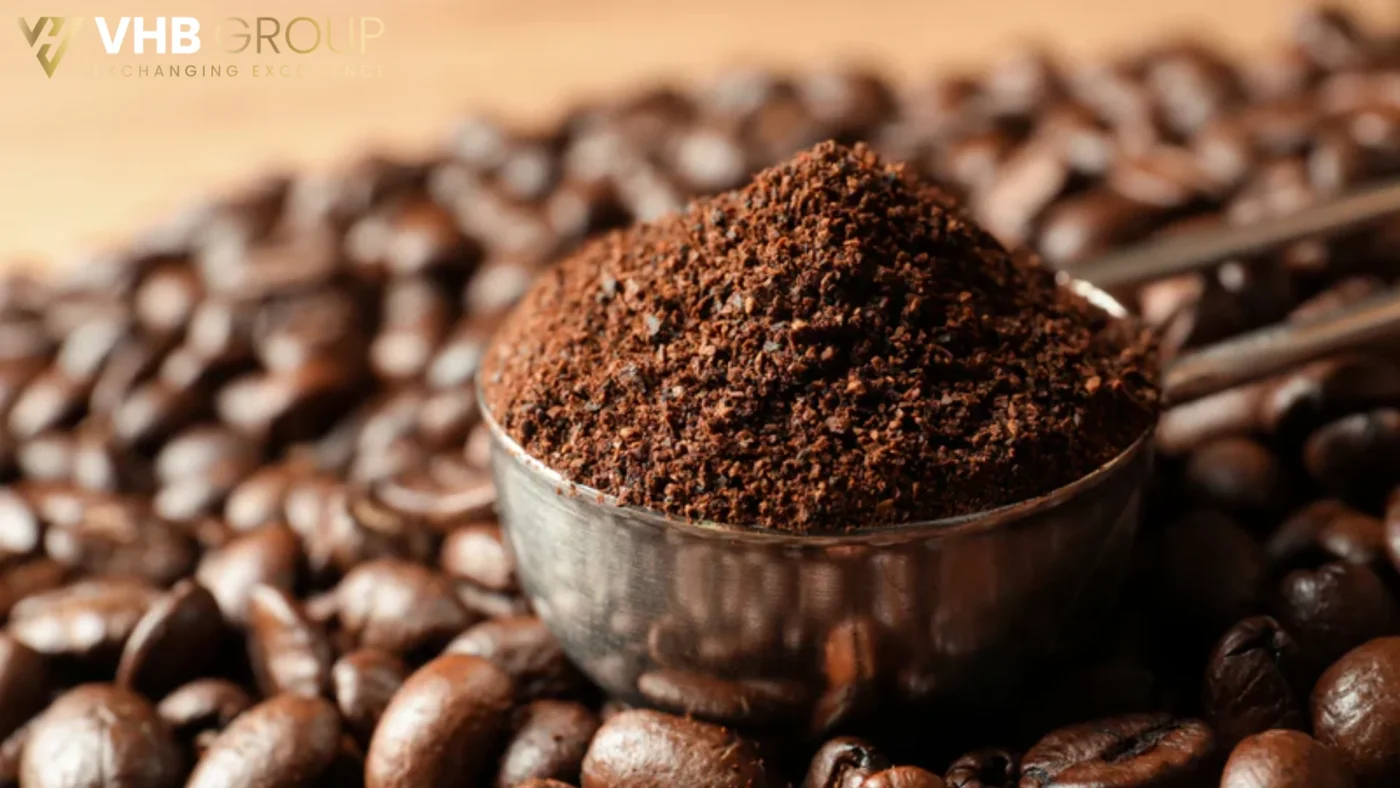
In the highly competitive global beverage market, securing high-quality Coffee Beans Unique SKUs is paramount for roasters, distributors, and brands looking to differentiate their product lines.
As the global economy faces inflationary pressures and supply chain volatility, the beverage industry must seek resilient sourcing solutions that do not compromise on taste or consistency. As the world’s second-largest coffee producer and the undisputed leader in Robusta cultivation, Vietnam stands as a powerhouse for global coffee sourcing. For international B2B buyers, navigating this expansive landscape requires a deep understanding of regional microclimates, processing methodologies, and international quality standards. VIHABA, as a trusted agricultural export partner, specializes in bridging the gap between Vietnam’s finest coffee plantations and global buyers, offering custom-tailored solutions that meet the rigid quality demands of international markets.
Table of Contents
- Global Coffee Market Overview & Vietnam’s Strategic Role
- Cultivation Regions: Where Coffee Beans Unique SKUs Originate
- Premium Processing Methods for Coffee Beans
- Technical Specifications and Quality Standards for Coffee Beans Unique SKUs
- Sustainability and Supply Chain Transparency
- Export Packaging and Logistics for Global Trade
- Frequently Asked Questions (FAQ)
- Conclusion: Partnering with VIHABA for Coffee Sourcing
Global Coffee Market Overview & Vietnam’s Strategic Role
The global coffee sector is experiencing a significant shift in consumer preferences and supply chain dynamics. While Arabica has traditionally dominated premium retail shelves, high-quality Robusta is undergoing a massive renaissance. Rising temperatures in traditional Arabica-growing regions, coupled with the improved agronomic resilience of Robusta, have driven global roasters to re-evaluate their blends. Vietnam, producing over 1.5 million metric tons of coffee annually, plays a critical role in stabilizing the global supply chain. By offering consistent volumes, competitive pricing structures, and increasingly sophisticated processing techniques, Vietnam has transitioned from a producer of commodity-grade beans to a premier source of specialty and high-grade commercial coffees.
As roasters globally adjust their formulations to balance flavor profile complexity with raw material costs, the demand for reliable sources of high-performance coffee has escalated. Vietnam’s extensive agricultural infrastructure, combined with targeted governmental support for sustainable farming, makes it the ideal hub for sourcing specialty coffee. Large-scale international brands and boutique roasting houses alike are turning to Vietnam to establish reliable long-term supply agreements that protect them against climate-induced crop failures in other parts of the world. By diversifying their supply chain with robust Vietnamese origins, buyers can effectively hedge against market volatility.
Cultivation Regions: Where Coffee Beans Unique SKUs Originate
The diverse geography of Vietnam’s Central Highlands provides the ideal terroir for coffee cultivation. To secure premium Coffee Beans Unique SKUs, buyers must understand the distinctive characteristics of each major growing province:
- Dak Lak (Buon Ma Thuot): Revered as the coffee capital of Vietnam, Dak Lak features basalt red soils and an elevation of around 500 meters above sea level. This region produces bold, full-bodied Robusta beans with low acidity, high caffeine content, and deep chocolatey undertones, perfect for classic espresso blends and instant coffee formulations. The distinct dry season in Dak Lak allows for highly uniform natural sun-drying, locking in the bean’s rich intrinsic sugars.
- Lam Dong (Da Lat): With elevations ranging from 1,000 to 1,600 meters, Lam Dong boasts a cooler climate perfectly suited for high-quality Arabica (specifically Catimor, Typica, and Bourbon). The Arabica from Da Lat is celebrated for its bright acidity, elegant floral aroma, complex fruity flavor profiles, and clean finish, comparable to premium Central American coffees. This mountainous terrain benefits from cool mists and mild daytime temperatures, allowing the coffee cherries to mature slowly, which intensifies their density and flavor complexity.
- Gia Lai & Dak Nong: These provinces feature varying microclimates that yield excellent commercial Robusta. Their agricultural practices focus heavily on irrigation efficiency, windbreaks, and sustainable soil management, ensuring a highly reliable year-round supply of uniform, large-screen coffee beans. The soils here are rich in organic matter, giving the coffees from Gia Lai and Dak Nong a distinct nutty and earthy complexity.
Understanding these regional differences allows international buyers to curate specific portfolios of Coffee Beans Unique SKUs, blending different origins to achieve the exact flavor profiles, body, and aroma demanded by their local markets. VIHABA coordinates closely with multi-regional farming cooperatives to provide complete traceability, enabling buyers to market the unique origin story of their beans to end-consumers.
Premium Processing Methods for Coffee Beans
The post-harvest processing method is the single most influential factor in defining a coffee bean’s final flavor profile and physical quality. VIHABA collaborates with advanced processing facilities across Vietnam to deliver three primary processing standards:
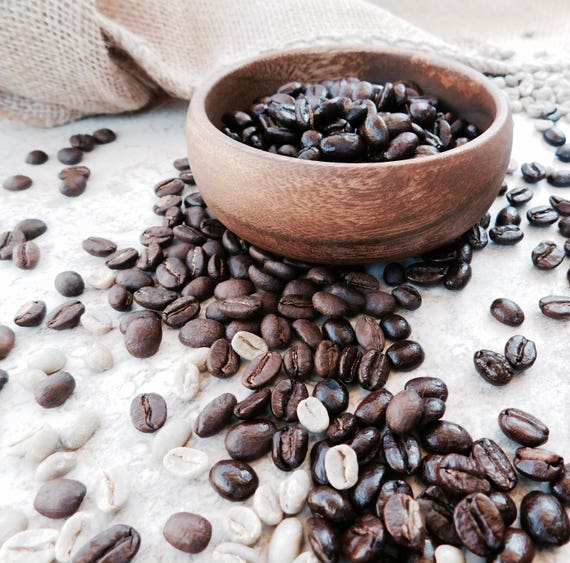
- Dry Processing (Natural Method): Traditionally used for Robusta, the coffee cherries are dried whole under the sun on raised beds or concrete patios. This allows the natural sugars from the fruit pulp to deeply infuse into the seed, resulting in a heavy-bodied coffee with intense sweetness, mild fruitiness, and low acidity. This method requires careful monitoring and turning of the cherries to prevent over-fermentation and mold development.
- Wet Processing (Fully Washed Method): Predominantly used for premium Arabica and high-grade Robusta, this method involves removing the pulp and fermenting the beans in water tanks to strip off the mucilage. The beans are then thoroughly washed and dried. This process yields a clean cup with crisp acidity and clear flavor definition, perfect for single-origin offerings. The wash process highlights the pure, unadulterated varietal characteristics of the bean.
- Honey Processing (Semi-washed): A hybrid method where the skin of the cherry is removed, but some amount of mucilage (the honey) is left on the bean during drying. This method creates a highly balanced cup, combining the rich body and sweetness of natural processing with the cleanliness of washed processing. Depending on the percentage of mucilage left on the bean, we can produce Yellow, Red, or Black Honey grades.
To satisfy modern consumer demands, we also offer specialized processing techniques, such as wet-polished Robusta, which removes the silverskin to produce a remarkably smooth cup with minimal bitterness, and anaerobic fermentation processes that unlock exotic, wine-like aroma profiles.

Technical Specifications and Quality Standards for Coffee Beans Unique SKUs
To ensure absolute consistency across international supply chains, VIHABA adheres strictly to national (TCVN) and international grading standards. Our portfolio of Coffee Beans Unique SKUs is thoroughly tested for moisture content, screen size, defect counts, and foreign matter before export. Quality control begins at the harvest level, where only red, fully ripe cherries are hand-picked, and extends through multi-stage mechanical sorting, gravity separation, and optical color sorting.
The table below highlights the standard specifications for our primary export grades, ensuring that our international B2B partners receive consistent quality across every single shipment:
| Grade Standard | Screen Size | Moisture (Max) | Black & Broken (Max) | Foreign Matter (Max) |
|---|---|---|---|---|
| Robusta Grade 1, Screen 18 Clean | Min 90% on Screen 18 (7.1mm) | 12.5% | 1.0% | 0.2% |
| Robusta Grade 1, Screen 16 Clean | Min 90% on Screen 16 (6.3mm) | 12.5% | 1.0% | 0.2% |
| Robusta Grade 2, Screen 13 | Min 90% on Screen 13 (5.0mm) | 13.0% | 5.0% | 1.0% |
| Arabica Grade 1, Screen 16 Clean | Min 90% on Screen 16 (6.3mm) | 12.0% | 1.5% | 0.1% |
By defining clear technical standards, VIHABA mitigates purchasing risks for international traders. Each batch undergoes rigorous laboratory cupping tests by certified Q-graders to verify that the aroma, acidity, body, and overall cup profile align with the buyer’s strict requirements. Our quality assurance protocol guarantees that every container loaded at our warehouses matches the pre-shipment samples approved by the client, minimizing disputes and building long-term commercial trust.
Sustainability and Supply Chain Transparency
Modern B2B coffee buyers demand more than just physical quality; they require verifiable proof of sustainability and ethical sourcing. At VIHABA, we prioritize environmental stewardship and social responsibility throughout our supply chain. We work closely with farming cooperatives to implement Good Agricultural Practices (GAP) and secure international certifications such as UTZ, Rainforest Alliance, and 4C (Common Code for the Coffee Community).
By promoting shade-grown cultivation, efficient water usage, and organic soil enrichment, we help preserve the delicate ecosystems of the Central Highlands. Furthermore, we guarantee fair compensation for our farmers, fostering long-term community development and ensuring a stable, motivated workforce that continuously produces superior coffee. Our fully transparent supply chain allows international brands to trace their coffee back to the farm of origin, establishing high consumer trust and strengthening brand reputation in demanding markets like the European Union and North America. This transparent model is particularly critical for complying with evolving international regulations, such as the EU Deforestation Regulation (EUDR), which demands strict proof of zero-deforestation origins.
Export Packaging and Logistics for Global Trade
Preserving the freshness and sensory attributes of coffee beans during long-transit ocean shipping is a major operational challenge. Coffee beans are highly hygroscopic, meaning they easily absorb moisture and odors from their surrounding environment. VIHABA employs state-of-the-art packaging solutions designed to shield the green coffee beans from humidity fluctuations, temperature spikes, and external contaminants:
- Traditional Jute Bags: 60kg high-quality food-grade jute bags, ideal for standard shipments with rapid turnover times. These bags allow the coffee to breathe during short-haul transit.
- Hermetic Bag-in-Bag Systems: Jute bags lined with high-barrier plastic liners (such as GrainPro or similar co-extruded polymers) to preserve moisture levels and prevent oxidation over long-distance maritime transport. This creates an airtight and gastight environment that preserves the green bean’s fresh crop aroma and color for up to a year.
- Bulk Container Liners: For large-volume industrial roasters, we provide customized bulk container liners that maximize container space while protecting the integrity of the cargo. This is highly efficient and significantly reduces handling costs during unloading.
Our dedicated logistics team coordinates seamlessly with major global shipping lines, managing customs clearance, export documentation (Phytosanitary certificates, Certificates of Origin Form A/B), and inland transportation to ensure on-time delivery to your destination port. We mitigate risks through real-time tracking, container desiccants, and rigorous pre-shipment inspections, guaranteeing that your imported coffee arrives in pristine condition.
Conclusion: Partnering with VIHABA for Coffee Sourcing
Navigating the complex landscape of agricultural commodity trading requires an export partner that combines deep local roots with a comprehensive global perspective. Sourcing premium Coffee Beans Unique SKUs from Vietnam provides roasters and beverage brands with a unique competitive edge, offering an ideal balance of superior taste characteristics, consistent volume, and high cost-efficiency. By choosing VIHABA, you gain access to an integrated supply chain built on trust, transparency, and strict adherence to international quality standards. Partnering with VIHABA ensures your supply chain is backed by premium-grade, ethically sourced Coffee Beans Unique SKUs tailored to your exact business needs. Contact our sales team today to request samples and discuss custom contract pricing for your next shipment.