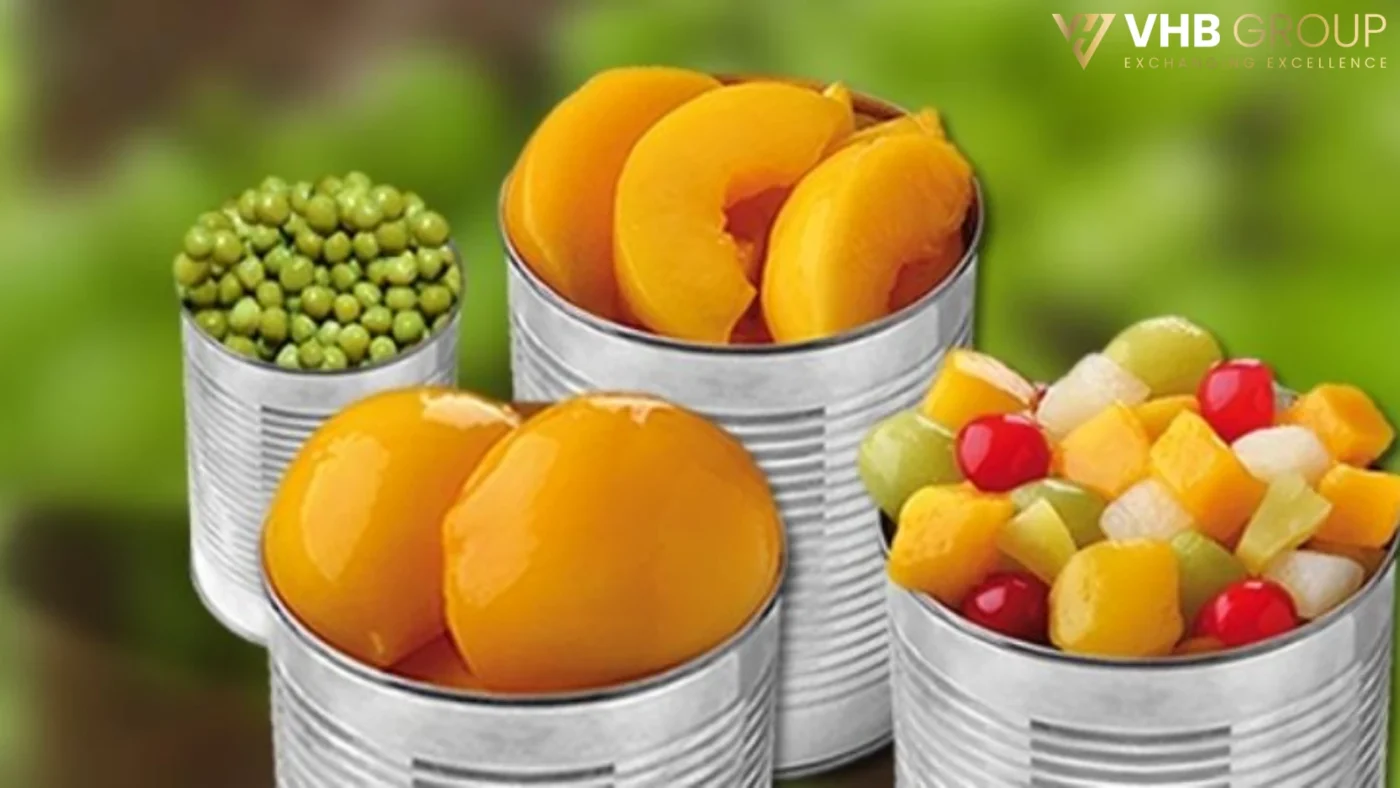
In the highly competitive global food service and retail distribution sectors, securing a reliable supply of premium Bulk Canned Fruit Special SKUs is paramount to maintaining operational efficiency and product quality. As international buyers demand higher consistency, tailored cutting sizes, and variable syrup concentrations, the agricultural export market must adapt with customized manufacturing. Meeting these dynamic industry needs requires deep supply chain integration, advanced thermal processing technologies, and rigorous adherence to global food safety standards.
For large-scale food manufacturers, commercial bakeries, and multinational catering networks, procurement is not just about purchasing a product—it is about establishing a strategic and stable flow of customized raw materials. Every physical and chemical metric must be precisely tuned to fit proprietary recipes and packaging machinery. This comprehensive guide details how modern global enterprises can optimize their procurement frameworks by working with specialized canned fruit processing facilities in emerging agricultural powerhouses like Vietnam.
- The Global Market Dynamics of Bulk Canned Fruit Special SKUs
- Vietnam’s Premium Agricultural Zones for Fruit Cultivation
- Processing Standards for Bulk Canned Fruit Special SKUs
- Global Certification, Compliance, and Food Safety
- Technical Specifications of Bulk Canned Fruit Special SKUs
- B2B Logistics, Sustainable Supply Chains, and Export Packaging
- Frequently Asked Questions
The Global Market Dynamics of Bulk Canned Fruit Special SKUs
The global demand for processed fruits has experienced a strategic pivot towards high-quality, shelf-stable, and customizable packaging formats. Industrial food producers, bakery chains, and multinational food service distributors no longer rely solely on generic, off-the-shelf canned goods. Instead, the market dictates a need for highly specific formulations—ranging from custom Brix levels for sugar-conscious markets to precise dicing profiles designed to integrate seamlessly into automated baking systems. These tailored offerings, categorized as Bulk Canned Fruit Special SKUs, represent a rapidly expanding segment of the global agricultural trade.
Several macroeconomic factors are driving this transition. Rising urbanization, busy lifestyles, and the expansion of the global HoReCa (Hotel, Restaurant, and Café) sector have escalated the need for ingredients that minimize preparation time while eliminating food waste. Furthermore, supply chain disruptions and seasonal agricultural volatility have forced purchasing managers to secure long-term, price-stable supply agreements with reliable processors. By opting for special SKUs, international buyers can lock in precise physical and chemical specifications that align exactly with their production processes, thereby eliminating processing steps at their own facilities.
Geographically, import demand remains exceptionally strong across North America, Western Europe, and key East Asian nations such as Japan and South Korea. These regions mandate strict adherence to phytosanitary regulations and low pesticide residues, meaning that successful agricultural exporters must blend raw cultivation expertise with sophisticated, high-tech processing capabilities.
Vietnam’s Premium Agricultural Zones for Fruit Cultivation
Vietnam has emerged as a premier global hub for tropical fruit cultivation, supported by diverse microclimates, fertile volcanic soils, and a long-standing agrarian heritage. The country’s unique geography allows for the year-round cultivation and harvesting of major commercial fruits, providing a continuous supply chain that minimizes raw material shortages.
The Mekong Delta, often referred to as Vietnam’s agricultural powerhouse, features rich alluvial soils deposited by the Mekong River network. This region is particularly famous for producing top-tier tropical varieties such as MD2 pineapples, Cat Chu mangoes, and red-fleshed dragon fruits. The warm, tropical temperature profiles ensure optimal fruit maturation, high natural sugar levels, and ideal acidity ratios. For importers looking to optimize their supply chain, utilizing a detailed bulk canned fruit sourcing guide can significantly streamline vendor selection and quality risk management.
Further north, provinces like Bac Giang and Hai Duong excel in cold-sensitive species like the world-renowned Thieu Lychee. These cultivation areas operate under strict agricultural supervision, increasingly shifting toward GlobalGAP (Global Good Agricultural Practices) standards. By optimizing fertilizer applications, employing biological pest control methods, and mapping water sources, Vietnamese farmers guarantee that the raw fruit entering the canning factories is safe, delicious, and highly uniform—forming the perfect foundation for high-end export products.

Processing Standards for Bulk Canned Fruit Special SKUs
Transforming freshly harvested tropical crops into premium-grade exports requires state-of-the-art facility engineering and highly controlled manufacturing parameters. The manufacturing process of our Bulk Canned Fruit Special SKUs is executed in ISO-certified plants equipped with automated washing, sorting, peeling, and cutting technologies to preserve the structural integrity of the delicate fruit cells.
The processing journey begins with rigorous raw material inspection. Fresh fruits are graded based on maturity, color, and size. After sorting, the fruits undergo multi-stage sanitizing washes using purified water. Automated peeling and coring machines ensure high yields while maintaining precise geometric uniformity for slices, chunks, dices, or tidbits. For custom SKUs, the filling medium is formulated with meticulous accuracy. Buyers can choose from heavy sugar syrup, light syrup, pear juice concentrate, or natural unsweetened juice to align with local market trends and nutritional standards.
A crucial stage in processed fruit manufacturing is the thermal treatment process. Using advanced continuous pasteurizers and sterilizers, the sealed cans are subjected to optimized temperature profiles that neutralize spoilage organisms while preserving the natural crispness, color, and nutritional value of the fruit. Rapid cooling protocols immediately follow thermal processing to prevent overcooking, ensuring that each can of fruit delivered to our B2B customers retains its premium organoleptic characteristics over a prolonged shelf life of up to 24 to 36 months.
Global Certification, Compliance, and Food Safety
In the international B2B agricultural trade, supply chain compliance is non-negotiable. Modern global food brands and grocery retailers require airtight traceability from the growing farm to the retail shelf. Vietnamese processing facilities exporting to highly regulated markets must hold internationally recognized food safety and quality management certifications.
Key standards include Hazard Analysis Critical Control Point (HACCP) and ISO 22000, which govern the systemic management of chemical, physical, and biological hazards across the manufacturing line. For entry into the lucrative North American market, full FDA registration and compliance with the Food Safety Modernization Act (FSMA) are mandatory. Furthermore, specialty markets require religious certifications such as Halal and Kosher, which verify that the processing adjuvants, sanitizing agents, and raw materials conform strictly to dietary laws. By ensuring these certifications are deeply integrated into the manufacturing process, suppliers can guarantee swift customs clearance and seamless compliance for downstream distribution networks.
Technical Specifications of Bulk Canned Fruit Special SKUs
To assist technical directors, product developers, and procurement managers in selecting the ideal product formats, we provide highly standardized raw material specifications. The table below highlights the physical and chemical parameters of our top-performing Bulk Canned Fruit Special SKUs, ensuring complete transparency and operational compatibility.
| Fruit Type | Available Cut Styles | Standard Can Sizes (A10 / Standard) | Brix Range (%) | pH Range | Primary Target Markets |
|---|---|---|---|---|---|
| MD2 Pineapple | Slices, Chunks, Tidbits, Crushed, Pizza Cut | A10 (3kg), 850g, 565g | 11 – 14% (Light) / 14 – 18% (Heavy) | 3.5 – 4.2 | Global Food Service, Bakeries, Pizzerias |
| Cat Chu Mango | Dices, Slices, Puree | A10 (3kg), 850g | 14 – 17% (In Light Syrup) | 3.8 – 4.5 | Yogurt Manufacturers, Dessert Toppings |
| Thieu Lychee | Whole Peeled & Seedless, Broken | 565g, 850g, A10 (3kg) | 14 – 18% (Heavy Syrup) | 3.5 – 4.5 | Beverage Brands, HoReCa, Asian Grocery Chains |
| Red Dragon Fruit | Dices, Balls | 565g, A10 (3kg) | 10 – 12% (In Light Syrup) | 4.0 – 4.8 | Smoothie Processing, Pastry Decoration |
Our processing units remain highly adaptable. Custom adjustments to pH values, citric acid concentrations, ascorbic acid treatments (to prevent enzymatic browning), and texture profiles can be tailored directly to match client-specific recipe requirements.
B2B Logistics, Sustainable Supply Chains, and Export Packaging
Efficient logistics and high-integrity packaging are essential to protecting heavy canned cargo during long-distance maritime transit. Given the high weight-to-volume ratio of canned agricultural products, maximizing container loading capacity while preventing package deformation is a critical operational target for exporting agencies.
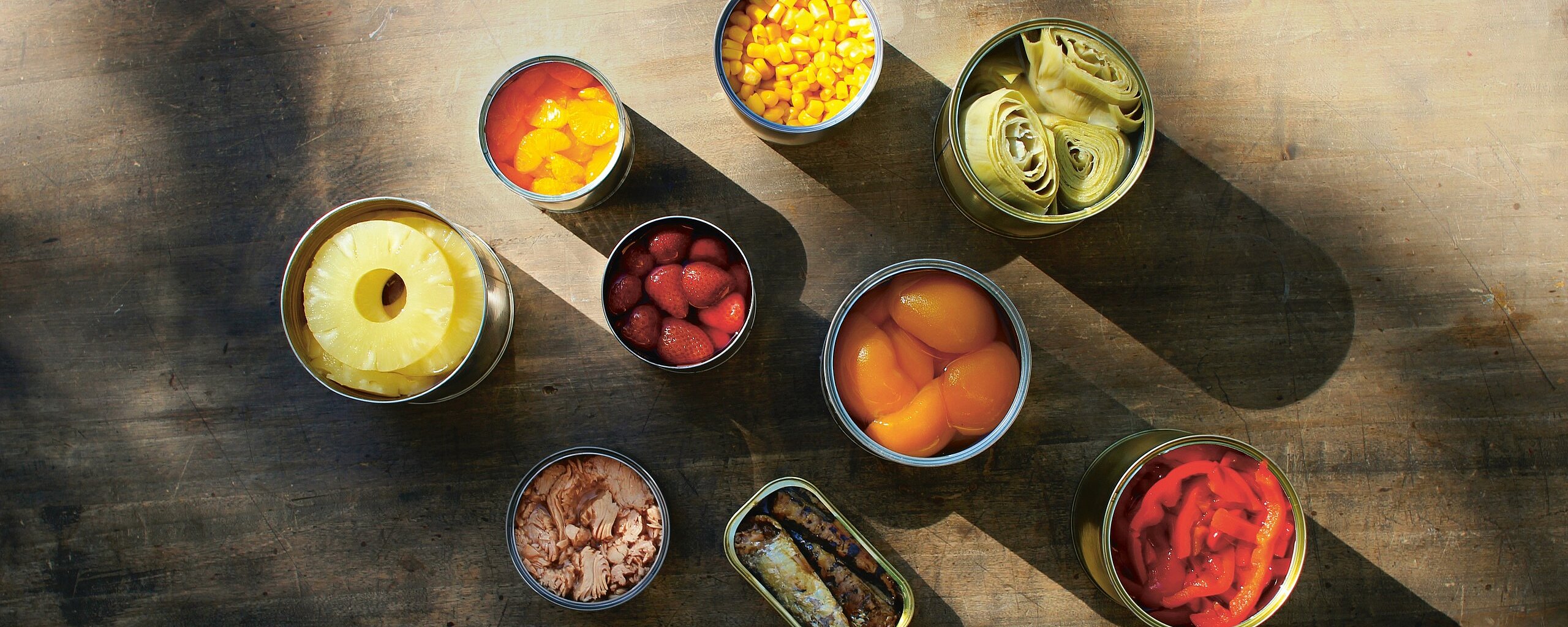
We utilize ultra-durable, food-grade tinplate cans featuring double-seamed lids to prevent micro-leakage and oxidation. To address modern consumer safety concerns, we offer advanced BPA-free lacquered inner liners that act as a superior barrier between acidic fruits and the metal can walls. Bulk quantities are typically packed in standardized corrugated cartons or directly on heavy-duty wooden pallets, secured with high-tension stretch wrapping and edge protectors. This prevents shift-induced damage during sea voyages and allows for rapid mechanical unloading at receiving warehouses.
On the environmental front, sustainability is integrated at every stage of the supply chain. We prioritize sourcing from farms practicing water conservation and chemical-free weeding. Moreover, our tinplate packaging is 100% recyclable, contributing to a circular economy model that appeals directly to eco-conscious global consumers and carbon-reduction-focused corporate clients.
Conclusion: Securing Your Supply of Bulk Canned Fruit Special SKUs with VIHABA
In conclusion, navigating the complex global landscape of agricultural importing requires more than just finding a supplier; it requires a strategic alliance with an experienced, quality-driven export partner. By capitalizing on Vietnam’s ideal agricultural conditions, state-of-the-art canning lines, and comprehensive compliance programs, VIHABA delivers the reliable, high-performance product lines necessary to fuel your brand’s growth. Sourcing your Bulk Canned Fruit Special SKUs through our vetted networks ensures that you receive highly customizable, sustainably produced, and competitively priced ingredients tailored exactly to your manufacturing needs. Partner with VIHABA today to elevate your global food supply chain, secure price stability, and guarantee premium quality for your customers.
Bulk Canned Fruit Special SKUs FAQ
Disclaimer: Unless otherwise stated, the images used in this article are the property of their respective owners. We do not claim ownership of any third-party images featured, and they are used here strictly for informational and educational purposes. If you are the copyright holder and wish to have an image removed, please contact us.