
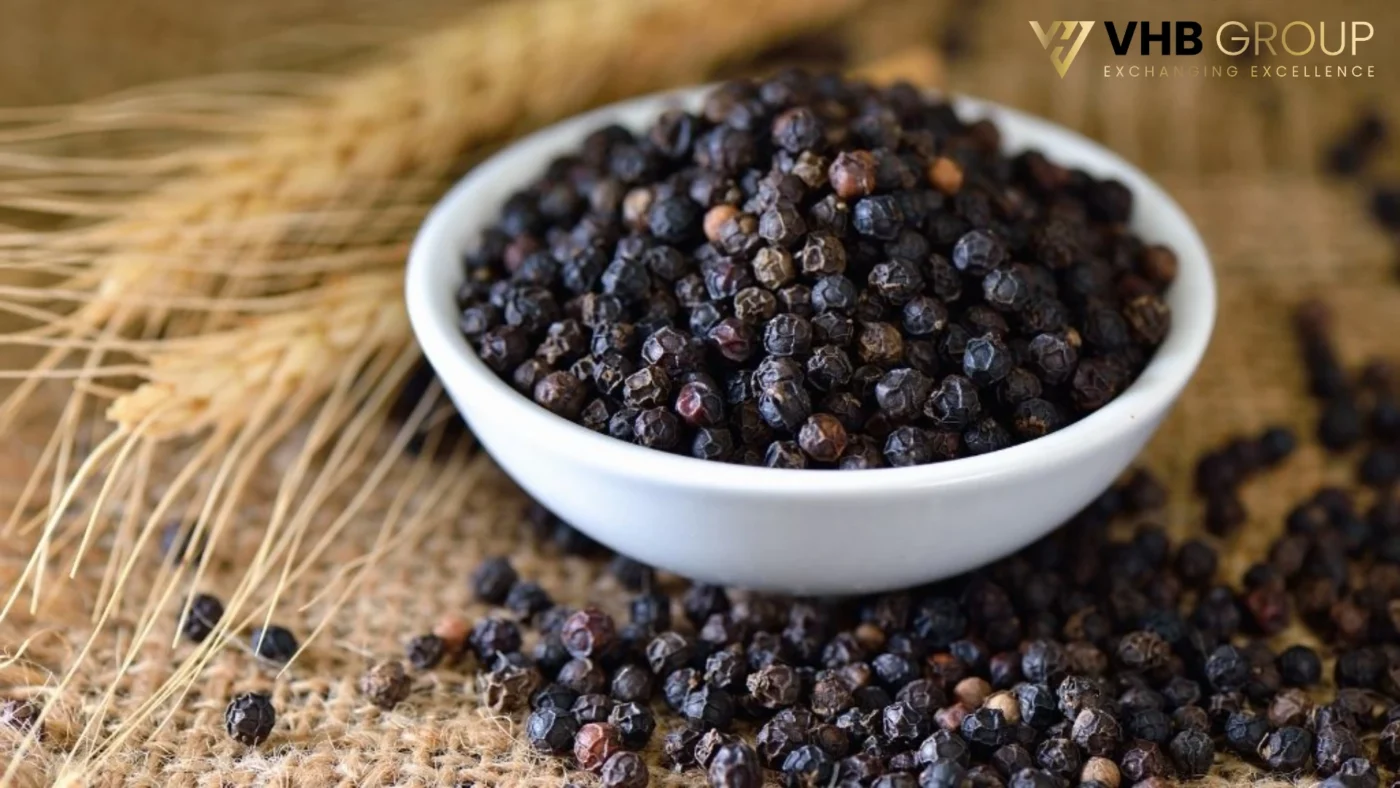
High-quality Agricultural Black Pepper serves as the foundational pillar of the global spice industry, driving value across food manufacturing, culinary arts, pharmaceuticals, and cosmetics. Derived from the perennial vine Piper nigrum, this highly sought-after commodity is widely recognized as the “King of Spices” due to its complex flavor profile, pungent aroma, and preservative properties. For B2B buyers, food processors, and international importers, navigating the complexities of agricultural sourcing, quality metrics, and international logistics is critical to maintaining product integrity and supply chain efficiency. Partnering with professional suppliers who prioritize sustainability and regulatory compliance is no longer optional—it is a baseline requirement for market success.
Understanding the nuances of processing, grading, and chemical composition allows sourcing managers to optimize their procurement strategies. Whether you are sourcing raw berries for grinding, oleoresin extraction, or retail packaging, the origin, drying methodology, and sorting processes directly dictate the value of the final product. In this comprehensive guide, we explore the intricate dynamics of the global trade of agricultural black pepper, analyzing everything from cultivation standards and chemical parameters to international logistics and risk mitigation strategies.
Understanding the Global Market for Agricultural Black Pepper
The global trade network for agricultural black pepper is dynamic, characterized by shifting production hubs, evolving regulatory frameworks, and volatile market pricing. Historically, Southeast Asia and South America have dominated the supply landscape. Vietnam stands as the undisputed titan of global black pepper exports, accounting for a significant percentage of international trade. This dominance is supported by favorable climatic conditions in regions like the Central Highlands and Southeast provinces, where rich volcanic basalt soil provides the perfect environment for healthy vine development. Other major producing nations include Brazil, India, Indonesia, and Malaysia, each offering unique flavor profiles and botanical characteristics dictated by regional microclimates.
In recent years, the market has transitioned from a volume-driven trade to a quality-driven ecosystem. Global buyers are increasingly demanding complete traceability, from the farm gate to the export terminal. This structural shift has compelled exporters to implement robust tracing systems and establish closer partnerships with smallholder farmer cooperatives. B2B enterprises that prioritize transparency in their procurement models can effectively insulate themselves from supply chain disruptions, adulteration risks, and sudden regulatory changes in importing countries such as the European Union and the United States.
Mini Table of Contents
- Understanding the Global Market for Agricultural Black Pepper
- Key Quality Grades of Agricultural Black Pepper
- Technical Specifications and Quality Standard Table
- Best Practices in Sourcing Sustainable Agricultural Black Pepper
- Post-Harvest Processing and Quality Control Systems
- Packaging, Warehousing, and Maritime Logistics
- Strategic Pricing and B2B Sourcing with VIHABA
- Frequently Asked Questions

Key Quality Grades of Agricultural Black Pepper
In international trade, agricultural black pepper is classified and priced based on objective physical and chemical metrics rather than subjective sensory feedback alone. The primary sorting metric used by exporters is bulk density, measured in grams per liter (g/l). Density is a direct indicator of berry maturity and inner kernel development; light, hollow berries yield poor flavor profiles and lower extraction rates, while heavy, fully developed berries offer rich concentrations of volatile oils and piperine. The standard export grades generally range from 500 g/l to 570 g/l and above.
In addition to bulk density, shipments are categorized based on their cleanliness and processing levels. The most common commercial classifications are Fair Average Quality (FAQ) and American Spice Trade Association (ASTA) standards. FAQ grade pepper typically undergoes basic sun drying and simple mechanical sifting, making it ideal for buyers who intend to perform further cleaning, sterilization, or grinding in their destination facilities. Conversely, ASTA grade black pepper undergoes sophisticated machinery sorting, including gravity separation, air-channel cleaning, and optical sorting, resulting in highly clean berries virtually free of extraneous matter, dust, or mold. Understanding these grades is critical to matching raw material specifications with your processing capabilities.
Technical Specifications and Quality Standard Table
To ensure alignment with international B2B buyer demands, exporter standards must remain highly rigorous. Below is the technical specification table outlining the standard quality parameters for different grades of agricultural black pepper exported globally. These metrics are strictly monitored during laboratory analysis prior to vessel loading.
| Parameter / Grade | 500 G/L FAQ | 550 G/L FAQ | 570 G/L ASTA |
|---|---|---|---|
| Bulk Density (g/l) | Minimum 500 g/l | Minimum 550 g/l | Minimum 570 g/l |
| Moisture Content (Max %) | 13.5% | 12.5% | 12.0% |
| Extraneous Matter (Max %) | 1.0% | 0.5% | 0.2% |
| Piperine Content (Min %) | 4.0% | 4.5% | 5.0% – 6.0% |
| Volatile Oil (Min %) | 1.5% | 2.0% | 2.5% |
| Moldy Berries (Max %) | 1.0% | 1.0% | 0.5% |
Best Practices in Sourcing Sustainable Agricultural Black Pepper
Sustainable agriculture has evolved from a niche corporate social responsibility goal into a core component of risk management for international spice importers. Sustainable sourcing of Agricultural Black Pepper focuses heavily on integrated soil management, pesticide reduction, biodiversity preservation, and fair compensation for smallholder farmers. Because black pepper is a vine crop prone to soil-borne root pathogens like Phytophthora capsici, historically heavy applications of synthetic fungicides and chemical fertilizers have been common. However, changing consumer preferences and strict regulatory caps on Maximum Residue Limits (MRLs) in the EU and North America have forced a complete overhaul of global farming practices.
Forward-thinking exporters prioritize sourcing models that offer farmer training programs in Integrated Pest Management (IPM). IPM replaces heavy chemical reliance with bio-rational solutions, organic fertilizers, and biological control agents like Trichoderma to protect the roots naturally. Furthermore, maintaining compliance with globally recognized certifications like GlobalGAP, Rainforest Alliance, and organic standards ensures that farming systems protect local watersheds and do not contribute to deforestation. For B2B buyers, sourcing verified sustainable pepper mitigates the risk of customs rejections due to pesticide residues, secures consistent long-term supply, and strengthens brand equity among increasingly conscious consumers.
Post-Harvest Processing and Quality Control Systems
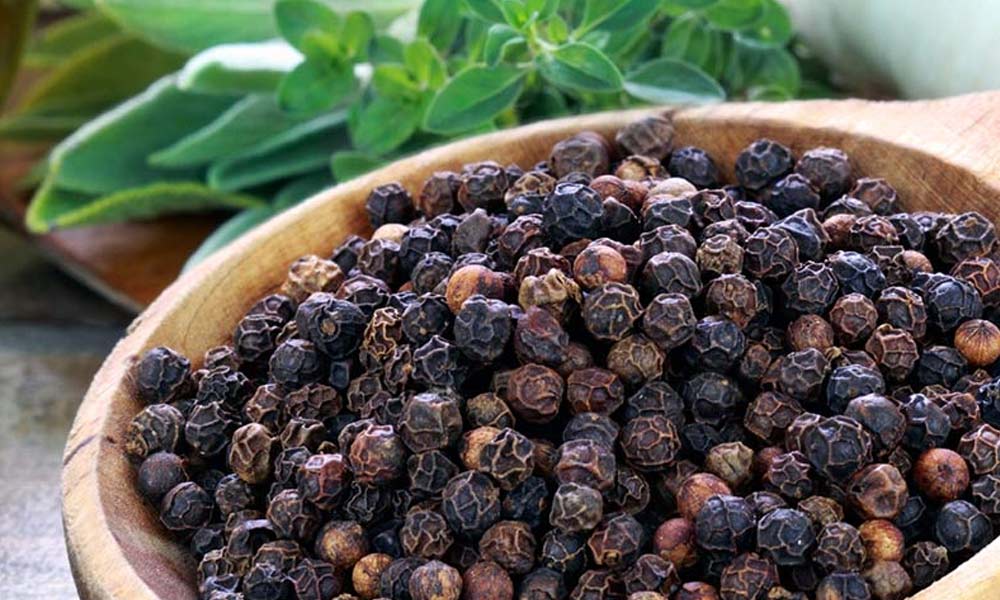
The journey from a freshly harvested green berry to a stable, export-ready black pepper is highly dependent on post-harvest processing control. Once the spikes are harvested from the vine, they are threshed to separate the individual berries from the stalks. The berries must then undergo a uniform drying process to reduce moisture content from approximately 70% to under 13% within a critical timeframe. Traditional sun drying remains popular for its low cost and natural color development, but it carries contamination risks from dust, animal activity, and airborne mold spores if not strictly managed on raised concrete drying patios.
To eliminate these environmental vectors, modern exporters utilize mechanical drying systems and automated processing facilities. Upon entering the processing plant, raw berries undergo extensive physical sorting. Vibrating screens, destoners, and magnetic separators remove foreign debris such as soil clumps, stones, and metallic contaminants. Gravity separators and optical color sorters then isolate and remove immature light berries, insect-damaged seeds, and discolored kernels. This level of automated physical refinement is what separates standard-grade pepper from pristine, export-grade products destined for demanding food manufacturing lines.
Furthermore, micro-biological safety is a key focus area in post-harvest processing. Spices naturally harbor high levels of native soil microflora, including yeasts, molds, and bacteria. Standard export-grade pepper destined for directly consumed products or seasoning blends must undergo sterilization. Steam sterilization (also known as steam pasteurization) has emerged as the premier industry standard. Unlike chemical methods such as Ethylene Oxide (ETO) or physical methods like gamma irradiation, high-pressure steam treatment eliminates pathogenic risks like Salmonella and E. coli without altering the volatile oils, aroma, or color of the pepper, complying fully with organic and clean-label standards worldwide.
Packaging, Warehousing, and Maritime Logistics
Preserving the sensory profile and chemical properties of agricultural black pepper during long-distance maritime transit is a highly technical operational challenge. The volatile essential oils responsible for pepper’s signature aroma are highly sensitive to thermal degradation, and the product itself is highly hygroscopic, meaning it easily absorbs moisture from its surrounding environment. Incorrect packaging or poor container conditions can cause moisture absorption, mold growth, and the development of musty, off-flavor profiles.
Standard export packaging consists of high-durability woven polypropylene (PP) bags, multi-wall kraft paper bags, or heavy-duty jute bags, typically packed in 25 kg or 50 kg weights. Jute bags are traditional because they allow the product to “breathe,” but they require careful humidity control during transport. For maximum protection against environmental moisture and oxidation during long ocean voyages, high-barrier plastic liner bags or vacuum-sealed bulk bags are increasingly utilized for high-value ASTA grades and steam-sterilized lots.
When loading ocean containers, exporters must actively manage the risk of “container sweat”—condensation that forms on the inner steel ceilings of ocean vessels as they pass through varying temperature zones, particularly from tropical export ports to colder western climates. To combat this, cargo holds must be dry, and the inside of containers should be lined with kraft cardboard or special condensation-absorbing blankets. Placing high-capacity silica gel desiccants (dry bags) inside the container is also a standard industry protocol. Proper container ventilation, correct stowage away from the vessel’s engine rooms, and strict pre-shipment inspections of container seals and integrity are necessary to ensure that the black pepper arrives at the destination warehouse in peak condition.
Strategic Pricing and B2B Sourcing with VIHABA
Navigating the financial aspects of agricultural black pepper procurement requires a deep understanding of agricultural commodity pricing drivers. Pepper prices are cyclical, heavily influenced by weather anomalies (such as El Niño or excessive monsoons), shifting cultivation patterns, local farmgate holding capacities, and macroeconomic factors like ocean freight volatility and currency exchange rates. Because supply cannot be quickly adjusted due to the three-to-four-year growth cycle of new pepper vines, the market can experience rapid supply squeezes and subsequent price spikes.
To insulate themselves from extreme price volatility, smart B2B buyers establish direct partnerships with fully integrated exporters who possess strong domestic supply networks. By working with a direct-from-source exporter like VIHABA, buyers bypass long broker chains, minimizing transaction costs while gaining real-time market intelligence. VIHABA provides flexible procurement contracts, customized physical specifications, and comprehensive quality assurance protocols, helping global buyers lock in competitive pricing, secure supply consistency, and ensure full compliance with target-market regulatory frameworks.
Conclusion
In summary, procuring high-grade Agricultural Black Pepper requires an in-depth understanding of quality specifications, international regulatory compliance, and robust supply chain logistics. From navigating bulk density classifications like FAQ and ASTA to implementing strict moisture controls and advanced steam sterilization, every step in the supply chain plays a critical role in preserving the quality of this valuable commodity. As global regulations tighten and consumer demand for traceable, sustainable food ingredients rises, securing a dependable, transparent sourcing partner is paramount to your brand’s growth and operational resilience.
At VIHABA, we are committed to bridging the gap between direct-from-origin agricultural excellence and your specific industrial requirements. With deep-rooted local sourcing capabilities, advanced post-harvest processing facilities, and a strict commitment to quality management systems, we provide reliable, high-purity agricultural black pepper customized to your precise B2B requirements. Contact VIHABA today to discuss your sourcing specifications, request samples, and receive a competitive wholesale quote tailored to your business needs.
Agricultural Black Pepper FAQ
Disclaimer: Unless otherwise stated, the images used in this article are the property of their respective owners. We do not claim ownership of any third-party images featured, and they are used here strictly for informational and educational purposes. If you are the copyright holder and wish to have an image removed, please contact us.