
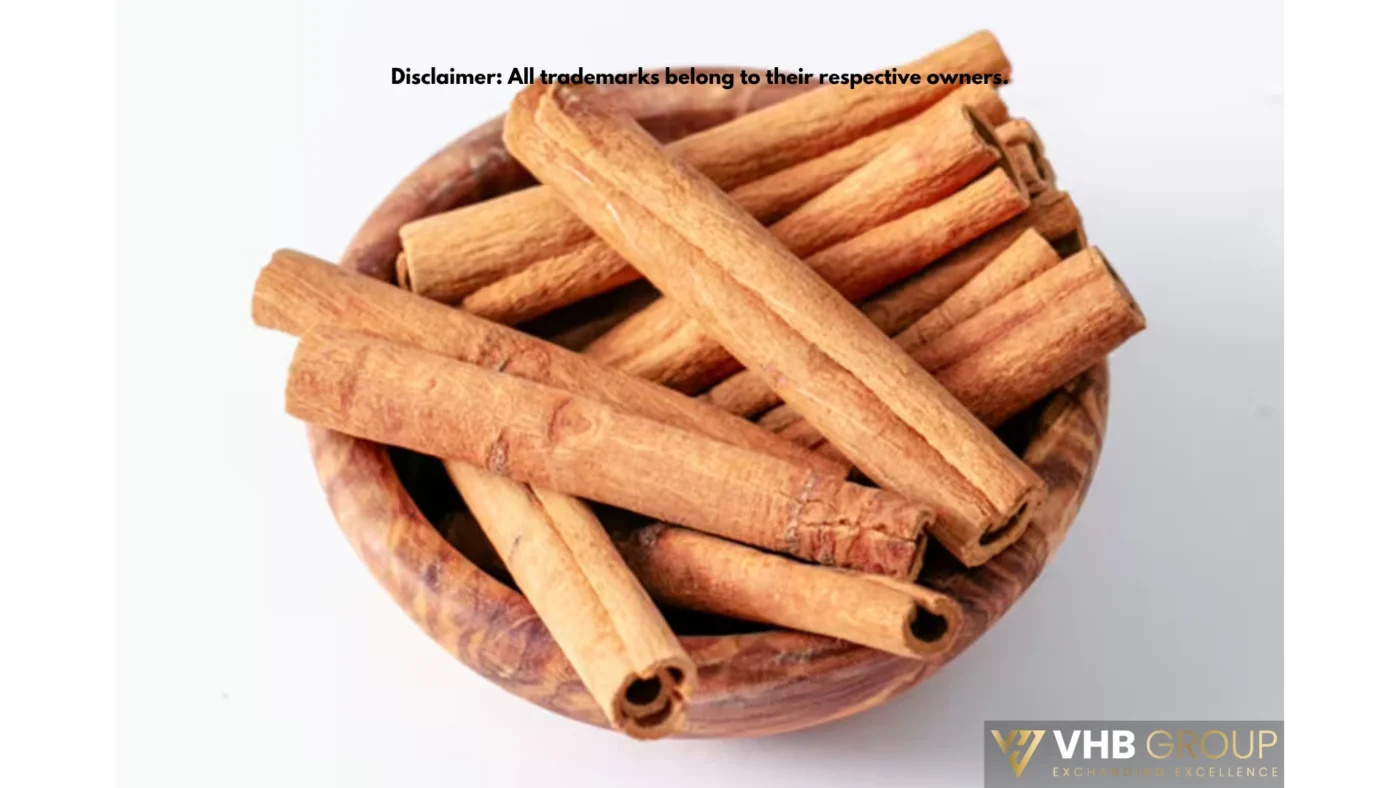
Validating Double Rolled Cinnamon Sticks Regional Origin provides commercial importers with supply chain transparency, quality assurance, and compliance traceability. As established in our pillar article on Double Rolled Cinnamon Sticks Export, premium cigar-cut cassia requires specific geographic altitudes, soil acidity, and seasonal climatic conditions to produce bark with the exact flexibility and high essential oil content needed for perfect rolling.
In this guide, VHB Group explores the primary agricultural zones in Vietnam that produce premium cassia, the environmental factors influencing bark quality, and the documentation required for origin verification.
Table of Contents

Vietnam’s Premier Cassia Growing Provinces
Vietnam is globally recognized as the premier origin for high-oil Cinnamomum cassia. The production of flexible bark suited for double rolling is concentrated in specific mountainous provinces:
Source: Image courtesy of Wikimedia Commons
-
Yen Bai Province: The undisputed heartland of Vietnamese cassia. Yen Bai’s high elevation and misty climate produce bark with exceptional volatile oil content (frequently exceeding 4.0%) and ideal pliability for hand-rolling.
-
Quang Nam Province: Known for the “Tra My” cinnamon variety, which yields slightly thicker bark with a sweeter, highly aromatic flavor profile.
-
Lao Cai Province: A rapidly expanding mountainous cultivation zone offering large-scale commercial harvests of high-grade cassia.
For broader botanical and geographic data, consult Wikipedia’s Cinnamomum cassia entry.
Terroir Effects: Altitude, Soil, and Essential Oil Yield
The concept of terroir applies heavily to Double Rolled Cinnamon Sticks Regional Origin. Cassia trees cultivated at altitudes between 500 and 800 meters above sea level experience distinct temperature fluctuations between day and night.
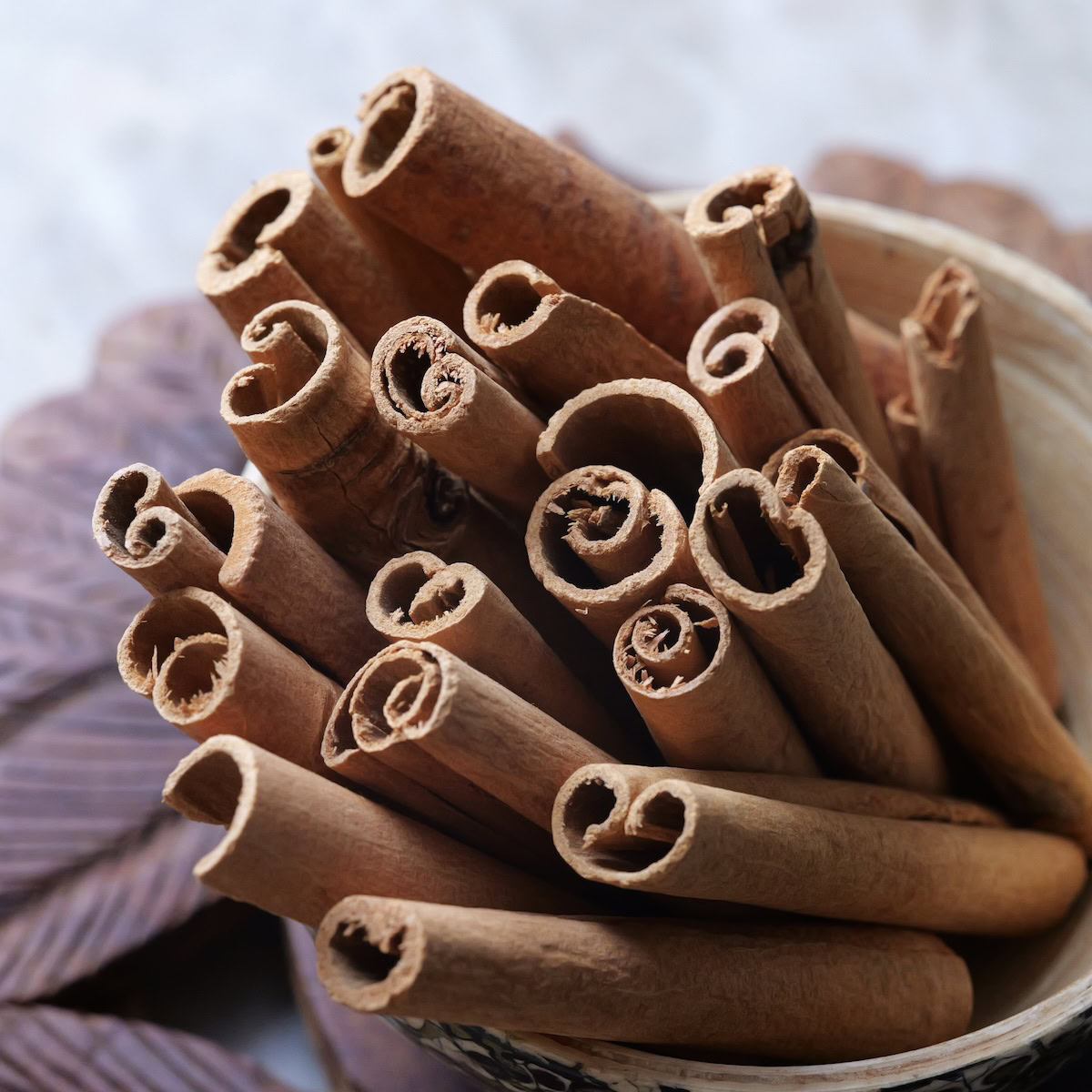
This environmental stress encourages the tree to produce higher concentrations of cinnamaldehyde—the primary defense compound and flavor molecule. Furthermore, well-drained, slightly acidic latosol soils in these regions prevent root rot and support robust bark development.
Export Port Logistics from Northern Vietnam
Because the primary cassia growing regions are located in the north, VHB Group routes commercial container exports through Haiphong Port (VNHPH).
Source: Image courtesy of Wikimedia Commons
Haiphong serves as Northern Vietnam’s premier deep-water maritime gateway, offering rapid feeder connections to global transshipment hubs like Singapore, Hong Kong, and Busan.
How to Verify Genuine Cinnamon Origin Documentation
To ensure smooth customs clearance and prove supply chain provenance to health authorities like the U.S. Food and Drug Administration (FDA), importers must secure the following documentation:
-
Certificate of Origin (Form A, Form E, or General COO): Issued by the Vietnam Chamber of Commerce and Industry (VCCI).
-
Phytosanitary Certificate: Issued by the Vietnam Plant Protection Department, confirming the shipment is free of quarantine pests.
-
Certificate of Analysis (CoA): Issued by accredited third-party labs (e.g., SGS, Eurofins) confirming essential oil content and absence of mycotoxins.

Summary of Origin Specification Metrics
| Parameter | Official Specification |
| Primary Cultivation Regions | Yen Bai, Quang Nam, Lao Cai (Vietnam) |
| Botanical Species | Cinnamomum cassia (Vietnamese Cassia) |
| Export Port of Loading | Haiphong Port (VNHPH) or Ho Chi Minh Port (VNSGN) |
| HS Code Classification | HS 0906.11 (Cinnamon and cinnamon-tree flowers, neither crushed nor ground) |
| Volatile Oil Range by Region | 3.5% to 5.0% (Yen Bai / Tra My) |
Double Rolled Cinnamon Origin FAQ
Disclaimer: Unless otherwise stated, the images used in this article are the property of their respective owners. We do not claim ownership of any third-party images featured, and they are used here strictly for informational and educational purposes. If you are the copyright holder and wish to have an image removed, please contact us.