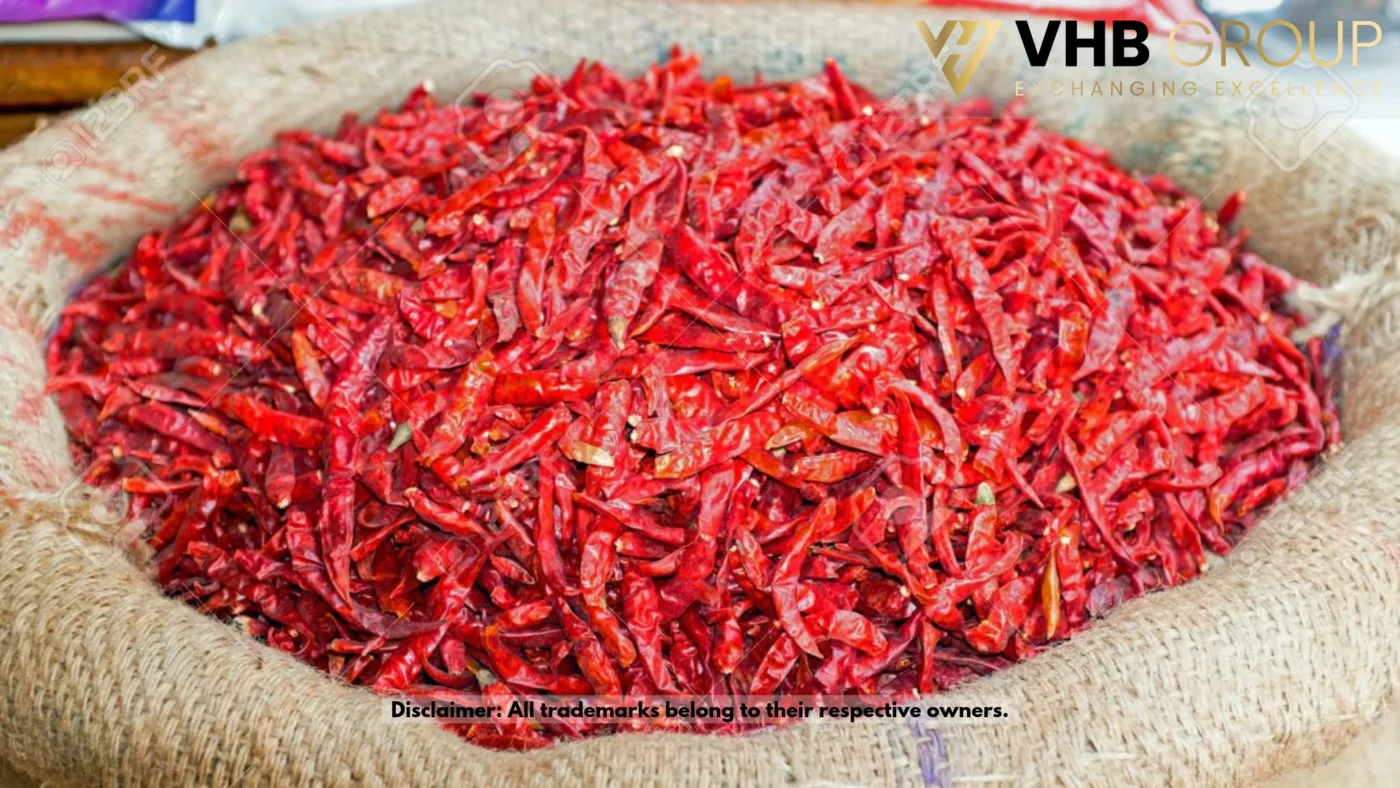
Selecting the correct Dried Red Chili Bag SKUs Wholesale Catalog formats is a critical operational step for spice importers, industrial grinders, and wholesale distributors aiming to balance volumetric container efficiency with pod protection during long-haul maritime transit. Because whole dried red chilies are lightweight, hollow, and prone to breakage if crushed—yet require breathability or strict moisture control depending on transit climate—export packing lines offer a targeted range of jute sacks, woven PP/HDPE bags, and rigid corrugated cartons.
For global procurement teams who are currently optimizing their wholesale import strategy, familiarizing yourself with the exact net weights, compression methods, and container loading capacities of these SKUs is absolutely mandatory. This knowledge allows supply chain directors to minimize per-kilogram ocean freight costs, prevent condensation sweating inside containers, and forecast accurate landed costs prior to ordering.
Table of Contents
-
Understanding the Core Industrial 10 kg / 25 kg Jute & PP Sacks
-
Corrugated Cartons and Stemless Compression Formats
-
Master Logistics for Dried Red Chili Bag SKUs Wholesale Catalog
-
How Packaging Protects Color and Prevents Condensation
-
Logistics and SKU Optimization

Understanding the Core Industrial 10 kg / 25 kg Jute & PP Sacks
The foundation of any B2B whole-chili import portfolio begins with the global industry workhorses: durable jute (gunny) sacks and woven polypropylene (PP/HDPE) bags. Designed specifically for industrial spice mills and bulk traders, these formats allow gentle mechanical compression during container stuffing to maximize tonnage.
View Whole Stemless Red Chili Reference on Wikimedia Commons
The 10 kg, 15 kg, and 25 kg Woven PP / Jute Sacks
The absolute flagship SKUs for international dried red chili trade are 10 kg, 15 kg, 20 kg, and 25 kg sacks constructed from food-grade jute or woven PP/HDPE. Jute sacks are traditionally favored for regional and dry-climate trade because their natural weave allows minor air circulation, preventing trapped condensation. Woven PP/HDPE sacks offer superior tear resistance and cleaner handling (zero jute fiber shedding), making them preferred by modern spice grinders and food processors.

Corrugated Cartons and Stemless Compression Formats
To serve strict European and North American food-safety facilities as well as ethnic retail repackers who require pristine, unbroken whole pods, export mills offer rigid secondary packaging formats.
10 kg / 15 kg 5-Ply Corrugated Cartons
For buyers shipping to BRC/SQF-certified food plants or gourmet retail repackers where pod breakage must be kept below 2–3%, whole dried chilies are packed into 10 kg or 15 kg heavy-duty 5-ply corrugated cartons. Cartons shield the brittle, dehydrated pods from crushing under stacked pallets and block 100% of UV light, which preserves vibrant ASTA red pigment during warehouse storage.
Master Logistics for Dried Red Chili Bag SKUs Wholesale Catalog
When procuring whole dried red chilies in bulk, buyers must plan around their exceptionally low bulk density. Because hollow pods contain significant air volume, a standard 20ft dry container typically loads only ~7 metric tons, whereas a 40ft container loads ~14 metric tons.
| SKU Variant | Net Weight | Packaging Construction | Typical 40ft FCL Load | Primary Distribution Channel |
| Woven PP / HDPE Sack | 10 kg / 25 kg | Heavy Woven PP/HDPE Bag | ~14 MT (560 x 25 kg) | Industrial Grinders, Extractors |
| Natural Jute Sack | 10 kg / 25 kg | Food-Grade Breathable Jute | ~13–14 MT | Regional Wholesalers, Traders |
| Export Carton | 10 kg / 15 kg | 5-Ply Corrugated Carton | ~11–13 MT | EU/US Cleanroom & Retail Repackers |

How Packaging Protects Color and Prevents Condensation
Ocean containers crossing tropical sea lanes experience severe day-to-night temperature swings, which can trigger “container rain” (condensation). If dried red chilies absorb moisture during transit, moisture levels spike above 12%, rapidly triggering mold and aflatoxin rejection at destination customs. Exporters mitigate this by stuffing pre-cooled, low-moisture pods into dry containers lined with heavy-duty kraft paper and hanging calcium-chloride desiccant poles along the container walls.
Logistics and SKU Optimization
Mastering the catalog of available bulk bag SKUs is the baseline for executing a highly profitable international spice import strategy. By utilizing 40ft High Cube containers, opting for stemless pods to eliminate dead-weight freight on stalks, and selecting woven PP sacks or 5-ply cartons matched to destination plant requirements, procurement directors maximize landed-cost efficiency.
Dried Red Chili Bag SKUs FAQ
Disclaimer: Unless otherwise stated, the images used in this article are the property of their respective owners. We do not claim ownership of any third-party images featured, and they are used here strictly for informational and educational purposes. If you are the copyright holder and wish to have an image removed, please contact us.