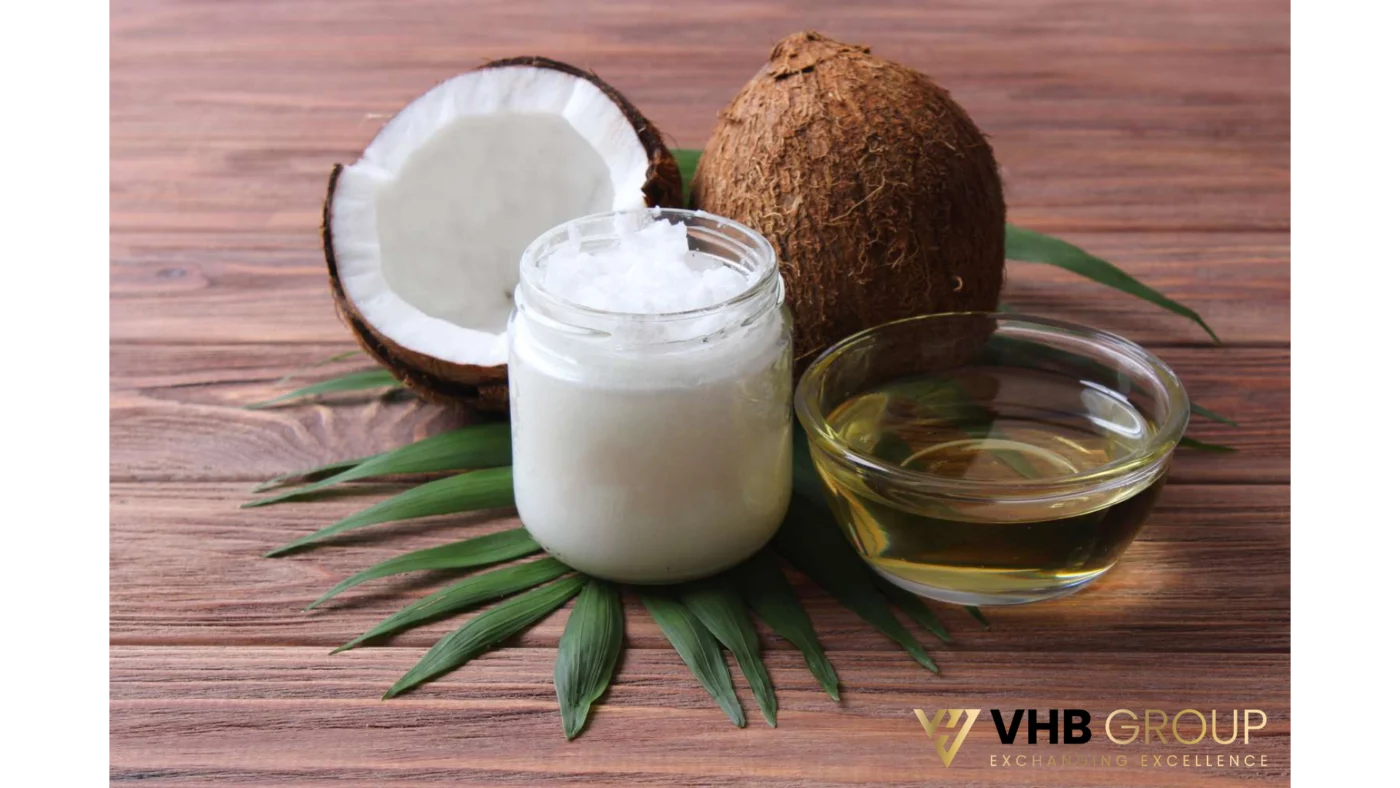
Developing a resilient and highly optimized Bulk Coconut Oil Distribute Channel is one of the most critical decisions for global B2B buyers looking to secure high-quality ingredients for food, cosmetic, and pharmaceutical applications.
As the global shift toward clean-label ingredients, plant-based diets, and sustainable raw materials continues to accelerate, the demand for high-grade coconut oils has reached unprecedented levels. To successfully navigate this complex global market, importers must understand the entire supply chain, from agricultural sourcing and extraction methods to international quality standards and logistical execution.
Table of Contents
- Global Market Overview for Coconut Oil
- Vietnam’s Premier Coconut Cultivation Regions
- Processing Methods: Virgin vs. RBD Coconut Oil
- International Quality Standards and Certifications
- Packaging and Logistics for Bulk Export
- Optimizing Your Bulk Coconut Oil Distribute Channel
- Frequently Asked Questions (FAQs)
- Conclusion: Partnering with VIHABA for Long-Term Success
Global Market Overview for Coconut Oil
The global coconut oil market is undergoing a period of robust expansion. Valued at over USD 5 billion, industry analysts project a steady compound annual growth rate (CAGR) of 5.5% over the next decade. This growth is driven by dual-engine demand: the food and beverage industry’s continuous appetite for healthy fats, and the cosmetics sector’s reliance on natural, plant-based emollients.
Geographically, consumption is concentrated in North America and Western Europe, where consumers actively seek out non-GMO, organic, and clean-label products. However, the production of high-quality coconut oil remains highly concentrated in Southeast Asia, particularly in the tropical archipelagoes of the Philippines, Indonesia, and the fertile coastal plains of Vietnam. For international buyers, establishing a direct connection to these primary manufacturing hubs is essential to securing stable pricing and mitigating the risks associated with multi-tiered distribution networks.
Moreover, the rise of conscious consumerism has elevated the importance of ethical sourcing. Modern B2B buyers are no longer just looking at product specifications; they demand complete transparency regarding fair-trade practices, environmental impact, and carbon emissions associated with maritime transport. Understanding these market dynamics is the first step in creating a modern procurement strategy.
Vietnam’s Premier Coconut Cultivation Regions
When analyzing Southeast Asian agricultural hubs, Vietnam stands out as a highly competitive and agriculturally rich origin for coconut derivatives. The country’s primary coconut production is concentrated in the Mekong Delta, with Ben Tre Province widely recognized as the ‘Coconut Capital’ of Vietnam.
Ben Tre benefits from an extraordinary natural ecosystem. The province is situated between several major branches of the Mekong River, resulting in deep, mineral-rich alluvial soils. The brackish water conditions typical of the delta, combined with consistent tropical temperatures and high humidity, provide the absolute ideal microclimate for coconut palms. These environmental factors ensure that Vietnamese coconuts exhibit an exceptionally high concentration of lauric acid and an optimal oil yield per nut.
In recent years, Vietnamese farmers have rapidly shifted toward sustainable agricultural practices. Collaborations between local agricultural cooperatives and exporters like VIHABA have led to the widespread adoption of GlobalGAP and USDA Organic standards. By investing in soil health, eliminating chemical pesticides, and utilizing natural irrigation methods, Vietnam has established itself as a premium origin for clean-label, high-purity coconut oil. For a deeper dive into the specific dynamics of Vietnamese procurement, refer to our comprehensive coconut oil bulk wholesale sourcing guide.
Processing Methods: Virgin vs. RBD Coconut Oil
Understanding processing methods is critical for matching product characteristics with your specific manufacturing requirements. Coconut oil is broadly classified into two primary categories: Virgin Coconut Oil (VCO) and Refined, Bleached, and Deodorized (RBD) Coconut Oil.
Virgin Coconut Oil (VCO) Extraction
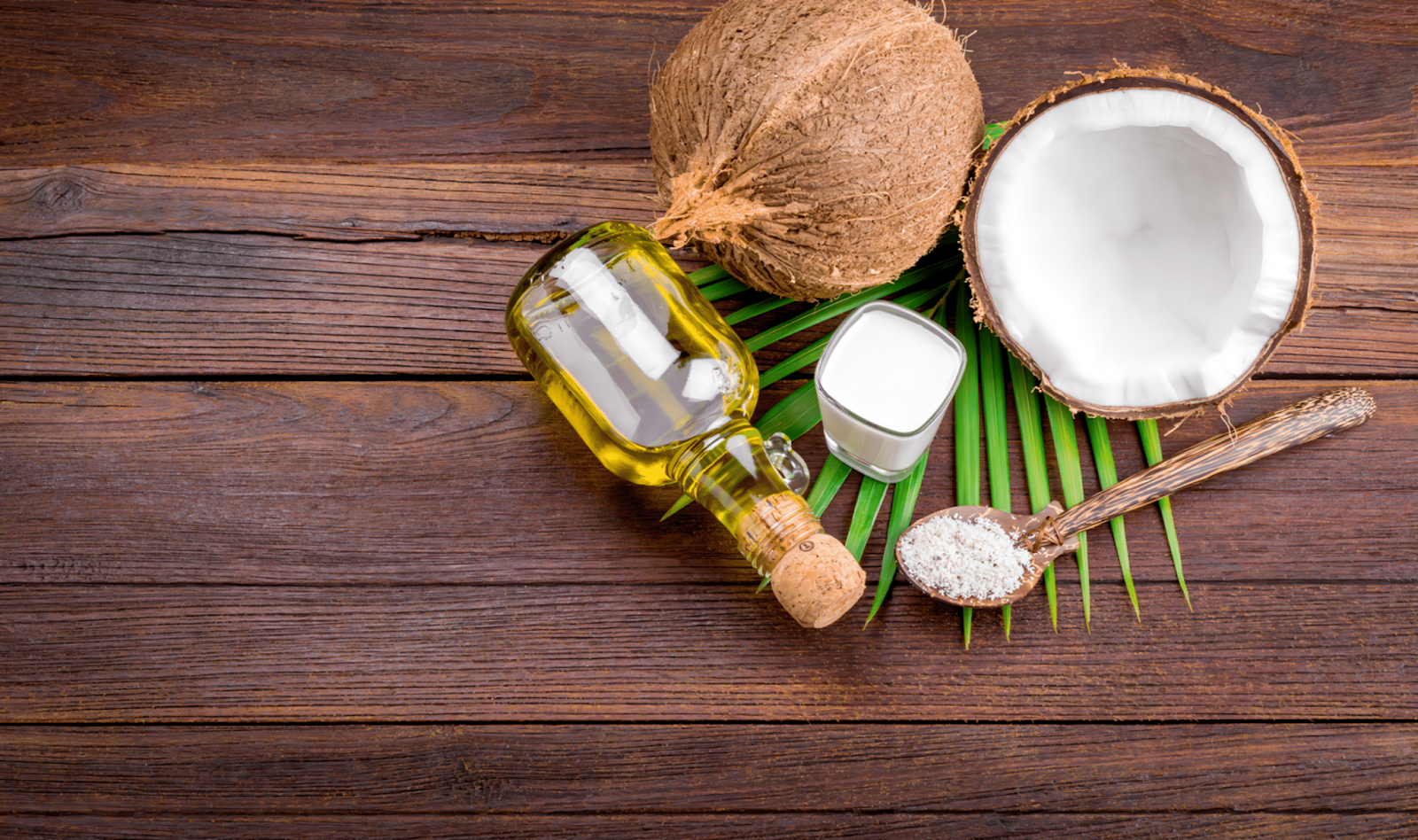
VCO is extracted from fresh, mature coconut meat without the application of high heat or chemical solvents. The two main extraction techniques are cold-pressing and centrifugal separation. In the cold-press method, the coconut meat is dehydrated and mechanically pressed at temperatures strictly controlled below 60 degrees Celsius. In the centrifugal method, fresh coconut milk is subjected to rapid rotation, separating the oil from the water phase naturally.
The result is a highly pure, clear oil that retains the distinct, pleasant aroma and flavor of fresh coconuts. Because it undergoes minimal processing, VCO preserves its natural bioactive compounds, including antioxidants, polyphenols, and medium-chain triglycerides (MCTs), making it highly coveted in high-end cosmetic formulations and premium health food products.
RBD Coconut Oil Processing
RBD Coconut Oil, on the other hand, is processed from copra (dried coconut kernels). Because copra drying is often carried out in rustic environments, the crude oil extracted from it contains impurities, high acidity, and a dark color. To make it fit for consumption, the oil must undergo refining, bleaching, and deodorization (RBD).
During refining, free fatty acids are removed using physical or chemical neutralization. The bleaching phase utilizes natural activated clay to remove color pigments and microscopic impurities. Finally, the oil is deodorized through steam distillation under a vacuum, removing all volatile odor compounds. The resulting RBD oil is completely clear, odorless, and tasteless, with a significantly elevated smoke point (232 degrees Celsius / 450 degrees Fahrenheit). This makes RBD oil the preferred choice for industrial baking, high-heat frying, and cosmetic formulations where a coconut scent would conflict with the final product’s fragrance profile.
Technical Comparison of Virgin and RBD Coconut Oil
The following table outlines the typical chemical and physical specifications of export-grade Virgin and RBD Coconut Oils sourced from Vietnam:
| Parameter | Virgin Coconut Oil (VCO) | RBD Coconut Oil |
|---|---|---|
| Appearance | Clear, colorless liquid (above 24°C) | Pale yellow to clear liquid (above 24°C) |
| Aroma & Flavor | Distinct fresh coconut aroma | Odorless and bland flavor |
| Free Fatty Acids (as Lauric) | Max 0.1% | Max 0.05% – 0.1% |
| Moisture & Impurities | Max 0.1% | Max 0.1% |
| Lauric Acid Content | 48% – 53% | 45% – 50% |
| Peroxide Value | Max 3.0 meq/kg | Max 1.0 meq/kg |
| Smoke Point | 177°C (350°F) | 232°C (450°F) |
International Quality Standards and Certifications
For industrial buyers, navigating customs and meeting regional safety standards requires strict adherence to international quality protocols. When importing coconut oil into major markets like the United States, the European Union, and East Asia, having a fully certified supply partner is mandatory.
Key certifications that must be verified within your supply chain include:
- ISO 22000 & FSSC 22000: These represent the gold standard for food safety management systems, ensuring that hazards are identified, monitored, and controlled throughout the manufacturing process.
- HACCP (Hazard Analysis Critical Control Point): A foundational preventive system that addresses biological, chemical, and physical hazards from raw material production to finished goods.
- USDA Organic & EU Organic: Crucial for clean-label brands. These certifications guarantee that no synthetic fertilizers, chemical pesticides, or genetically modified organisms (GMOs) were used at any point in the agricultural or processing cycle.
- Halal & Kosher: Dietary certifications that open doors to diverse consumer demographics globally, confirming that processing practices comply with religious laws.
VIHABA prioritizes these certifications, conducting regular internal audits and external inspections to ensure that every shipment of coconut oil leaving Vietnamese ports meets or exceeds these rigorous international standards.
Packaging and Logistics for Bulk Export
Coconut oil behaves differently than many other vegetable oils due to its physical chemistry. It has a melting point of approximately 24 degrees Celsius (75 degrees Fahrenheit). Below this temperature, it solidifies into a dense white fat; above it, it liquefies into a clear oil. This characteristic poses unique logistical challenges that must be addressed during transit.
Bulk Packaging Formats
Depending on your manufacturing setup and unload capabilities, several packaging options are available:
- Flexitanks: This is the most cost-effective packaging for high-volume liquid shipments. A single-use, heavy-duty food-grade bladder is installed inside a standard 20-foot container, allowing for the transport of up to 24,000 liters of liquid coconut oil. Flexitanks eliminate the risk of cross-contamination and maximize volume efficiency.
- IBC Totes (Intermediate Bulk Containers): Holding 1,000 liters, IBC totes are highly versatile. They can be manufactured from rigid plastic or heavy-duty collapsible paperboard. Totes are ideal for facilities with moderate consumption rates or those lacking specialized liquid discharge systems.
- Steel or Plastic Drums: The traditional export standard, drums hold approximately 200 liters (190 kg net weight). They are highly durable, easy to maneuver with standard warehouse equipment, and can be stacked to optimize warehouse space.
Managing Temperature-Sensitive Transit
When shipping coconut oil from tropical Vietnam to colder climates, such as Europe or North America during winter, solidification will occur during transit. To discharge the oil efficiently at its destination, heating solutions must be planned in advance.
For flexitanks and IBC totes, exporters can install cargo heating pads (either steam or electric heater pads) underneath the bladders prior to loading. Once the container arrives at the destination port, low-pressure steam or hot water is circulated through the heating pad for 4 to 6 hours, gently melting the solidified oil back into a pumpable liquid state without scorching or damaging the product quality.
Optimizing Your Bulk Coconut Oil Distribute Channel
To maximize profitability, enhance product traceability, and guarantee physical supply security, structuring a direct and efficient Bulk Coconut Oil Distribute Channel is paramount.
Traditional sourcing networks are often cluttered with multiple layers of middlemen, including local brokers, regional collectors, independent processors, and international trading desks. Each of these intermediaries adds a markup while reducing the buyer’s visibility into the farm-level source. This lack of transparency can lead to inconsistent product quality, unpredictable lead times, and sudden price fluctuations.
By partnering with a vertically integrated exporter like VIHABA, you establish a direct channel that connects your manufacturing facilities directly to the processing mills of Ben Tre. VIHABA manages the entire process: maintaining direct relationships with certified organic farming cooperatives, overseeing the milling and refining processes, managing rigorous quality control, and executing complex maritime logistics. This streamlined distribution model ensures that you receive fresh-milled oil, stable year-round pricing, and a highly responsive partner capable of adapting packaging formats and delivery schedules to match your production cycles.
Conclusion: Partnering with VIHABA for Long-Term Success
Sourcing raw materials on a global scale requires more than just finding a supplier; it requires establishing a robust, sustainable, and highly optimized supply chain. By understanding the regional advantages of Vietnamese coconut cultivation, selecting the appropriate processing methods, and demanding strict adherence to international quality certifications, B2B buyers can safeguard their brands from supply disruptions and quality volatility.
As a leading agricultural exporter in Vietnam, VIHABA is committed to acting as your premier Bulk Coconut Oil Distribute Channel. We combine deep local agricultural expertise with international logistics capabilities to deliver superior Virgin and RBD coconut oils tailored to your industrial needs. Contact our B2B trade specialists today to discuss your specifications, request samples, and build a resilient supply chain for your global operations.