Global Market Dynamics and Sourcing Bulk Coconut Oil Facts
When sourcing agricultural commodities, understanding the essential Bulk Coconut Oil Facts is critical for food manufacturers, cosmetic brands, and industrial buyers seeking premium quality and competitive pricing. The global demand for coconut oil has surged exponentially over the past decade, driven by food, cosmetic, and pharmaceutical industries seeking clean-label, plant-based alternatives.
Coconut oil, rich in medium-chain triglycerides (MCTs) such as lauric acid, serves as a highly versatile raw material. For any B2B buyer, analyzing primary global supply patterns and understanding key bulk coconut oil facts is the first step toward building a resilient, cost-effective supply chain. For a deeper, more operational dive into procurement, you can also consult our strategic coconut oil bulk wholesale sourcing guide, which details negotiation techniques and logistics planning.
Currently, Southeast Asia dominates the global export market, with countries like the Philippines, Indonesia, and Vietnam leading the charge. Vietnam, in particular, has emerged as a powerhouse due to its rapid modernization of processing facilities, highly favorable tropical climate, and competitive trade policies. Global buyers must pay close attention to supply chain transparency, direct-from-farm traceability, and processing standards. These factors directly influence bulk pricing, freight reliability, and chemical stability during international maritime transport. As industrial buyers look to secure long-term supply contracts, evaluating technical grades, certification standards, and logistical parameters represents the cornerstone of successful importing.
Table of Contents
- Global Market Dynamics and Sourcing Bulk Coconut Oil Facts
- Cultivation Regions in Vietnam: The Heart of Premium Production
- Industrial Processing Methods: Crucial Bulk Coconut Oil Facts
- International Quality Standards and Certifications
- Technical Specifications of Bulk Coconut Oil Grades
- Export Packaging and Logistics Solutions
- Frequently Asked Questions About Bulk Coconut Oil Facts
- Conclusion: Navigating the Bulk Coconut Oil Facts with VIHABA
Cultivation Regions in Vietnam: The Heart of Premium Production
Vietnam’s unique geography plays a critical role in the superior quality of its coconut crop. The Mekong Delta region, specifically Ben Tre Province, acts as the absolute epicenter of Vietnamese coconut cultivation. Ben Tre boasts over 70,000 hectares of coconut groves, benefiting from distinct ecological advantages that directly translate into premium oil yields and superior nutritional profiles.
Ben Tre Province: The Coconut Kingdom
The brackish soil of Ben Tre, enriched annually by alluvial deposits from the Mekong River, creates the ideal growing conditions for coconut palms. This unique soil profile ensures that the coconuts produced here have a high oil content, a rich concentration of lauric acid, and a naturally sweet, clean aroma. For B2B buyers evaluating options, this geographic advantage guarantees a higher-quality raw material than crops grown in poorer, less irrigated soils elsewhere in the region. The natural salinity and steady tropical sunshine of the Mekong Delta produce coconuts with highly stable oil compositions, lowering the risk of early oxidation and rancidity in bulk storage.
Sustainable Agricultural Practices
Sustainability is no longer a corporate luxury; it is a market entry requirement. Vietnamese coconut farmers, backed by export enablers like VIHABA, are increasingly transitioning to organic cultivation methods. By minimizing chemical pesticide usage, utilizing natural fertilizers, and implementing integrated pest management systems, these farms meet strict USDA Organic, EU Organic, and GlobalGAP standards. Partnering with a supplier that maintains direct relationships with these farming cooperatives ensures complete vertical integration, social responsibility, and peace of mind for international buyers seeking ethically sourced commodities.
Industrial Processing Methods: Crucial Bulk Coconut Oil Facts
One of the most important Bulk Coconut Oil Facts that buyers must master is the difference in industrial processing methodologies. The method of extraction dictates the oil’s final chemical structure, shelf life, aroma, and suitability for specific commercial applications. Understanding these distinctions is critical for optimizing formulation performance and managing cost structures.
Extra Virgin (Cold-Pressed) Coconut Oil Extraction
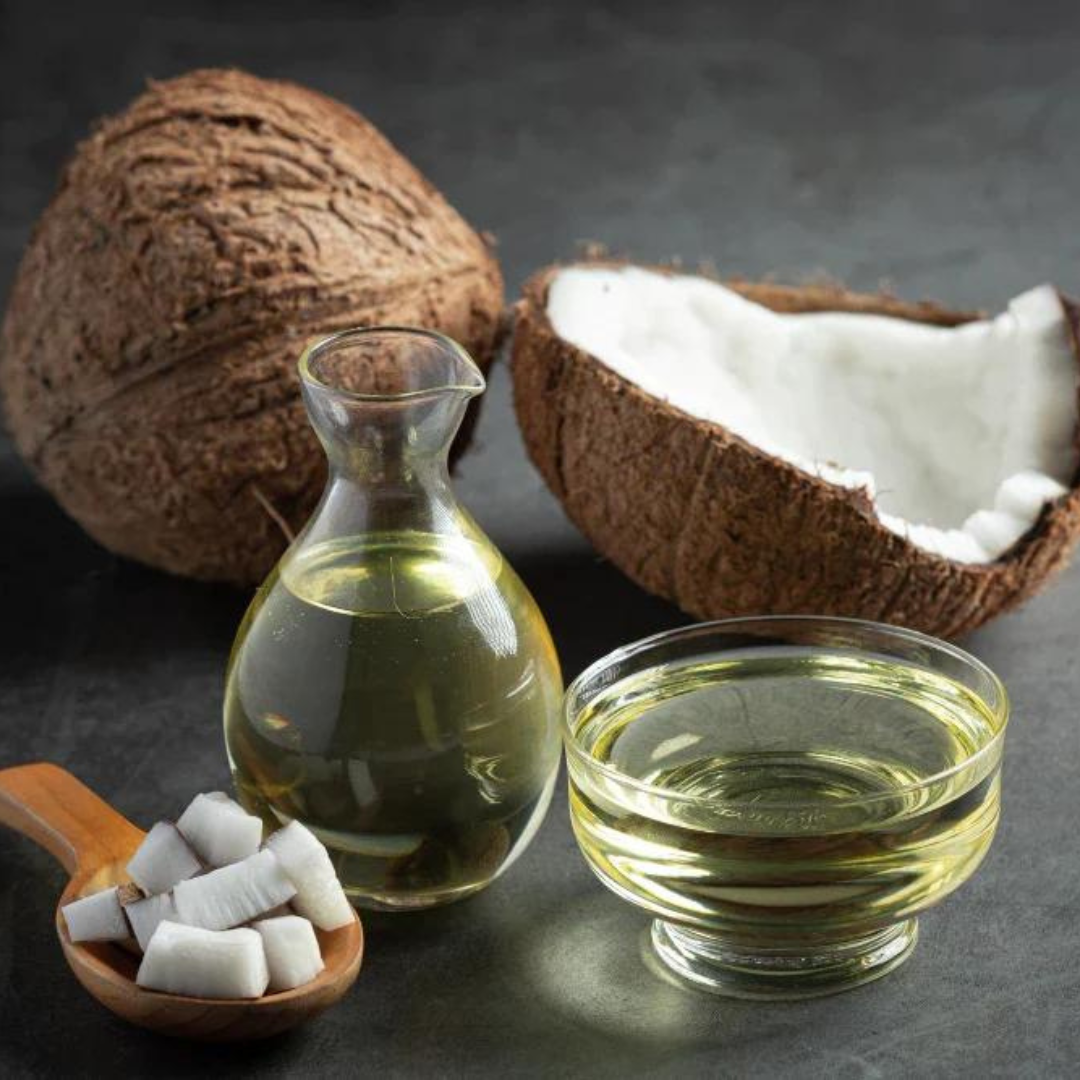
Extra Virgin Coconut Oil (VCO) is processed directly from fresh, mature coconut meat without using high heat, chemical solvents, or synthetic preservatives. This is achieved through two main industrial pathways: cold-pressing (expeller extraction) or centrifugal separation. Because the process is entirely mechanical and temperature-controlled (kept below 49 degrees Celsius or 120 degrees Fahrenheit), the oil retains its natural active biological components. These include high levels of vitamin E, active polyphenols, and a distinct, sweet coconut aroma. VCO is highly sought after by cosmetic manufacturers, premium food brands, and pharmaceutical companies for its purity, moisturizing properties, and clean-label appeal.
Refined, Bleached, and Deodorized (RBD) Processing
For industrial food production, commercial baking, cosmetic bases, and chemical manufacturing, RBD coconut oil is the preferred high-volume option. Made from high-quality dried coconut kernels (copra), the raw oil undergoes a multi-stage physical refining process. First, it is degummed to remove soluble impurities. Next, it is bleached using natural activated clay filters to eliminate pigmentation and dark hues. Finally, it undergoes steam deodorization under a high vacuum to eliminate any odor and flavor. The resulting RBD oil is completely neutral in taste, odor-free, and has a significantly higher smoke point of approximately 232 degrees Celsius (450 degrees Fahrenheit). This makes it incredibly stable for frying, baking, chemical processing, and long-term shelf storage.
International Quality Standards and Certifications
When executing bulk import contracts, verifying certifications is the single best way to mitigate quality risks and guarantee regulatory compliance. Global buyers must insist on testing protocols that comply with recognized international frameworks. Premium exporters ensure every batch undergoes rigorous third-party testing (by globally accredited laboratories such as SGS, Bureau Veritas, or Eurofins) to guarantee compliance with the following international frameworks:

- HACCP & ISO 22000: Ensures maximum food safety management, hazard identification, and quality assurance throughout the processing and packaging line.
- GlobalGAP: Certifies good agricultural practices at the farm level, guaranteeing environmental sustainability, resource management, and worker welfare.
- Halal & Kosher: Crucial for food manufacturers targeting specific religious consumer demographics and expanding global market access.
- Non-GMO Project Verified: Validates that the coconuts are completely free of genetic modification, aligning with modern clean-label demands in North American and European markets.
Technical Specifications of Bulk Coconut Oil Grades
To help procurement teams make technical evaluations and assess performance compatibility, the table below outlines the core differences between Premium Extra Virgin Coconut Oil and Industrial RBD Coconut Oil sourced from Vietnam.
| Parameter | Virgin Coconut Oil (VCO) | Refined, Bleached, Deodorized (RBD) | Test Method Reference |
|---|---|---|---|
| Moisture & Volatile Matter | Max 0.1% | Max 0.1% | AOCS Ca 2c-25 |
| Free Fatty Acids (as Lauric) | Max 0.1% | Max 0.08% | AOCS Ca 5a-40 |
| Peroxide Value | Max 3.0 meq/kg | Max 1.0 meq/kg | AOCS Cd 8-53 |
| Lauric Acid Content | 48% – 53% | 47% – 52% | Gas Chromatography |
| Iodine Value | 5.0 – 11.0 g I2/100g | 6.0 – 11.0 g I2/100g | AOCS Cd 1-25 |
| Saponification Value | 250 – 265 mg KOH/g | 250 – 264 mg KOH/g | AOCS Cd 3-25 |
| Appearance & Color | Clear, colorless liquid | Pale yellow to clear | Visual / Lovibond |
| Odor & Flavor | Fresh coconut aroma | Odorless and bland | Organoleptic |
Export Packaging and Logistics Solutions
Efficient shipping and logistics represent the backbone of global B2B supply chains. Coconut oil presents unique logistical challenges because of its physical properties. Specifically, coconut oil solidifies at temperatures below 24 degrees Celsius (75 degrees Fahrenheit). Therefore, choosing the correct packaging format and transport setup is critical to ensure that the product arrives in perfect condition and can be unloaded efficiently upon arrival.
:max_bytes(150000):strip_icc()/GettyImages-8081649701-5b37f75946e0fb0037ce0001.jpg)
To accommodate diverse warehouse setups and discharge requirements, we offer specialized export packaging configurations:
- Flexitanks (20-22 Metric Tons): Ideal for large-scale industrial liquid discharge. Fitted inside standard 20ft dry containers, flexitanks maximize cargo volume and offer the lowest packaging cost per ton. Heating pads can be installed underneath to safely liquefy the oil prior to discharge at destination ports with colder climates.
- Intermediate Bulk Containers (IBC Totes – 1000L): Perfect for mid-scale manufacturers. IBCs are easy to stack, handle with forklifts, and store in standard warehouse environments, minimizing chemical contamination and handling labor.
- Steel/Plastic Drums (200L / 190kg): Traditional, robust packaging option ideal for buyers without specialized bulk handling systems. Drums offer excellent protection against oxygen and moisture exposure.
- Retail Packaging (Private Label): For brands looking for shelf-ready solutions, we offer high-speed filling lines packaging oil in glass jars, PET bottles, and wide-mouth tubs under your own custom brand design.
Understanding these foundational Bulk Coconut Oil Facts empowers global procurement professionals to navigate the complexities of international trade, quality control, and supply chain management with absolute confidence. From selecting the ideal processing method (VCO vs. RBD) to deciding on the optimal cold-weather logistics setup, every decision impacts your final product quality, compliance, and operational bottom line.
As a leading agricultural exporter in Vietnam, VIHABA bridges the gap between local farming cooperatives in Ben Tre and international buyers. We guarantee complete traceability, uncompromising quality control standards, competitive bulk pricing, and tailor-made logistics solutions designed to deliver premium oil efficiently to any port worldwide. Ready to elevate your bulk oil procurement? Contact the agricultural experts at VIHABA today to receive custom pricing, request physical samples, or secure long-term contracts for your business.