
When sourcing agricultural commodities at scale, understanding the wholesale desiccated coconut origin is paramount for securing premium quality, consistent supply, and competitive pricing. Desiccated coconut—shredded, dried, and unsweetened coconut meat—serves as an essential raw ingredient across the global confectionery, bakery, and food manufacturing industries. As supply chains become increasingly complex, international buyers, procurement officers, and food brands must look beyond the price tag. They need to analyze the geographic, environmental, and technological factors that define the best sourcing origins. This comprehensive guide details the intricacies of the global supply chain, spotlighting Vietnam as a premier origin, and outlines how strategic sourcing can optimize your B2B supply pipeline.
Table of Contents
- 1. Decoding the Global Sourcing Landscape for Wholesale Desiccated Coconut Origin
- 2. Vietnam: The Premier Wholesale Desiccated Coconut Origin
- 3. Industrial Processing Methods and Quality Standards at the Source
- 4. Technical Specifications and Export Grades
- 5. Sourcing Safely: Certifications and Regulatory Compliance
- 6. Packaging, Storage, and Logistics for Global Import
- 7. Strategic Advantages of Partnering with VIHABA
- 8. Frequently Asked Questions (FAQs)
Decoding the Global Sourcing Landscape for Wholesale Desiccated Coconut Origin
The global trade of desiccated coconut is anchored in the tropical regions of Southeast Asia, where climatic conditions are optimal for coconut palm cultivation. When discussing the wholesale desiccated coconut origin, the market has historically been dominated by nations like the Philippines, Indonesia, Sri Lanka, and increasingly, Vietnam. Each of these origins presents distinct characteristics in terms of fat content, flavor profile, processing technology, and supply chain reliability.
For B2B buyers, choosing the right origin is not merely a logistical choice; it directly impacts the shelf life, taste, and functionality of the final food products. For example, high-fat desiccated coconut is highly sought after by premium chocolatiers and bakers for its rich mouthfeel, while low-fat alternatives are preferred for specific dietary and low-calorie applications. Understanding the ecological and industrial capabilities of each origin helps procurement teams mitigate supply chain risks and leverage seasonal harvests for year-round availability.
Vietnam: The Premier Wholesale Desiccated Coconut Origin
Over the last decade, Vietnam has emerged as a powerhouse and a preferred wholesale desiccated coconut origin for discerning global buyers. The heart of Vietnam’s coconut industry lies in the Mekong Delta, specifically in the Ben Tre province. Known as the ‘land of coconuts,’ Ben Tre boasts unique geographical advantages that elevate the quality of its yield.
The region benefits from a rich network of rivers and alluvial soils deposited by the Mekong River. This unique soil composition, combined with consistent tropical temperatures and balanced rainfall, yields coconuts with high natural oil content, sweet aroma, and thick kernel walls. Furthermore, Vietnamese farmers have increasingly adopted sustainable farming initiatives and GlobalGAP standards. By minimizing synthetic pesticide usage and prioritizing organic fertilization, the region ensures that raw inputs are safe, clean, and highly compliant with strict European and North American customs regulations. This makes Vietnam an incredibly reliable and high-quality wholesale desiccated coconut origin.
Industrial Processing Methods and Quality Standards at the Source
To transform the fresh raw coconut kernel into export-ready desiccated coconut, a highly controlled, multi-stage industrial process is required. Modern processing facilities in Vietnam utilize state-of-the-art European machinery to maintain product integrity and eliminate microbiological contamination.
From Harvest to Dehydration: The Step-by-Step Processing Journey
The processing cycle begins with the careful selection of mature coconuts, typically harvested at 11 to 12 months when the fat and solid content are at their peak. Once transported to the facility, the processing steps are executed as follows:
- De-husking and De-shelling: The outer husk and hard inner shell are removed, leaving the round coconut meat intact.
- Paring: The thin, brown outer skin (testa) is carefully shaved off to ensure the final product is pristine white.
- Washing and Pasteurization: The white kernels are washed thoroughly in clean, filtered water, then passed through a hot water sterilizer or steam pasteurizer. This step is critical to eliminating pathogens, especially Salmonella.
- Disintegration and Milling: The pasteurized meat is fed into industrial cutters and mills to shred it into the desired cut size.
- Dehydration: The shredded coconut is transferred to multi-stage fluidized bed dryers. This process gently reduces the moisture content from approximately 50% down to under 3% using hot air, retaining the natural fats and volatile flavor compounds.
- Cooling and Sieving: The dried coconut is cooled rapidly to preserve its color and then passed through vibrating sieves to separate it into distinct grades based on particle size.
- Metal Detection and Packaging: Before final bagging, the product passes through advanced metal detectors and optical sorters to ensure absolute purity.
Grading Standards: Fine, Medium, and Flake Cuts
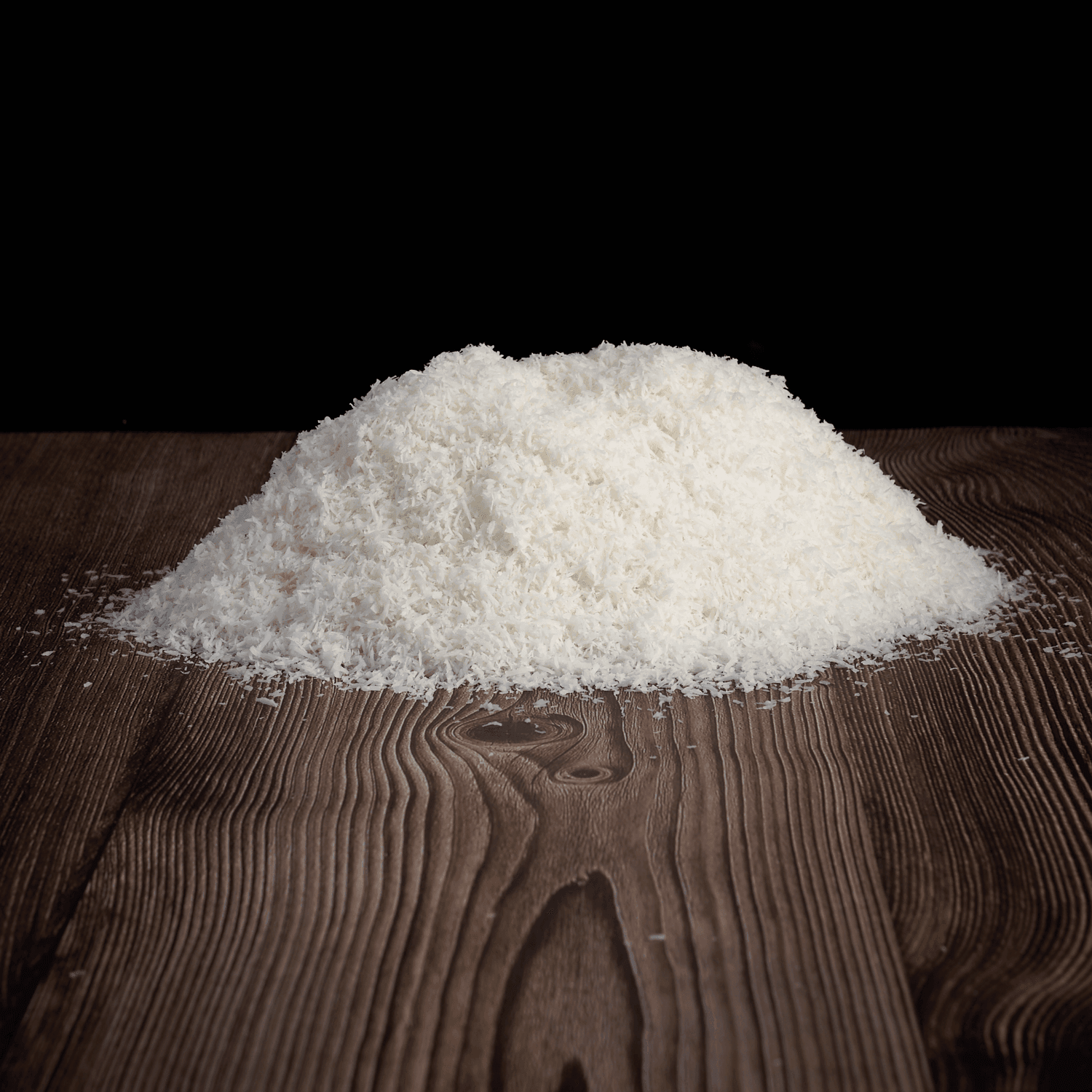
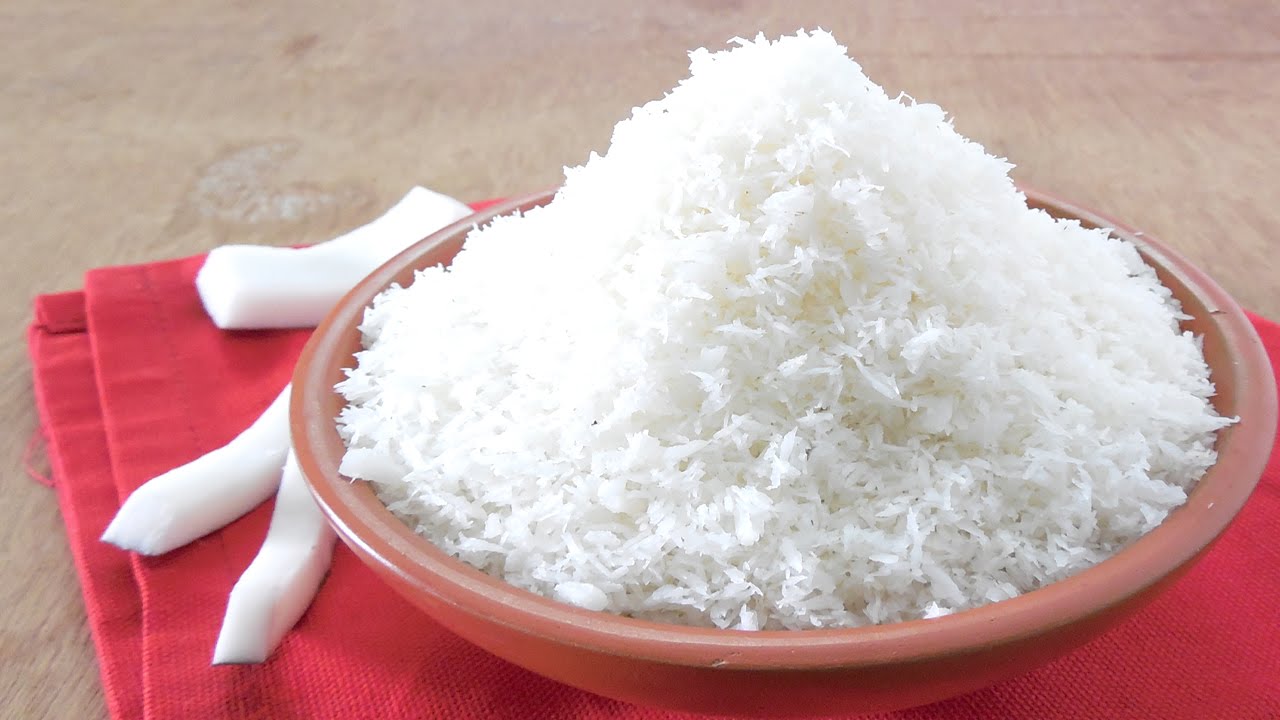
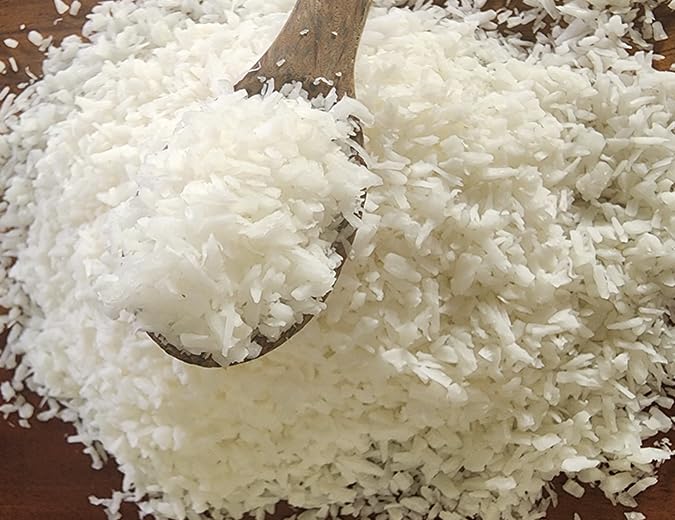
Desiccated coconut is primarily graded by the size of its particles. The two most common commercial grades are Fine and Medium. Fine grade desiccated coconut consists of very small, delicate grains that blend seamlessly into cake batters, cookies, and fillings. Medium grade features slightly larger, distinct shreds that provide excellent texture and visual appeal as toppings for donuts, pastries, and structural elements in energy bars. Specialized cuts, such as flakes, chips, and threads, are also processed for specific gourmet applications.
Technical Specifications and Export Grades
For B2B procurement, technical data sheets are the foundation of quality assurance. Buyers must ensure that physical, chemical, and microbiological parameters align with their local food safety laws and internal product standards. Below is a comprehensive specification table detailing the standard requirements for premium Vietnamese desiccated coconut:
| Parameter | Fine Grade Specification | Medium Grade Specification |
|---|---|---|
| Moisture Content | Max 3.0% | Max 3.0% |
| Total Fat Content | Min 63% to 65% (High Fat) | Min 63% to 65% (High Fat) |
| Free Fatty Acid (as Lauric) | Max 0.1% | Max 0.1% |
| Sulfur Dioxide (SO2) | Free or Max 50 ppm (subject to buyer requirement) | Free or Max 50 ppm (subject to buyer requirement) |
| Color | Natural white, free from yellow spots | Natural white, free from yellow spots |
| Flavor & Odor | Mild, sweet, and clean coconut aroma | Mild, sweet, and clean coconut aroma |
| E. coli | Negative in 25g | Negative in 25g |
| Salmonella | Negative in 25g | Negative in 25g |
Sourcing Safely: Certifications and Regulatory Compliance
When importing agricultural products from any global origin, compliance with international food safety standards is non-negotiable. Leading processing facilities in Vietnam have invested heavily in modernizing their plants to secure global credentials. When evaluating your wholesale desiccated coconut origin partner, you should look for the following certifications:
ISO 22000 & HACCP: These form the baseline of hazard analysis and critical control points, ensuring safety from processing to dispatch.
BRC (British Retail Consortium): A gold standard in food safety recognized by major global retailers, indicating rigorous facility audits.
Halal & Kosher: Vital for dietary compliance in diverse global consumer markets.
Organic (USDA, EU Organic): For buyers targeting the premium wellness and health-food demographic, ensuring no synthetic fertilizers or chemical sulfites are used during farming and drying.
Packaging, Storage, and Logistics for Global Import
To preserve the shelf life of desiccated coconut—which typically ranges from 12 to 18 months—proper packaging and logistics management are critical. Because coconut has a high oil content, it is highly sensitive to moisture absorption, rancidity, and odor transfer.
The standard packaging for B2B export is multi-ply kraft paper bags with an inner food-grade polyethylene (PE) liner. Common weights are 25 kg or 50 lbs, though larger bulk tote bags (super sacks) can be prepared for high-volume manufacturing lines. The inner liner protects the product from ambient humidity, while the outer kraft paper protects against light degradation. During shipping, containers must be thoroughly inspected for cleanliness, leaks, and potential odors. Using dry containers with moisture-absorbing silica gel packs is standard practice to prevent ‘container sweat’ during transit across different climatic zones.
Strategic Advantages of Partnering with VIHABA for Your Wholesale Desiccated Coconut Origin Needs
Navigating international trade requires a partner who understands both the local agricultural landscape and international B2B expectations. This is where VIHABA stands out as a premier export facilitator and supplier in Vietnam.
By establishing deep connections with local farmers in Ben Tre and working directly with state-of-the-art processing plants, VIHABA ensures you receive premium-grade wholesale desiccated coconut origin products tailored to your precise specifications. VIHABA bridges the gap between agricultural producers and global buyers by taking care of quality control, offering competitive pricing, and managing complete logistics pipelines from the port of Ho Chi Minh City directly to your destination port. Whether you require standard High-Fat Fine, Medium, or custom low-sulfite varieties, our dedicated trade experts ensure consistent quality, timely deliveries, and absolute transparency.
Conclusion
In the competitive global marketplace, your choice of B2B ingredients directly dictates your product’s success. Selecting a reliable wholesale desiccated coconut origin is an essential step in securing premium, sustainable, and high-performing raw materials for your manufacturing operations. With its exceptional natural resources, advanced processing technologies, and rigorous adherence to international standards, Vietnam stands out as an unmatched origin. By partnering with a trusted export expert like VIHABA, you gain direct access to premium Vietnamese agricultural products, transparent supply chains, and seamless shipping logistics designed to scale your business. Contact the VIHABA team today to request samples, detailed specifications, and custom B2B quotes tailored to your business needs.
Desiccated Coconut Origin FAQ
Disclaimer: Unless otherwise stated, the images used in this article are the property of their respective owners. We do not claim ownership of any third-party images featured, and they are used here strictly for informational and educational purposes. If you are the copyright holder and wish to have an image removed, please contact us.