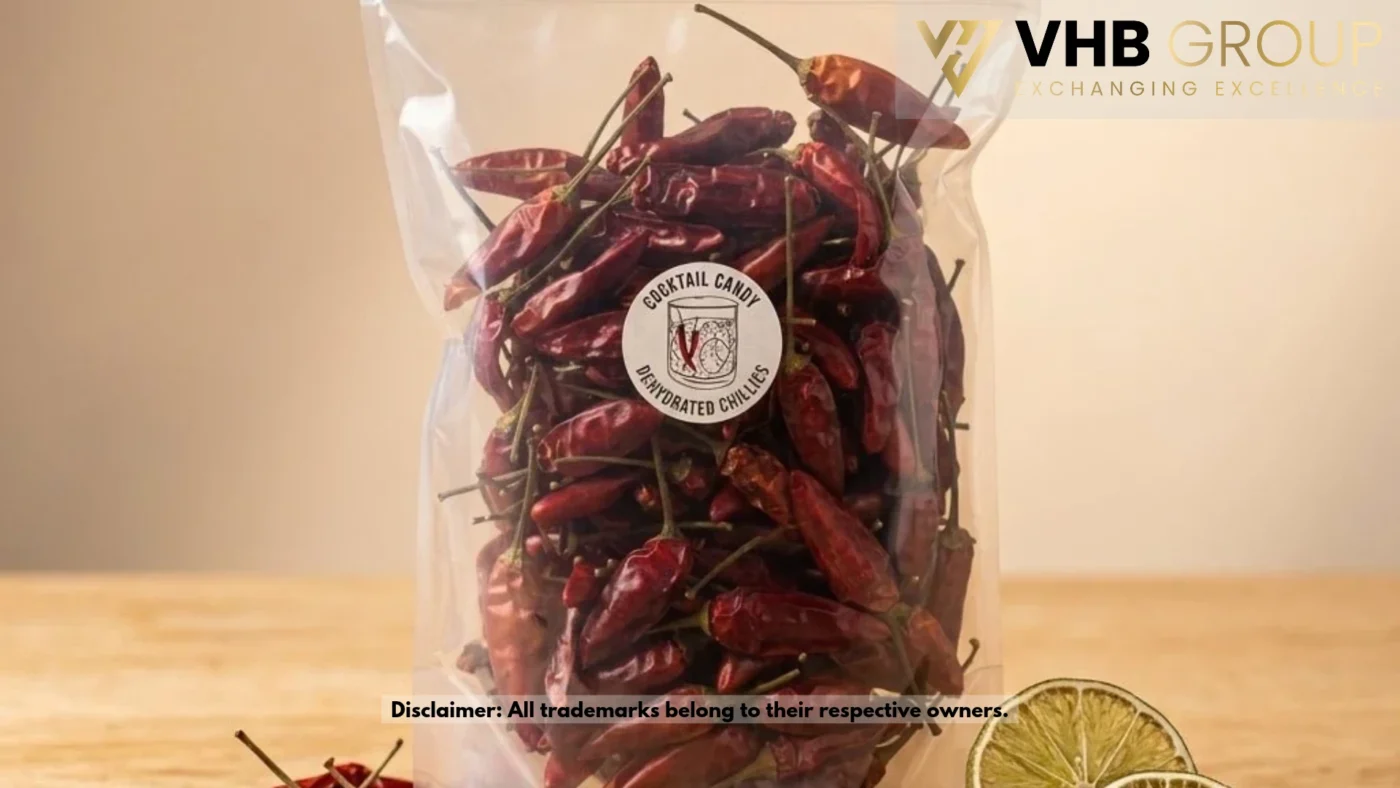
Tracing the exact Dried Red Chili Sourcing Origin Specifications is a fundamental requirement for spice importers, regulatory assurance directors, and international supply chain managers. Because soil mineralogy, dry-season sunlight, and regional cultivar genetics directly dictate a pod’s Scoville heat, ASTA red color, and skin thickness, understanding the exact agricultural belts—and their post-harvest drying and cold-storage infrastructure—separates reliable, compliant spice imports from high-risk spot-market lots.
For procurement executives managing bulk container shipments through wholesale networks, complete transparency from farm gate to export grading yard is crucial for passing stringent customs regulations (especially regarding EU/US aflatoxin limits and pesticide MRLs) and securing long-term buyer trust. This guide breaks down the agricultural and industrial supply chain that fuels the world’s premier dried red chili export hubs.
Table of Contents
-
The Agricultural Core of Red Chili Sourcing (India, Vietnam, China)
-
Harvesting, Drying, De-Stemming, and Cold-Storage Facilities
-
Tracing Origin Characteristics by Region
-
Why Origin Specifications Matter for Importers
-
Supply Chain Assurance

The Agricultural Core of Red Chili Sourcing (India, Vietnam, China)
When evaluating the global supply chain for bulk dried red chilies, three premier Asian origins dominate international trade, each offering distinct culinary and commercial advantages:
-
India (Andhra Pradesh, Telangana & Karnataka): The world’s undisputed powerhouse for dried red chili exports. The Guntur APMC belt in Andhra Pradesh is Asia’s largest chili trading hub (producing benchmark Sannam S4 and fiery Teja S17), while Byadgi in Karnataka is globally renowned for high-color, wrinkled pods (120–160 ASTA)—both carrying Geographical Indication (GI) recognition.
-
Vietnam (Central Highlands, Mekong Delta & Northern Provinces): A rapidly growing export origin for pungent Capsicum annuum and fiery Capsicum frutescens (Bird’s Eye / Chi Thien) chilies, supplying major Asian markets including China, South Korea, and India with competitive FOB pricing.
-
China (Xinjiang, Henan & Shandong): A major producer of vibrant, low-to-medium heat paprika-style and Sichuan-style dried red chilies prized for uniform machine drying and massive industrial scale.

Harvesting, Drying, De-Stemming, and Cold-Storage Facilities
The raw harvested pod only forms half the equation; the post-harvest sanitation, controlled dehydration, and cold-storage preservation cycle is what transforms a farm crop into a safe, export-ready food ingredient.
View Dried Chillies at Grandhasiri Village in Guntur District on Wikimedia Commons
Inside ISO 22000 and HACCP-certified export processing yards, fully ripened red pods are harvested and dehydrated via clean solar drying tarps or mechanical hot-air dryers to bring moisture safely down to 10–12%. The dried pods undergo manual or mechanical de-stemming (for stemless orders), air-classification to remove dust and loose seeds, and optical/manual grading to remove discolored, immature, or broken pods. To preserve peak ASTA red color year-round, graded lots are immediately stored in temperature-controlled cold storages (typically 4°C–10°C) until pre-shipment lab testing and container loading.

Tracing Origin Characteristics by Region
Procurement teams select their sourcing origin based on target SHU pungency, ASTA color value, and landed cost structures.
| Sourcing Origin | Flagship Cultivars & Profile | Key Industrial Advantage |
| India (Guntur / Byadgi) | Teja S17 (70k–100k+ SHU); Sannam S4 (35k–45k SHU); Byadgi (120–160 ASTA) | Unmatched cultivar diversity; massive cold-storage infrastructure. |
| Vietnam | Chi Thien / Bird’s Eye types; sharp pungency; bright red | Competitive FOB pricing; strong tariff advantages (EVFTA, RCEP). |
| China (Xinjiang / Henan) | Mild-to-medium heat; high-color paprika/Yidu types | Uniform mechanical drying; high-volume automated sorting. |
Why Origin Specifications Matter for Importers
For B2B buyers, understanding the Dried Red Chili Sourcing Origin Specifications and logistical path is an absolute operational requirement for passing international border control and meeting food safety compliance in modern retail and industrial environments.
Because dried red chilies are closely monitored at international borders for aflatoxins (B1 ≤ 5 ppb, Total ≤ 10 ppb), pesticide MRLs, and Sudan dyes, sourcing from audited, traceable origin processors with verified cold-storage chains entirely eliminates the risk of costly port rejections. Furthermore, verified Certificates of Origin (COO) allow importers to validate Geographical Indication (GI) authenticity (for Guntur Sannam or Byadgi) and leverage regional Free Trade Agreements to optimize import duties.
Supply Chain Assurance
Total visibility into the origin of your spice supply chain empowers distributors with absolute confidence in the heat level, color purity, and microbiological safety of their imported inventory. By combining premier regional cultivars with controlled drying, cold-storage preservation, and accredited laboratory verification, the supply chain delivers a perfectly standardized product built for global export.
Dried Red Chili Sourcing Origin FAQ
Disclaimer: Unless otherwise stated, the images used in this article are the property of their respective owners. We do not claim ownership of any third-party images featured, and they are used here strictly for informational and educational purposes. If you are the copyright holder and wish to have an image removed, please contact us.