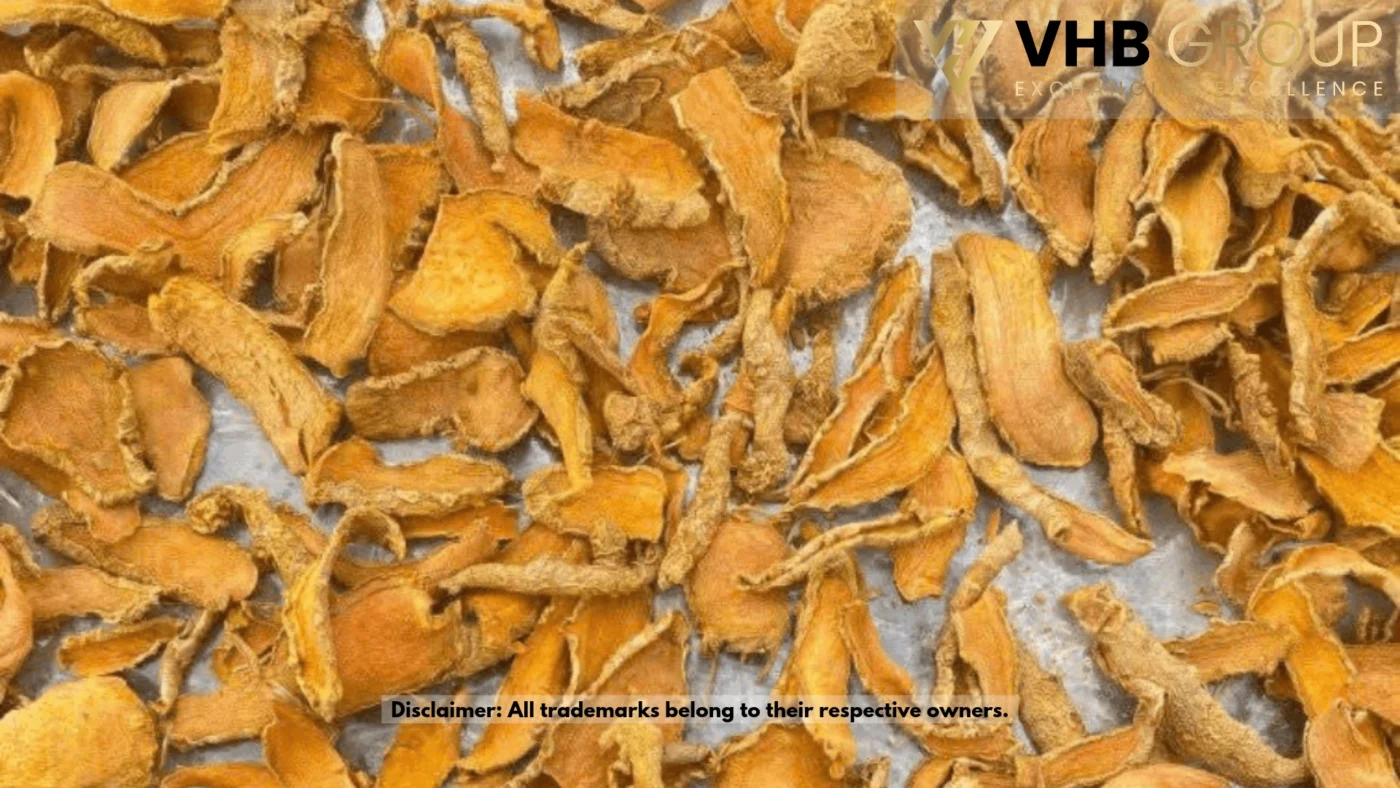
Tracing the exact Dried Turmeric Slices Sourcing Origin Specifications is a fundamental requirement for spice importers, regulatory assurance directors, and international supply chain managers. Because tropical soil mineralogy, monsoon rainfall patterns, and cultivar genetics directly dictate a rhizome’s curcuminoid percentage and color depth, understanding the exact agricultural regions—and the post-harvest washing and kiln-drying infrastructure—separates reliable, compliant spice imports from high-risk spot-market lots.
For procurement executives managing bulk container shipments through wholesale networks, complete transparency from farm gate to export drying plant is crucial for passing stringent customs regulations (especially regarding heavy metals, lead chromate screening, and pesticide MRLs) and securing long-term buyer trust. This guide breaks down the agricultural and industrial supply chain that fuels the world’s premier dried turmeric slice export hubs.
Table of Contents
-
The Agricultural Core of Turmeric Sourcing (Vietnam, India, Myanmar)
-
Washing, Slicing, and Kiln-Drying Facilities
-
Tracing Origin Characteristics by Region
-
Why Origin Specifications Matter for Importers
-
Supply Chain Assurance

The Agricultural Core of Turmeric Sourcing (Vietnam, India, Myanmar)
When evaluating the global supply chain for bulk dried turmeric slices, three premier Asian origins dominate international trade, each offering distinct chemical and commercial advantages:
-
Vietnam (Hung Yen, Nghe An & Central Highlands): Rapidly expanding as a premier export origin for high-curcumin yellow and red-flesh turmeric cultivars. Vietnamese turmeric is prized for its vibrant orange-gold interior, clean kiln-drying standards, and highly competitive FOB pricing.
-
India (Tamil Nadu, Maharashtra & Kerala): The world’s largest producer and exporter, renowned for iconic regional cultivars such as Alleppey (high curcumin, 5%+), Erode, and Sangli turmeric, backed by massive industrial processing scale.
-
Myanmar (Shan State & Ayeyarwady): A strong regional origin supplying natural, low-input turmeric slices heavily utilized by Asian spice grinders and regional trading houses.
Washing, Slicing, and Kiln-Drying Facilities
The raw harvested rhizome only forms half the equation; the post-harvest sanitation and controlled dehydration cycle is what transforms a soil-grown root into a safe, export-ready botanical ingredient.
View Turmeric Harvest and Processing Reference on Wikimedia Commons
Inside ISO 22000 and HACCP-certified export processing plants, mature turmeric rhizomes (harvested at 8–10 months when the leaves yellow and curcumin peaks) undergo high-pressure mechanical drum washing to strip away all clay, sand, and soil. The clean roots are peeled (if specified), fed through precision rotary slicers to achieve uniform 2mm–4mm thickness, and dried in closed, temperature-controlled hot-air kilns (avoiding the dust, avian, and mold contamination common in open-air roadside sun drying). Before bagging, the dried slices pass through vibrating sieves (to remove fine dust), optical/manual sorting belts, and rare-earth magnetic traps.
Tracing Origin Characteristics by Region
Procurement teams select their sourcing origin based on target curcumin percentages, regulatory requirements, and landed cost structures.
| Sourcing Origin | Typical Curcumin & Color Profile | Key Industrial Advantage |
| Vietnam | 3.5% – 5.5%+ curcumin; deep golden-orange flesh; clean aroma. | Competitive FOB pricing; strong tariff advantages (EVFTA, RCEP). |
| India (Alleppey / Erode) | 3.0% – 5.5%+ curcumin; iconic rich saffron-yellow hue. | Massive year-round volume; deep global recognition for extraction. |
| Myanmar | 2.5% – 4.0% curcumin; bright yellow; mild earthy aroma. | Cost-effective regional sourcing for general culinary milling. |
Why Origin Specifications Matter for Importers
For B2B buyers, understanding the Dried Turmeric Slices Sourcing Origin Specifications and logistical path is an absolute operational requirement for passing international border control and meeting food safety compliance in modern retail and industrial environments.
Because turmeric is a subterranean rhizome, it naturally absorbs trace minerals from the soil, and unscrupulous spot-market traders have historically adulterated low-grade lots with lead chromate to artificially boost yellow color. Sourcing from audited, traceable origin mills ensures strict compliance with EU and US FDA limits on heavy metals (lead, cadmium, arsenic), pesticide Maximum Residue Limits (MRLs), and mycotoxins (aflatoxins). Furthermore, verified Certificates of Origin (COO) allow importers in Europe, Japan, and ASEAN to leverage Free Trade Agreements (such as the EVFTA for Vietnamese turmeric) to minimize import duties.
Supply Chain Assurance
Total visibility into the origin of your spice supply chain empowers distributors with absolute confidence in the purity, safety, and curcumin potency of their imported inventory. By combining mature rhizome harvesting with controlled kiln drying, precision slicing, and accredited laboratory verification, the supply chain delivers a perfectly standardized product built for global export.
Dried Turmeric Slices Sourcing Origin FAQ
Disclaimer: Unless otherwise stated, the images used in this article are the property of their respective owners. We do not claim ownership of any third-party images featured, and they are used here strictly for informational and educational purposes. If you are the copyright holder and wish to have an image removed, please contact us.