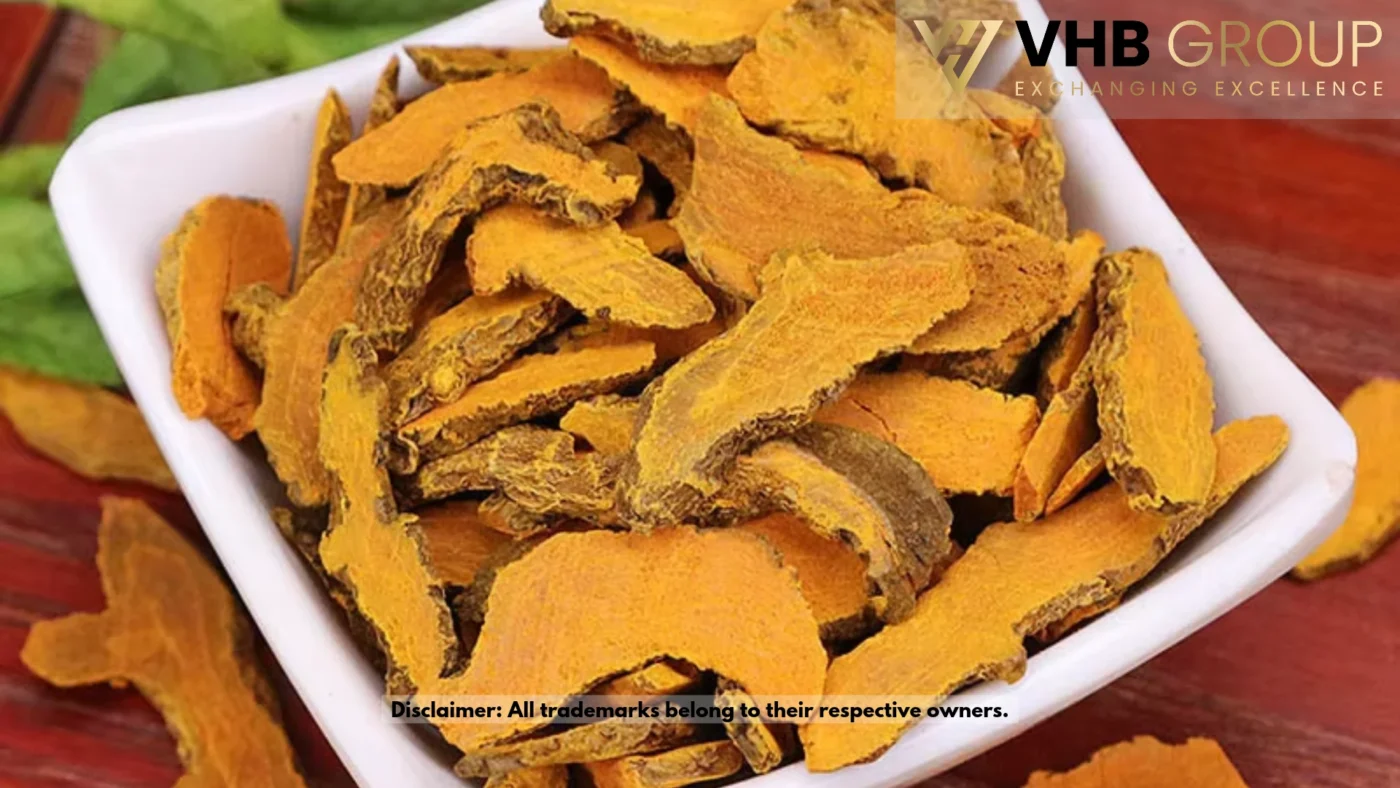
Understanding the exact Dried Turmeric Slices Curcumin & Color Grade Facts is absolutely essential for spice importers, oleoresin extractors, and R&D food scientists who need to specify the exact chemical grade for their production lines. Unlike culinary herbs judged primarily by aroma, the commercial value of Curcuma longa slices is dictated directly by two measurable laboratory metrics: curcuminoid concentration (measured via HPLC or ASTA spectrophotometry) and natural golden-orange color intensity, both of which are heavily influenced by cultivar genetics, harvest maturity, and post-harvest boiling/drying physics.
For international procurement teams and supply chain managers looking to capitalize on this global commodity, reviewing the operational logistics of the wholesale supply chain is the mandatory next strategic step. However, before executing bulk contracts, buyers must fully understand the chemical pigments, volatile oil profiles, and drying methods that separate premium high-curcumin export slices from pale, low-potency stock.
Table of Contents
-
The Chemical Matrix: Curcuminoids and Volatile Turmerones
-
Boiling, Slicing, and Color Stabilization Science
-
Sensory Profile: Essential Dried Turmeric Slices Curcumin & Color Grade Facts
-
Quality Benchmarks and Laboratory Specifications
-
Wholesale Spice Integration
The Chemical Matrix: Curcuminoids and Volatile Turmerones
When analyzing the commercial value of export-grade dried turmeric slices, the primary quality metric is the percentage of curcuminoids—a group of natural polyphenolic pigments comprising curcumin (the primary active), demethoxycurcumin, and bisdemethoxycurcumin.
In standard commercial export grades, curcumin content ranges from 2.5% to 3.5% for general culinary milling, while premium high-curcumin cultivars (such as Vietnamese red-flesh turmeric or Indian Alleppey Finger) reach 4.5% to 6.0%+. Alongside curcuminoids, dried slices contain 3.0% to 5.0% volatile essential oils—dominated by ar-turmerone, α-turmerone, and β-turmerone—which deliver turmeric’s signature warm, earthy, slightly peppery aroma and enhance the bioavailability of curcumin in nutraceutical formulations.
Boiling, Slicing, and Color Stabilization Science
A critical element within the manufacturing cycle is controlling how the fresh rhizome is prepared prior to dehydration.
View Sliced Turmeric Reference on Wikimedia Commons
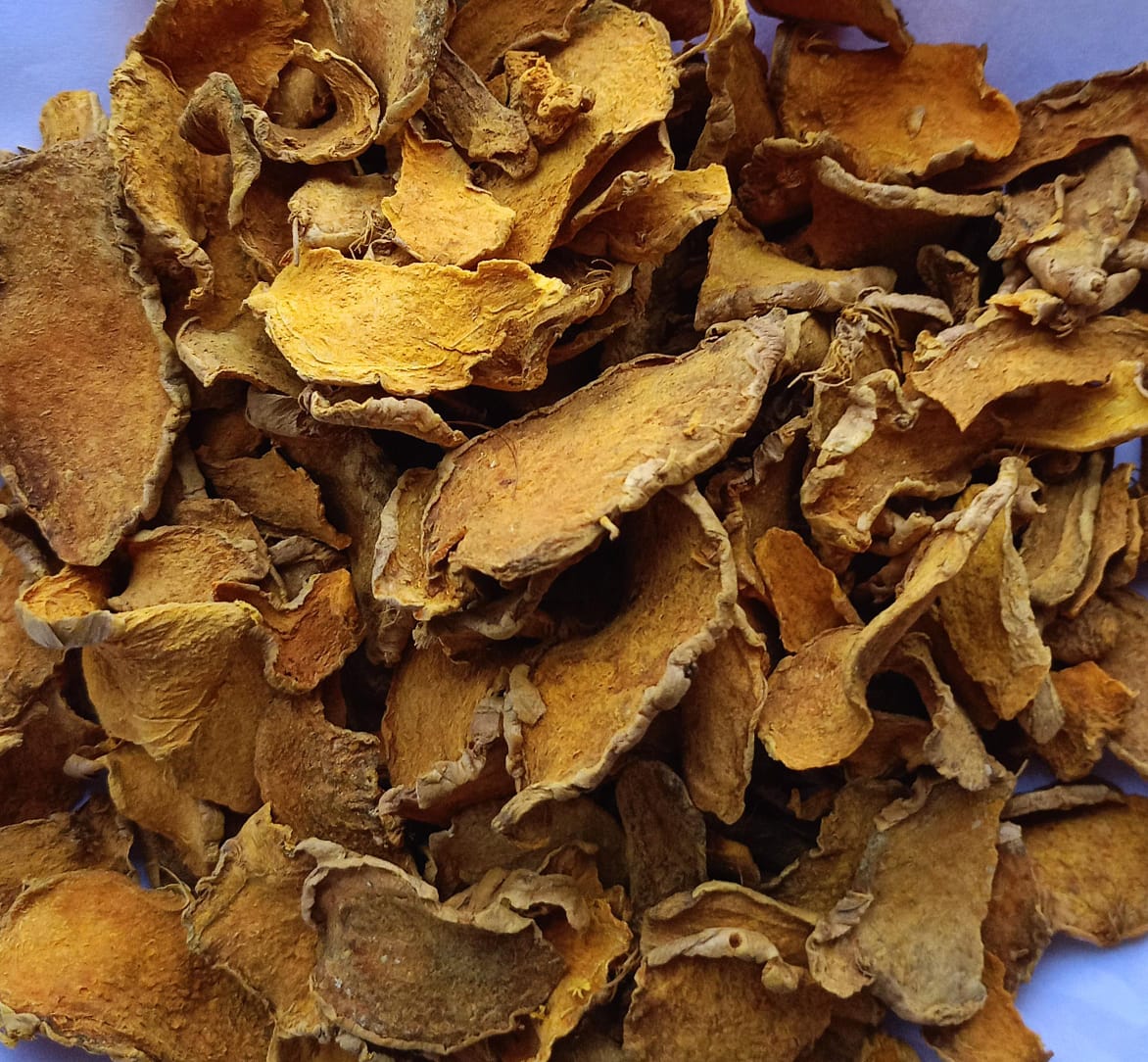
Fresh turmeric rhizomes contain active enzymes and dense starches that make raw drying slow and uneven. In commercial export processing, mature rhizomes are washed, sliced uniformly (2mm–4mm), and subjected to either direct hot-air kiln drying or steam-blanching/boiling followed by drying. Brief steam-blanching gelatinizes the internal starch, uniformly distributes the bright curcumin pigment throughout the slice, deactivates spoilage enzymes, and reduces drying time—yielding a hard, brittle, translucent orange-yellow slice that resists insect infestation and grinds cleanly. Crucially, drying temperatures must be strictly controlled (typically 55°C–65°C) to prevent thermal degradation of curcumin and scorching of the natural color.
Sensory Profile: Essential Dried Turmeric Slices Curcumin & Color Grade Facts
The most distinctive physical characteristic of high-grade dried turmeric slices upon opening a freshly sealed PE-lined sack is their crisp, snappy texture (snapping cleanly with a metallic click rather than bending), deep saffron-orange to rich golden-yellow cross-section, and an immediate, warm, earthy-gingery aroma.
Balancing Color Intensity, Aroma, and Cleanliness
The Dried Turmeric Slices Curcumin & Color Grade Facts matrix is defined by visual and chemical purity. Inferior slices dried at excessive temperatures or harvested prematurely appear pale yellow, chalky, or dull brown, yielding weak coloring power in curry blends and low extraction yields in oleoresin plants. Authentic, mature high-curcumin slices exhibit a deep, uniform orange-gold interior free from dark mold spots, blackened edges, or soil residue.
Quality Benchmarks and Laboratory Specifications
To fully grasp the commercial appeal and pass strict international border inspections, B2B buyers must specify exact laboratory parameters on their Certificate of Analysis (COA).
| Quality Parameter | Standard Export Specification | Functional Significance |
| Curcumin Content | 3.0% – 5.5%+ (ASTA / HPLC) | Primary pricing driver for coloring strength and nutraceutical potency. |
| Moisture Content | ≤ 10.0% – 12.0% | Prevents mold, aflatoxin formation, and flexible/soft slices during transit. |
| Volatile Essential Oil | 3.0% – 5.0% (v/w) | Indicator of fresh harvest and gentle, low-temperature kiln drying. |
| Foreign Matter / Lead | ≤ 0.5% / Zero Lead Chromate | Guarantees clean mechanical washing and strict FDA/EU heavy metal compliance. |

Wholesale Spice Integration
Mastering the core chemical facts and color grading specifications is the definitive key to sourcing high-performing dried turmeric slices for industrial applications. By specifying exact curcumin percentages, controlled kiln-drying temperatures, and ≤ 10–12% moisture thresholds, international distributors and extraction plants guarantee maximum yield and vibrant color across every production batch.
Dried Turmeric Slices Curcumin & Color FAQ
Disclaimer: Unless otherwise stated, the images used in this article are the property of their respective owners. We do not claim ownership of any third-party images featured, and they are used here strictly for informational and educational purposes. If you are the copyright holder and wish to have an image removed, please contact us.